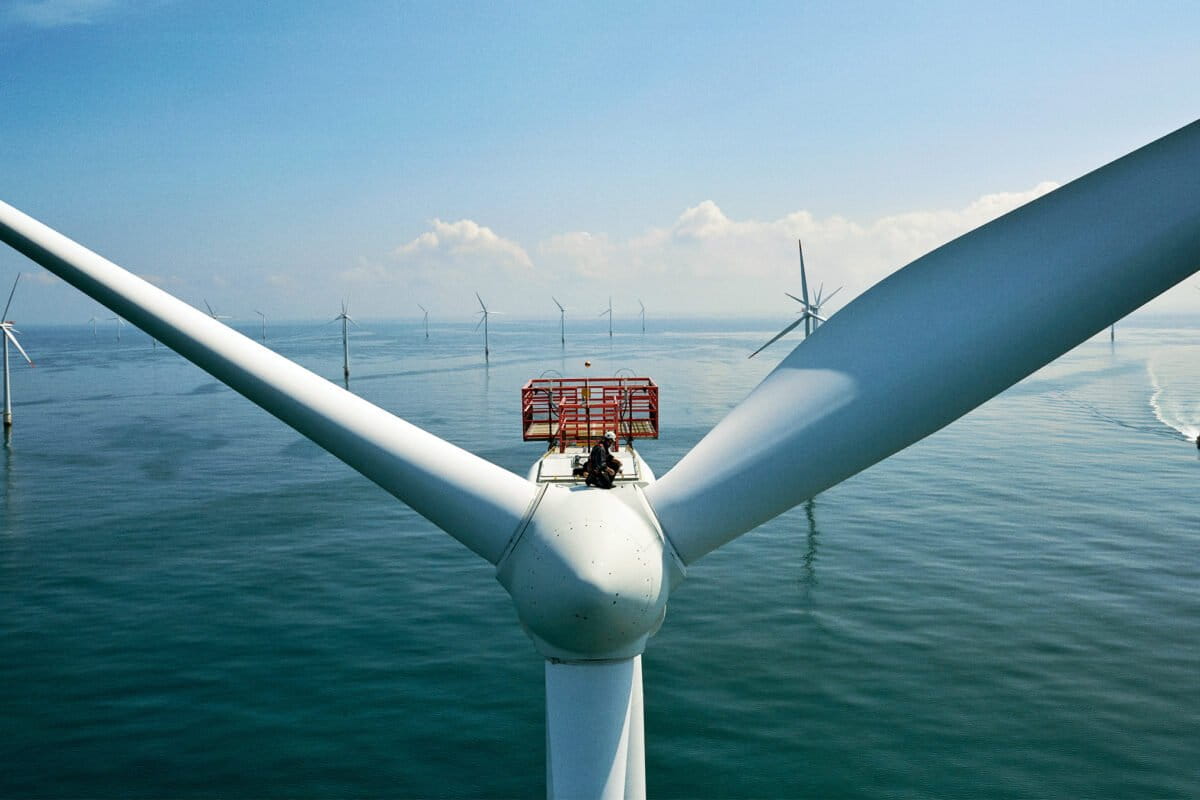
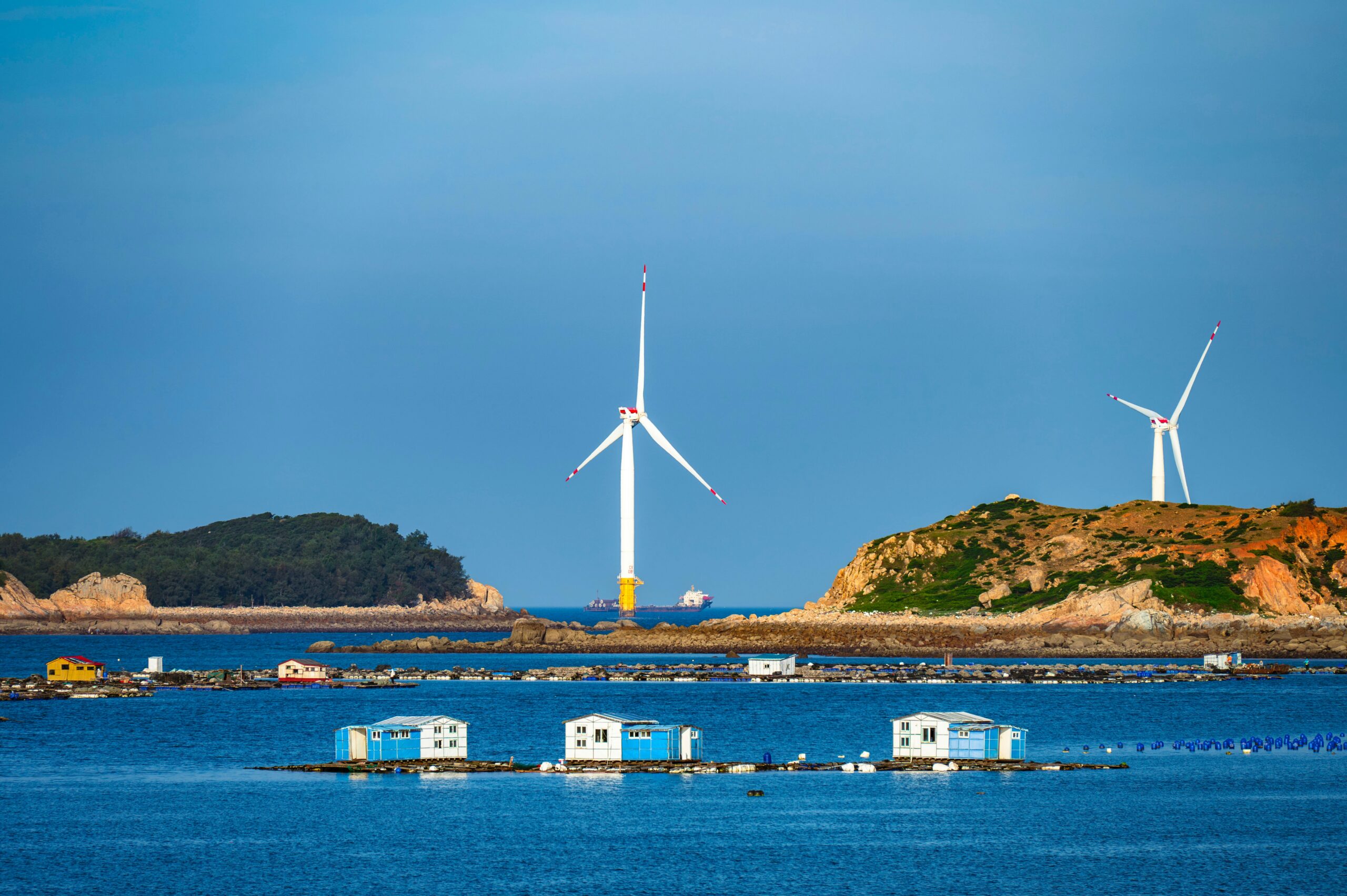
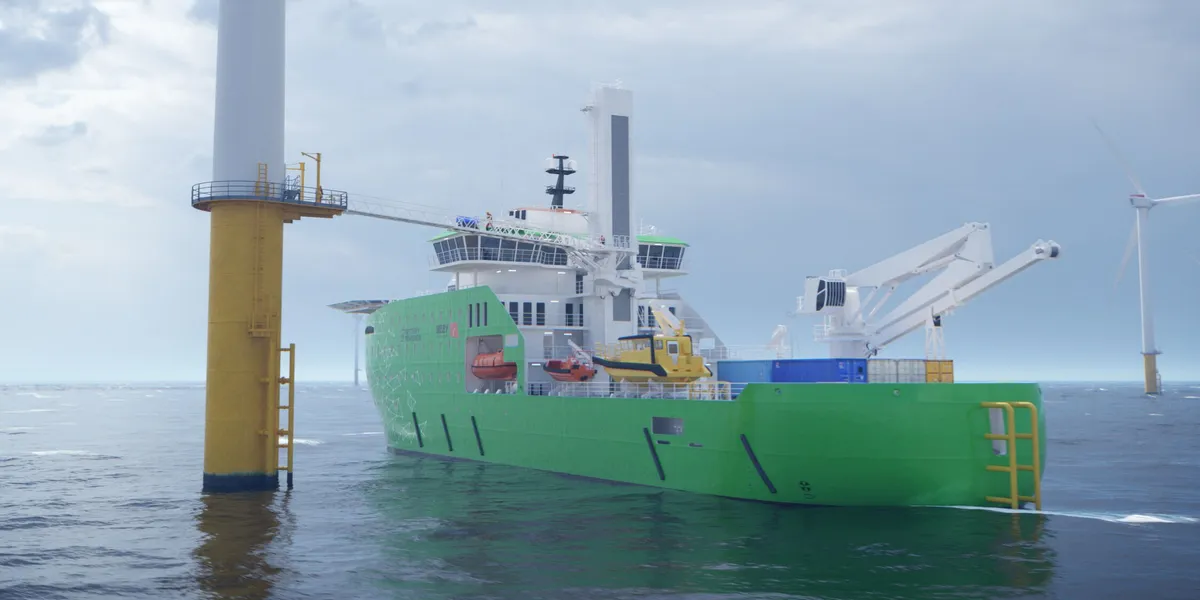
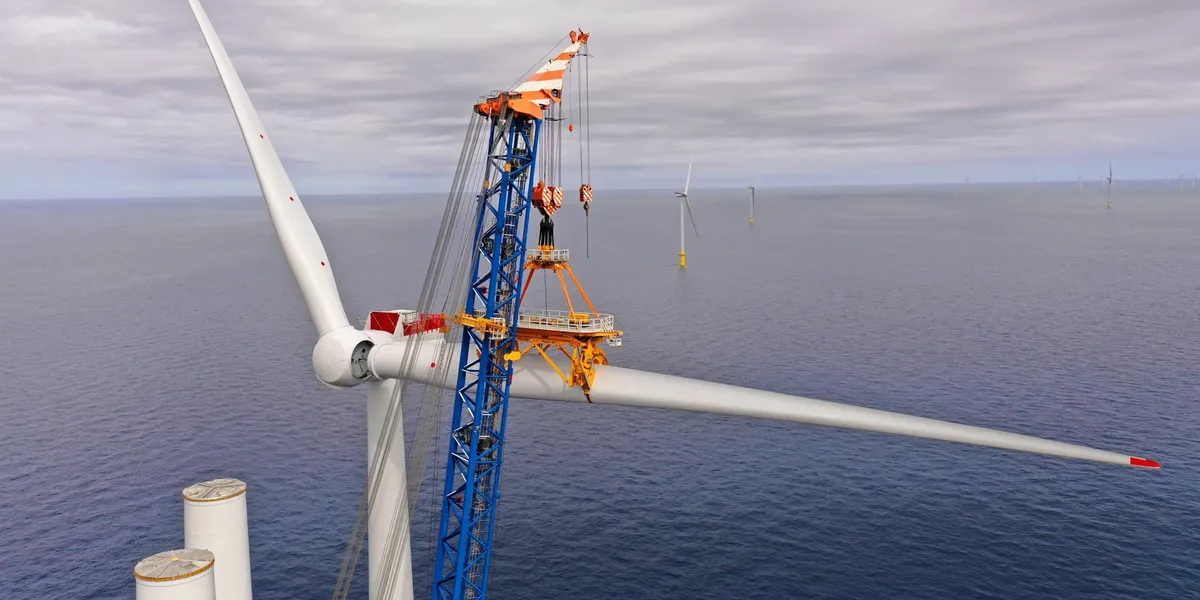
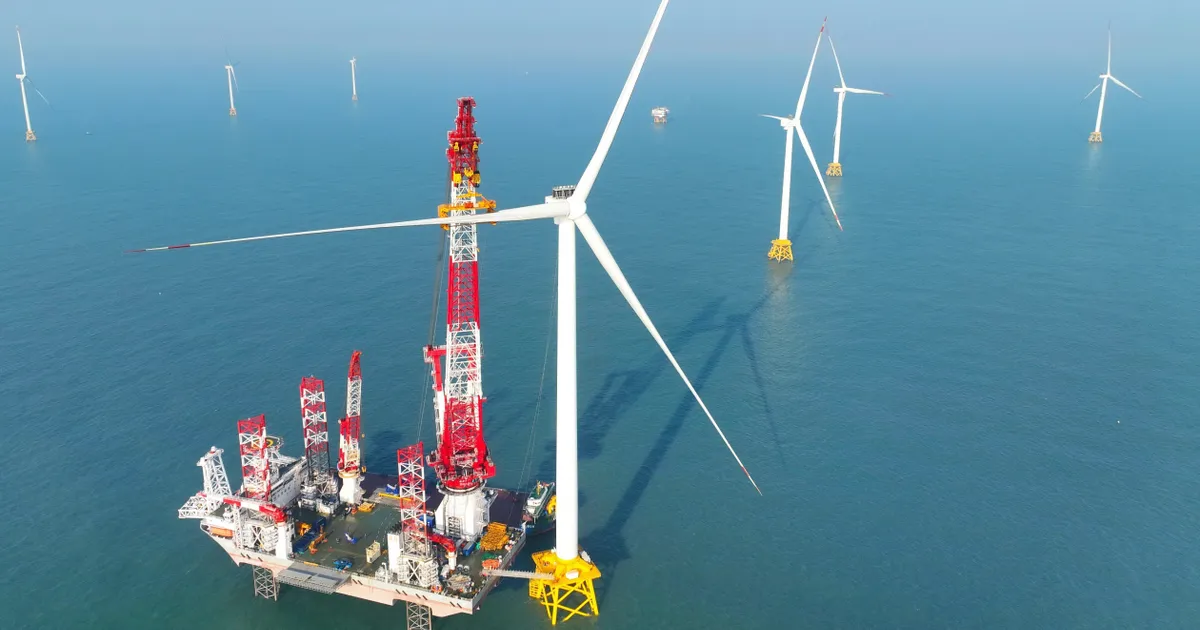
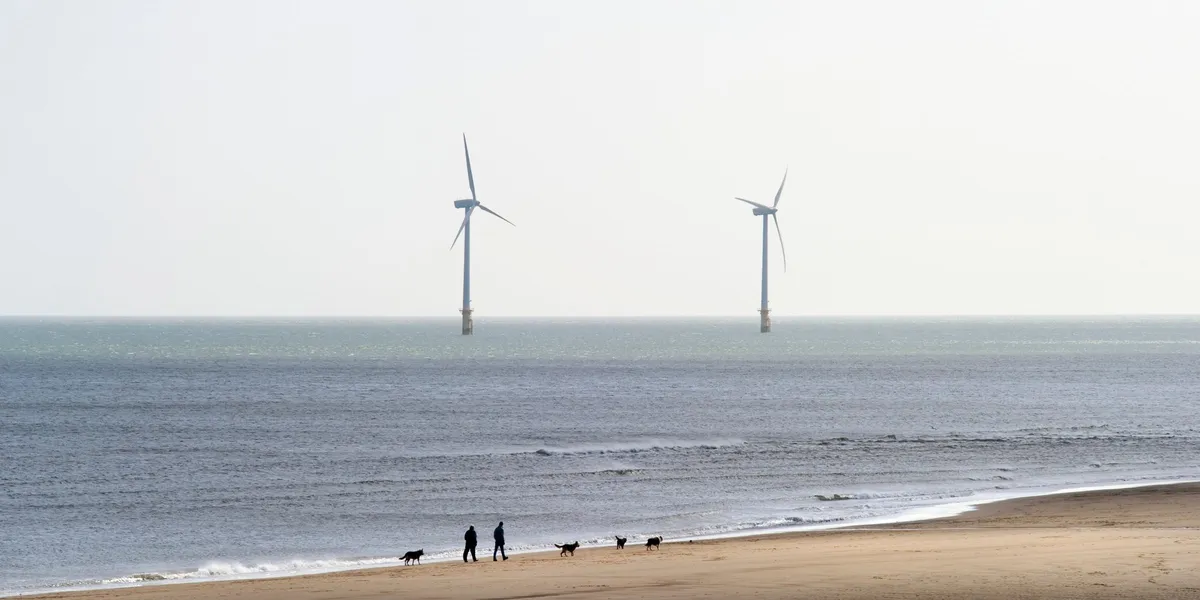
Offshore wind energy is on the rise. Many experts regard it as pivotal to building renewable energy grids around the globe, while also noting that it affects the marine environment.On one hand, offshore wind farms can create mini marine protected areas by prohibiting harmful practices like bottom trawling, and could eventually enable restoration of depleted habitats like oyster reefs.But they also bring notable challenges. Alongside well-documented threats to birds and bats, several issues remain poorly understood, such as how large-scale wind platforms might affect ocean circulation, temperature and the movement of sediment.Researchers say a host of measures can be taken to address some environmental challenges, while underlining the need for continued investment and innovation in solutions.
This is Part Three in a Mongabay series about trends in the offshore wind industry. Part One describes the sector’s untapped potential and gaps between installed energy generation capacity and climate goals. Part Two describes challenges the sector faces in scaling up to meet climate goals.
Offshore wind farms are growing in number, with many experts saying this renewable source of energy is vital to tackling climate change. But many of the same experts caution that responsible construction is required to avoid potentially large impacts on marine ecosystems as farms proliferate in the coming years.