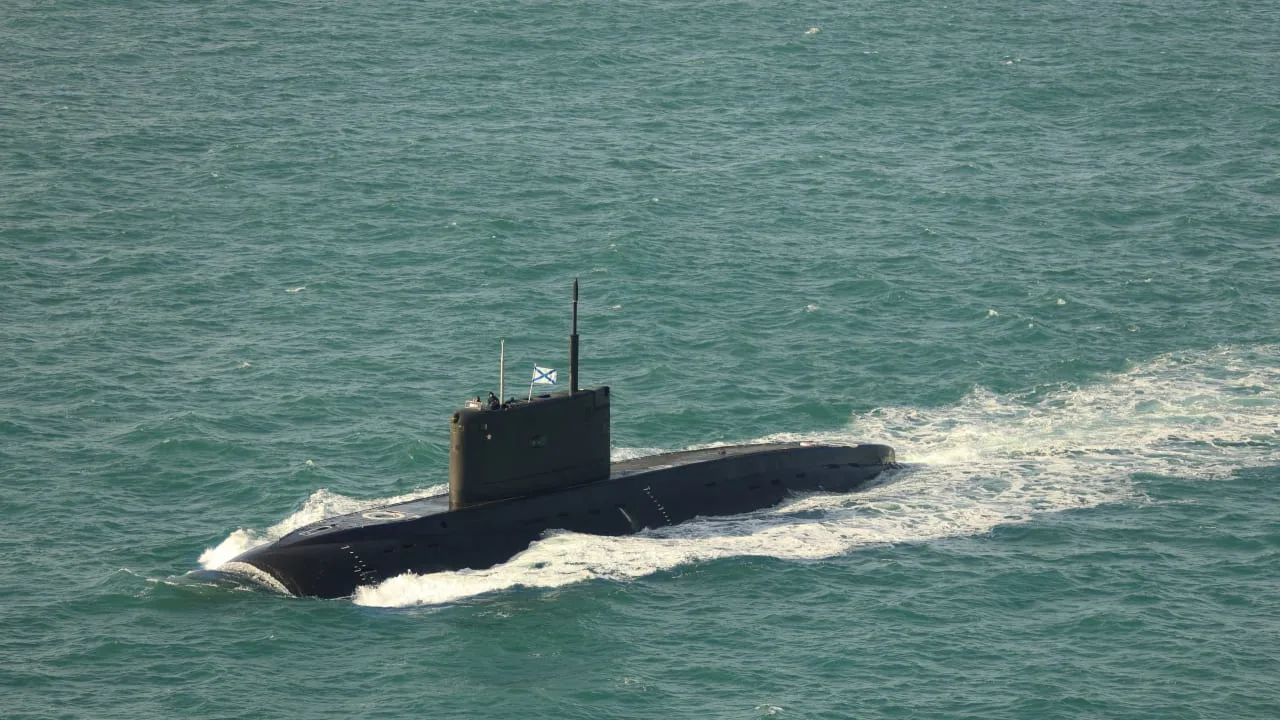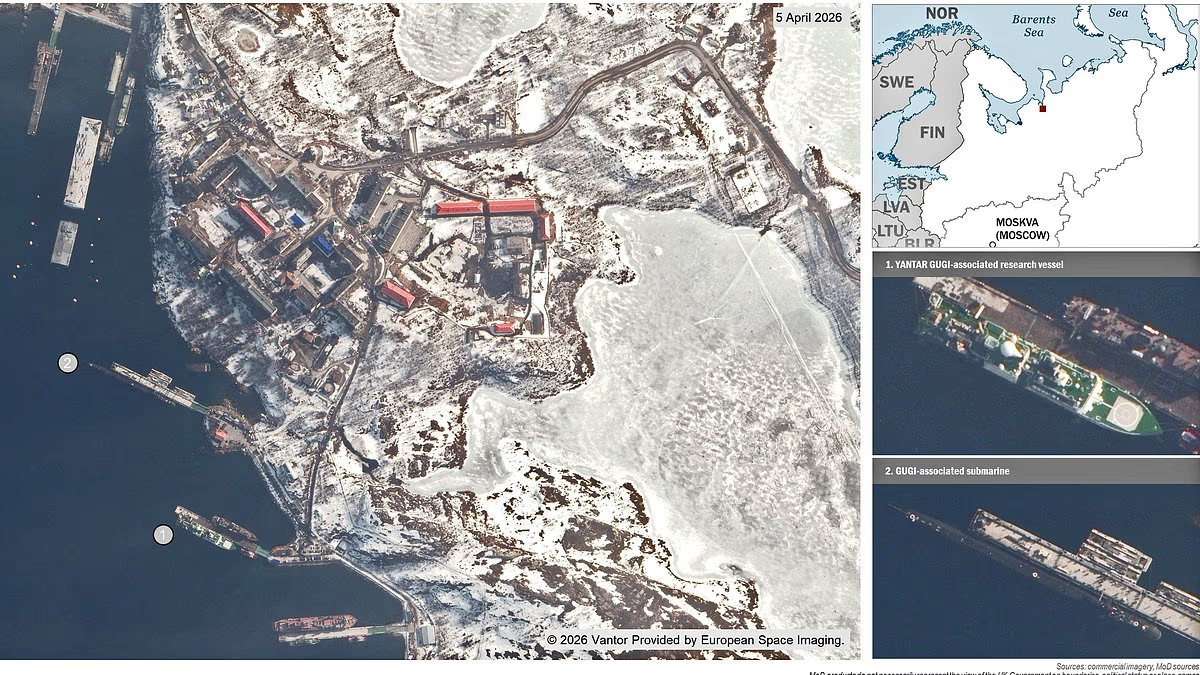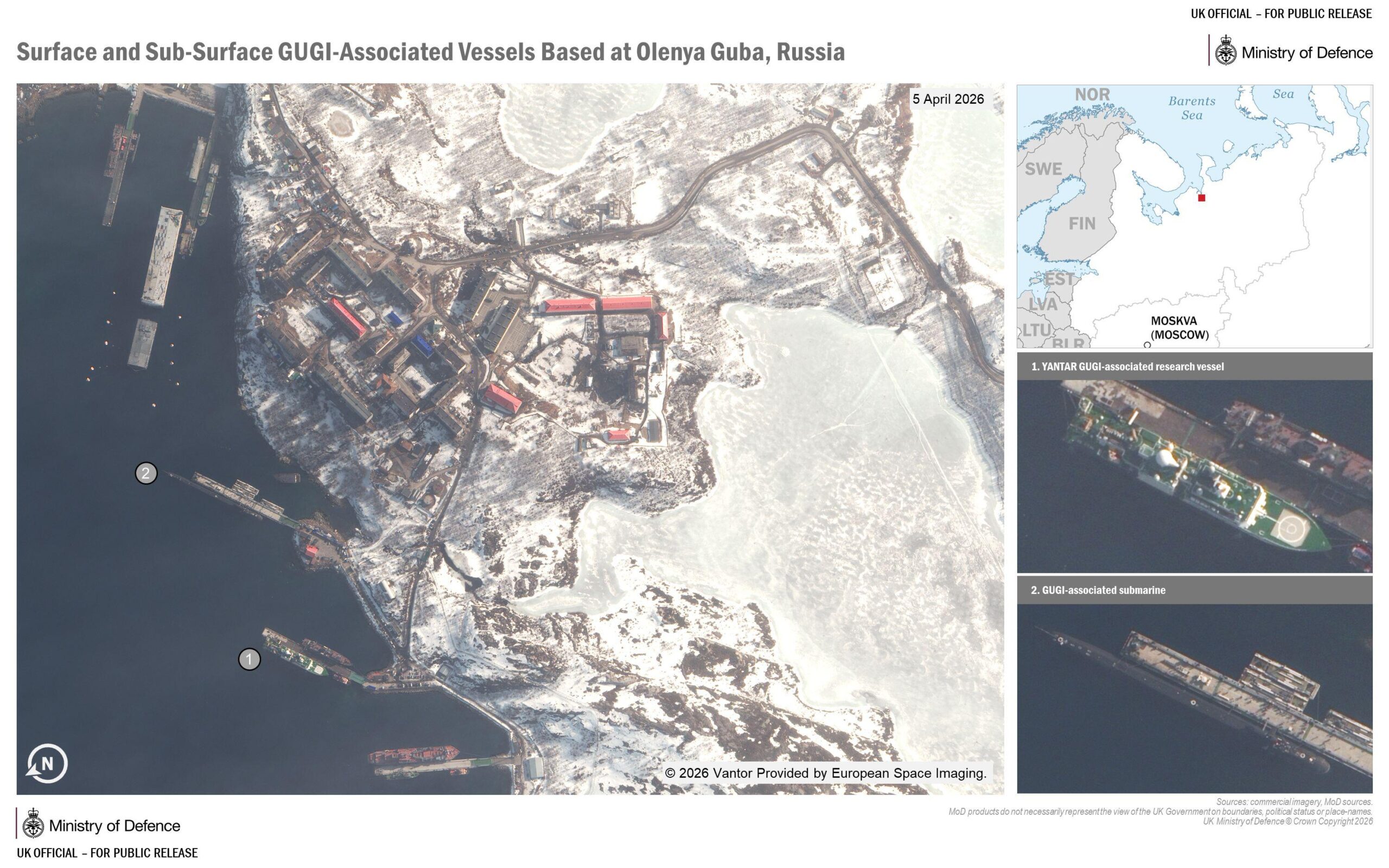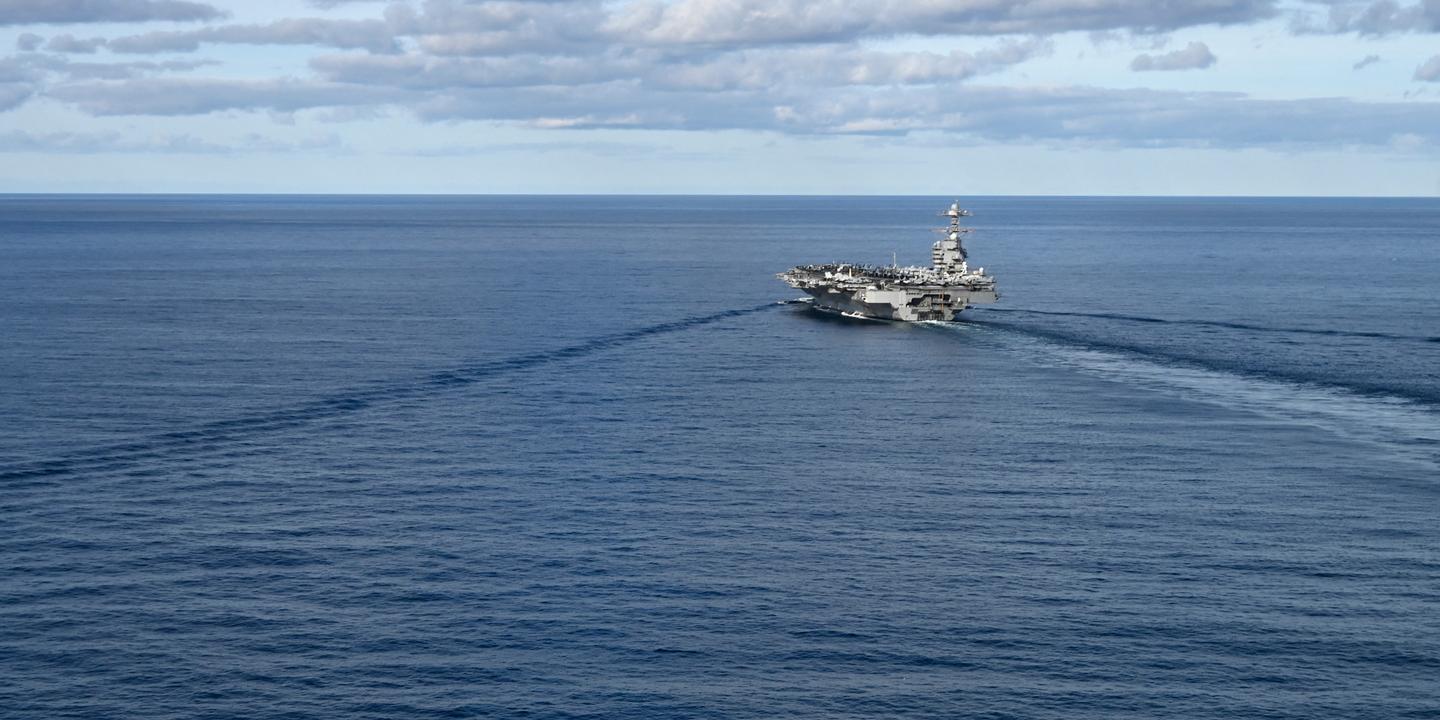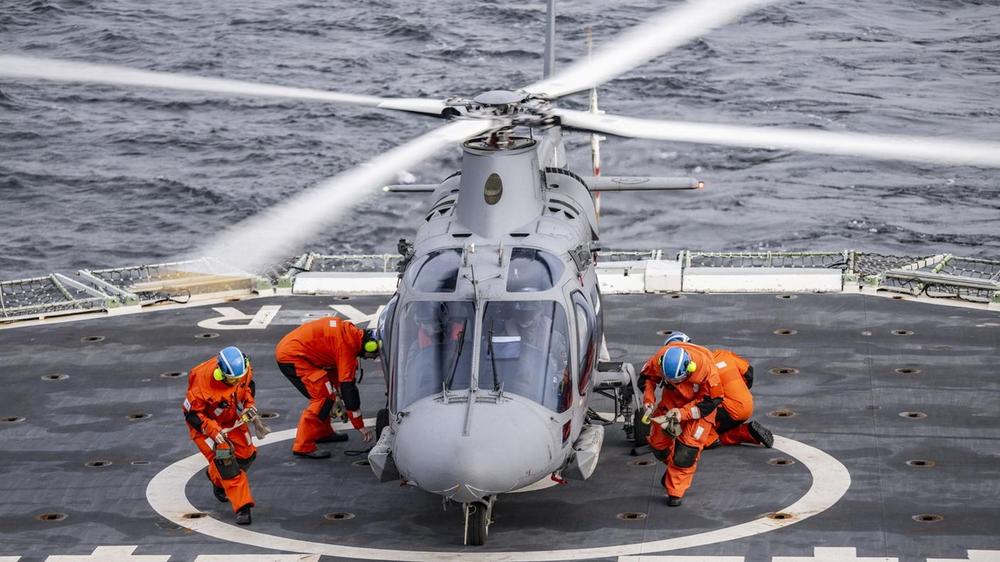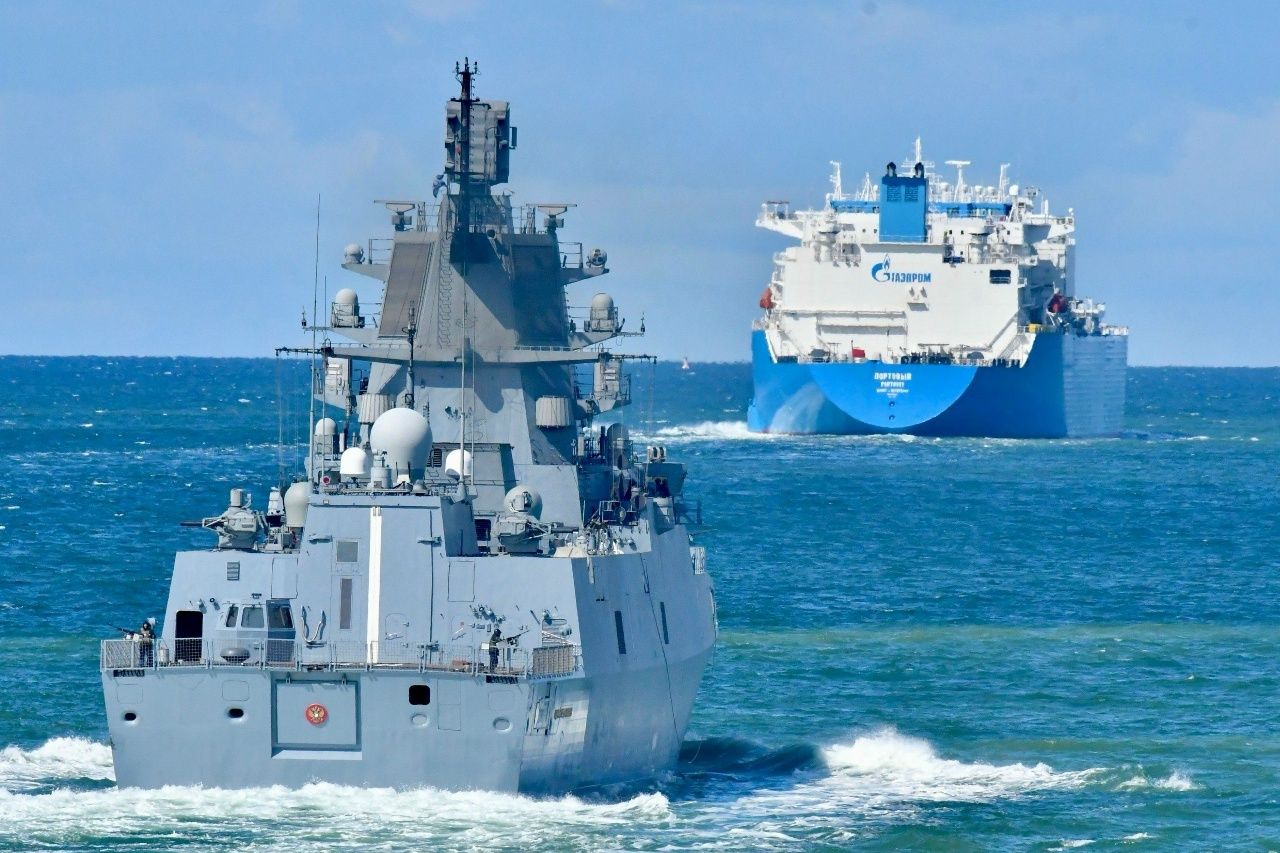
NATO allies disrupted a covert Russian naval exercise near Norway's Svalbard archipelago involving technology designed to disable critical subsea cables without leaving a trace, Reuters reported on Sept. 10, citing Western officials.The operation was carried out by Russia's Main Directorate for Deep Sea Research (GUGI), which used deep-sea submersibles to simulate deploying the technology, according to two Western officials who spoke to Reuters on condition of anonymity.Britain, Norway, and the United States tracked and confronted the Russian vessels at sea, preventing them from completing the exercise before they eventually left the area, the officials said.No subsea cables were damaged during the operation. The exercise focused on simulating how the technology could be used in the event of a conflict with NATO, while officials declined to explain how the system works."Through our joint operation, we sent a clear message to Russia that they cannot operate covertly," Norwegian Defense Minister Tore Sandvik said in a statement to Reuters."We have made it unequivocally clear to Russian authorities that any attempt to target our critical infrastructure will be detected and met with consequences," he added. The operation took place near Svalbard, where two roughly 1,400-kilometer-long (870 miles) fiber-optic cables connect the Arctic archipelago with mainland Norway. The cables carry satellite data from the SvalSat ground station, which is part of NASA's Near Space Network.Undersea sabotage has climbed up the political agenda across Europe with instances of damage to subsea cables and Russian vessels lurking near critical underwater infrastructure on an increasingly frequent basis since Moscow launched its full-scale invasion of Ukraine.In April 2026, the U.K. said it had intercepted a Russian operation near critical underwater infrastructure in British waters. A Russian attack submarine entered U.K. waters while other vessels linked to GUGI were detected conducting what the British government described as "nefarious activity" over critical undersea infrastructure.Between 2024 and 2026, more than 20 subsea cables in the Baltic and Arctic regions were damaged, though many of the incidents have not been formally attributed to Russia. NATO has since stepped up patrols and monitoring around critical underwater infrastructure, including through missions in the Baltic and High North.Russia's Defense Ministry did not respond to Reuters' request for comment on the Svalbard operation.
NATO allies disrupt Russian exercise involving secret weapon targeting subsea cables, Reuters reports
The operation was carried out by Russia's Main Directorate for Deep Sea Research (GUGI), which used deep-sea submersibles to simulate deploying the technology, according to two Western officials who spoke to Reuters on condition of anonymity.
366 words~2 min read