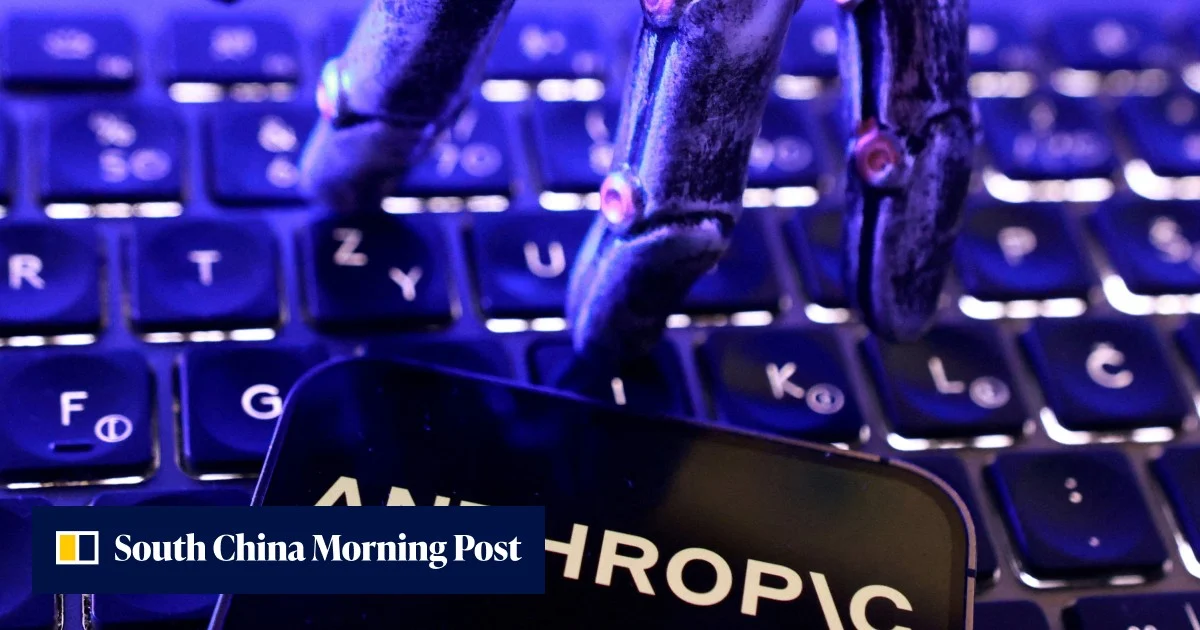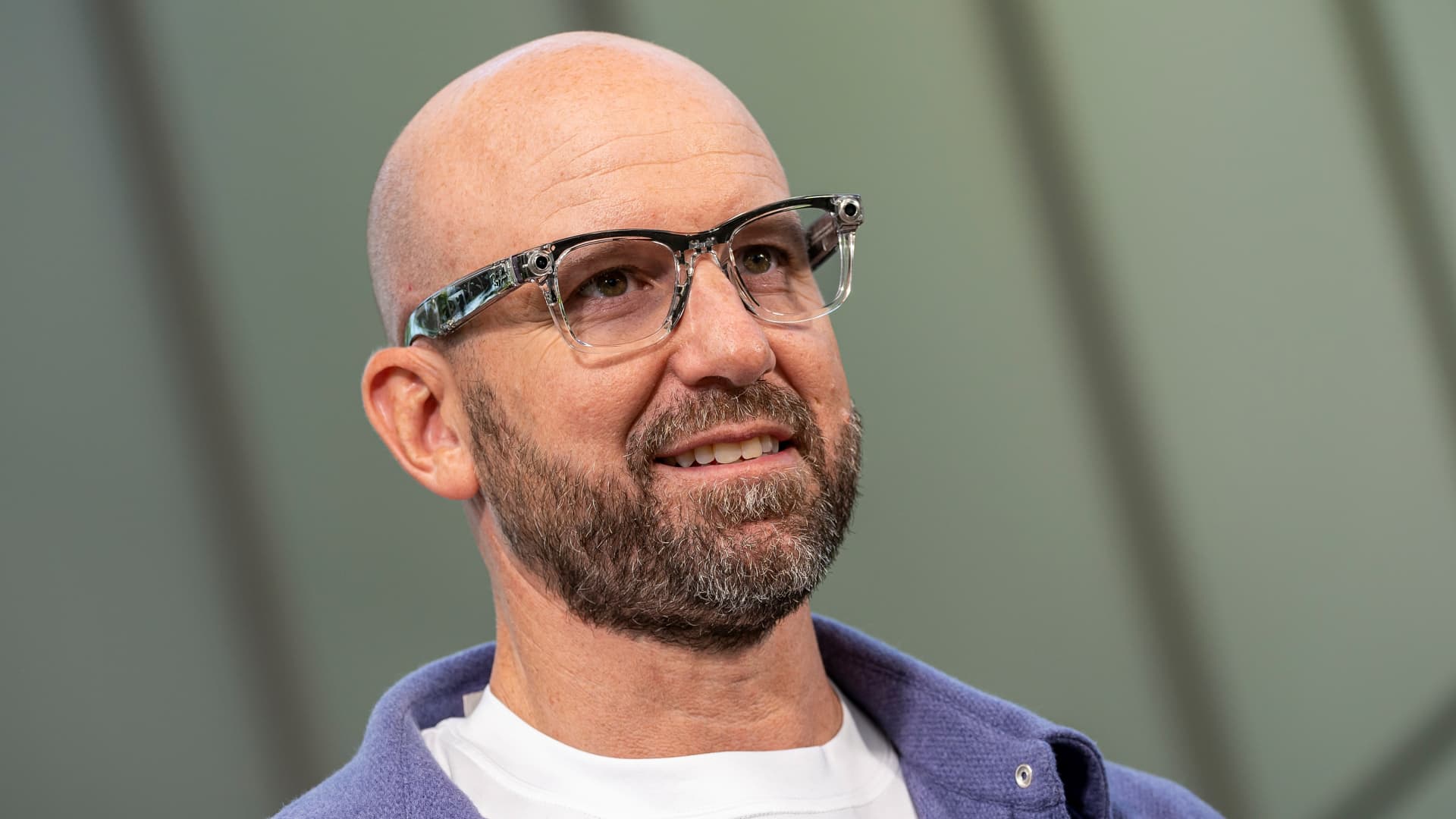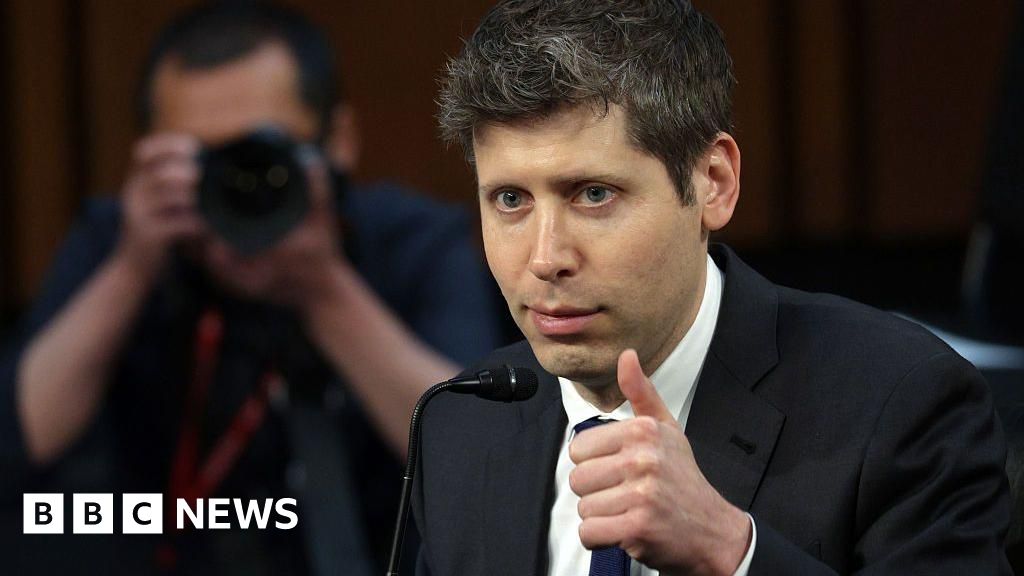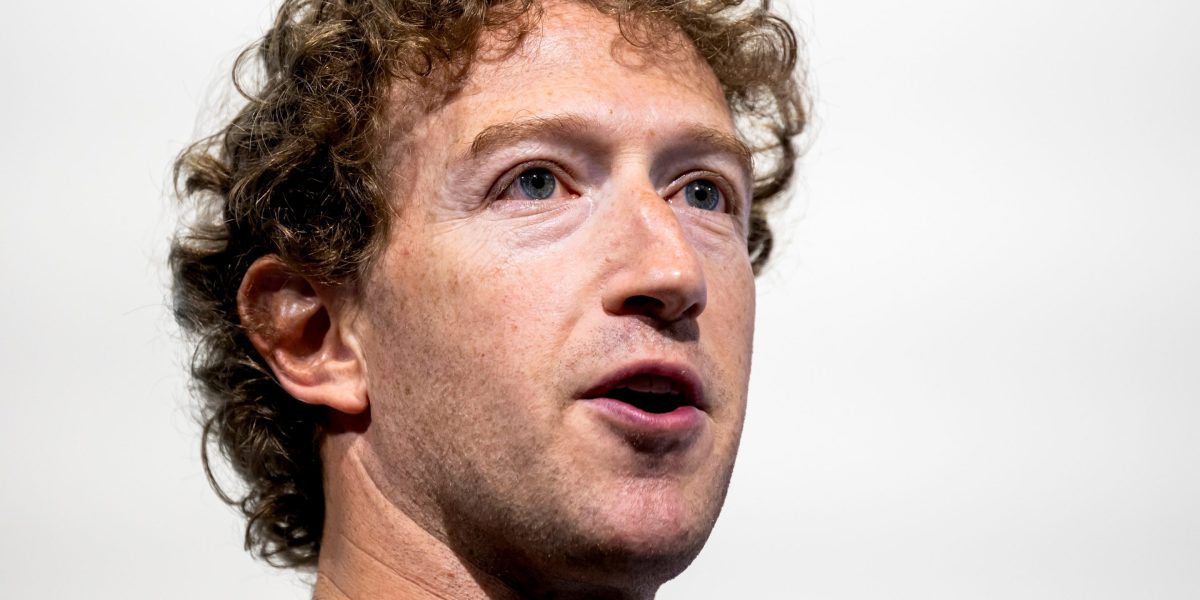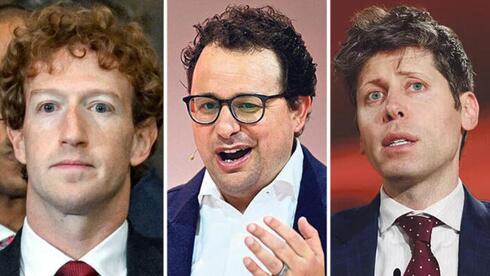
Meta loses a researcher recruited on a reported $1.5 billion package, an Anthropic scientist walks away before his stock vests and OpenAI brings a leading safety expert into its oversight structureThe artificial intelligence industry has been hit by a series of unusually dramatic personnel and governance shake-ups, exposing how the race for dominance in generative AI is increasingly colliding with questions of safety, corporate loyalty and the enormous sums being spent to secure elite researchers.At Meta, AI researcher Andrew Tulloch, one of Silicon Valley’s most closely watched hires after joining on a reported compensation package worth as much as $1.5 billion, has decided to leave less than a year after being personally recruited by CEO Mark Zuckerberg. Tulloch, who arrived from Thinking Machines Lab and worked in Meta’s main research operation alongside Alexandr Wang, reportedly delayed his departure until after the launch of the company’s new open-weight model family and its Muse assistant.GalleryFrom right: Sam Altman, Dario Amodei and Mark Zuckerberg (Photo: Getty Images, AP, AFP)Two possible explanations have circulated around his exit. One is that Tulloch plans to follow a path already taken by several leading AI figures and establish his own company, much as former OpenAI executives Mira Murati and Ilya Sutskever did. Another is that he could be headed to Anthropic, underscoring the increasingly aggressive revolving door between the industry’s leading laboratories.That second possibility has fueled particular speculation. Anthropic does not command Meta’s financial resources, leading some industry observers to suggest that if Tulloch does join the Claude maker, compensation may not have been the deciding factor. The episode is another sign that even extraordinary pay packages may not be enough to guarantee loyalty in an industry where researchers can increasingly choose between vast corporate resources, rival labs and launching companies of their own.Anthropic itself has been shaken by a very different departure. Jacob Coxon, a former OpenAI researcher, resigned immediately and reportedly walked away from options and shares just two months before they were due to vest.Coxon accompanied his resignation with a sharply critical manifesto about the direction of the industry that drew tens of millions of views. He argued that as AI models move toward more advanced levels of autonomy, companies are deliberately making compromises in oversight and testing in order to keep pace with OpenAI and rapidly advancing AI development in China.Coxon also warned that the latest models are already showing signs of recognizing when they are being evaluated and changing their behavior accordingly. In his view, that development raises the possibility of humans losing meaningful control over advanced systems before the end of the decade.Supporters have pointed to the timing of his resignation, and the money he apparently forfeited, as evidence that financial considerations were not driving his warning. Others have questioned whether his departure may have had personal motivations rather than representing the kind of existential intervention his manifesto portrayed.At OpenAI, meanwhile, one of the field’s best-known safety researchers is moving closer to the center of corporate oversight. Paul Christiano, an early pioneer of AI safety research and one of the architects of reinforcement learning from human feedback, has joined the board of OpenAI’s nonprofit and its Safety and Security Committee, while also taking an observer role in the company’s commercial arm.Christiano, who heads the Alignment Research Center, warned upon his appointment that advanced AI systems could pose a near-term risk of catastrophic and irreversible loss of control. He also argued that the industry as a whole, including OpenAI, is not currently on a trajectory that provides sufficient protection against that possibility.The developments highlight increasingly stark differences over how the industry should build and distribute its most powerful systems. Meta remains a leading advocate of open-weight models, allowing companies and researchers to download and operate systems independently without the same level of centralized control over how they are used.(Photo: Getty Images)Anthropic’s Claude products and OpenAI’s GPT family, by contrast, are built around proprietary models distributed through controlled interfaces intended to impose stronger safeguards against harmful content, offensive cyber activity and other potentially dangerous uses. Open systems provide developers with greater freedom and can accelerate independent research, while closed systems are designed to maintain tighter control over what users can do with frontier models.The growing number of senior researchers warning about potentially catastrophic loss of control suggests that the AI debate is moving beyond questions such as chip performance, training costs and benchmark scores.Increasingly, the central question is whether the companies leading the race can reconcile huge financial incentives and relentless competitive pressure with the engineering oversight required to keep increasingly capable systems under control.In that sense, the AI industry is beginning to confront problems that cannot necessarily be solved with better code or faster processors. They are rooted in the companies’ technological philosophies, governance structures and business models, and in how much risk they are prepared to accept in the race to stay ahead.
Meta, Anthropic and OpenAI shaken by billion-dollar pay, exits and fears of losing control
Meta loses a researcher recruited on a reported $1.5 billion package, an Anthropic scientist walks away before his stock vests and OpenAI brings a leading safety expert into its oversight structure
812 words~4 min read