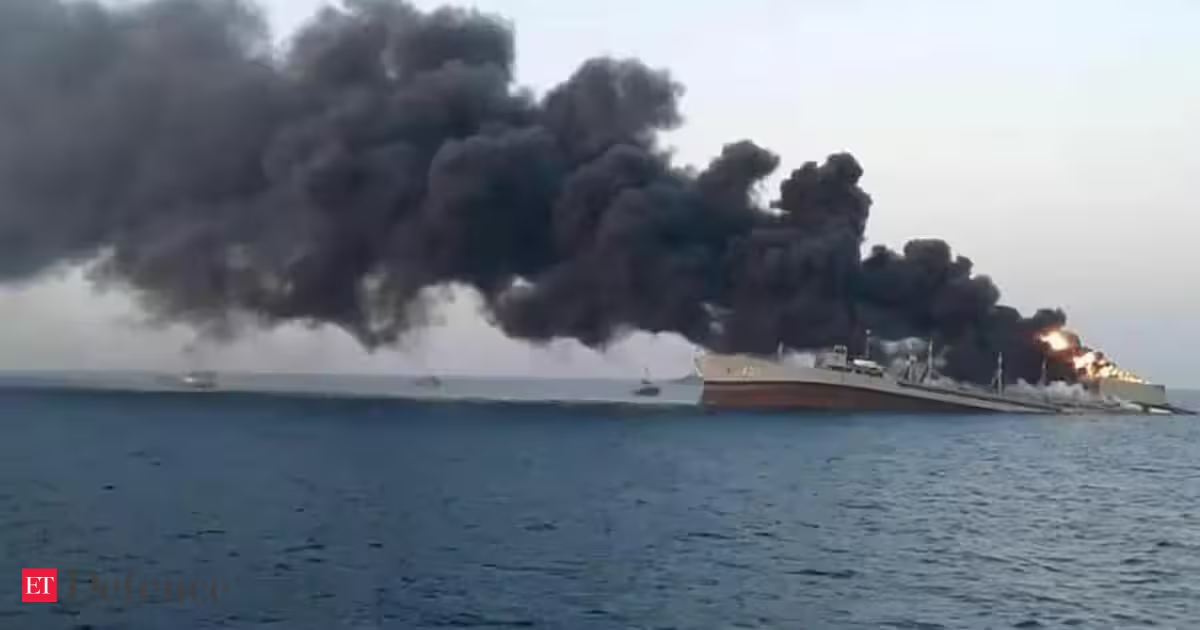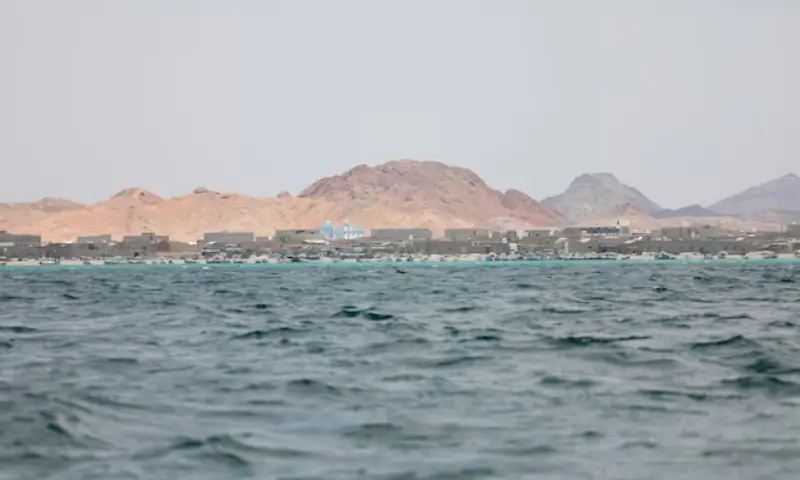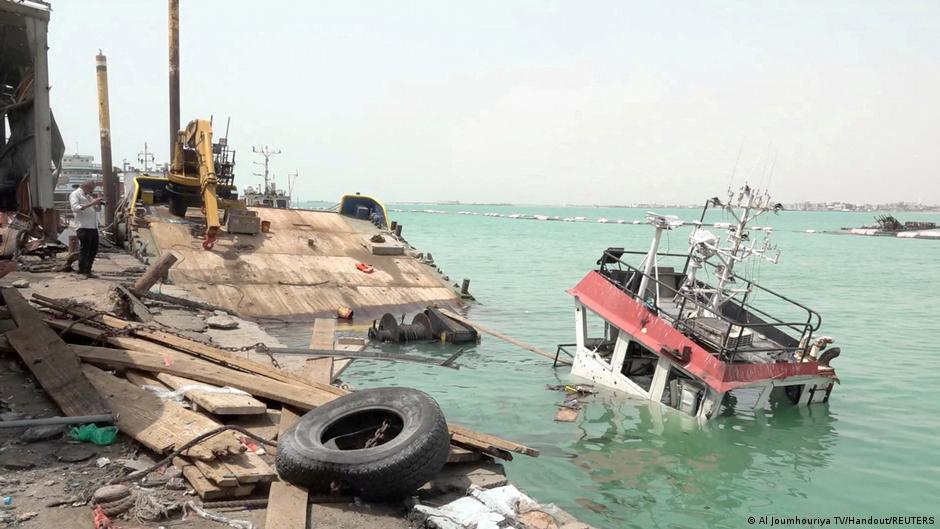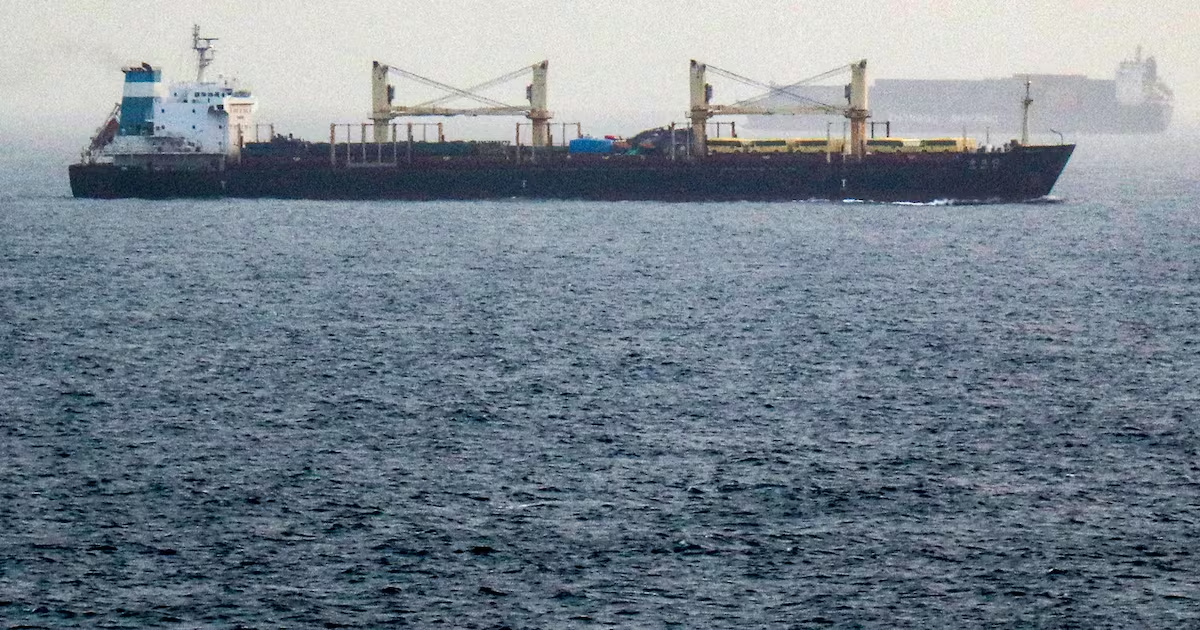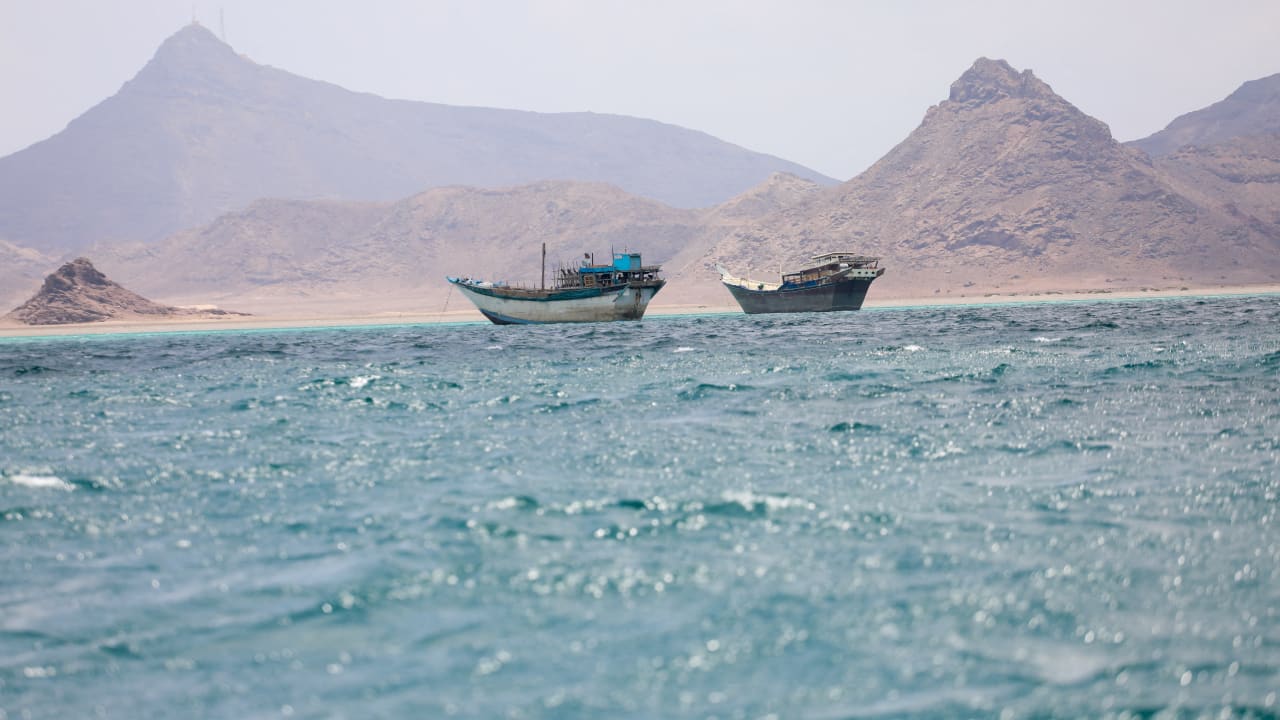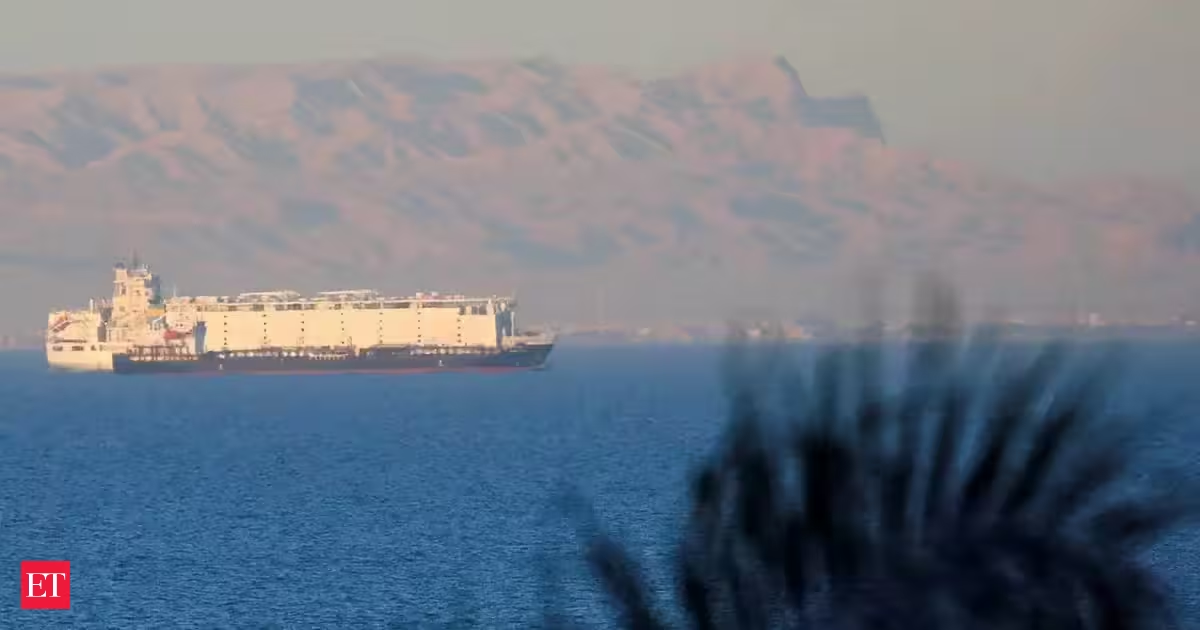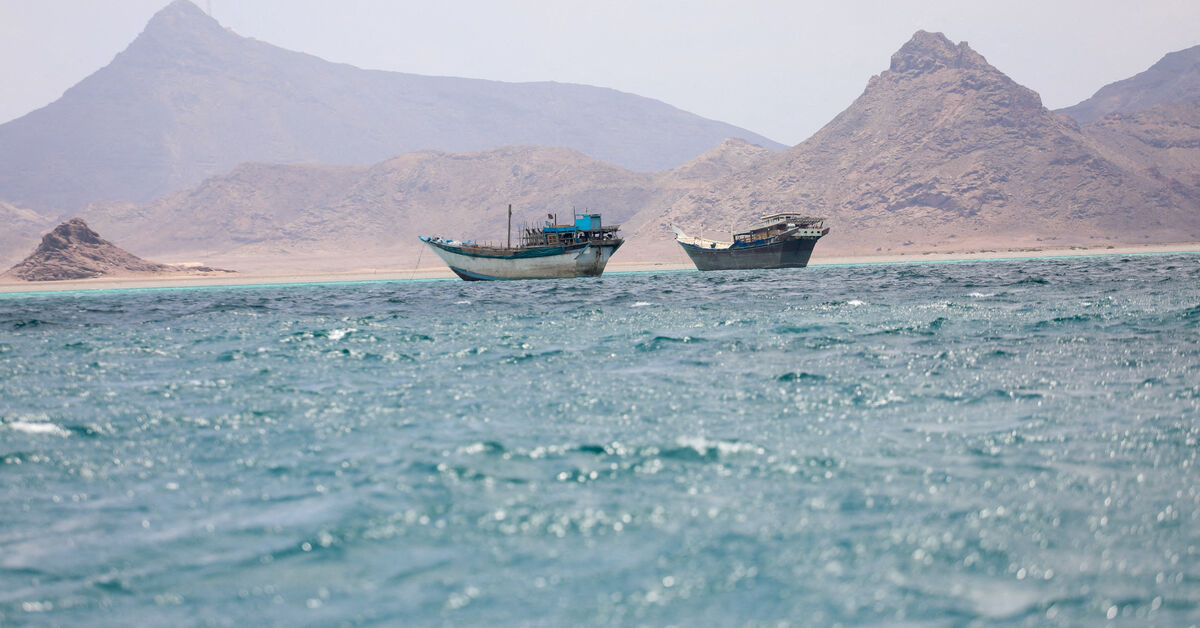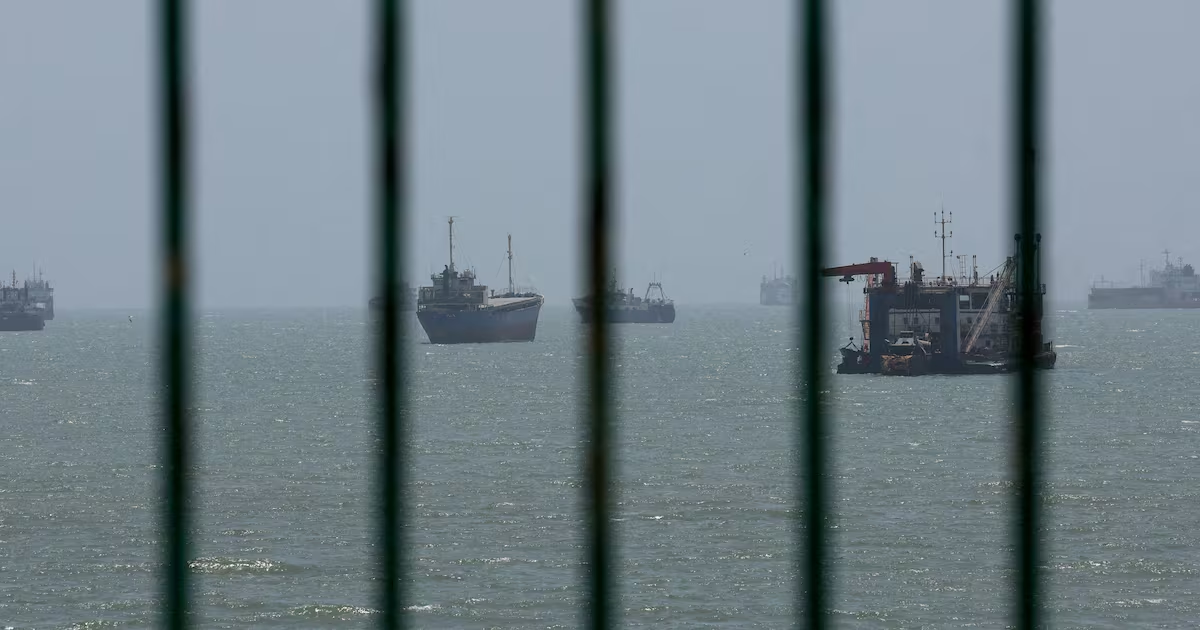
Ship traffic across the Bab Al Mandeb strait plunged on Thursday after the Houthis seized the key port city of Mokha on Yemen’s west coast, while the number of vessels in the Strait of Hormuz also remains low after renewed attacks.Only six vessels crossed the Bab Al Mandeb as of 3.14pm UAE time, down from 30 on Wednesday, 26 on Tuesday and 29 on Monday, preliminary data from Kpler shows. Of those six, five exited the Red Sea carrying grain, crude, coal and fertiliser, while one entered.Iran-backed Houthi militants further expanded their control of the Red Sea area and Bab Al Mandeb shipping route after taking Mokha after days of fighting against pro-government forces.The Yemen-based group previously announced a “maritime embargo” against Saudi Arabia and has been attacking ships carrying Opec members' crude.The strait is critical for the export of crude from Saudi Arabia to Asian markets. The Saudis have been rerouting tankers through the Mediterranean following a spate of Houthi attacks.Meanwhile, only two ships transited the Strait of Hormuz on Thursday, Kpler said. Vessel transits across the strait fell to their lowest level for the month on Wednesday, as the US and Iran traded attacks on ships. Only nine commodity vessels transited the channel, down from 12 on Tuesday and 20 on Monday, preliminary data from Kpler found. Of the nine, six exited Gulf waters while the others sailed in the opposite direction. Most ships went dark by switching off transponders so they cannot be detected. Among the ships to exit the Gulf on Wednesday were two very large crude carriers each with about two million barrels of crude. Their destinations were not known. One fertiliser-laden vessel also exited the Gulf.The latest data comes as the US and Iran intensify attacks on tankers in the Arabian Gulf, with US Central Command revealing on Wednesday that it “destroyed five Iranian crude oil carriers”.Iran's Islamic Revolutionary Guard Corps, meanwhile, said it inflicted “extensive damage” to two US warships, eight oil tankers and 10 other vessels, without providing details.The latest escalation between the two sides has caused oil prices to surge past $100 per barrel for the first time since July over concerns pertaining to the flow of oil from the Strait of Hormuz.Brent, the benchmark for two thirds of the world's oil, was trading 2.55 per cent higher at $103.80 per barrel at 4:15pm UAE time on Thursday, with WTI up nearly 3 per cent at $98.89 per barrel.The waterway used to transport more than 20 million barrels of oil per day before the war broke out in February, with more than 100 ships crossing every day. Current estimates are around 10 million bpd.“Over the past week, US forces struck more tankers in the Arabian Gulf and the Strait of Hormuz than in the previous four months combined,” said Valentin d'Hauthuille, Middle East Analyst at Acled, a non-profit group specialising in conflict data.Play00:30Tanker burns in Strait of Hormuz after Iranian attack“Since September 1, US forces have attacked 10 tankers. That compares with 12 vessels attacked sporadically over the previous four months.”The latest attacks were sparked by a new “tanker-for-tanker” policy devised by US President Donald Trump's administration, which is purportedly aimed at deterring Iranian attacks on ships carrying oil.The International Maritime Organisation's latest list, updated on September 8, records 73 confirmed vessel attacks since the conflict began, with 21 seafarer deaths.Asked whether the number of attacks on ships on Wednesday was a daily record, Ana Subasic, trade risk analyst at Kpler, said the previous highest single-day count was five on March 11. “So, yesterday could ultimately exceed that but it is too early to say on a confirmed basis,” she said.There are currently 514 commercial vessels stuck in the Arabian Gulf as of Thursday, according to Kpler analysis.
Bab Al Mandeb and Hormuz ship transits plunge as war intensifies | The National
Houthi militants seize key Red Sea port city in Yemen near shipping route
627 words~3 min read