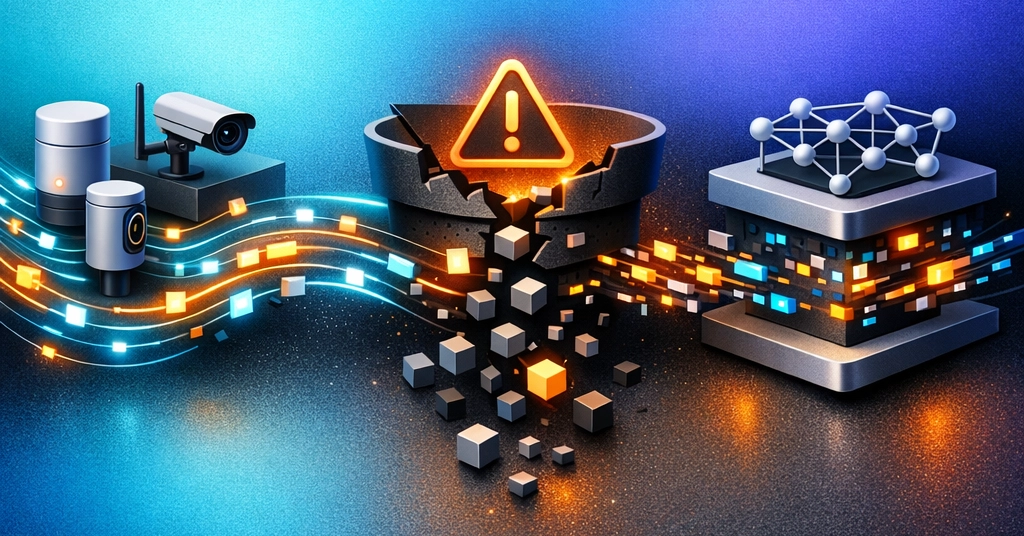
When I first started working with IoT data feeds from over 2,500 devices, I thought we were about to significantly improve our predictive models. But, as it turned out, the data often fails before it even gets close to powering any machine learning processes. I noticed this firsthand, juggling between my environment in Kenya,where connectivity can be as erratic as the weather,and the practicalities of working with budget hardware.
Sensor drift and calibration issues
One of the main problems with IoT data quality is sensor drift. Over time, sensors deviate from their initial calibrated states, leading to inaccurate data. In an ideal lab, constant recalibration is an option, but with devices spread across different terrains in Kenya, recalibrating each one is logistically challenging.
For example, we had air quality sensors in Nairobi that were reporting wildly fluctuating data. It turned out that the sensors misbehaved due to daily temperature changes. Although we fixed it with calibration updates via OTA firmware pushes, identifying the root cause took weeks. It emphasized the importance of routinely checking calibration across all devices.
Garbage data and connectivity problems