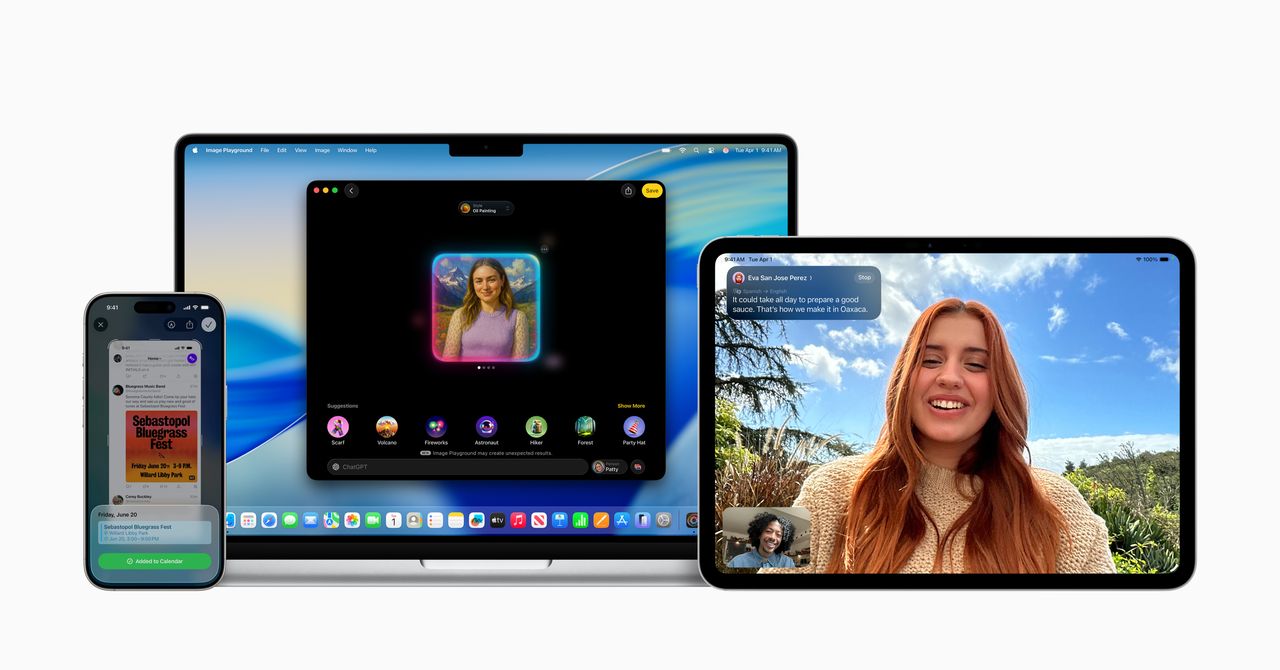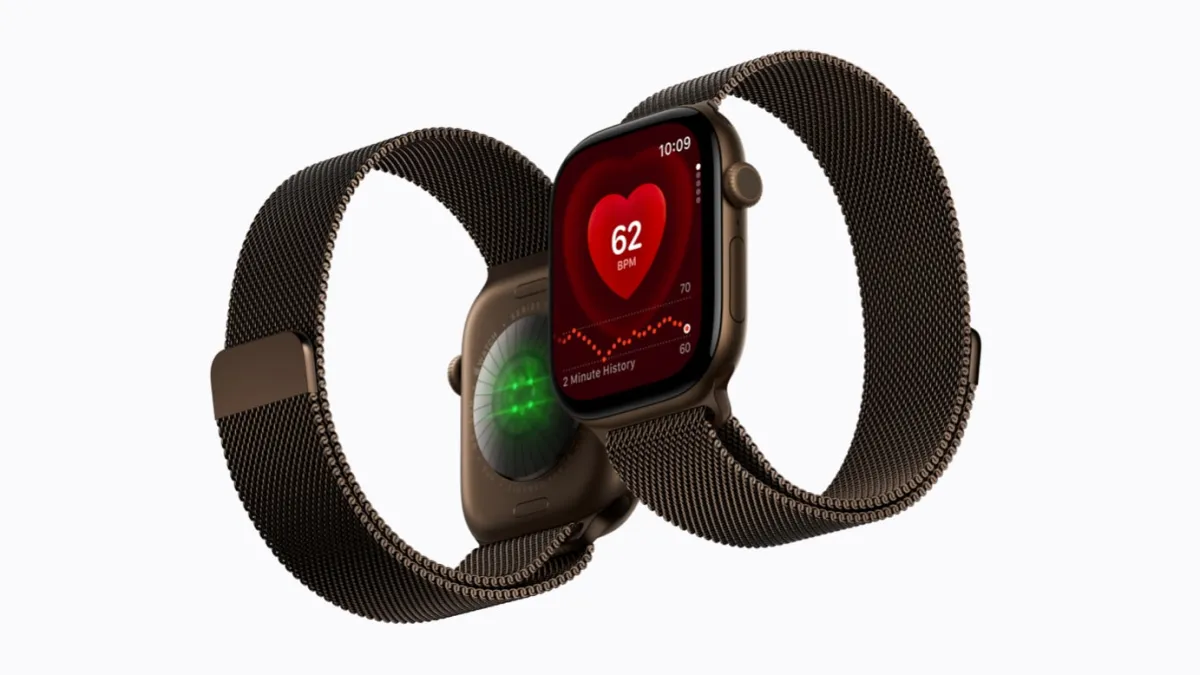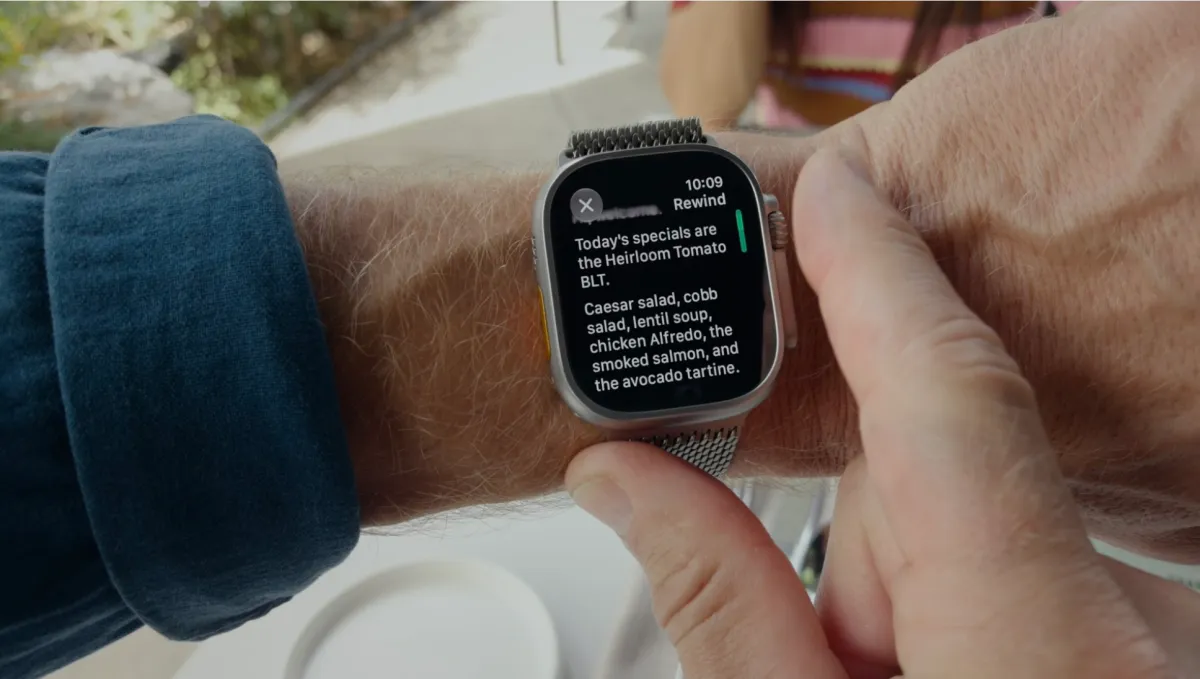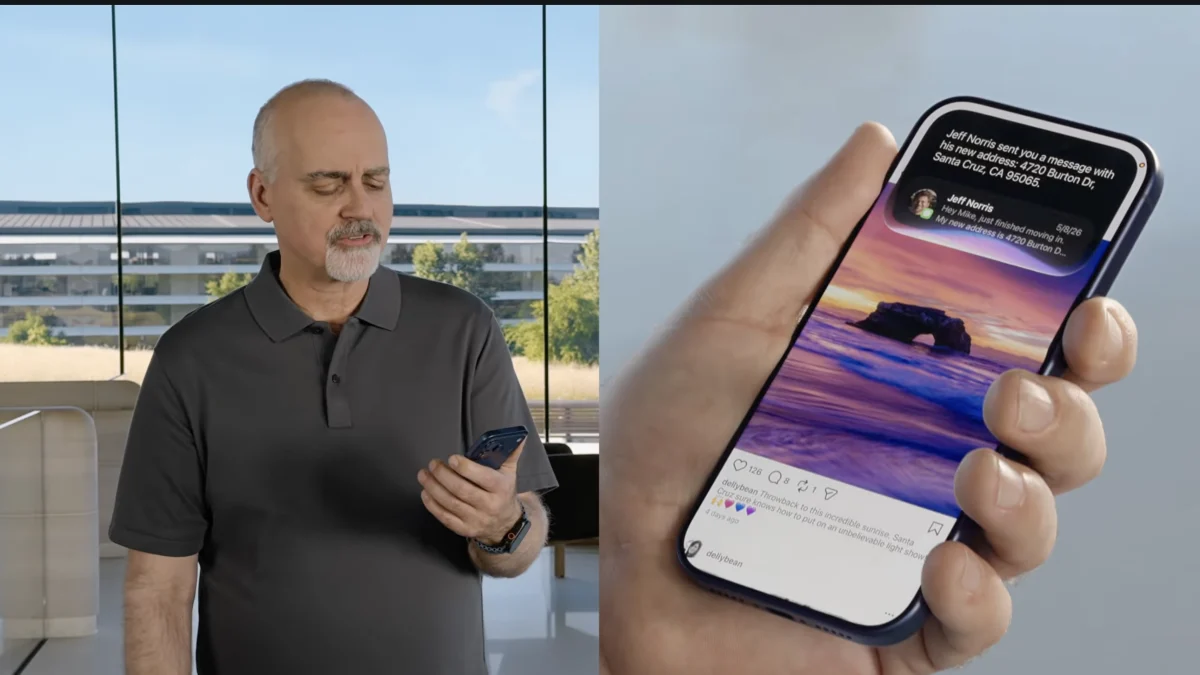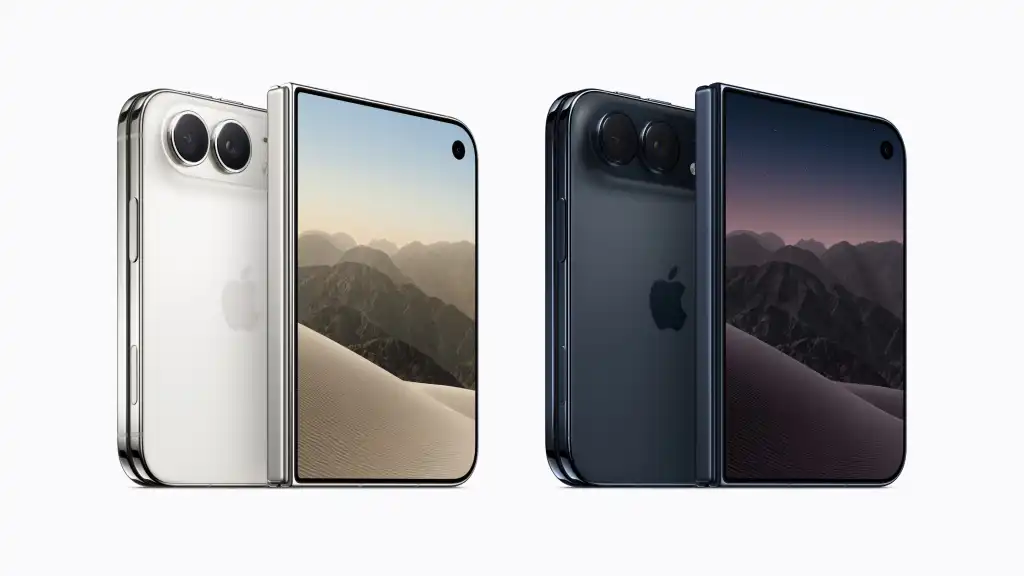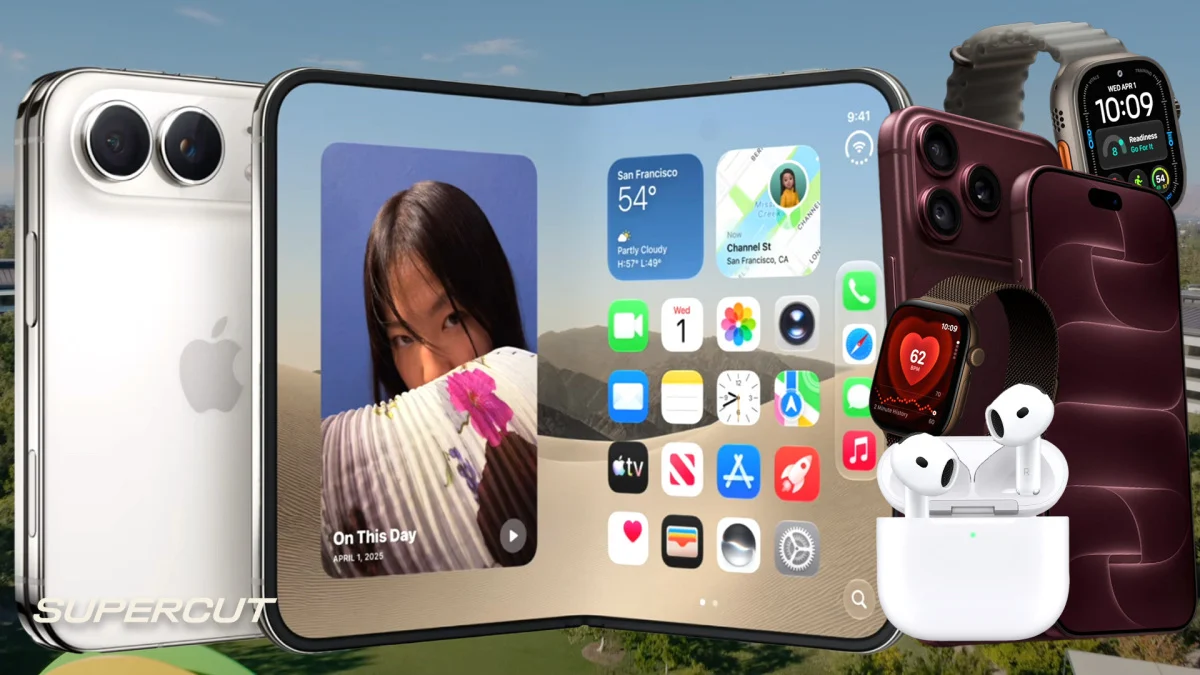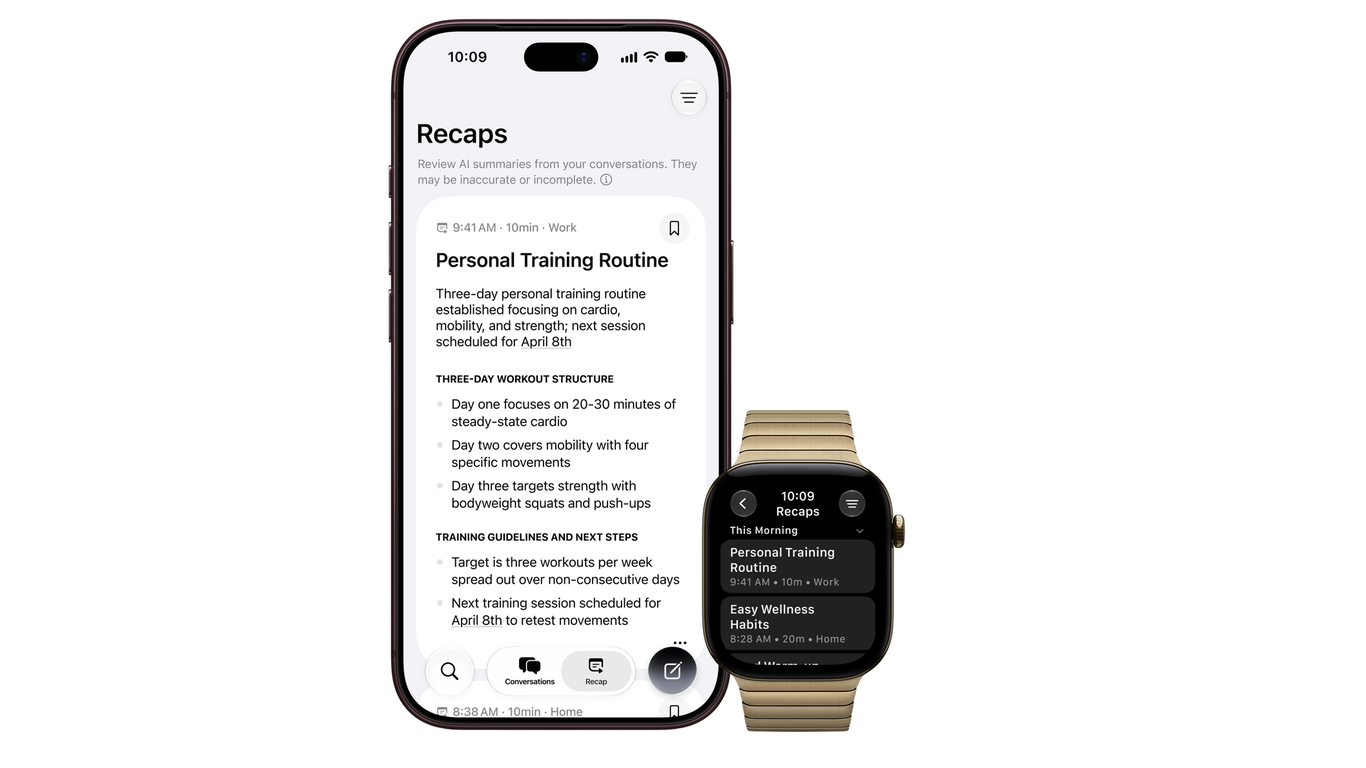
The iPhone Duo got all the attention, but Apple also used Wednesday's event to debut Apple Watch and iPhone features that could put its mark on the AI era.Why it matters: Apple is aiming to show it can be more private and useful, even as it plays catch-up to the state of the art in AI.Catch up quick: Apple's event was largely focused on hardware, from the $1,999 foldable iPhone Duo to the iPhone 18 Max to new Apple Watches and AirPods.Most of the products will ship on Sept. 18, but the Duo isn't coming until October.The most notable thing on the traditional phone front might have been the lack of a new base-level iPhone. Instead, Apple is keeping the iPhone 17, iPhone 17e and iPhone Air around, albeit with some price hikes to account for higher component costs.Zoom in: Apple spent a significant amount of time between and around the hardware announcements to talk about Apple Intelligence, the revamped Siri and other AI features.Live Rewind allows you to quickly catch up on or revisit what was just said by showing a text snippet on your Apple Watch.Siri Recap takes notes on your conversations throughout the day and creates high-level Apple Intelligence-generated summaries. You can stay present in the moment and use the summaries later to jog your memory. Your summaries auto-delete from your watch after seven days if you choose not to save them.Sound Recognition alerts Apple Watch wearers to specific sounds, such as a doorbell or siren. These notifications are particularly useful for those who are deaf or hard of hearing.Between the lines: In an era where plenty of tech companies are offering AI transcription gadgets that record entire conversations, Apple is making the case for a different approach.Rather than store recorded audio, Apple is transcribing what its microphones pick up, and providing certain highlights back to the user without attribution to specific speakers. Highlights can be the just-recorded 15 seconds or a daily recap.IDC group VP Tom Mainelli said in a statement that Apple is "attempting to walk a fine line between always-listening ambient AI computing and its desire to respect [the] user's privacy."Separately, Apple debuted Apple Reference Image — a feature in the iPhone 18 Pro that records verifiable proof that an image hasn't been altered (by AI or otherwise).When a photo is taken in the new "reference mode," the iPhone camera captures signed sensor data that is turned into an unalterable reference image, akin to a digital negative.What they're saying: Hany Farid, a longtime expert in deepfakes and computational photography, told Axios that the Apple Reference Image approach will take time to result in significant adoption because people both need new hardware and to choose to take a photo that includes the added data.At the same time, he said Apple's efforts could help spur further work in the field."The symbolism of a company like Apple tackling the problem of trust in the visual record is significant," Farid said. "The problem of fake content is no longer a minor issue when one of the largest tech companies in the world decides to get into the game."
Apple adds new AI features to latest iPhone, watch
The company aims to offer some of the benefits of AI without adopting an always-recording system.
TL;DRAI
Apple unveiled Apple Intelligence with on-device Siri, Live Rewind, and Reference Image, emphasizing privacy over always-listening AI. The approach targets compliance-conscious enterprises and consumers, differentiating Apple's AI strategy around deepfake prevention and trust.
520 words~2 min read