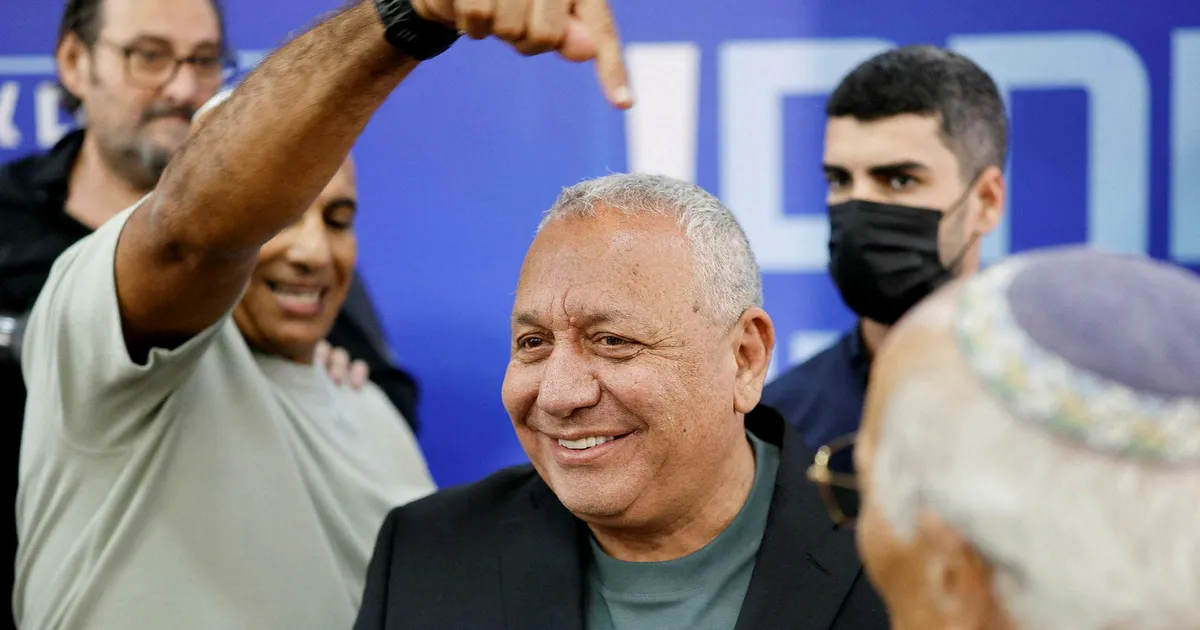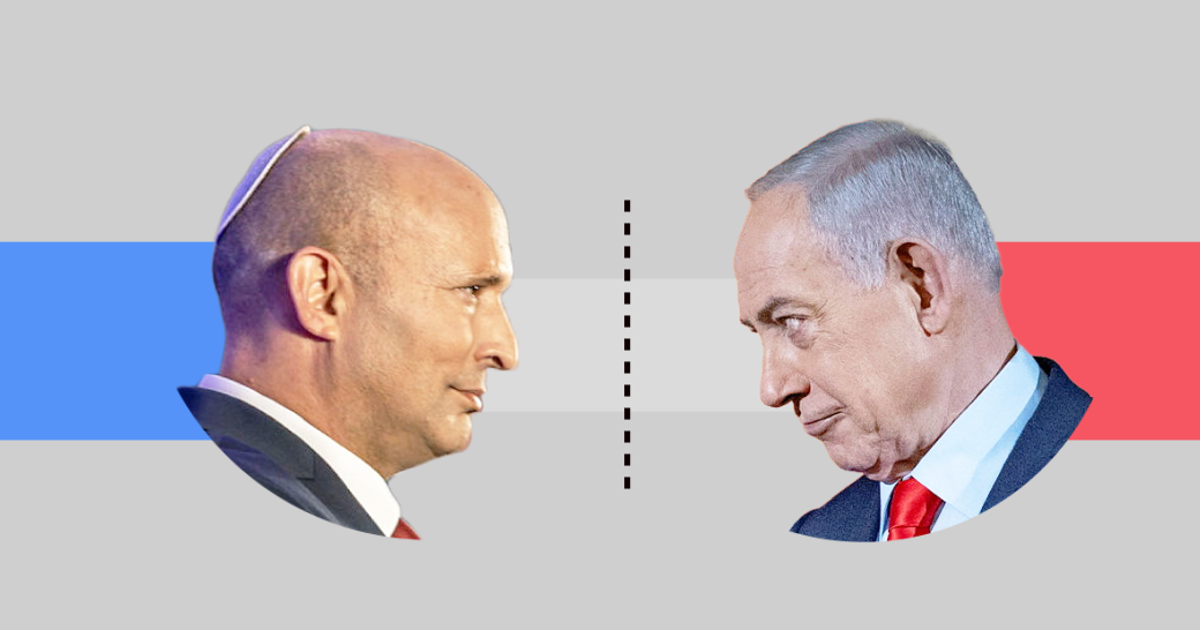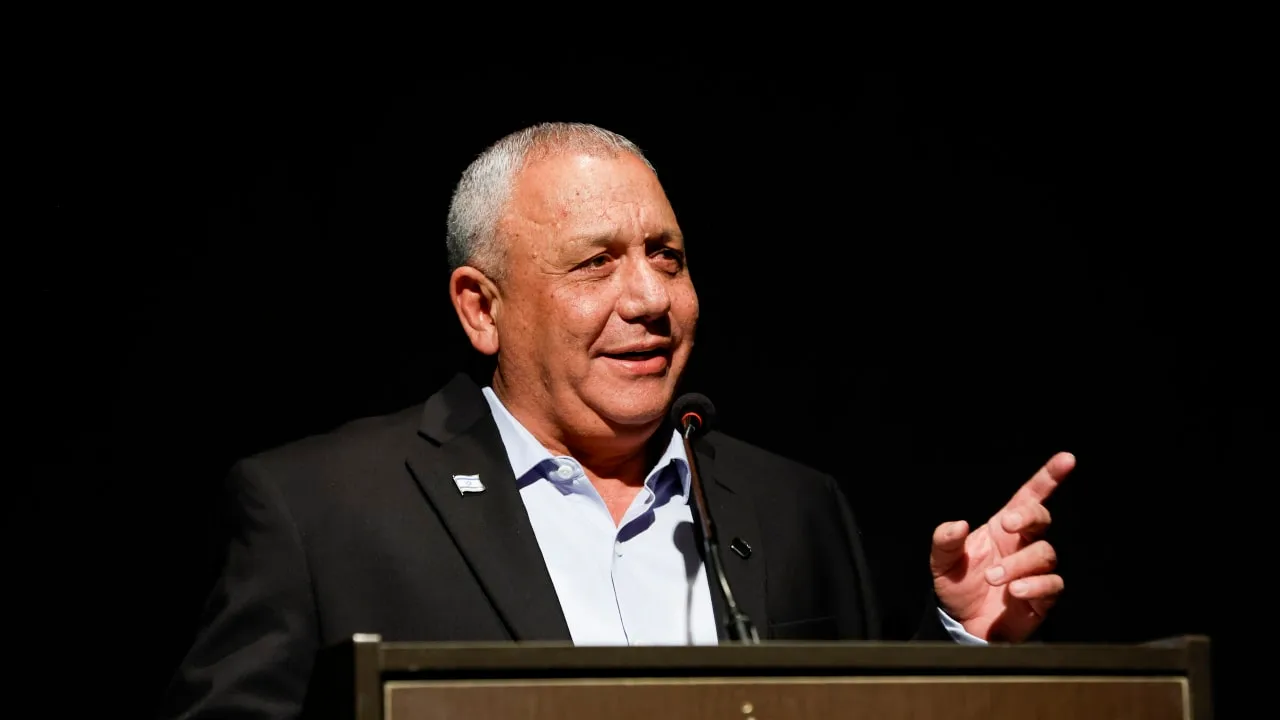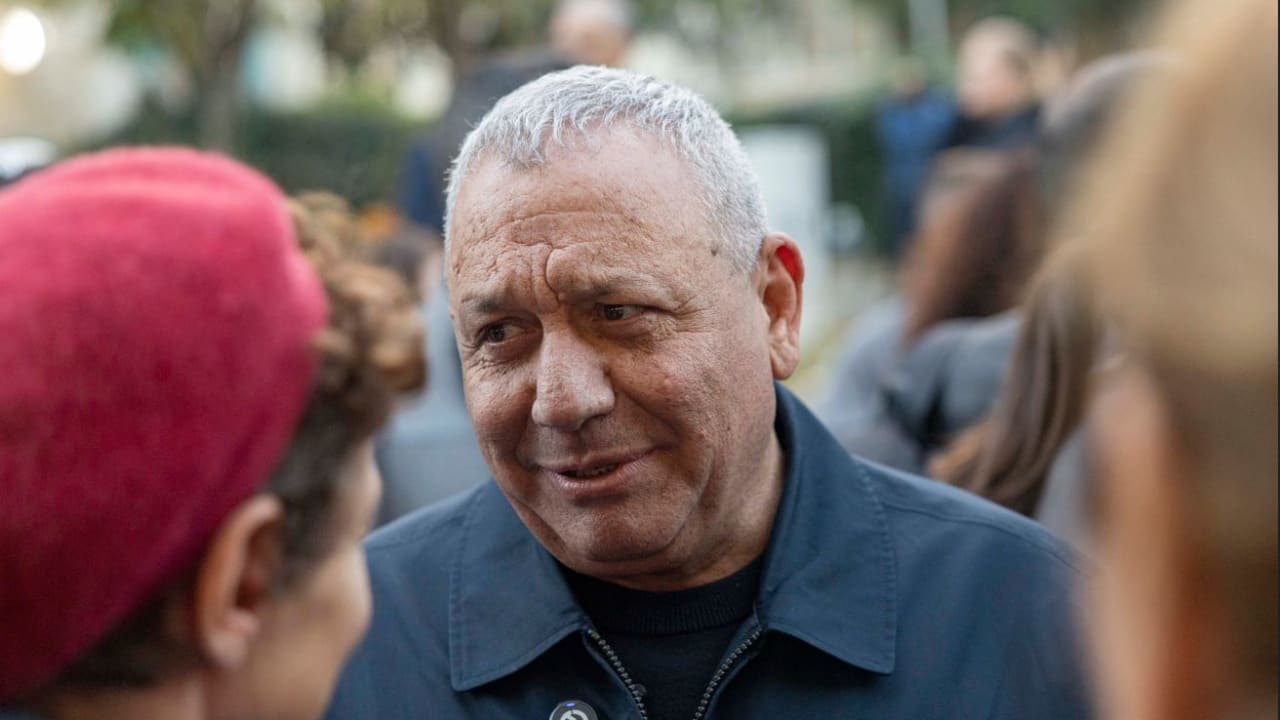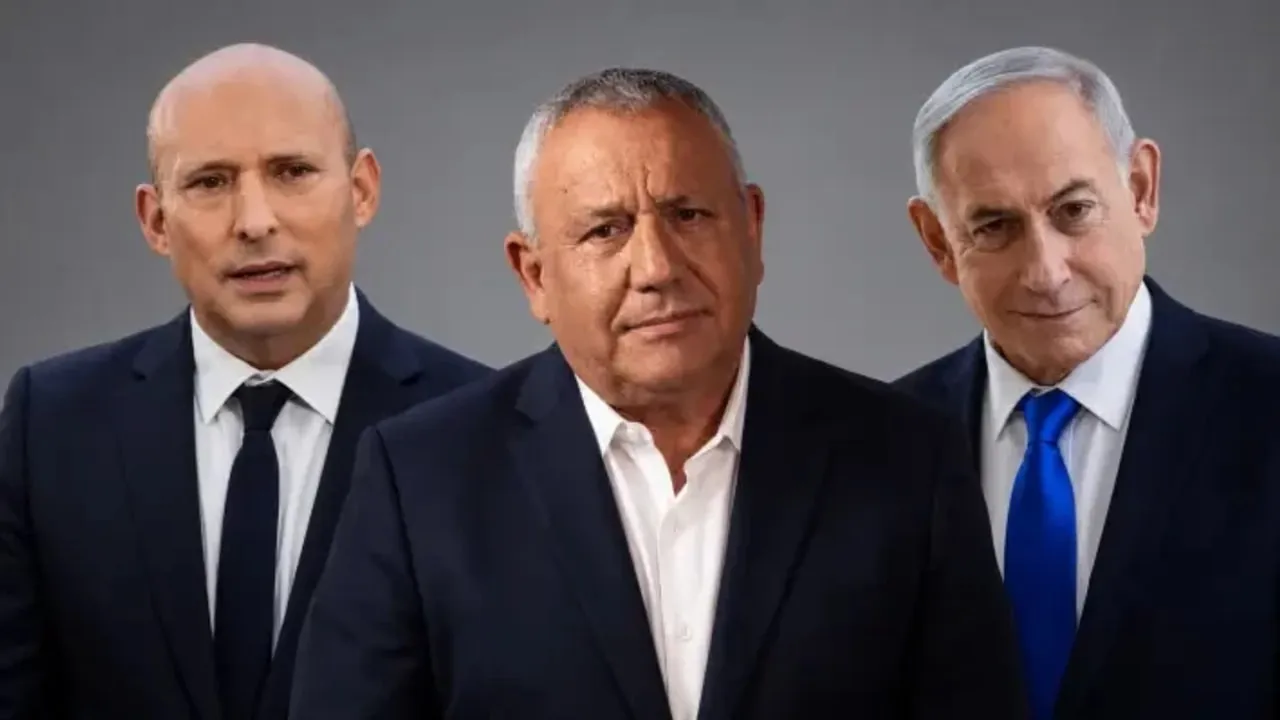
ByMAARIVSEPTEMBER 10, 2026 16:30Less than 24 hours after the closing of the Knesset 2026 party lists, five polls published Wednesday night presented a highly fragmented political picture.In four of them, Gadi Eisenkot’s Yashar party is the largest party, while in an i24NEWS poll, the Likud surged into first place by a significant margin.Ofer Winter’s party crosses the electoral threshold in all five polls, while Yoaz Hendel and Yaron Zelekha’s party crosses only in the KAN News poll.The bloc map also remains unclear: Two polls show a tie, while in the others the Zionist opposition bloc maintains an advantage, except for the i24NEWS poll, in which Prime Minister Benjamin Netanyahu’s bloc strengthens significantly.i24NEWS: Likud leads with 27 seatsThe most notable poll of the evening was conducted by i24NEWS and Direct Polls. Unlike all the other surveys, the Likud led by Netanyahu was in first place with 27 seats, while Eisenkot’s Yashar received only 22. Naftali Bennett’s B’Yachad fell to 10 seats, the Democrats received 9, United Torah Judaism and Otzma Yehudit received 8 each, and the Joint List, Yisrael Beytenu, and Shas received 7 seats each. Religious Zionism and Zehut received 6 seats, Ra’am received 5, and Ofer Winter’s People of Israel received 4. The Reservists and Economic party of Hendel and Zelekha was far below the threshold with 1.4%, while Blue and White received 1.1%.Prime Minister Benjamin Netanyahu and his wife Sara cast their vote during the elections for the Likud Central Committee, at the International Convention Center in Jerusalem, November 25, 2025 (credit: CHAIM GOLDBERG/FLASH90)Based on the seat distribution, Netanyahu’s bloc together with Winter would receive 60 seats, the Zionist opposition bloc would receive 48, and the Arab parties would receive 12.Channel 13: Netanyahu, Zionist opposition tie at 53 seatsThe Channel 13 News poll presented a completely different picture: Eisenkot received 22 seats, while Netanyahu’s Likud fell to 19. Bennett received 13 seats, Shas 7, and Winter 4. Hendel and Zelekha received 3.2% and remained below the electoral threshold. Benny Gantz’s Blue and White and the Haredi Public party also failed to enter the Knesset.The bloc map showed a complete tie: 53 seats for Netanyahu’s bloc and 53 for the Zionist opposition bloc, with the Arab parties holding the remaining 14 seats.KAN News: No clear winner, Hendel and Zelekha cross thresholdThe first KAN News poll following the closing of the party lists also showed no clear winner between the blocs. Yashar strengthened by one seat and reached 24, while the Likud rose to 21. Bennett’s B’Yachad received 12, the Democrats 9, United Torah Judaism 8, and Otzma Yehudit, Yisrael Beytenu, and Shas received 7 each.Religious Zionism and Zehut received 5 seats, Winter’s People of Israel received 4, and here came the significant difference compared with most of the other polls: Hendel and Zelekha’s Reservists and Economic list crossed the threshold and received 4 seats.The Joint List received 7 seats, and Ra’am received 5. Blue and White, the Haredi Public party, and Noam remained outside the Knesset. The bloc map: 52 seats for Eisenkot’s bloc, 52 for Netanyahu’s bloc, 12 for the Arab parties, and 4 for Hendel and Zelekha.Channel 12: Eisenkot's Yashar leads with 25 seatsIn the Channel 12 poll, Yashar maintained first place with 25 seats, while the Likud received 21. Bennett received 13, the Democrats 10, and Yisrael Beytenu 9.United Torah Judaism received 8 seats, the Joint List and Shas received 7 each, Religious Zionism and Zehut received 5 each, and Winter’s People of Israel strengthened to 5 seats. Ra’am closed the list with 4 seats.Hendel and Zelekha remained below the threshold with 2.9%, Blue and White received 1.4%, and the Haredi Public party received 1%.In the bloc map, the current coalition together with Winter received 52 seats, the Zionist opposition bloc received 57, and the Arab parties received 11.Walla: Netanyahu bloc, with Winter, at 51 seatsThe Walla poll by Lazar Research also placed Eisenkot in first place with 25 seats. The Likud received 21, Bennett’s B’Yachad 14, and Yisrael Beytenu and the Democrats 9 each. Otzma Yehudit, United Torah Judaism, the Joint List, and Shas received 7 seats each. Religious Zionism and Zehut received 5 each, Ra’am received 5, and Winter’s People of Israel received 4.Hendel and Zelekha received 2.8% and did not cross the threshold, while Blue and White fell to 0.9%. As a result, Netanyahu’s bloc together with Winter stood at 51 seats, the Zionist opposition bloc at 57, and the Arab parties at 12. The poll was conducted the morning after the closing of the lists among 506 respondents, out of 3,603 people contacted, with a maximum sampling error of 4.4%.Yashar leads poll average, ahead of Likud by nearly two seatsWhen averaging the five polls published Wednesday night, Eisenkot’s Yashar leads with an average of 23.6 seats, ahead of Netanyahu’s Likud with 21.8. In third place is Bennett’s B’Yachad with 12.4 seats, followed by the Democrats with 9.4 and Yisrael Beytenu with 8. United Torah Judaism receives an average of 7.8 seats, Otzma Yehudit 7.4, the Joint List 7.2, and Shas 7. At the bottom of the list are Religious Zionism and Zehut with 5.4 each, Ra’am with 5, and Winter’s People of Israel with 4.2 seats.A clear picture also emerges among parties below the threshold: Hendel and Zelekha’s Reservists and the Economic party stand at an average of about 2.7% across the five polls, although it crosses the threshold in the KAN News poll and receives 4 seats. Gantz’s Blue and White remains far behind with an average of about 1.1%. The Haredi Public party receives an average of about 0.8%, and Noam for Israel is around 0.2%.The bloc averages also show no clear outcome: Netanyahu’s bloc, including Winter, stands at 53.6 seats, compared with 53.4 for the Zionist opposition bloc. The Arab parties receive an average of 12.2 seats, leaving a gap of only two-tenths of a seat between the two main blocs.Follow us on Google
Polls divided on 2026 election outcomes, as parties battle for supremacy | The Jerusalem Post
The bloc averages also show no clear outcome: Netanyahu’s bloc, including Winter, stands at 53.6 seats, compared with 53.4 for the Zionist opposition bloc.
985 words~4 min read