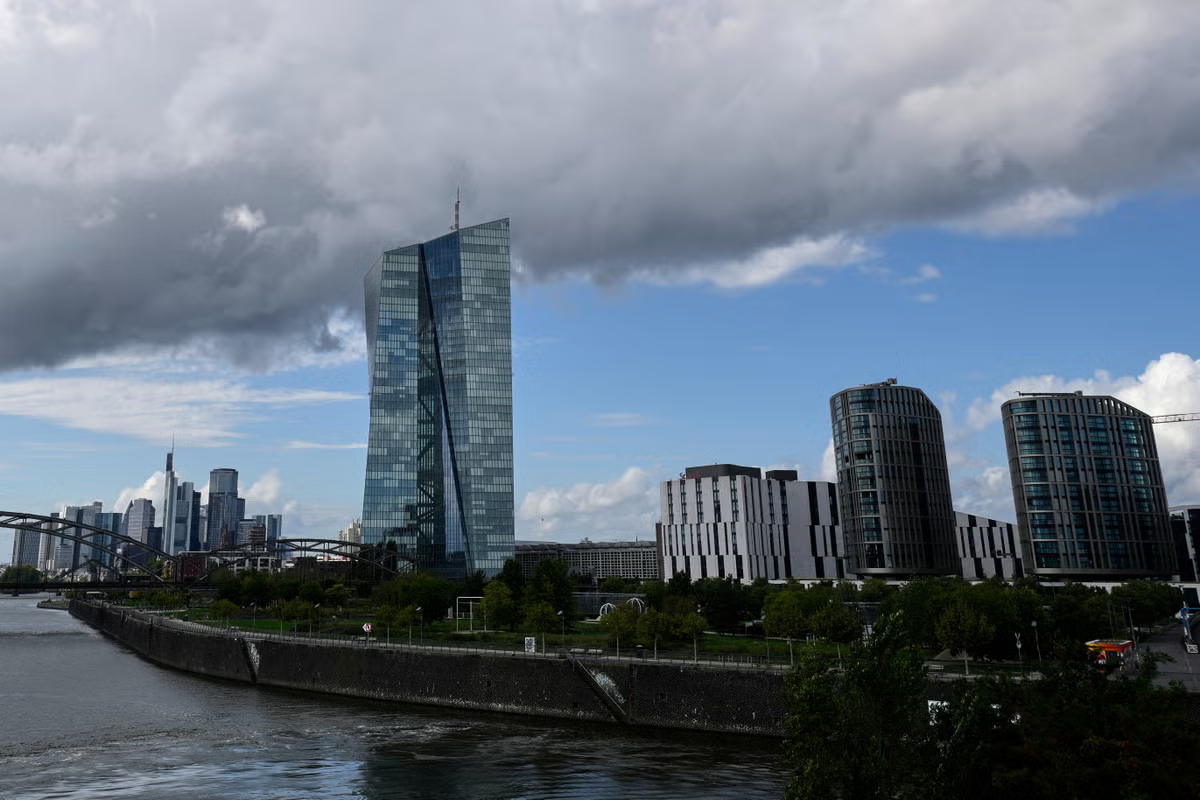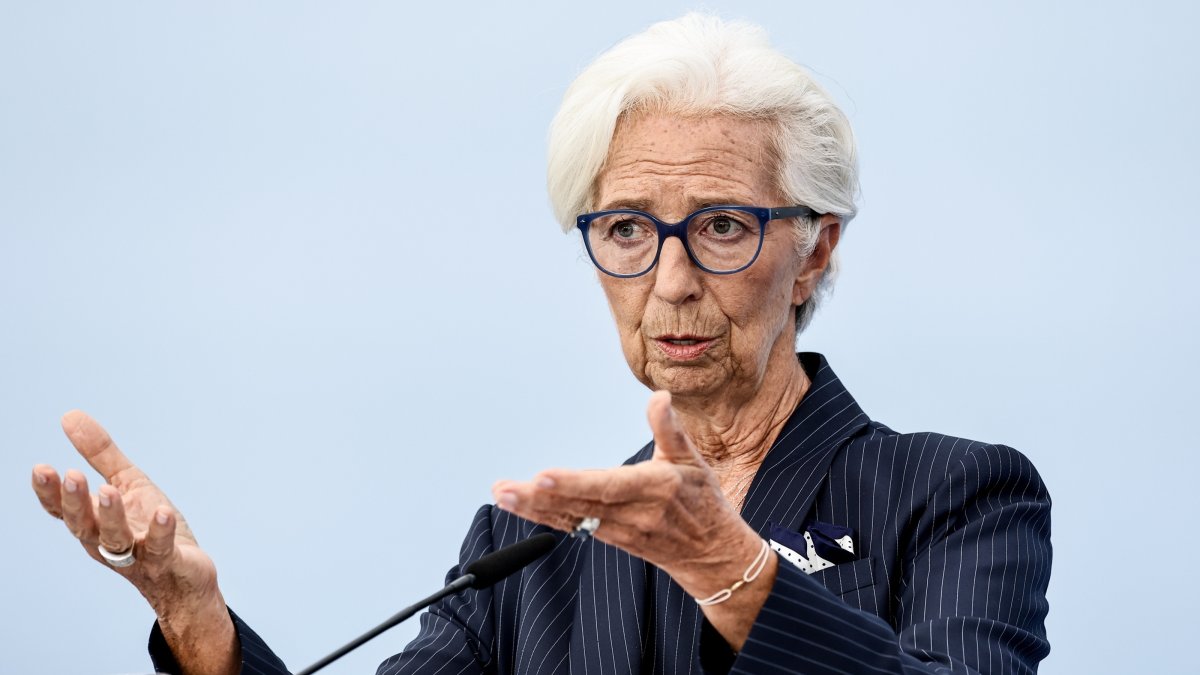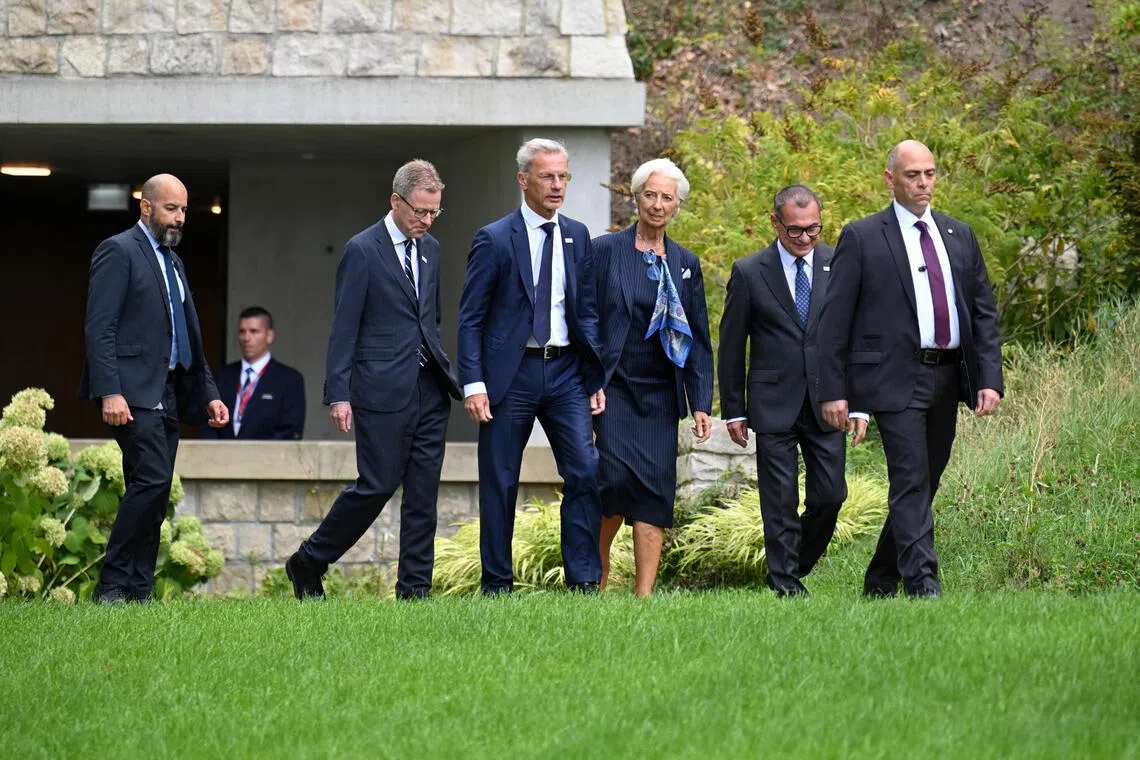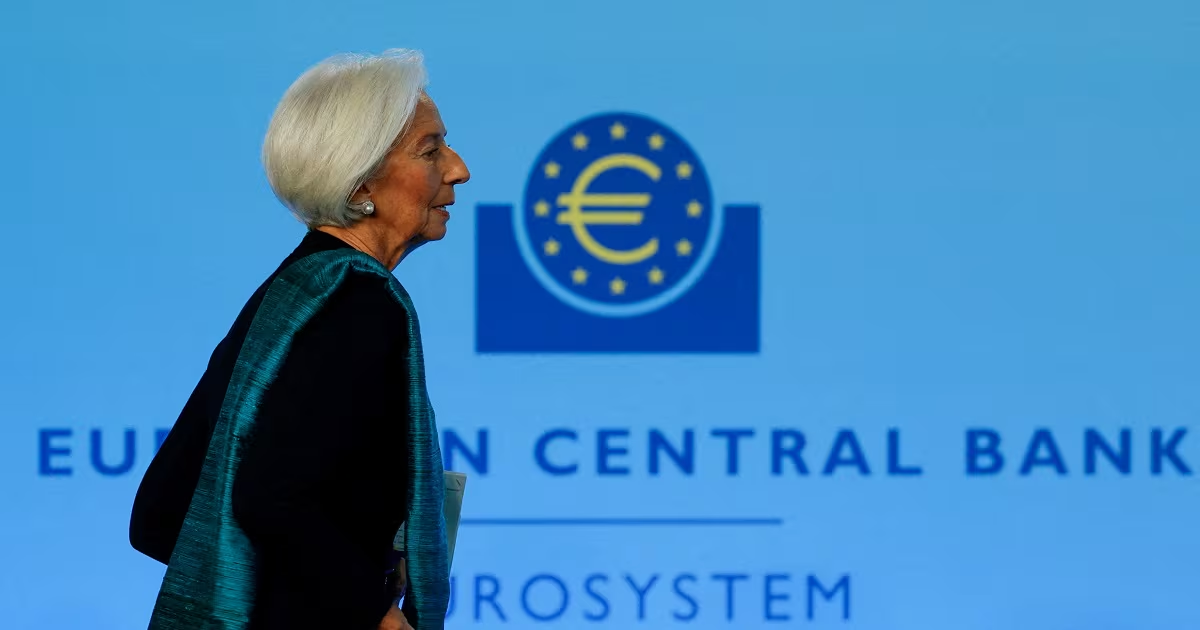
By David McHughFrankfurt — The European Central Bank (ECB) raised interest rates on Thursday to cool inflation that is being fed by high oil prices from the Iran war. The decision was supported by a stronger-than-expected economy, which suggests businesses can weather the higher borrowing costs.The central bank for the 21 eurozone countries raised its benchmark rate by a quarter of a percentage point to 2.5% at a meeting held in Berlin, away from the bank’s Frankfurt headquarters.The bank said in an accompanying statement that “the conflict in the Middle East continues to generate inflation pressures, and inflation is set to remain well above target for an extended period”.It said that the economic outlook remains “highly uncertain”.The bank last raised rates at its June 11 meeting, then hit pause at its July 23 session. Remarks by ECB president Christine Lagarde later on Thursday will be parsed by market analysts and investors for clues about whether more interest rate increases are coming.Read: MIKE DOLAN | US hyperscalers’ euro thirst — lifeblood or vampire?Inflation concerns are also weighing on the US Federal Reserve, whose rate-setters next meet on September 15-16. Fed chair Kevin Warsh has said the bank may have “more work to do” to contain US inflation of 3.7%.High energy prices are one reason eurozone inflation came in at 3.3% in August, above the bank’s target of 2%. Oil prices have risen above $100 per barrel due to lower tanker traffic through the Strait of Hormuz, which is under threat of Iranian attack. Decisions being made about borrowing costs are complicated by the fact that it is impossible to say how long the shipping restrictions and high oil prices will last.Higher rates cool inflation by making it more expensive to borrow and to buy things, from houses to new factories. That reduces demand for goods and eases pressure on prices. The ECB benchmarks affect banks first and, through them, lending rates throughout the economy.
ECB raises interest rates to beat back energy-fuelled inflation
Central bank for the 21 eurozone countries says outlook remains ‘highly uncertain’ amid Middle East conflict
323 words~1 min read