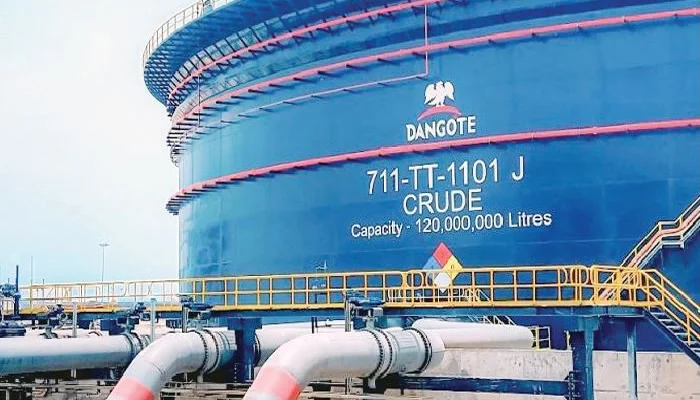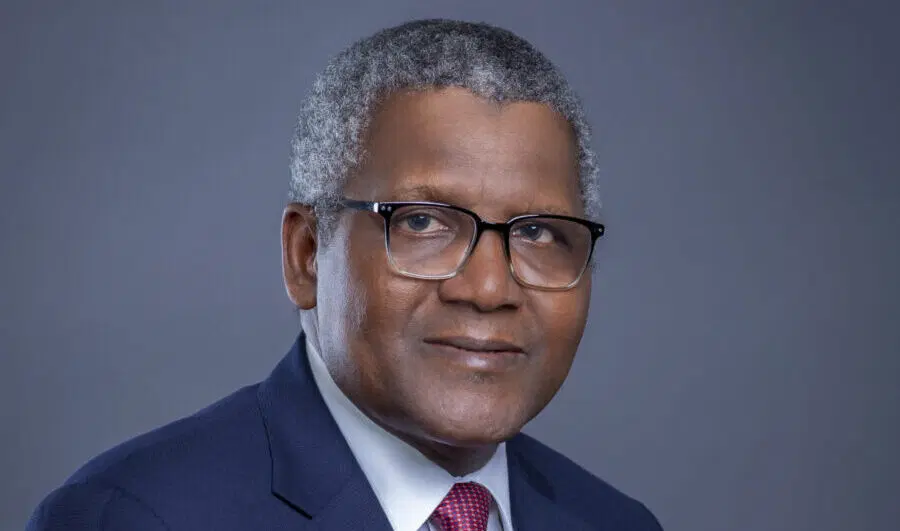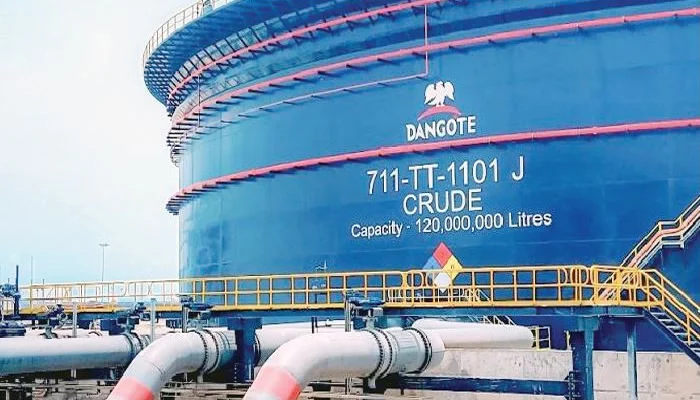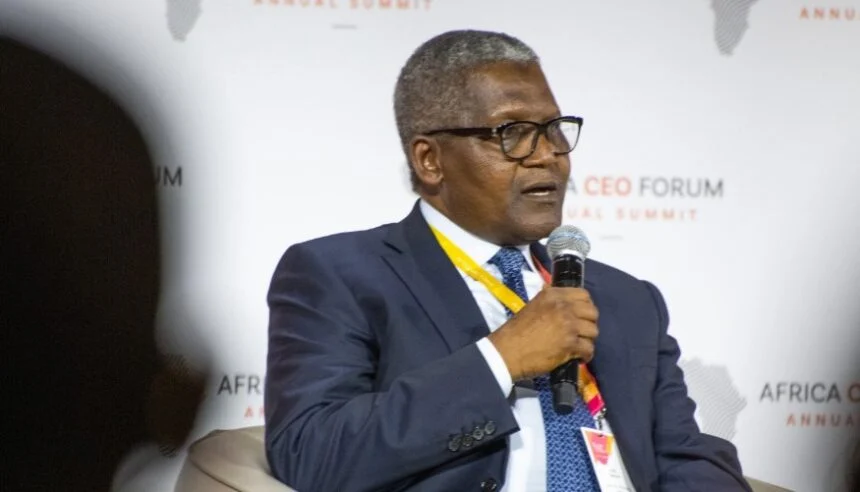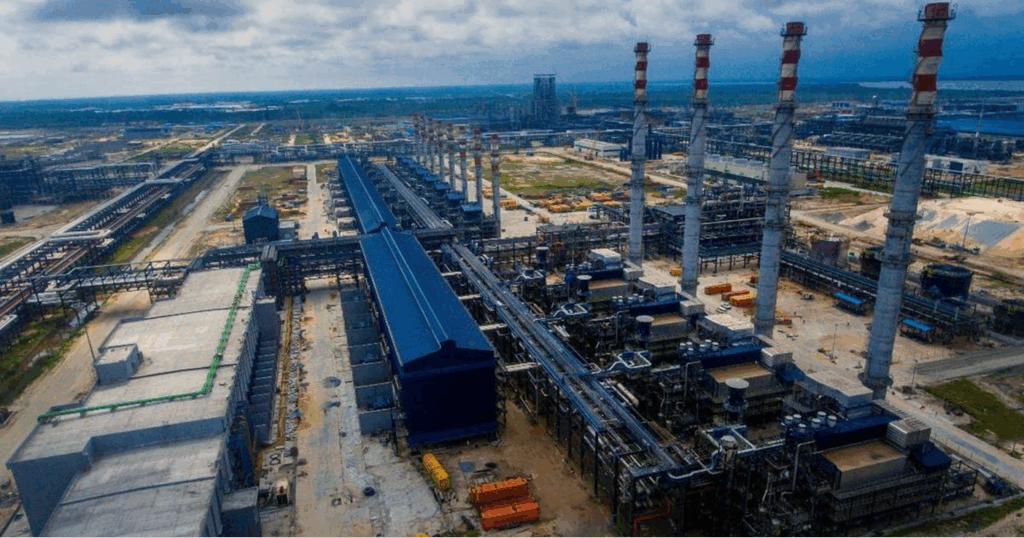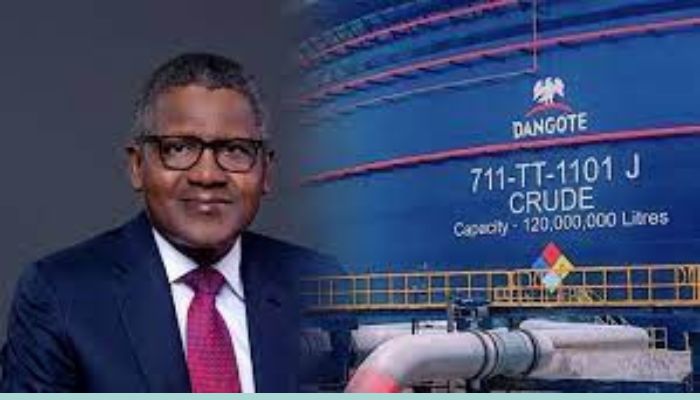
There are moments in a nation’s economic development when a corporate transaction becomes far more than a corporate event. The forthcoming Initial Public Offering of Dangote Petroleum Refinery may prove to be one of them.
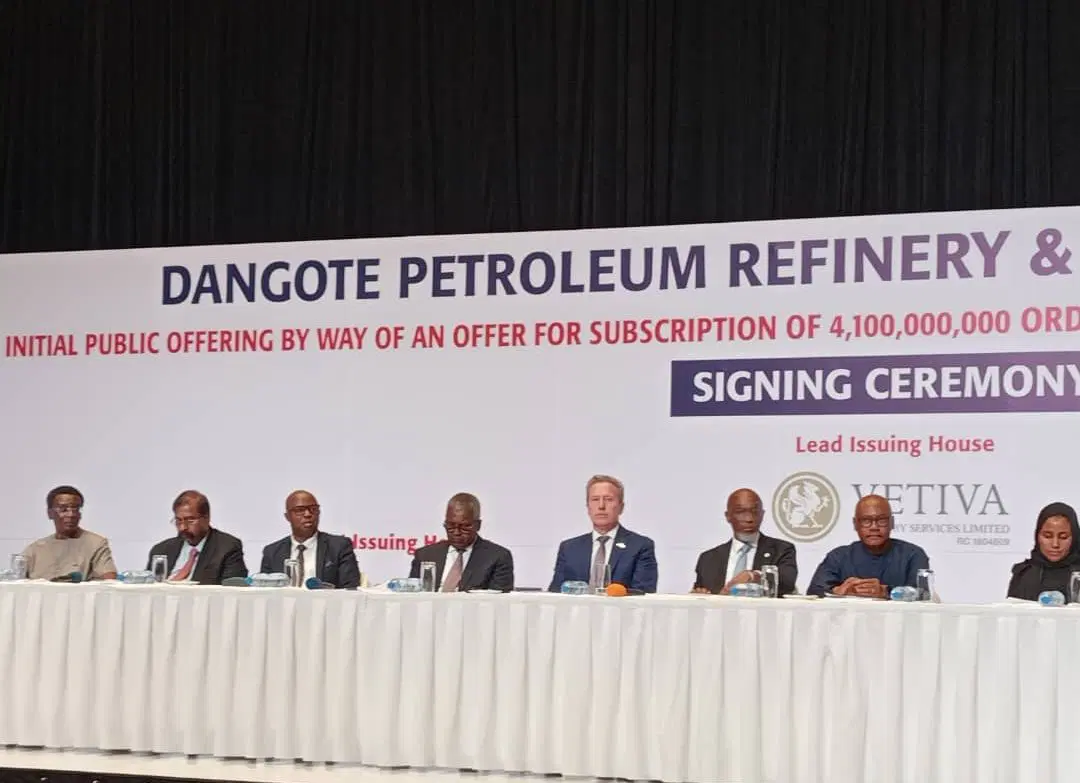
The public offer is expected to open on September 14, following regulatory approval and the completion-board signing ceremony held in Lagos on September 7. The numbers are striking. Dangote Petroleum Refinery plans to offer approximately 4.1 billion ordinary shares at ₦525 per share, potentially raising about ₦2.15 trillion. With roughly 120.13 billion existing shares registered by the Securities and Exchange Commission, the offer price implies an equity valuation in the region of $47 billion. If successful, it would rank among the most consequential capital-market transactions Africa has seen. Yet to focus only on the amount being raised is to miss the larger story.
Beyond the headline numbers, the Dangote Refinery IPO matters because it brings together four defining themes in Nigeria’s economic story: industrialisation, capital formation, energy security and broader public ownership.
For decades, Nigerians have participated in the petroleum industry mainly as consumers. We buy petrol, diesel, aviation fuel and cooking gas. We bear the consequences of crude-price swings, exchange-rate pressures, subsidy decisions and supply disruptions. Yet relatively few ordinary citizens have had the opportunity to own a direct stake in the large-scale infrastructure that underpins the industry. The Dangote IPO could change that relationship.