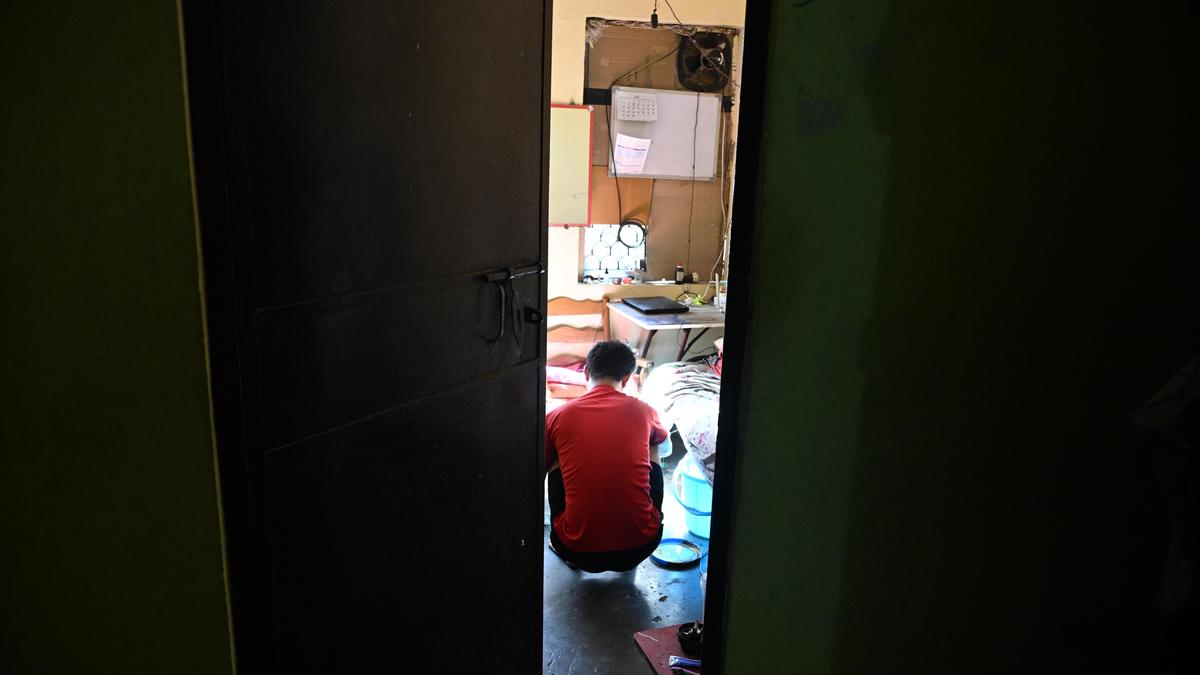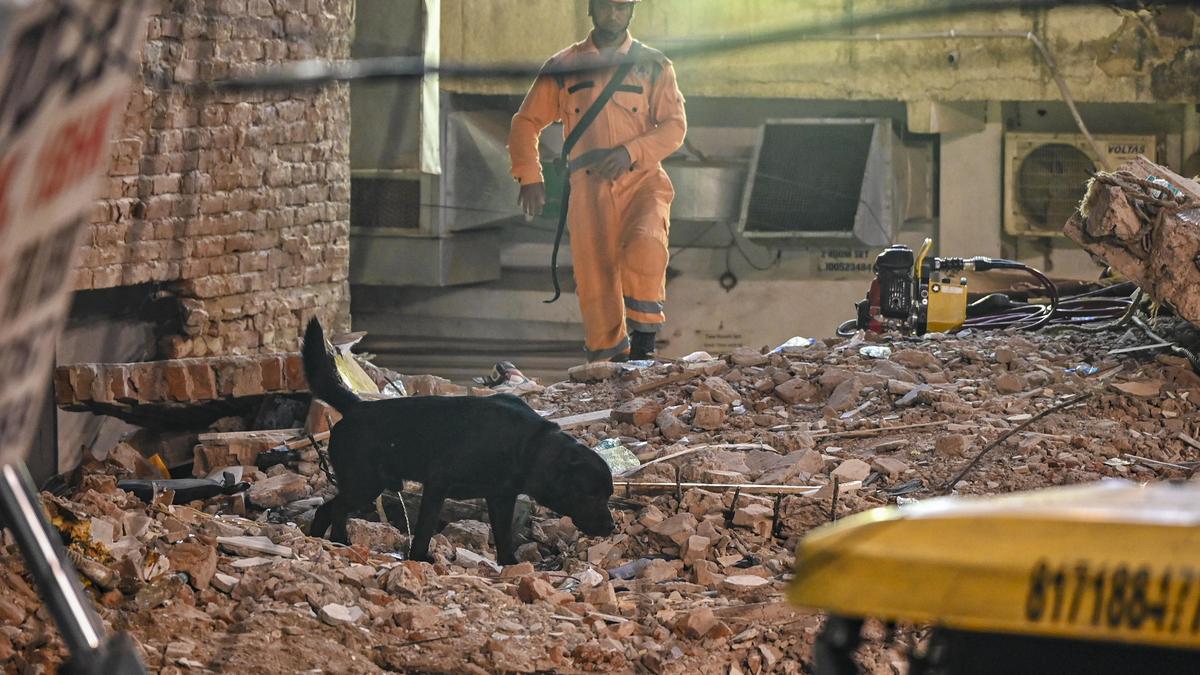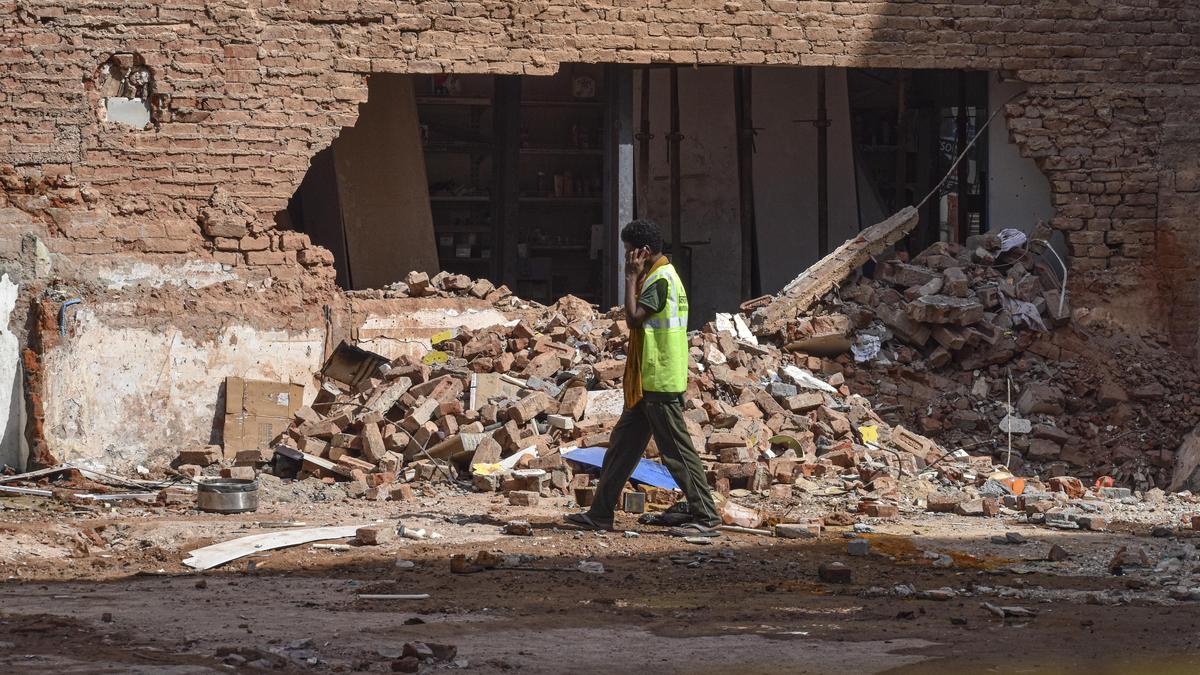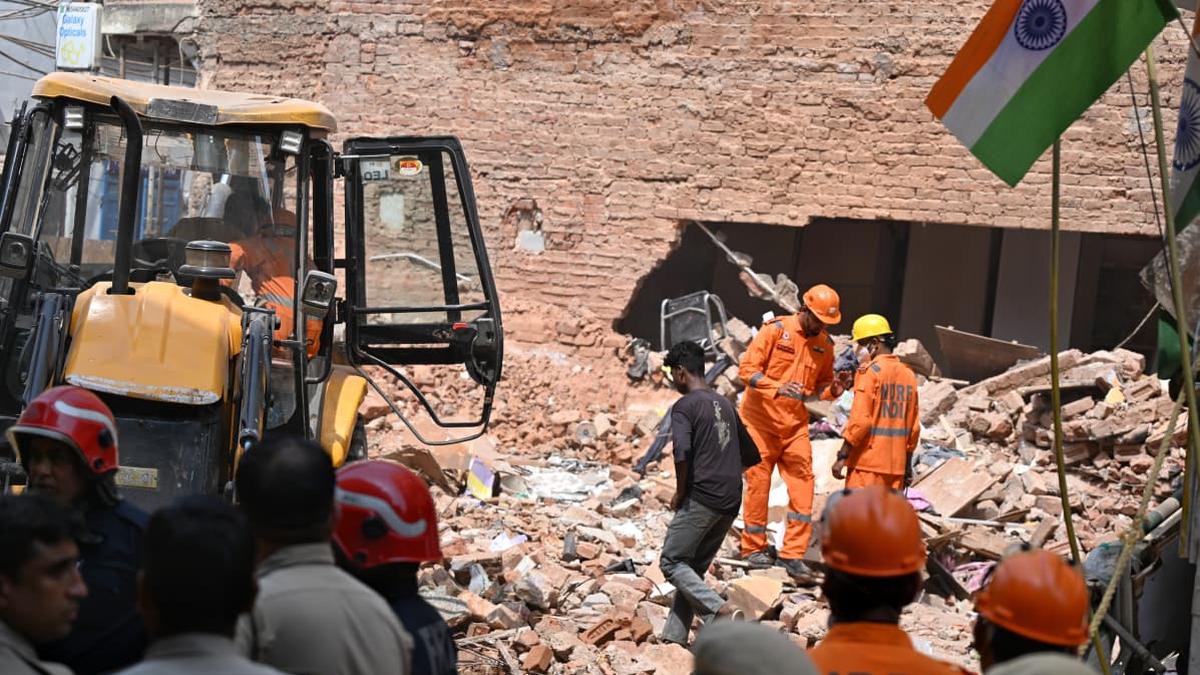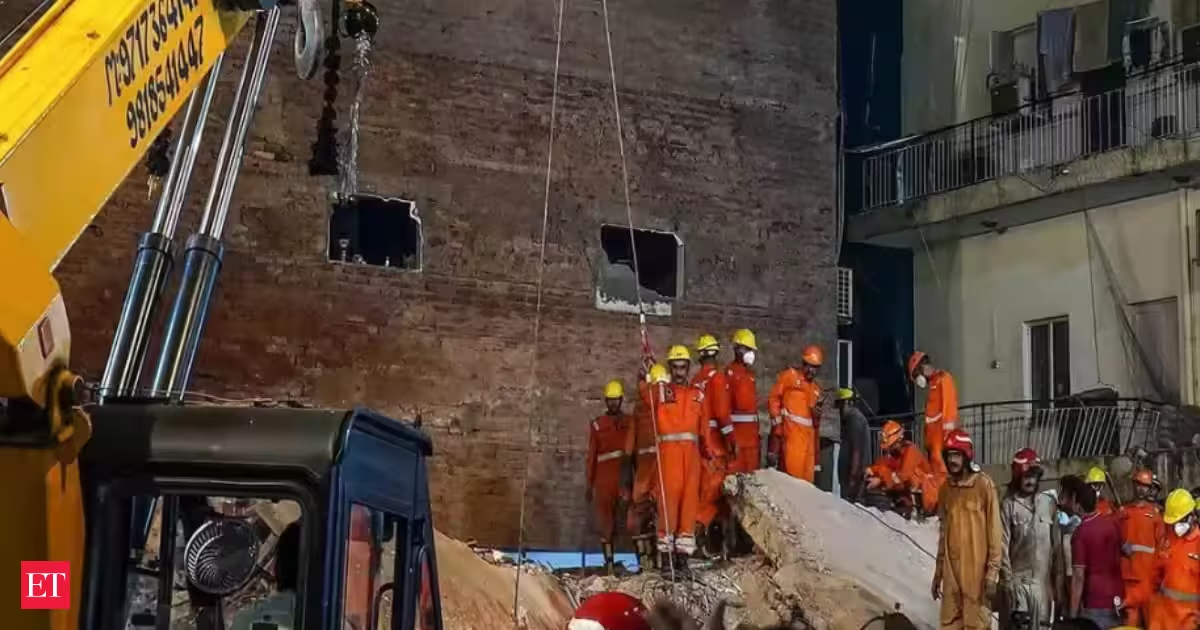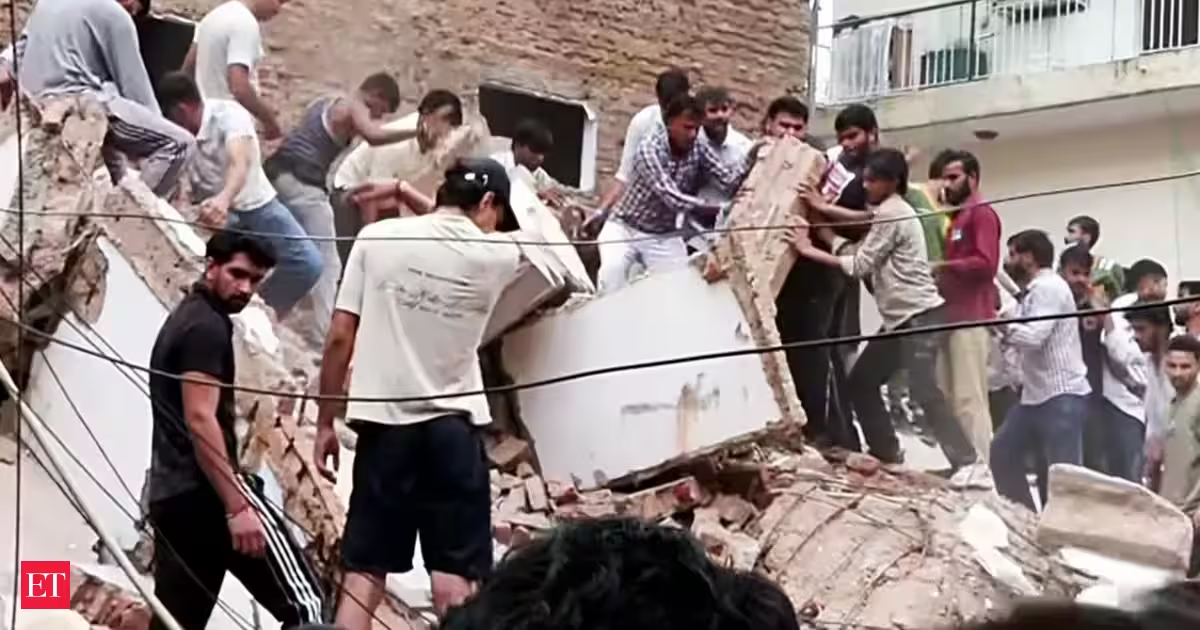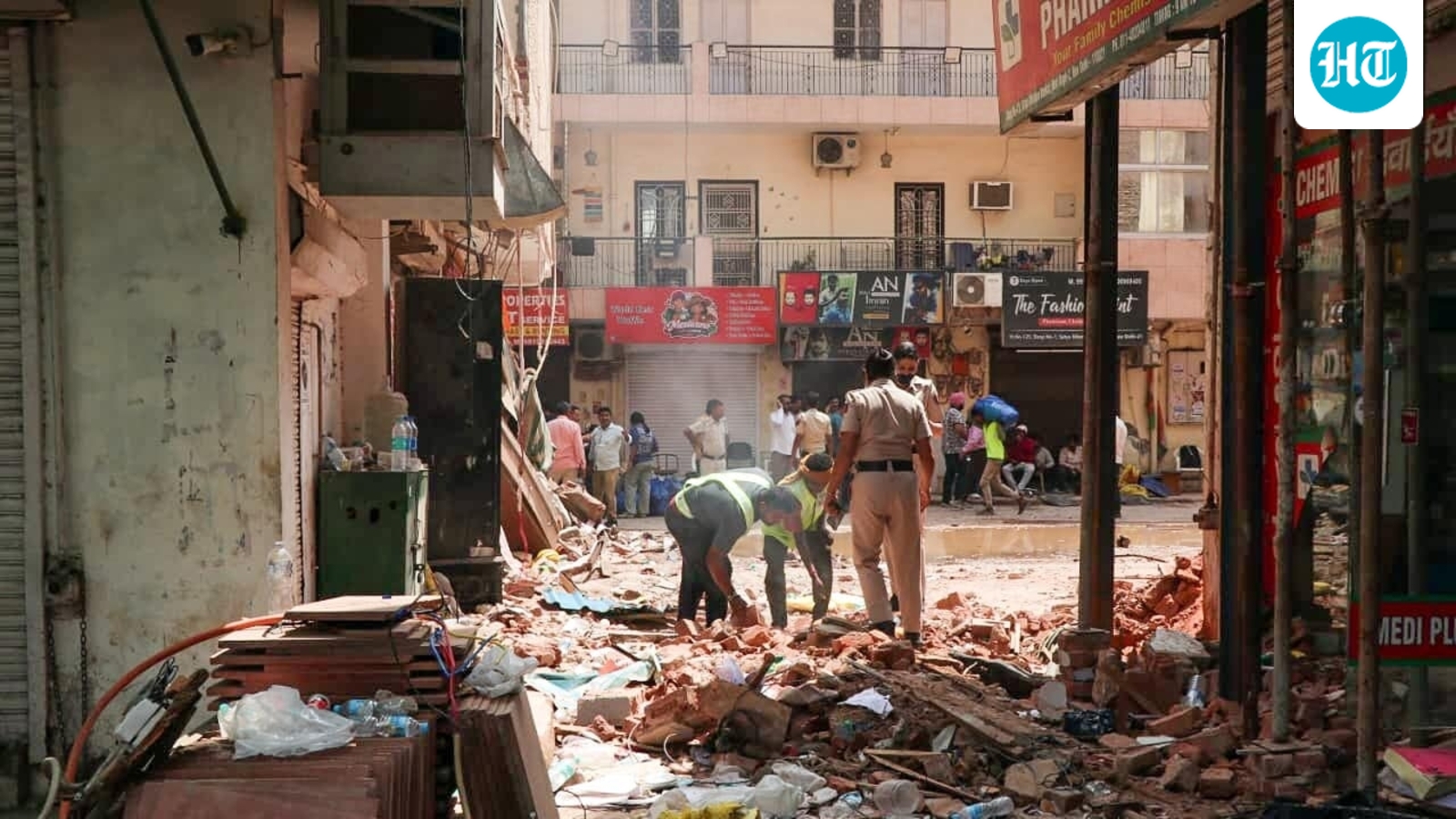
The Satya Niketan hostel tragedy is a warning about the precarious housing conditions faced by students who come to Delhi from across the country to study in Delhi University (DU). That warning has now been formally acknowledged. The National Human Rights Commission (NHRC) has directed the Delhi government and the University Grants Commission (UGC) to submit a time-bound action plan by on hostel accommodation for DU students, while a Supreme Court amicus has separately sought a safety audit of student hostels and PGs across the city. The question now is not whether action is needed, but what that action should contain.New Delhi, Sep 08 (ANI): Workers clear the debris in the presence of security personnel at the site of the Satya Niketan building collapse (6th Sep), in New Delhi on Tuesday. (ANI Photo) (NEERAJ CHOPRA)The scale of the gap is worth stating plainly. DU's own submission to the National Institutional Ranking Framework (NIRF) shows only 7,000 hostel seats for 3.5 lakh outstation students, roughly 2% coverage. The rest are forced to rely on private PGs and hostels. Students from DU colleges across the city report rents for such PGs and hostels at ₹14,000 to ₹20,000 a month, nearly two to three times DU's own hostel charges of roughly ₹6,000 to ₹ 7,000 a month. Many of these PGs and hostels operate without a permit, and their terms are effectively unilateral. Students are pressured to accept these rent agreements simply because alternatives are scarce, with rent collected in cash and no receipts given. With demand running so far ahead of supply, this has become a classic seller's market, where PG and hostel owners, not students, set the terms.The NHRC's direction is useful because it explicitly asks the plan to cover not just new hostel construction but also the upgrading and expansion of existing infrastructure. That is the right instinct. The gap is too large for any single intervention, and closing it will require short-, medium-, and long-term responses working together.In the short term, the priority is knowing which PGs and hostels are even operating legally. First and foremost, an MCD licence should be mandatory to operate any PG or hostel, and operating without one should carry a clear, enforceable penalty, closing a gap that currently allows such buildings to run with little consequence. The harder question is finding those operating outside this system. Physical, property-to-property verification alone is not practical, given how widely these buildings are spread across Delhi NCR, so data and technology must be leveraged instead. Much of the relevant information already sits within the MCD's own records: the MCD's GIS-based property tax database could be cross-referenced with DISCOM billing and water utility data to flag buildings whose consumption patterns suggest dense, PG or hostel-style occupancy despite being registered as ordinary residential units, simply making better use of billing data the civic authorities already hold, to prioritise buildings for inspection. Flagged or licensed buildings should then undergo structural and fire safety audits in line with National Building Code norms, with approved floor plans checked against the actual construction. Owners should file safety audit certificates annually, alongside their MCD property tax returns, creating a lasting, traceable record of each building's safety status, the kind of documentation the Supreme Court amicus's proposed audit would depend on.The medium-term response could be to repurpose vacant DDA flats. A Parliament reply confirmed the DDA currently holds 34,052 unsold flats across the city, the vast majority, 31,487 units, in Narela, with smaller pockets in Rohini, Dwarka and Jasola, many unsold through repeated auctions. These could be leased to private operators under strict guidelines and converted into licensed student hostels, giving thousands of students a legal, monitored alternative within months rather than years. Security and last-mile connectivity must come first here, not as an afterthought, since without them these flats risk becoming the next generation of poorly monitored housing. Locations could also be allocated with some thought to safety, for instance, housing women students closer to their colleges. Once that groundwork is in place, the supporting ecosystem, shops, mess facilities, and clinics tend to follow on their own. Repurposing these flats is, in that sense, less a housing fix than a way of turning idle public assets into functioning, monitored communities, rather than letting them depreciate while students are pushed into unsafe PGs nearby.The long-term response is to build fresh capacity where land is genuinely available, increasingly along the metro network. Extension hostels at the ends of metro corridors, where land is cheaper and connectivity already exists, are a natural fit. The Delhi government, which has already provided land for colleges, could allocate similar parcels for hostels, through outright allocation or long-term lease. These would be built and run through a public-private partnership, with operators licensed under the same accountability framework proposed for existing PGs and hostels. Income-linked rents, mirroring DU's own admission model, would let lower-income students pay subsidised rates while others pay market-linked rents.Funding for the medium- and long-term legs need not be a bottleneck, and need not fall on any single source. Corporate CSR spending in India totalled ₹40,794 crore in FY 2024-25, with ₹13,877 crore going to education, the single largest sector, most of it still directed toward classrooms, labs and scholarships. Hostel and safe housing infrastructure deserve the same recognition as core education spending, and CSR committees could explicitly diversify into it as part of a broader education infrastructure mandate. This need not be the only lever. DU and its constituent colleges could contribute from their own funds, the Delhi government could make a direct budgetary allocation alongside the land it provides, and existing institutional financing channels for education and housing infrastructure could be extended to cover hostels specifically. DU's alumni network, one of the largest and most influential in the country, is a further underused pool of capital: Clearly stating that donations earmarked for hostel infrastructure qualify for 80G tax benefits, on par with other recognised educational contributions, could meaningfully unlock it.None of these works in isolation: a short-term crackdown on unlicensed PGs needs medium-term alternatives ready for displaced students; medium-term use of DDA flats needs a long-term hostel pipeline behind it, or supply simply runs out again. The three need to move together, and the NHRC's October 15 deadline is as good a time as any to insist that they do so.The Satya Niketan tragedy is a reminder that safe, adequate student housing must be treated as a hygiene factor, not a luxury. With a formal deadline now in place, DU and the UGC, alongside the Delhi government and its civic and planning agencies, the MCD and the DDA, have a genuine opportunity to act together. What's needed is a plan that goes beyond a promise of more hostels someday, one with a real short-, medium-and long-term roadmap, backed by diversified funding from government, CSR and alumni contributions. The lives lost in the Satya Niketan tragedy cannot be undone, but they must mark a turning point for the lakhs of students who come to this city each year in search of an education and a safe place to stay.(The views expressed are personal)This article is authored by Sidharth Sinha, freelance consultant and researcher, New Delhi.
Case for safer student housing in Delhi
This article is authored by Sidharth Sinha, freelance consultant and researcher, New Delhi.
1,196 words~5 min read