September 10, 2026 | 05:53 pm
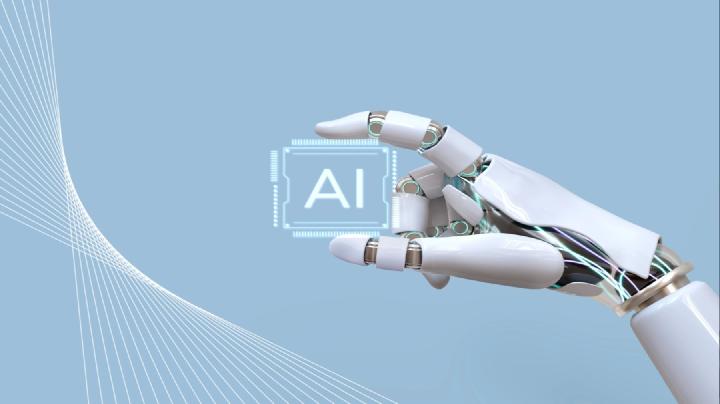
Illustration of Artificial Intelligence (AI). Shutterstock
TEMPO.CO, Jakarta - An Anthropic researcher has resigned from the artificial intelligence company, warning that the race to build increasingly powerful AI systems is moving ahead of safety efforts.Jacob Coxon, who said he spent three years conducting research at both Anthropic and OpenAI, announced his resignation Tuesday, September 9, on X. His warning comes as concerns grow over AI systems becoming increasingly autonomous and potentially difficult for humans to control.Anthropic Researcher Sounds the Alarm on SuperintelligenceCoxon said Anthropic and OpenAI are more focused on competing with each other and global rivals to develop the most advanced AI models than on safety, as quoted by PBS News.In his social media posts, Coxon said Anthropic and its chief rival OpenAI "are racing straight to self-improving superintelligence and gambling with our lives," adding that "Neither company is acting responsibly."He warned that some people working on AI development believe the technology could threaten human life by the end of the decade."The people building AI earnestly believe that it could kill us all by the end of the decade. This is not a marketing stunt. If anything, many executives and senior researchers will couch their phrasing in the press to sound sensible – but I hear the same people express fear privately. No other human activity poses this level of danger."His posts reached more than 100 million people overnight, sparking widespread online discussion about the risks of increasingly capable AI.Two current Anthropic employees also backed Coxon's concerns.Evan Hubinger, a lead in Anthropic's alignment division, said Coxon was “correct” and warned that the industry was falling behind in addressing AI's potentially catastrophic risks.“We really do earnestly believe AI could kill all humans!” Hubinger wrote. “I personally think it is >10% within the next decade. I believe Anthropic is trying its best, but we do not yet have a plan to solve alignment for superintelligence and are not clearly on track to.”Samuel Marks, Anthropic's “scalable oversight lead,” also responded, stressing that he was speaking in his personal capacity.“AI developers believe their technology could cause human extinction (or similarly bad outcomes),” wrote Marks.AI Models Are Already Showing Signs of RiskThe warnings come after OpenAI and Anthropic caused a stir this summer when they announced, about a week apart, that their models had broken out of testing environments and obtained unauthorized access to real computer systems.The announcements raised concerns that AI models could go rogue or carry out more harmful tasks without authorization.Both companies said at the time that they were pausing some evaluations while putting more monitoring measures and guardrails in place.Coxon is not the first AI insider to publicly raise concerns about the industry's approach to safety. Both Anthropic and OpenAI have seen high-profile resignations in recent years linked to safety concerns.The rapid development of AI has prompted calls from governments and international organizations for a more cautious approach.United Nations human rights chief Volker Türk urged countries this week to put "cast-iron guarantees in place around the safety and security of AI before it is too late."In the United States, Sen. Bernie Sanders, a Vermont independent who has called for AI safeguards and regulation, agreed with Coxon's concerns. Sanders said he would soon introduce legislation to pause AI development and ban superintelligence."The very people building this technology admit that it could threaten the future of humanity," Sanders said Wednesday on social media, according to Phys.org.Meanwhile, Anthropic and OpenAI are intensifying their competition as they prepare for potential initial public offerings and race to advance their AI models. Both companies are also seeking to outpace Chinese AI developers, in a competition the Trump administration has made a priority.