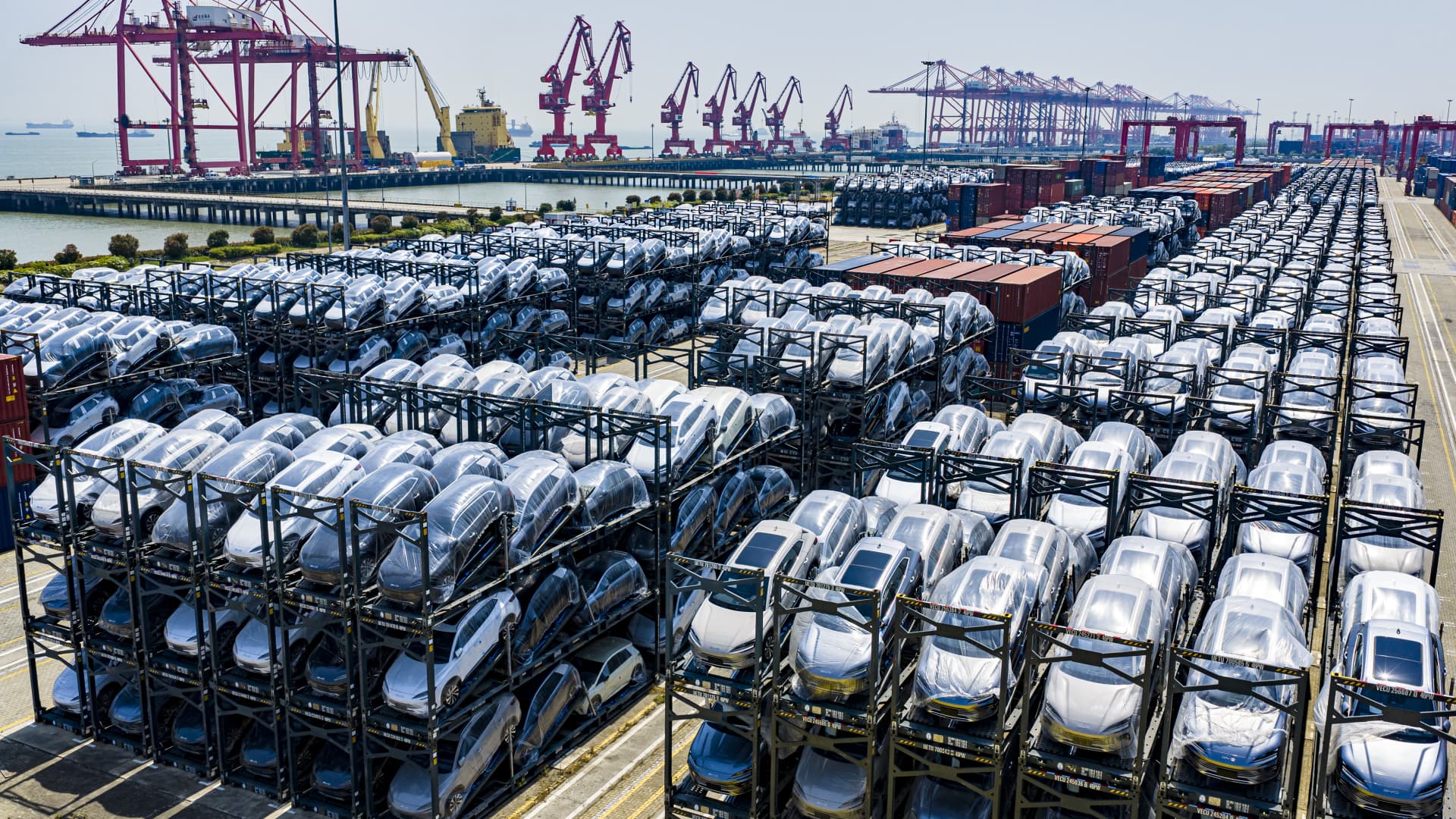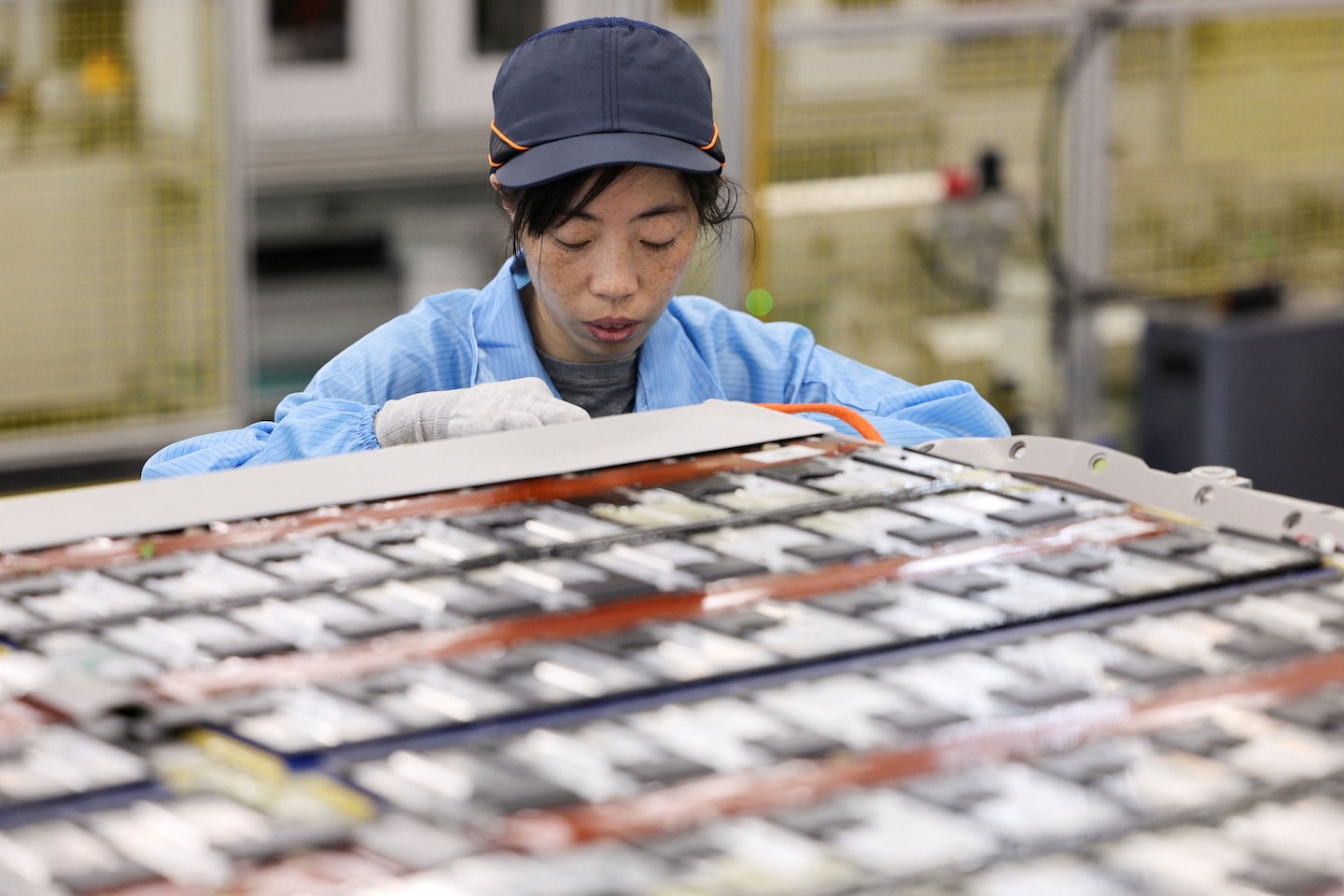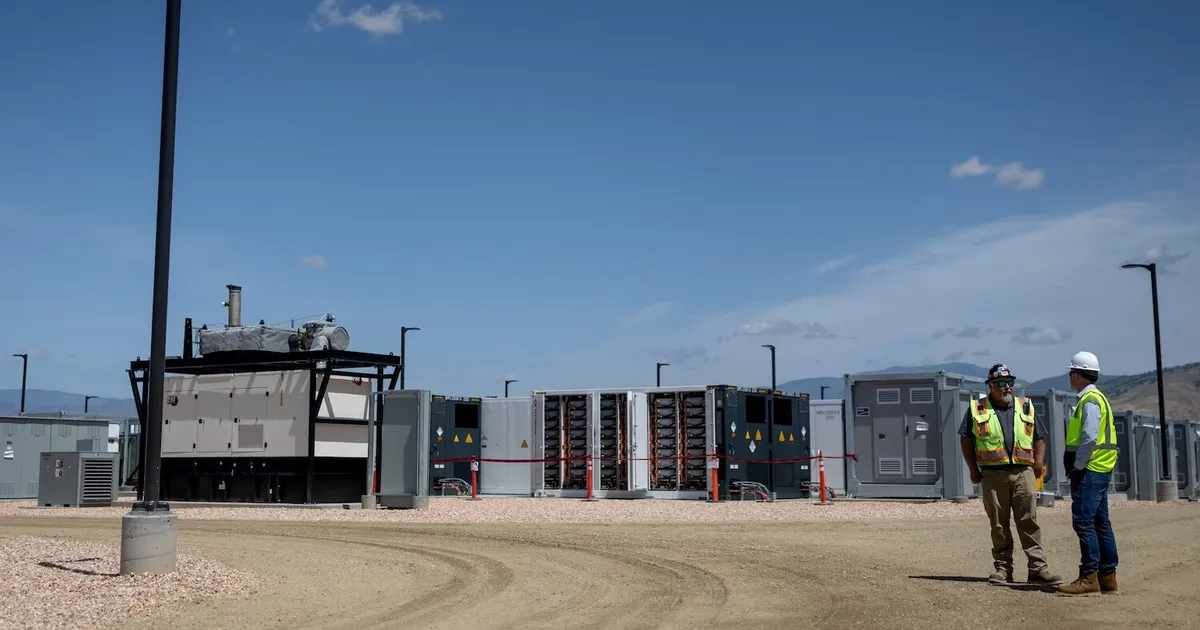
The US is hitting records for the rapid growth of its energy storage market. That’ll go a long way to shoring up the grid, increasing reliability and also cutting emissions, since batteries can help store energy from intermittent renewables like wind and solar. Crucially, this is all happening with the help of cheap Chinese batteries, though there’s been a concerted effort to reduce the US’s reliance on them. Most recently, in an executive order in late August, the Trump administration declared a national emergency that essentially bans Chinese batteries from being used in grid-scale energy storage systems. There’s an argument to be made about reducing reliance on any single source of a crucial energy technology. But all this tension raises a broader question for me: How much should countries take advantage of cheap, available tech, versus cutting off major sources to force development of their own factories even if that comes at a higher cost? This is hardly America’s first push to move away from Chinese influence in the battery supply chain. One of the major policy tools used in recent years is restricting the tax credits designed to incentivize use of the new technologies. Limiting the types of projects that are eligible can help reduce the cost of local technologies so they’re more competitive with otherwise cheaper imported options.
Can the US battery market untangle from China?
Energy storage is currently booming, largely thanks to cheap Chinese cells.
828 words~4 min read