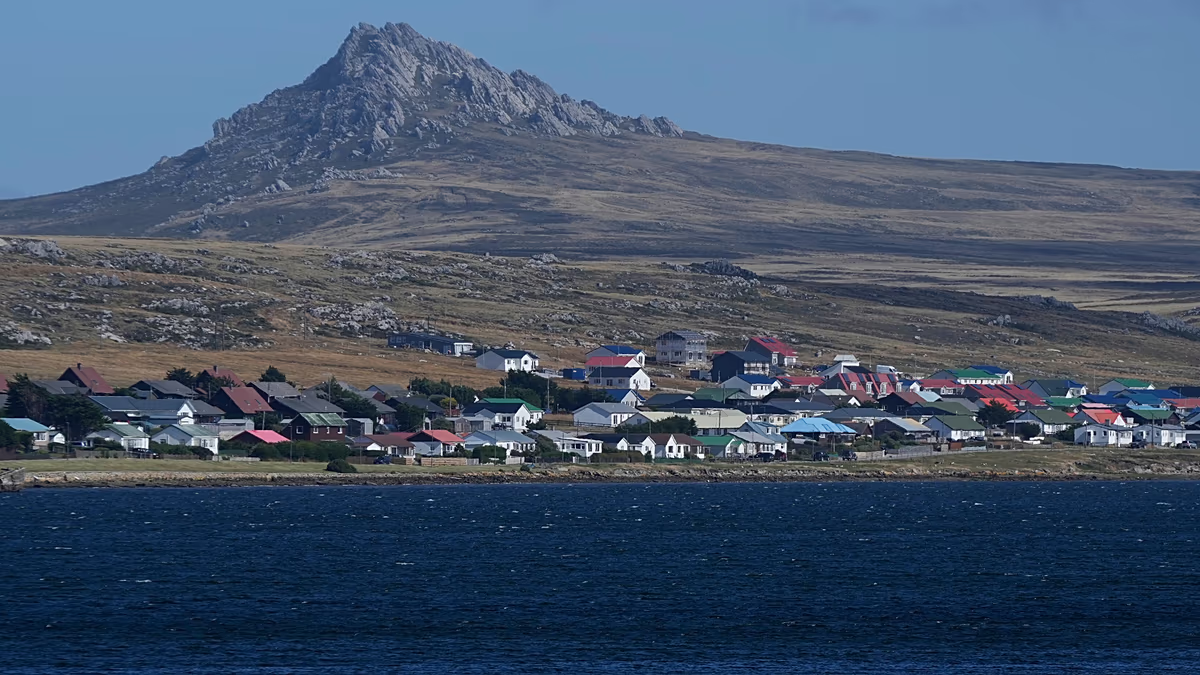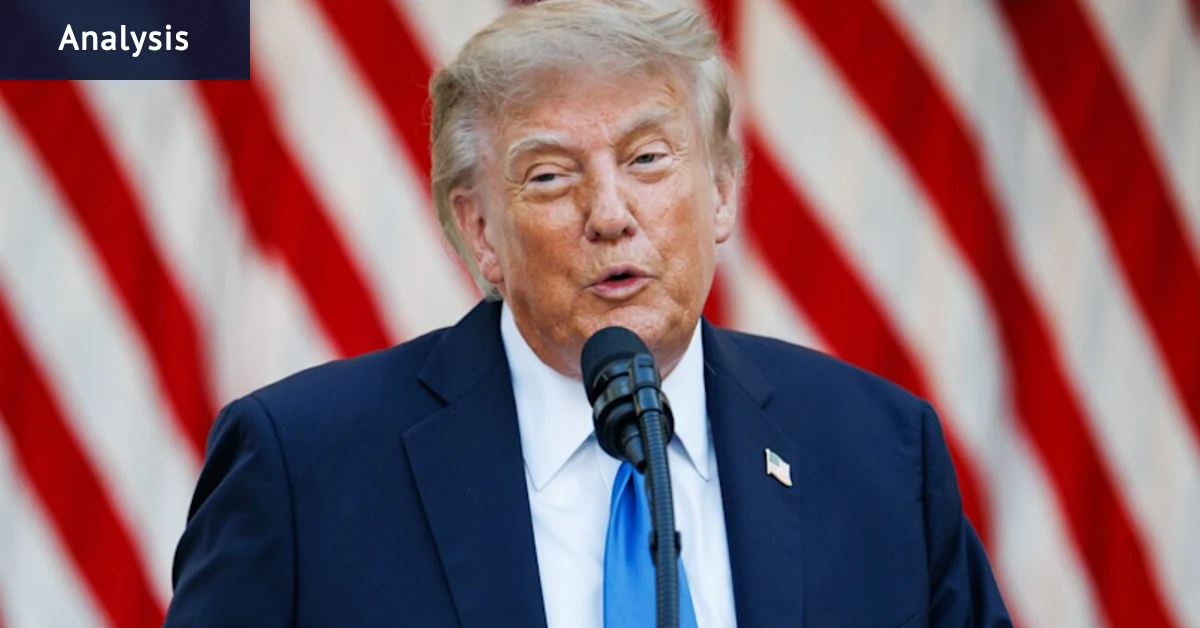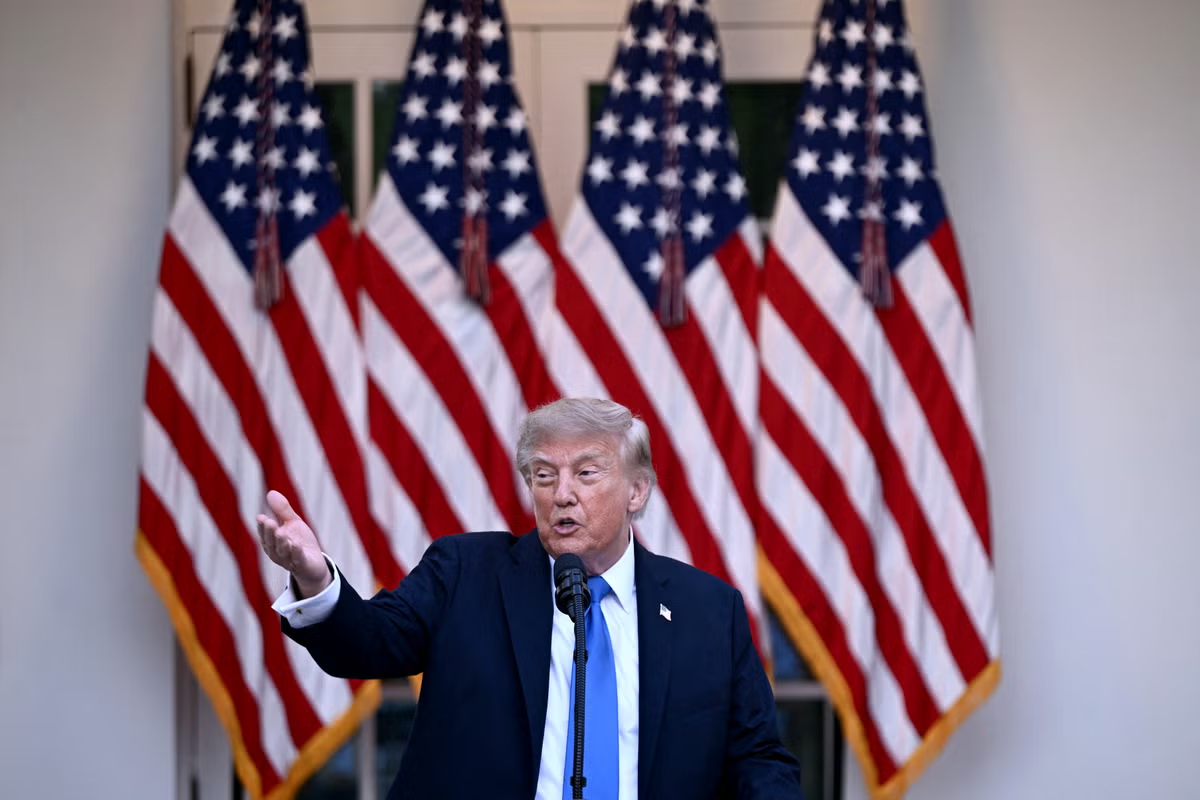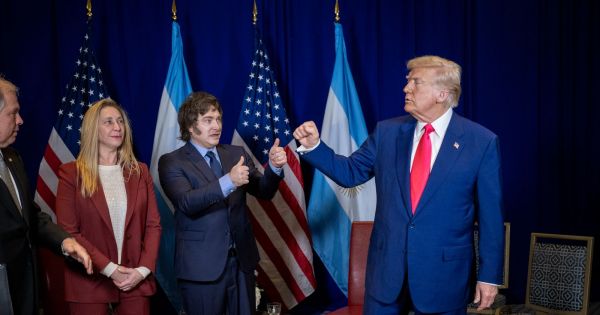
Last week, Donald Trump suggested in an interview with the British TV channel GB News that he might not help the UK if Argentina tried again to seize the Falkland Islands. It was a new low for UK-US relations.The “special relationship” (Winston Churchill’s phrase) was never perfect, but the UK helped the US on countless occasions, from Korea to Iraq to Afghanistan. The US often stood by the UK as well – although not during the Suez Crisis of 1956, but Ronald Reagan’s government provided significant intelligence and logistics support to Britain during the dust-up over the Falklands in 1982. That relationship is fading fast.Trump characteristically turned the conversation toward a grievance, and his disappointment with the UK’s initial reluctance to provide support for the Iran war launched on 28 February by Israel and the United States.That reluctance was fairly easy to understand at the time, given that the White House refused to consult Nato allies as it planned its sneak attack, and the goals of the war were (and remain) imprecise and inconsistent.It should be added that Nato is a defensive alliance, designed to resist a Russian invasion from the east, not support a US invasion from the west, to seize Greenland from a Nato ally. Further, Nato has no business in the Middle East. The words “North Atlantic” inside “North Atlantic Treaty Organization” make it clear that Nato is all about Europe, bringing North American troops (including both Canadians and Americans) into an interlocking defense structure with European partners.That includes roughly 80,000 US troops stationed in Europe, a strategic fact of the highest order, one that would suggest careful vetting of remarks about a Nato ally like the United Kingdom. Roughly 10,000 of those troops are based in the UK, in fact.Emboldened by Trump’s careless remarks, the president of Argentina, Javier Milei (a fan of Margaret Thatcher), delivered a windy speech about “the winds of change”, designed to shore up his sinking popularity, approximately 37% in July. He hinted that the US would back Argentina if it were to renew its territorial ambitions, and called the UK a nation “in decline”.Those tremors deepened early this week, as the UK’s announcement of sanctions on Israeli settlers released a predictable explosion from the Trump administration, and Israeli threats to recognize Argentinean sovereignty in the Falklands.The UK will survive Milei’s speech, which stemmed from Trump’s unfocused complaints, and the surreal fabrications that get so much attention yet contribute so little knowledge. The diplomatic flare-up will fade, but memories will linger of Trump’s poorly chosen words, and the ease with which he chose to abandon Britain – on British television, no less.It’s also another stark reminder of how foreign the themes of democratic aspiration are to the 47th president. Were Argentina to seize the Falklands, it would overturn the result of a very democratic election, the 2013 referendum in which 99.8% of the islanders chose to remain connected to the UK. More than 90% voted; of 1,517 votes cast, a whopping 1,513 were for remain. That’s the voice of the people speaking.Democratic presidents have never had a problem talking about democracy. Similarly, most Republican presidents have understood this language. Nixon was not gifted in this way, and George W Bush got many things wrong – Iraq above all – but he seemed to mean it when he spoke of the yearnings of peoples to be free.Ronald Reagan could achieve poetry at times, as he spoke of those suffering behind the Iron Curtain, and in other autocracies, and meditated on how the US had historically given hope to the world’s disenfranchised. In his 1989 farewell address, he argued: “She’s still a beacon, still a magnet for all who must have freedom, for all the pilgrims from all the lost places who are hurtling through the darkness, toward home.”It’s impossible to imagine these words being spoken from today’s Oval Office, just as it would be difficult to find a president more alienated from the goals of genuine self-determination.In 1941, Churchill and Franklin D Roosevelt articulated the shared UK-US values in their famous Atlantic charter – a statement about their commitment to democracy, free trade and peace.A year later, they issued an anniversary statement about their shared goals and values. It offers wistful reading at a time when the language of great ideals appears to be woefully dated:“When victory comes, we shall stand shoulder-to-shoulder in seeking to nourish the great ideals for which we fight. It is a worthwhile battle. It will be so recognised through all the ages, even amid the unfortunate peoples who follow false gods today. We reaffirm our principles. They will bring us to a happier world.”
Trump’s comments on the Falkland Islands reflect a fractured US-UK relationship
President suggested US might not help UK if Argentina tried to seize Falklands – a new low for UK-US ‘special relationship’
809 words~4 min read