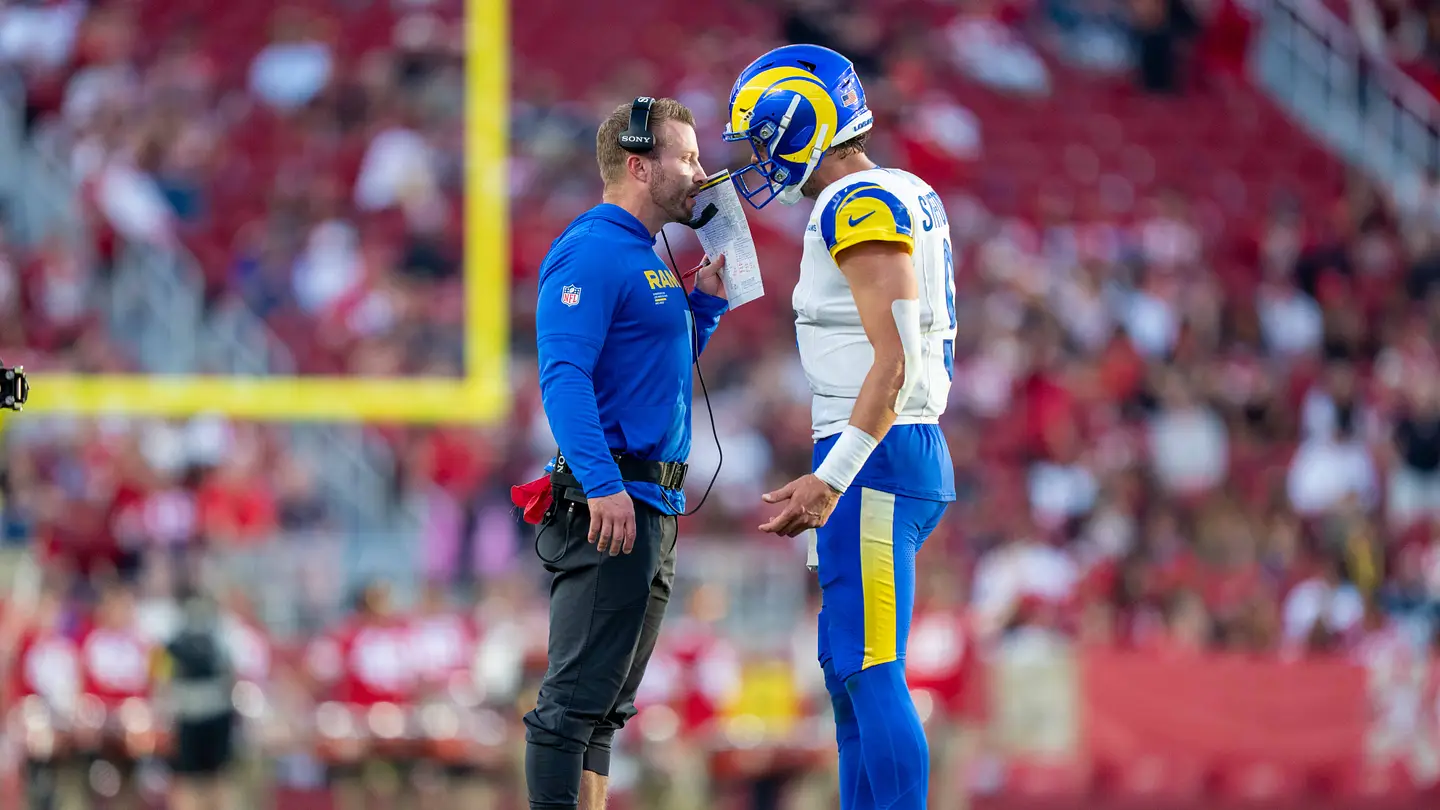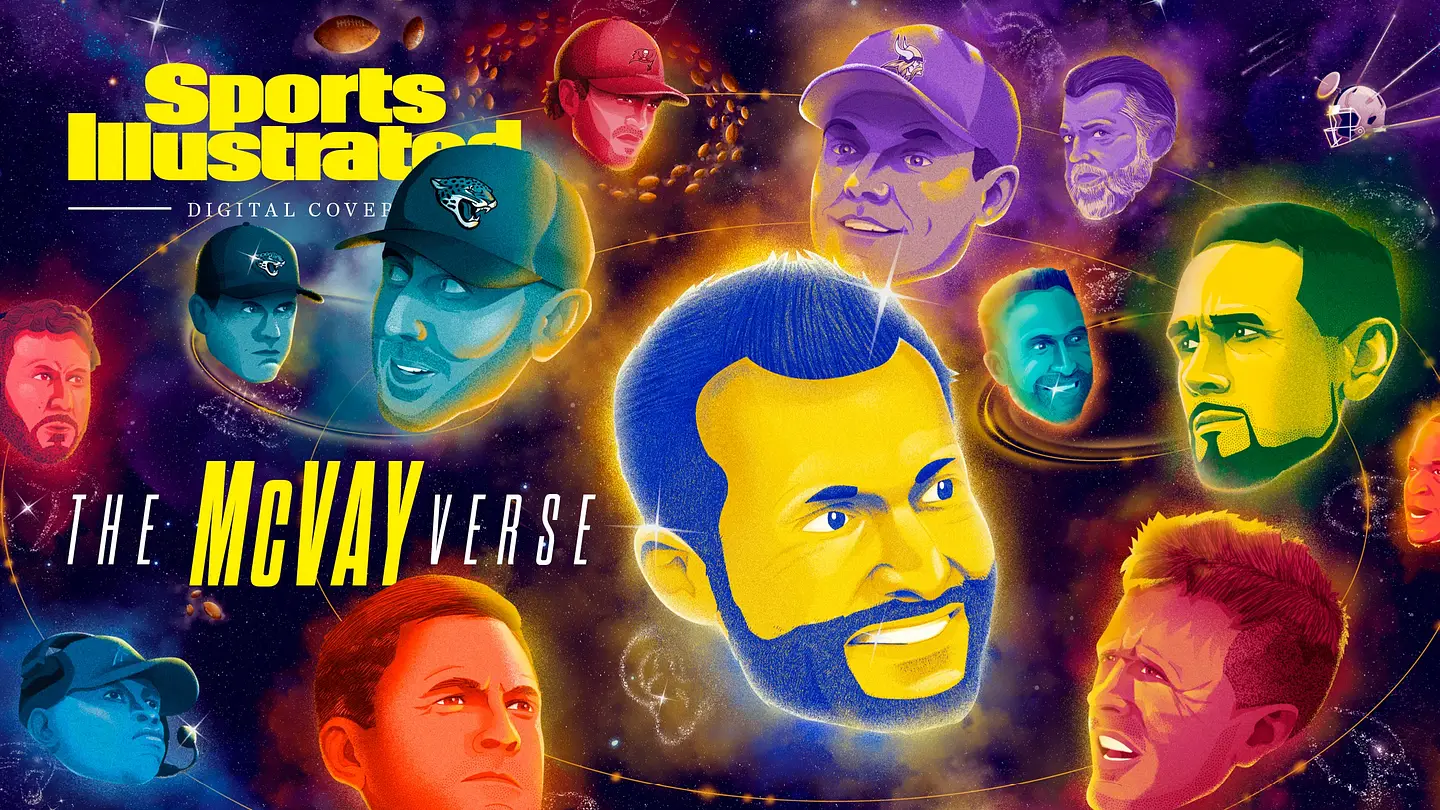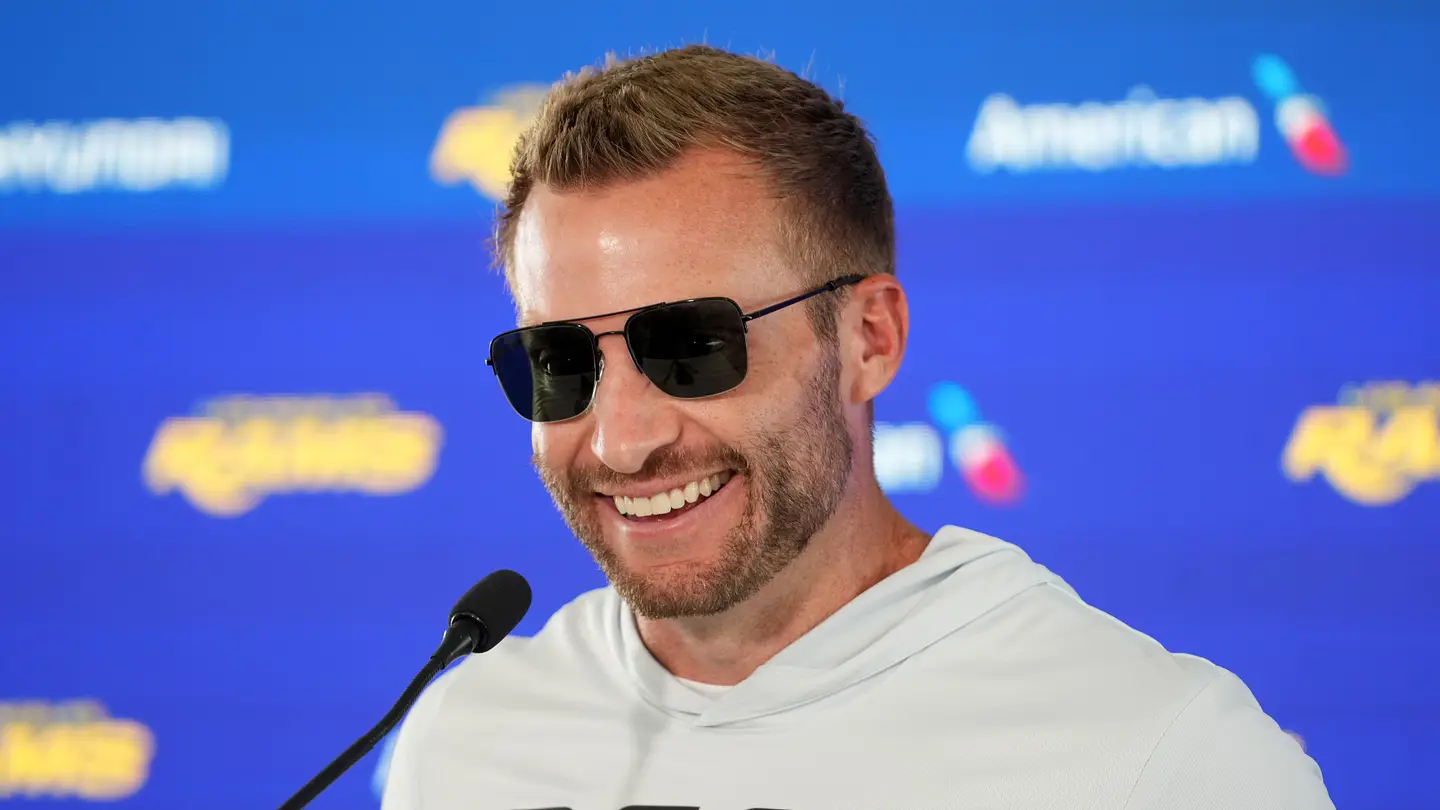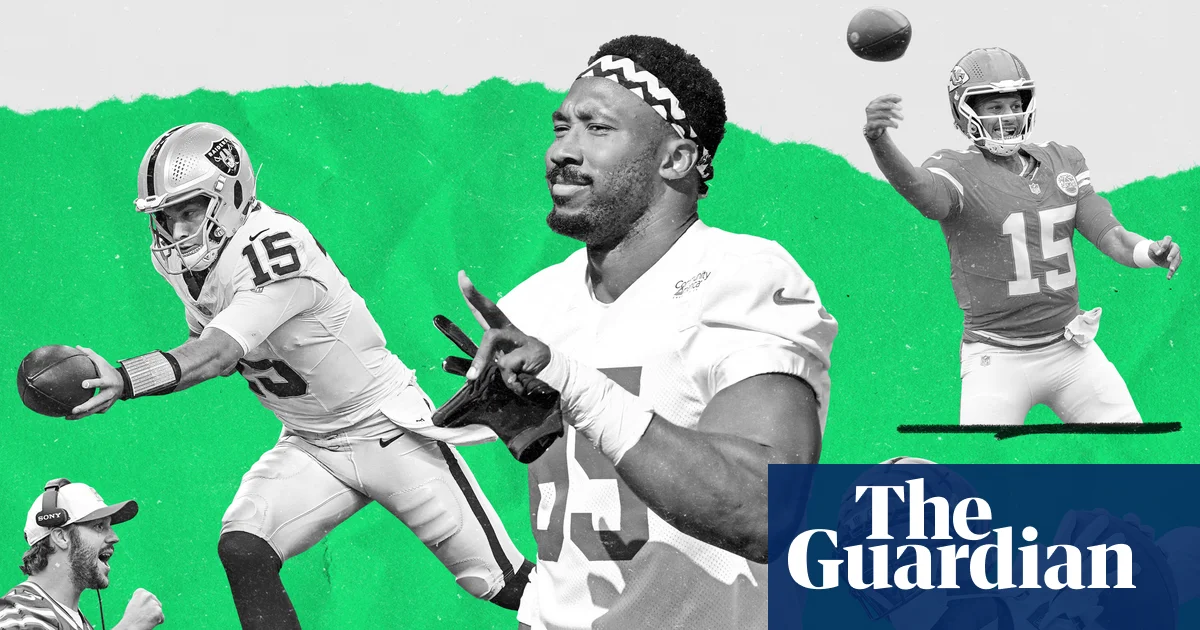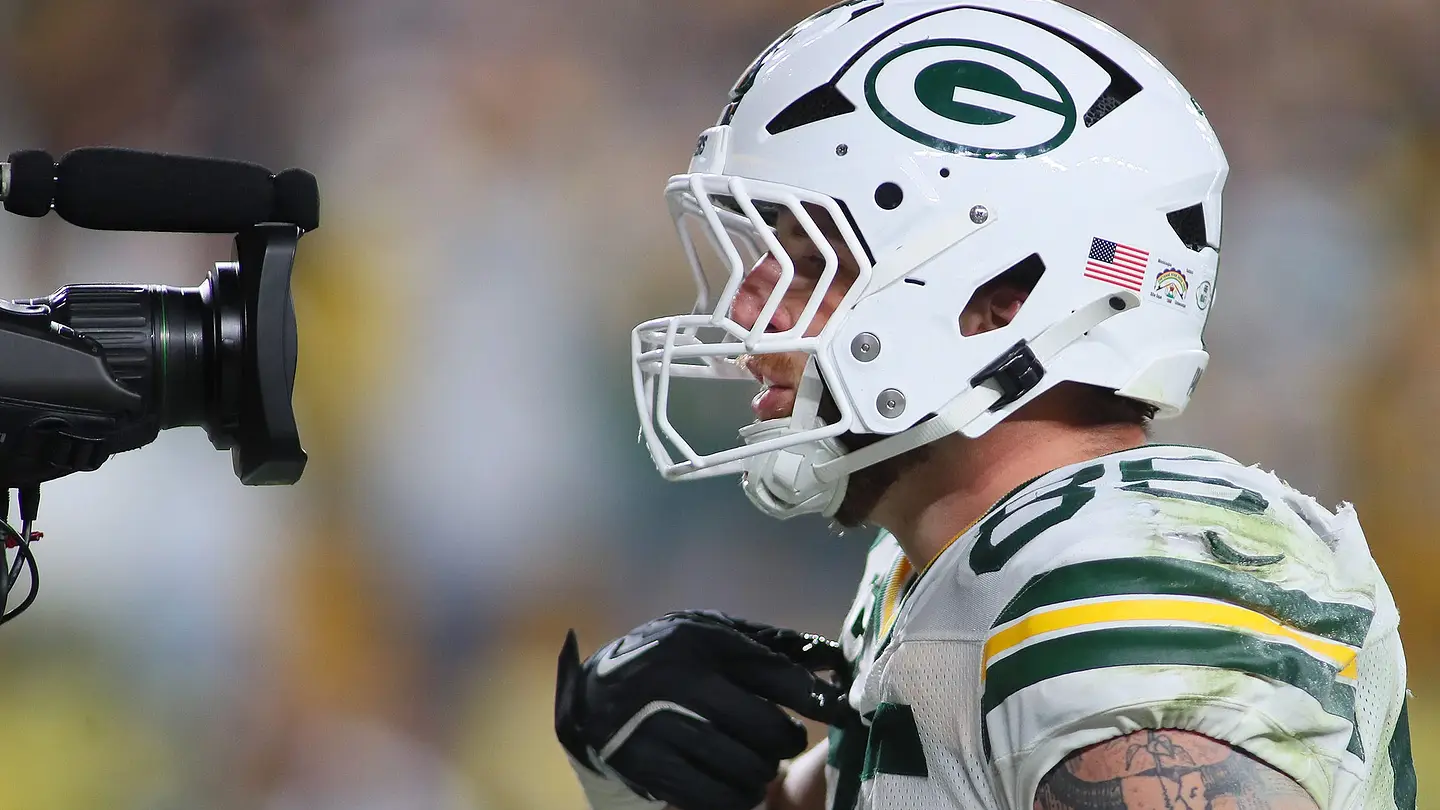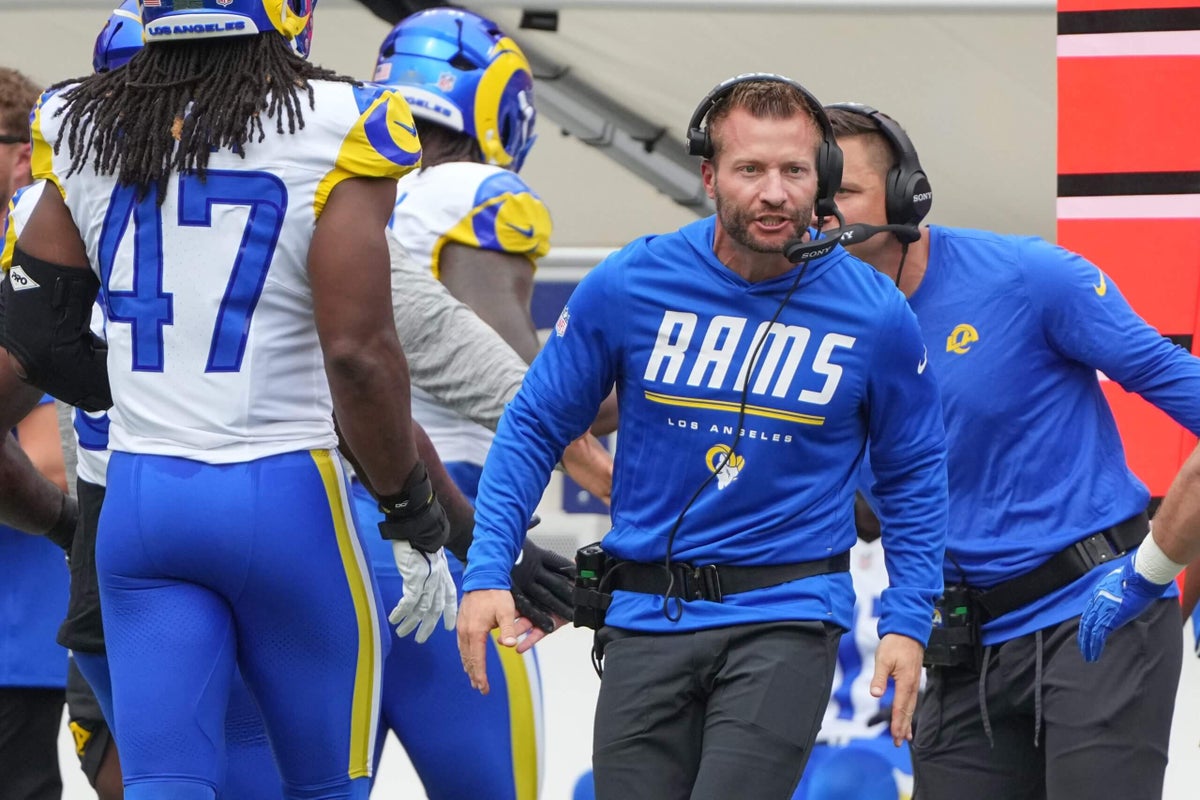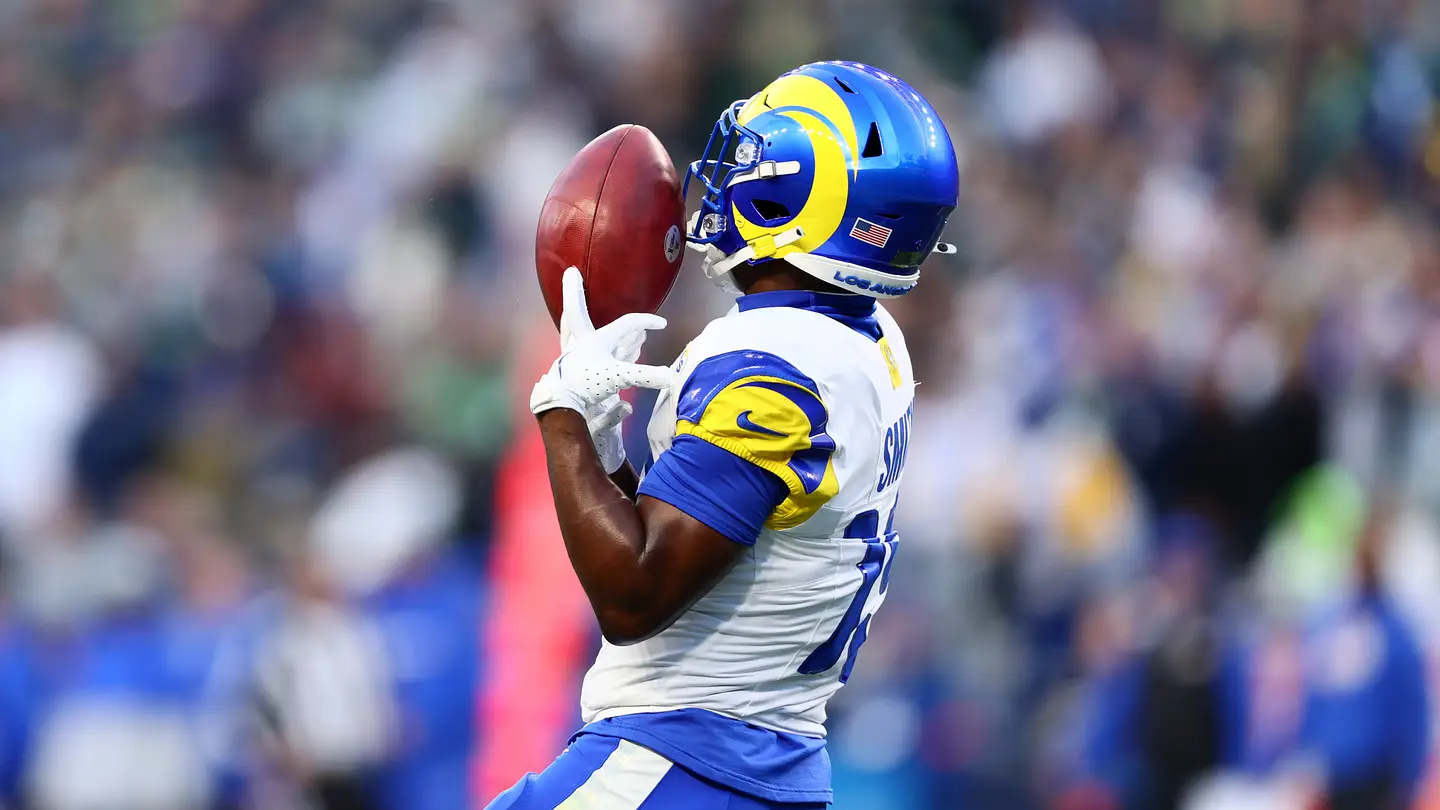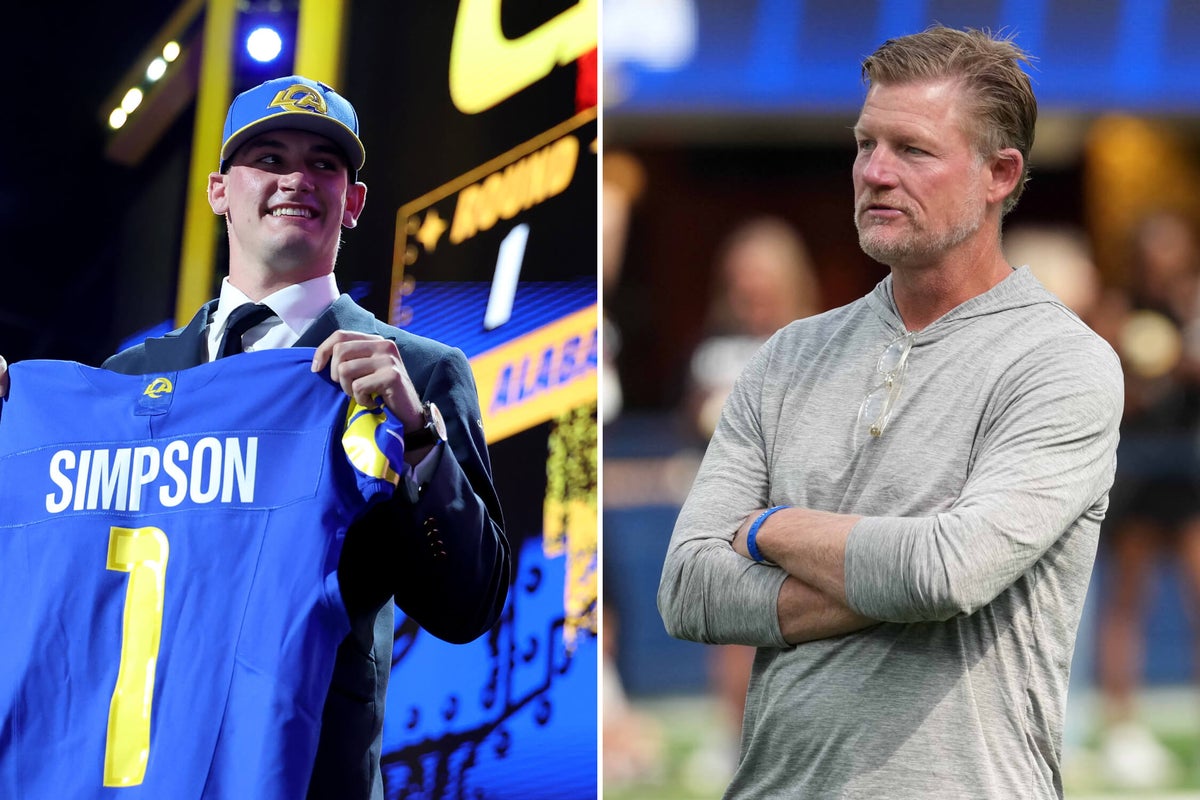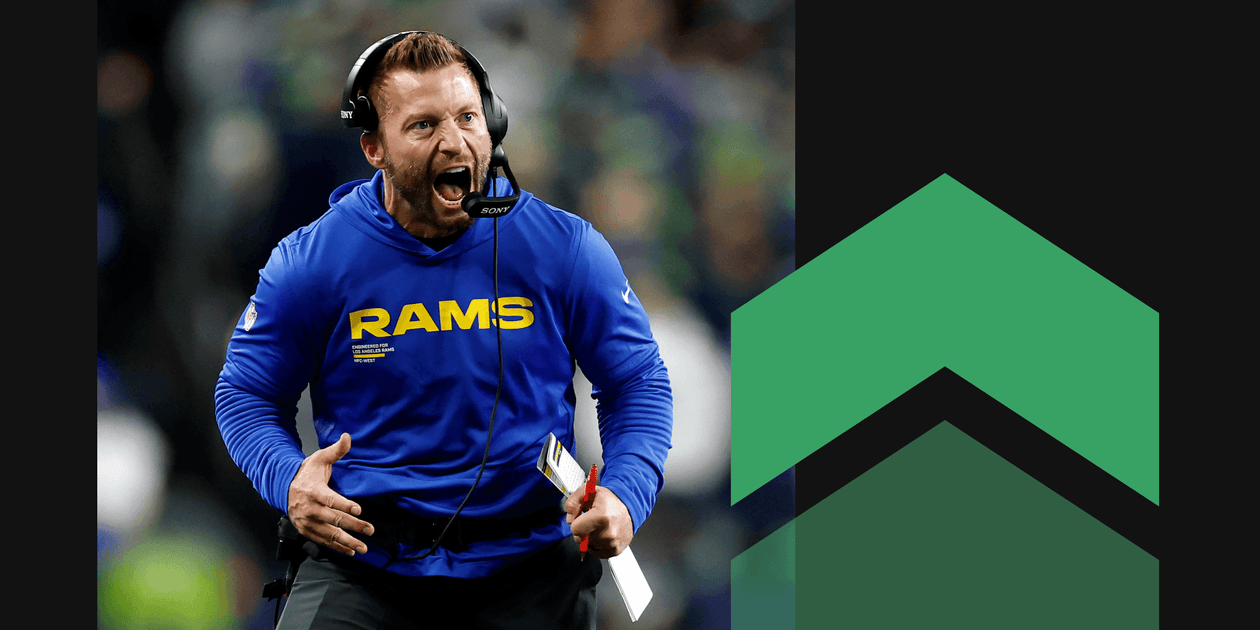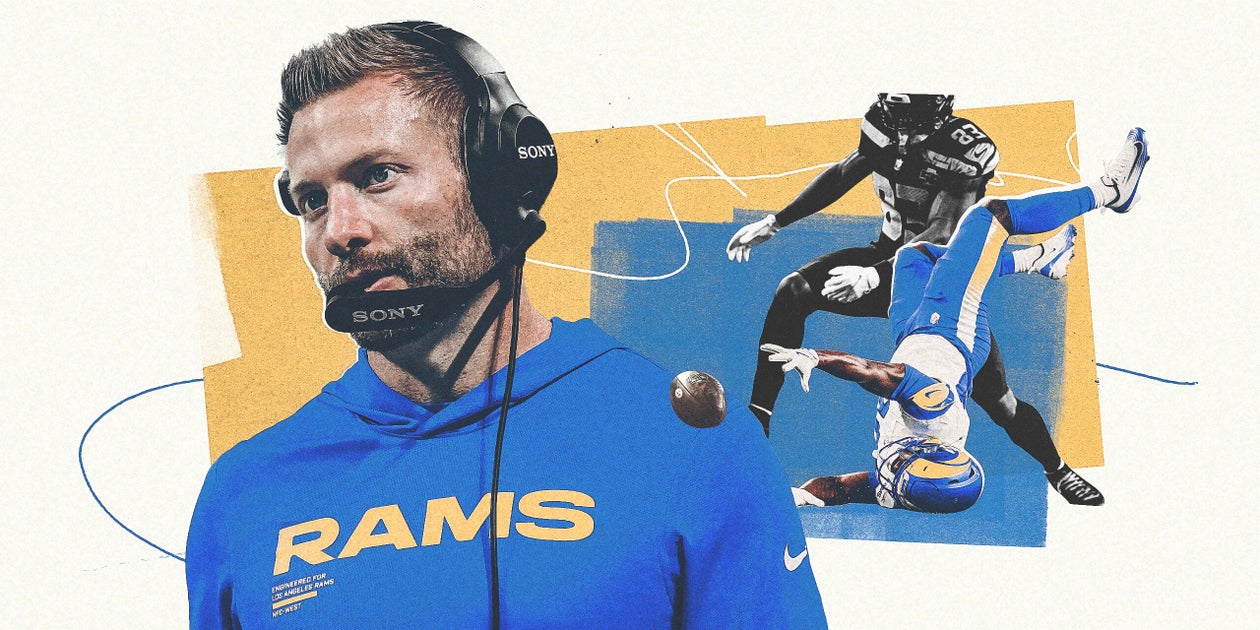
This is a story of how two flagship NFL franchises squandered MVP quarterback seasons through a special kind of systemic neglect that could haunt them in the future, Super Bowl expectations be damned.It might yet become a story of redemption.The Los Angeles Rams and Green Bay Packers know the agony of flying high with MVP quarterbacks, only to suffer special teams implosions in the biggest games, sabotaging legacies in the process.Recent trades for superstar pass rushers Myles Garrett (Rams) and Micah Parsons (Packers) distract from a pointed question: What good is adding horsepower to the engine if the radiator empties onto the highway when the car climbs a steep grade?Can the Super Bowl favorites fix their fatal flaw?Mike SandoIn January 2022, MVP-to-be Aaron Rodgers watched his top-seeded Packers suffer a blocked field goal and a blocked punt, the latter returned for a San Francisco 49ers touchdown, during a 13-10 playoff loss at Lambeau Field.In Rodgers’ 2014 MVP season, Seattle burned the Packers for a touchdown on a fake field goal and recovered an onside kick late in the NFC Championship Game. Those plays doomed the Packers on a day Green Bay intercepted Russell Wilson four times.Last season, Rams MVP-to-be Matthew Stafford suffered a similar fate across three games against the eventual Super Bowl champion Seahawks. The punt-return touchdown his Rams allowed while leading 30-14 in the fourth quarter sparked Seattle to a 38-37 victory in Week 16, costing L.A. the NFC West title and No. 1 seed. In the NFC title game a month later, the Rams muffed a punt, leading to a Seahawks touchdown on the next play as Seattle advanced to the Super Bowl.These were not isolated failures.The Rams’ and Packers’ head coaches, Sean McVay and Matt LaFleur, have combined to employ 10 special teams coordinators, including Ben Kotwica’s interim stint with the Rams last season, during otherwise successful tenures. They have new coordinators again entering 2026, along with new hopes. But it’s clear the surface-level treatment of NFL special teams failures — fire the coordinator, hire a new one, act like everything will be fine, then repeat — cannot mask systemic problems.And so, for the past six months, I’ve asked dozens of special teams coaches, head coaches, coordinators and front-office executives what really matters when analyzing the phase of the game that few truly understand and some head coaches treat as a necessary evil.Their answers kept returning to decisions made long before kickoff: how much practice and meeting time the head coach commits to special teams, which players claim the final spots on 53-man rosters and which players are active on game day.These decisions could determine whether McVay’s Rams, among the 10 strongest preseason Super Bowl favorites of the past 15 seasons, deliver on preseason expectations.It’s late July, and the Rams are finishing practice at Loyola Marymount University when McVay strides over to check out the special teams commitment presentation I’ve prepared after all those conversations dating to the NFL combine.The presentation begins by framing the Rams’ acquisition of Garrett as a reaction to their meltdowns against Seattle, and watching their division rival win the Super Bowl.PowerPoint slides show the six special teams coordinators McVay has employed, each stacking over the other, from the venerable John “Bones” Fassel, who let his contract expire so he could coach in Dallas, through the latest hire, Bubba Ventrone.“I miss him,” McVay says as Fassel’s face flashes onto the screen.Joe DeCamillis’ face appears. He left the Rams after the 2022 season, taking a job in college because, as he said at the time, “I was just feeling like I wanted to get back with somebody that emphasized special teams.”“Joe was good, too,” McVay says.Next comes a look at those three Rams games against Seattle last season. The numbers tell McVay what he already feels. His offense and defense outplayed Seattle by more than three touchdowns (+23.7 expected points), but his special teams gave all of it back (-23.6, the seventh-worst differential out of 1,415 multigame season series this century, per TruMedia).By this point, McVay has seen stark visual evidence as well: spider charts showing his 2025 team lagging far behind NFL norms in game day roster commitment on special teams, as measured by five categories:• Core special teamers: Players whose primary role was special teams
The Rams are historic Super Bowl favorites, but have they fixed their fatal flaw?
Special teams woes might have cost the Rams a Super Bowl, a plight the Packers know all too well. Sean McVay vows to fix the problem.
2,548 words~12 min read