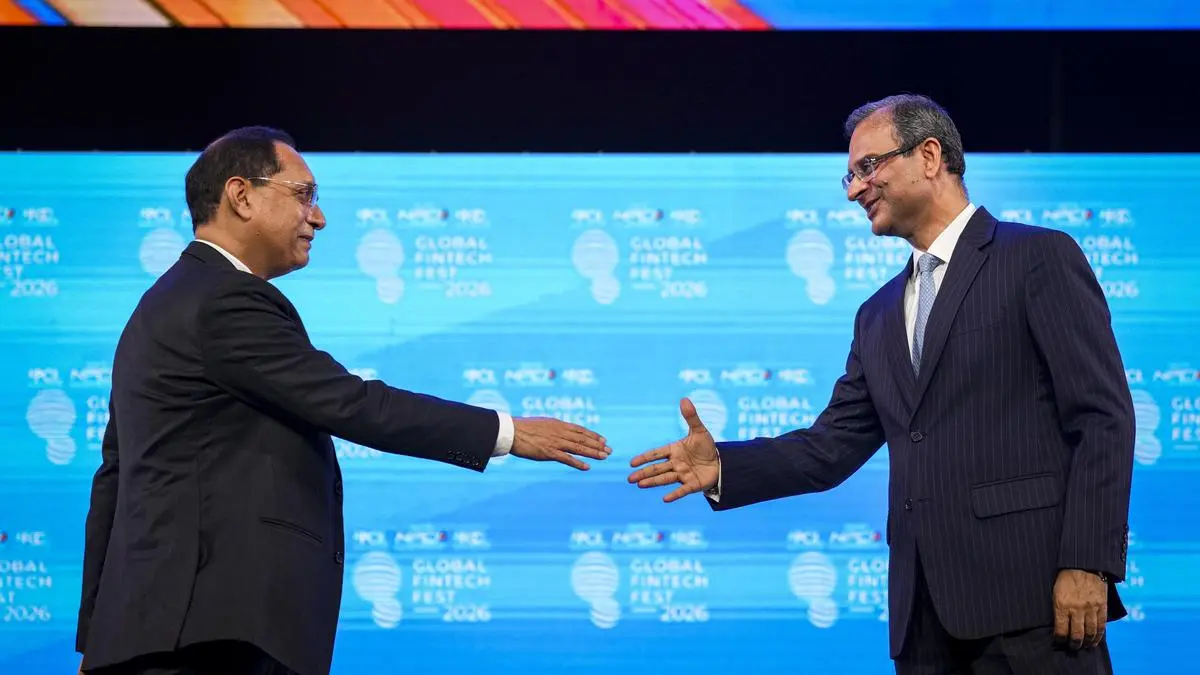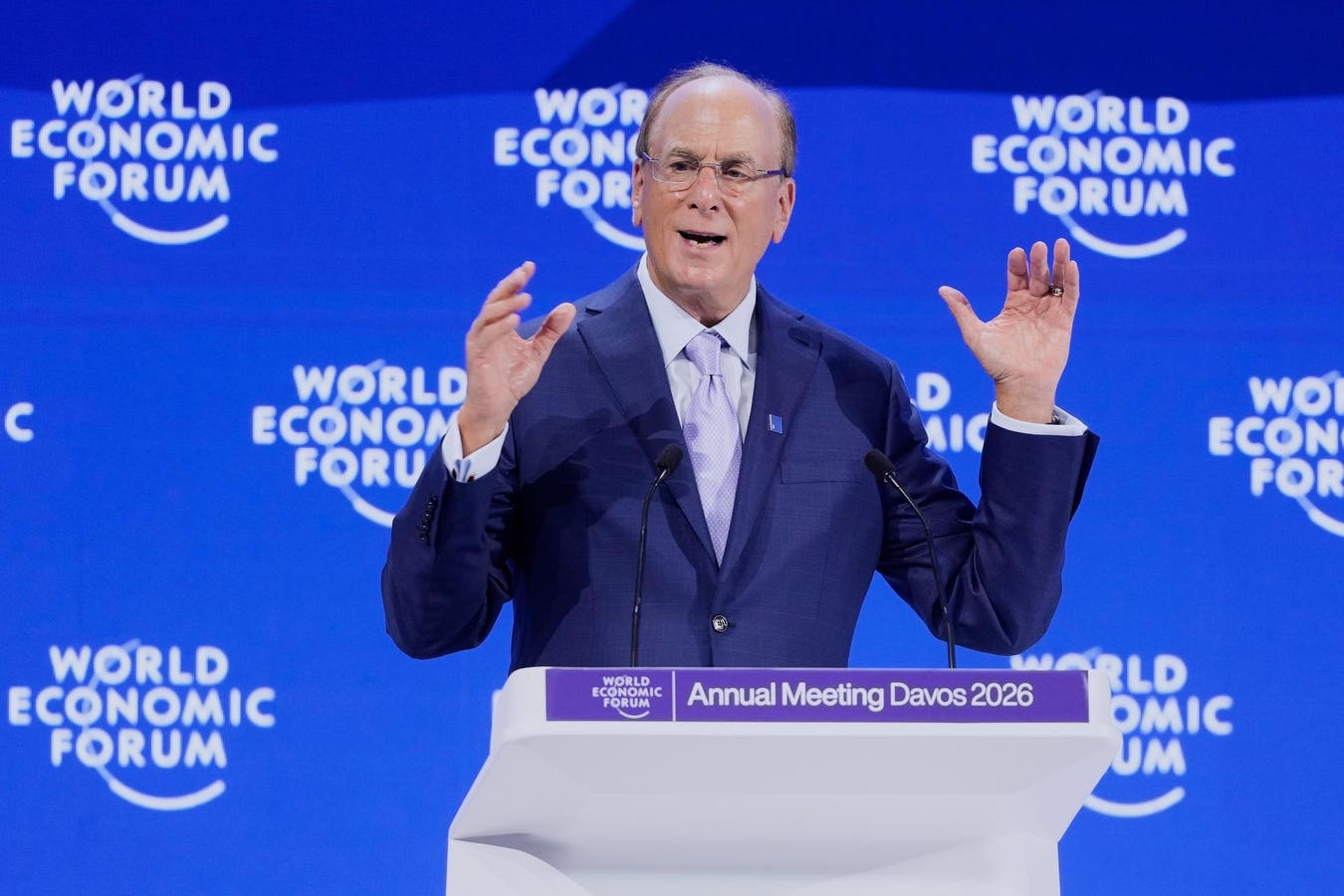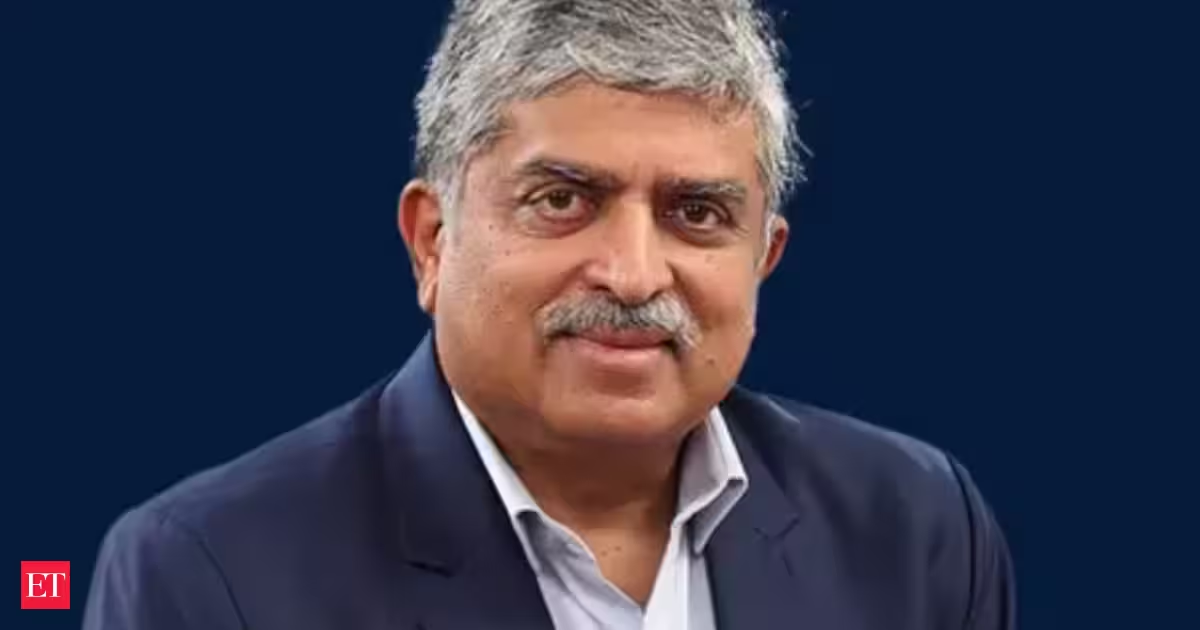
Nandan Nilekani, speaking at the Global Fintech Fest 2026, said regulators and central banks were concerned about the rise of cryptocurrencies and stablecoins and the potential risks if they were not adequately regulated.“Because from a central bank regulator's perspective, they were worried about the rise of cryptocurrency and stablecoins, and their view was that if these things are not regulated well, then you could have all kinds of issues,” Nilekani said.He said regulators therefore wanted to use the power of tokenisation within a regulated framework, with the necessary checks and balances. Nilekani co-authored a paper on the subject, which was published in 2024.“I talked about that paper right here at this event. Last year we talked about who all are participating. Today we'll actually talk about three live cases where people are implementing the internet ideas to do tokenization across three different disciplines and explain to you what we are doing there,” he said.Nilekani outlined three live pilots involving tokenisation.The first is in dairy, where a cow and information about the cow can be tokenised to enable access to credit.The second involves portable warehouse receipts. Grain, rice, wheat or other goods stored in a warehouse can have a receipt issued against them, which can then be tokenised to enable a loan against the inventory.The third pilot is a marketplace for the securitisation of assets.“These are just three examples I’ll give you. But what is important to note is that in all three places, the underlying technology is the same, and that's the whole idea of creating an architecture that is usable across multiple asset types in multiple situations,” Nilekani said.
Nandan Nilekani unveils three tokenisation pilots at Global Fintech Fest 2026
Regulators and central banks expressed concerns regarding cryptocurrencies and stablecoins. Nandan Nilekani highlighted tokenization's potential within a regulated framework. He discussed three live pilots implementing tokenization across different sectors. These pilots involve tokenizing dairy assets, warehouse receipts, and securitized assets. The underlying technology enables a unified architecture for various asset types and situations.
270 words~1 min read