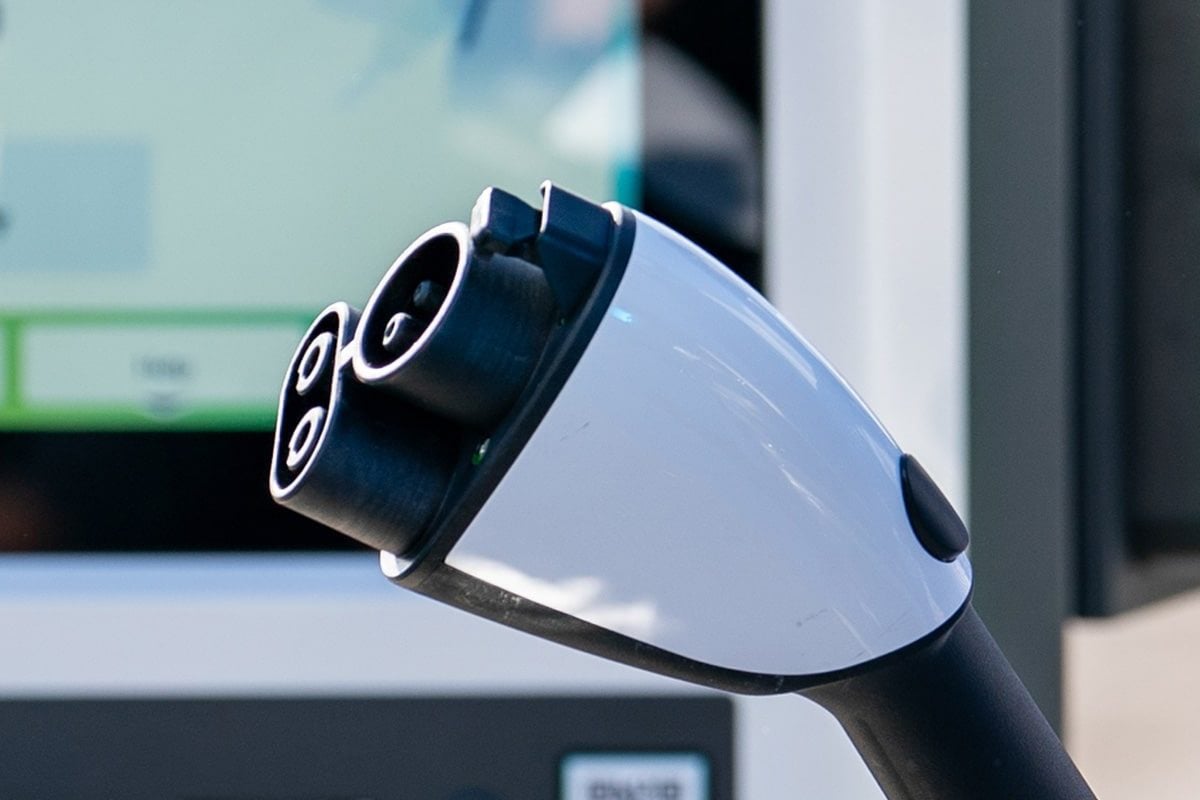
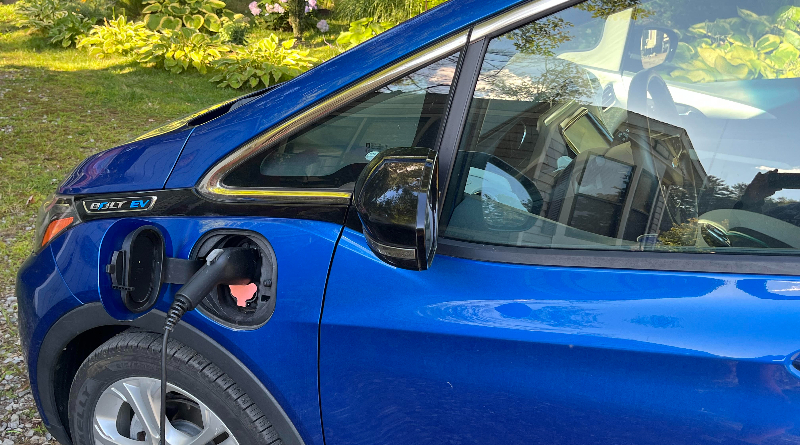
As I drove 500 miles across Pennsylvania and back in a little blue Chevrolet Bolt EV, a charging station near a dumpster at the back of a Pizza Hut parking lot proved to be a convenient stop. But after spending two hours charging there on back-to-back days and encountering more feral cats (four) than other drivers (one), I started to wonder about its overall utility.
It’s an important question, because the charging station was subsidized with $705,000 in federal taxpayer money, part of $4.5 billion being spent across the country through the National Electric Vehicle Infrastructure (NEVI) program, a Biden-era pot of money to install thousands of EV fast chargers nationwide.
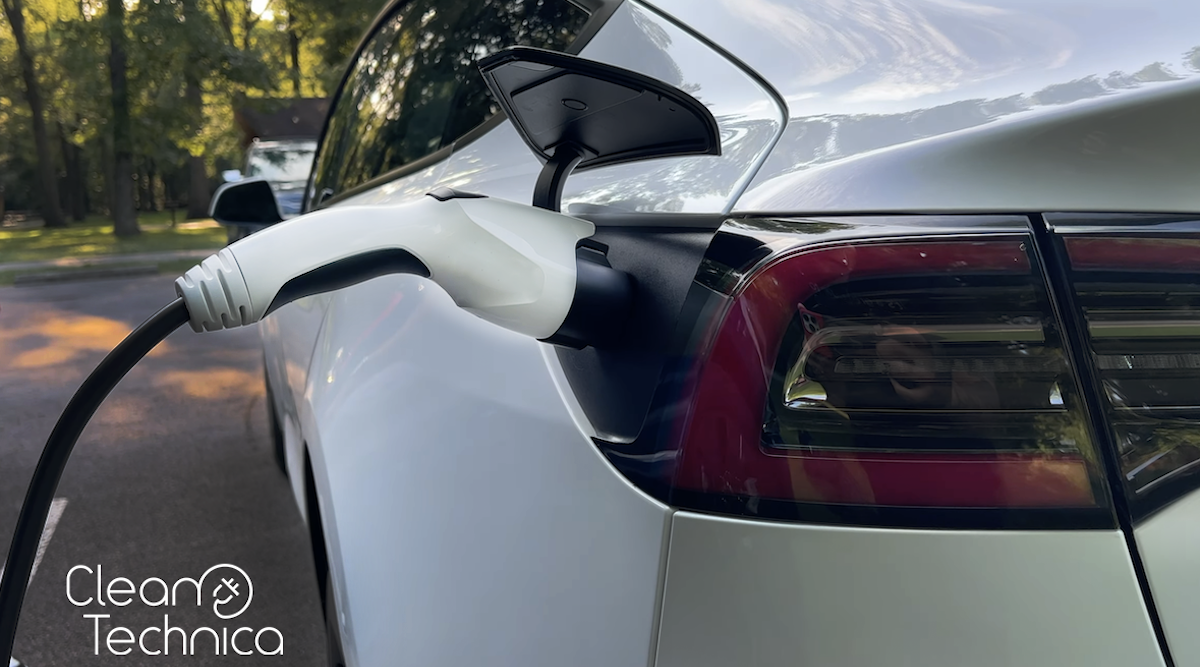
Just up the hill from the quiet Pizza Hut station was a Tesla supercharger station constructed with no such subsidy. It was crowded with drivers like Levi Morgan, a western Pennsylvania resident who stopped there amid a six-hour drive to Virginia with his family of five. For him, the company’s robust network was a major selling point, and he actually welcomed having to stop and charge every now and then.
“I know some people want to drive eight hours straight or whatever. We would never do that with kids,” Morgan said, adding that Tesla chargers seemed to be everywhere. “For us, they’re there anytime we need it.”