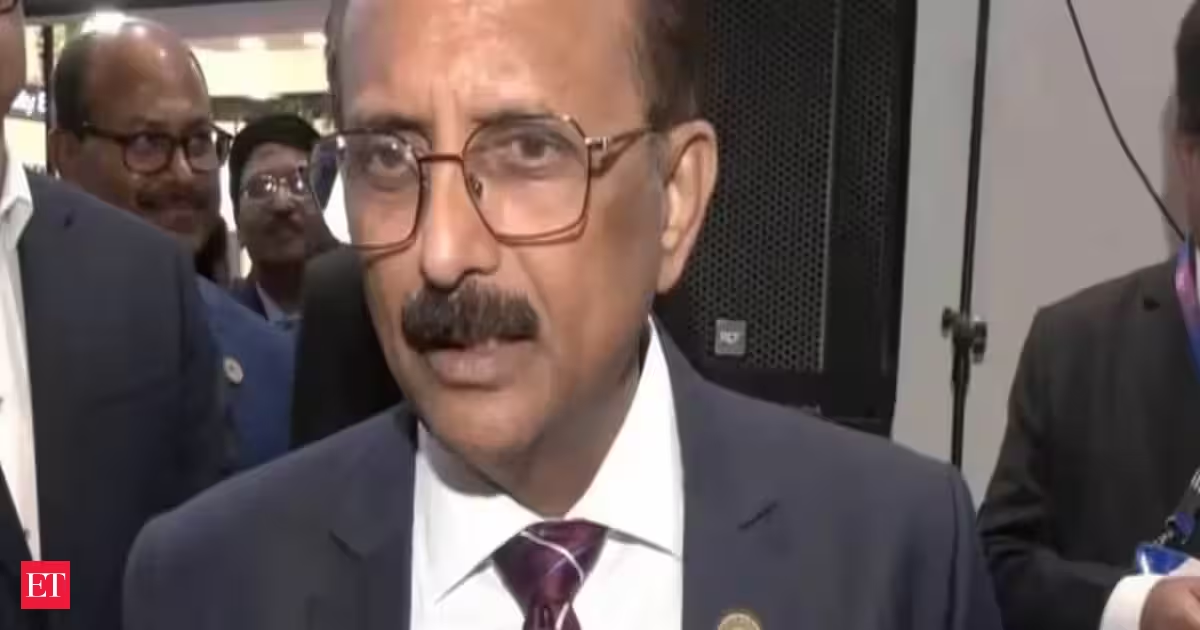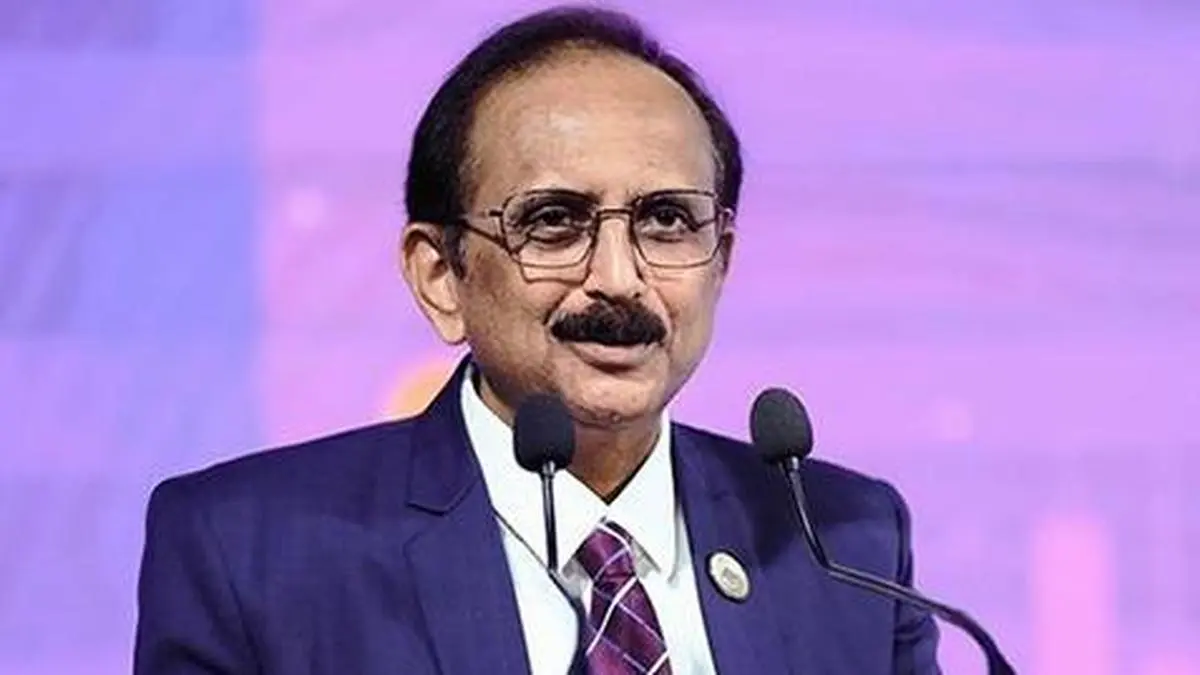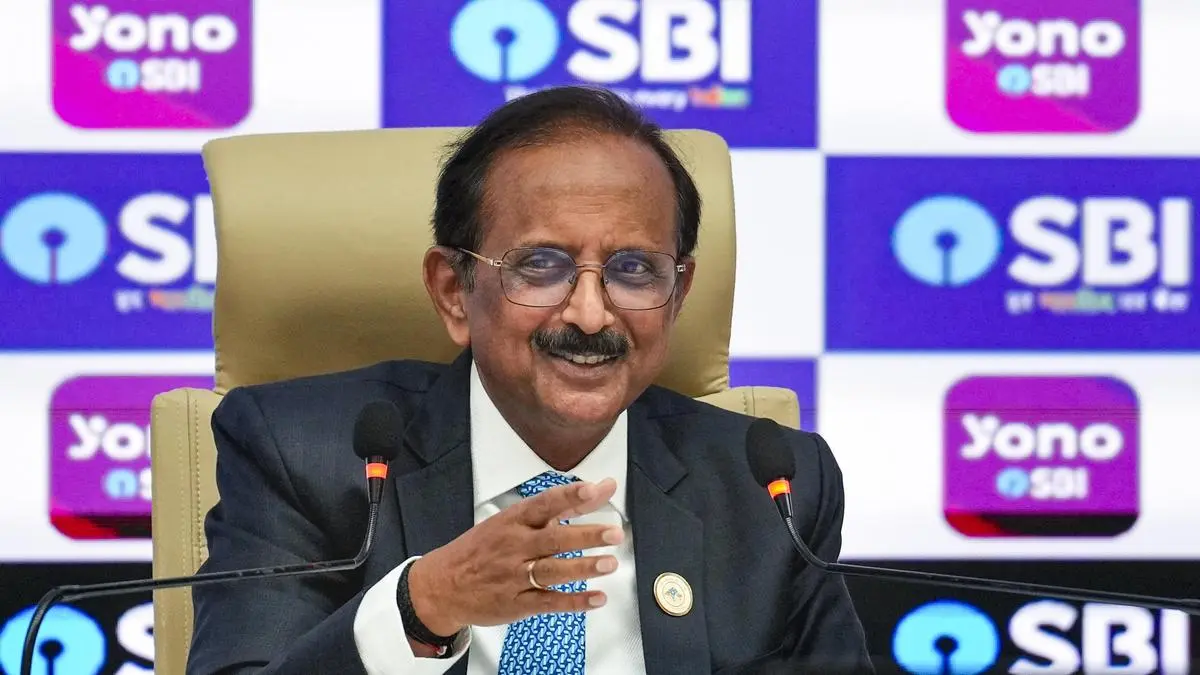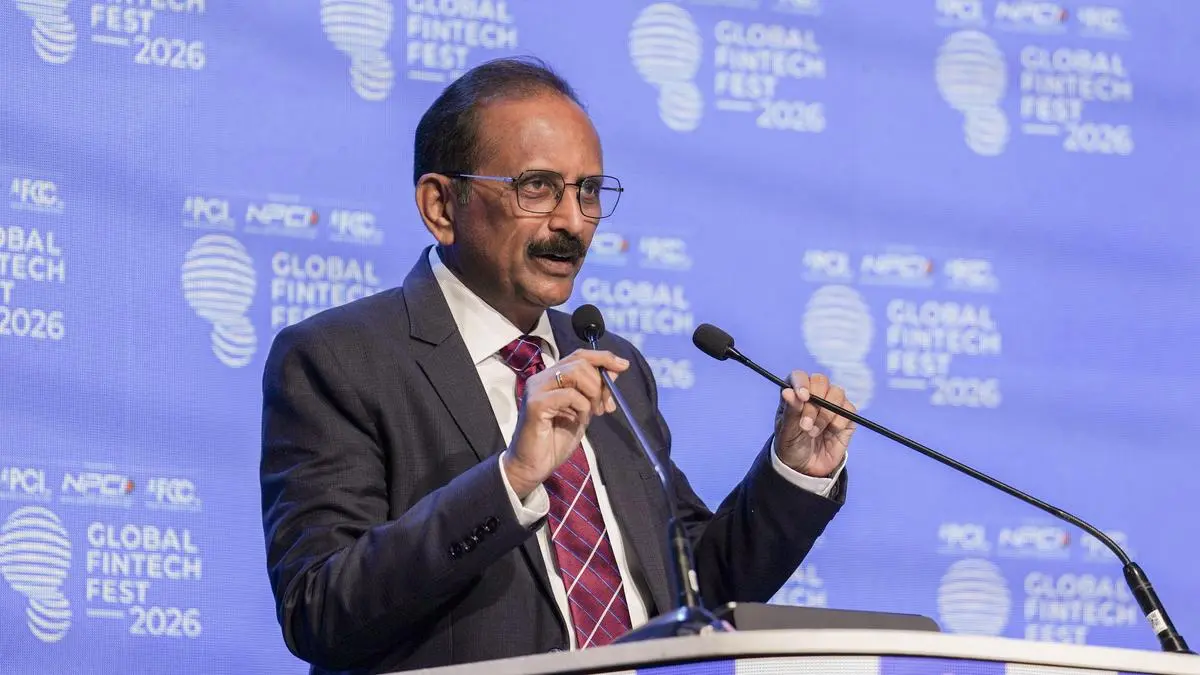
State Bank of India Chairman Challa Sreenivasulu Setty addresses the Global Fintech Fest 2026, in Mumbai, Maharashtra, Thursday, Sept. 10, 2026.
| Photo Credit:
PTI/KUNAL PATIL
It will take about three to four months for the liquidity generated from the Foreign Currency Non-Resident (Bank) deposit to get deployed, according to SBI Chairman Challa Sreenivasulu Setty.The banking system had a surplus of about ₹10.50 lakh crore as on September 08, 2026, per RBI data.“I think everybody will be more responsible. It will take about three to four months for the deployment of the liquidity. I don’t think it will happen in the next month,” he said on the sidelines of the Global Fintech Festival 2026.As of June 30, India’s largest bank had an excess investment in statutory liquidity ratio (SLR) securities of ₹3.06 lakh crore. “And as we speak, also contributed by the FCNR(B) flows, we have excess SLR of ₹4 lakh crore,” Setty told analysts on August 8th.Ashwini Kumar Tewari, Managing Director, SBI, then emphasised that the Bank’s loan pipeline is very strong. “Overall, if you include the undisbursed term loans, unutilized working capital and pipeline, it exceeds ₹9 lakh crore. So, there is a strong pipeline for corporate credit,” he said.The surplus liquidity in the banking system is the result of FCNR (B) deposits aggregating $127.23 billion mobilised by banks under the RBI’s limited period concessional swap window during the 85-day period from June 8 to August 31. These Dollar inflows have been swapped by banks with RBI to receive Rupee liquidity.Madan Sabnavis, Chief Economist, Bank of Baroda, said since banks raised FCNR (B) deposits at 6.00-6.50 per cent during the 85-day period, they will be seeking credit deployment opportunities at a higher rate.The current parking of surplus funds by banks at the variable reverse repo rate auction window at 5.24 per cent is only temporary. Sabnavis opined that the RBI may wait for more clarity to emerge on the liquidity front, post GST and advance tax outflows, before taking measures to drain out surplus on a durable basis.Published on September 10, 2026