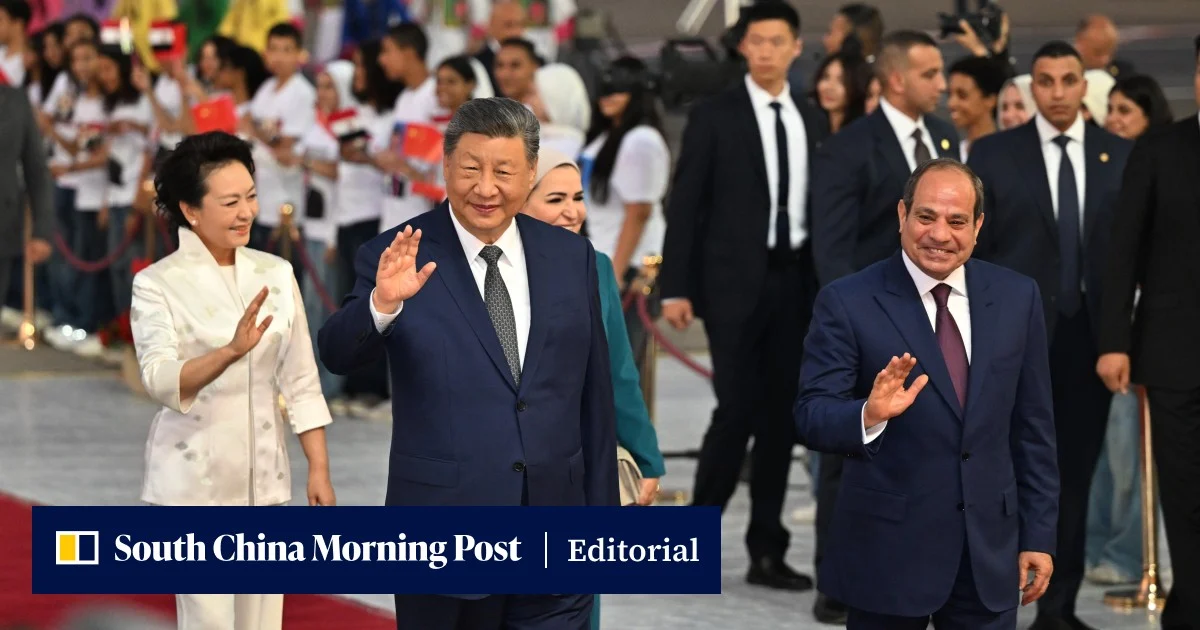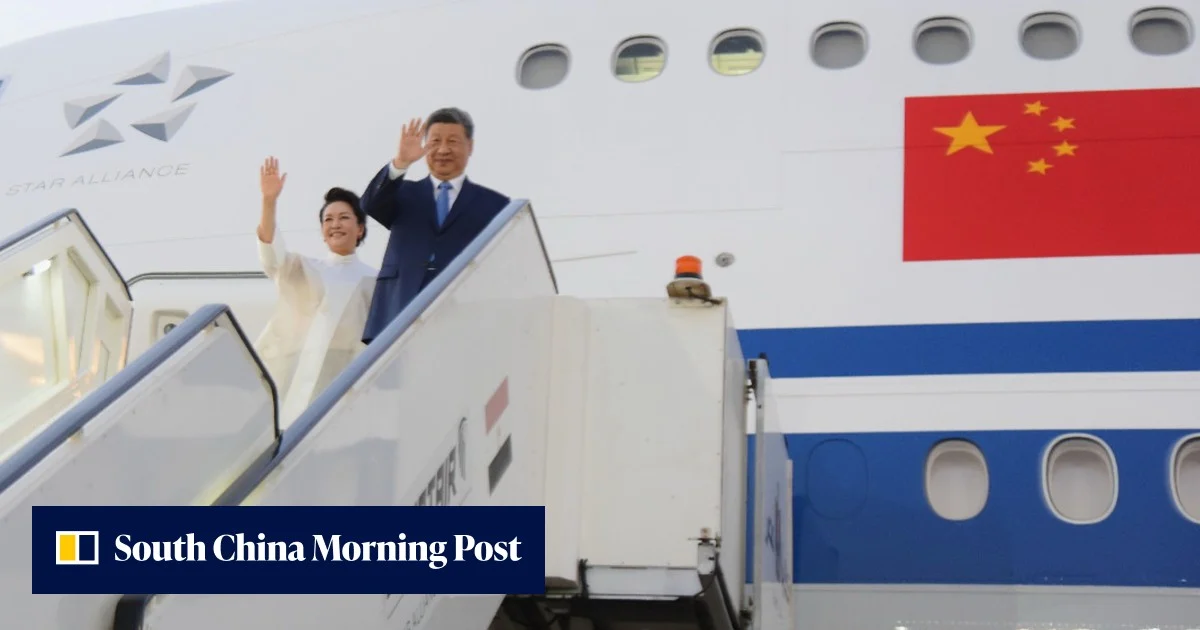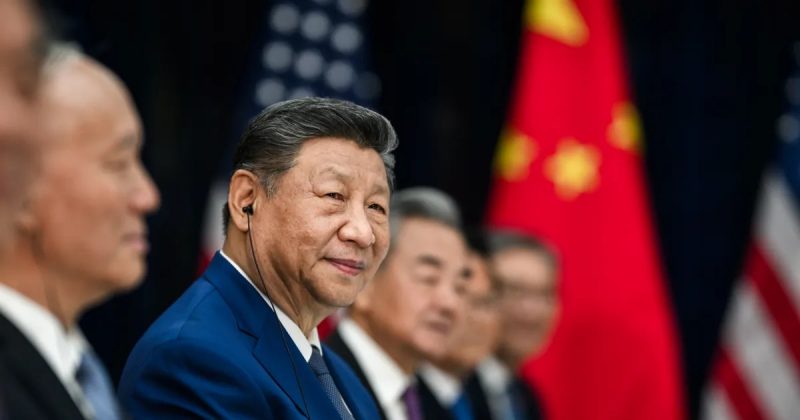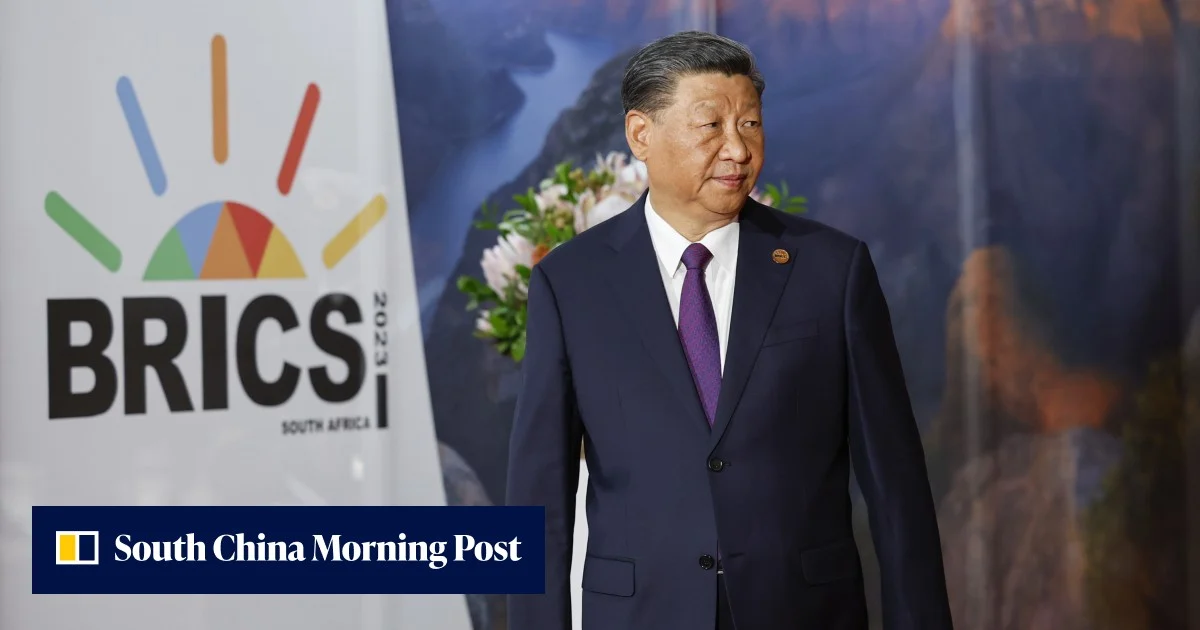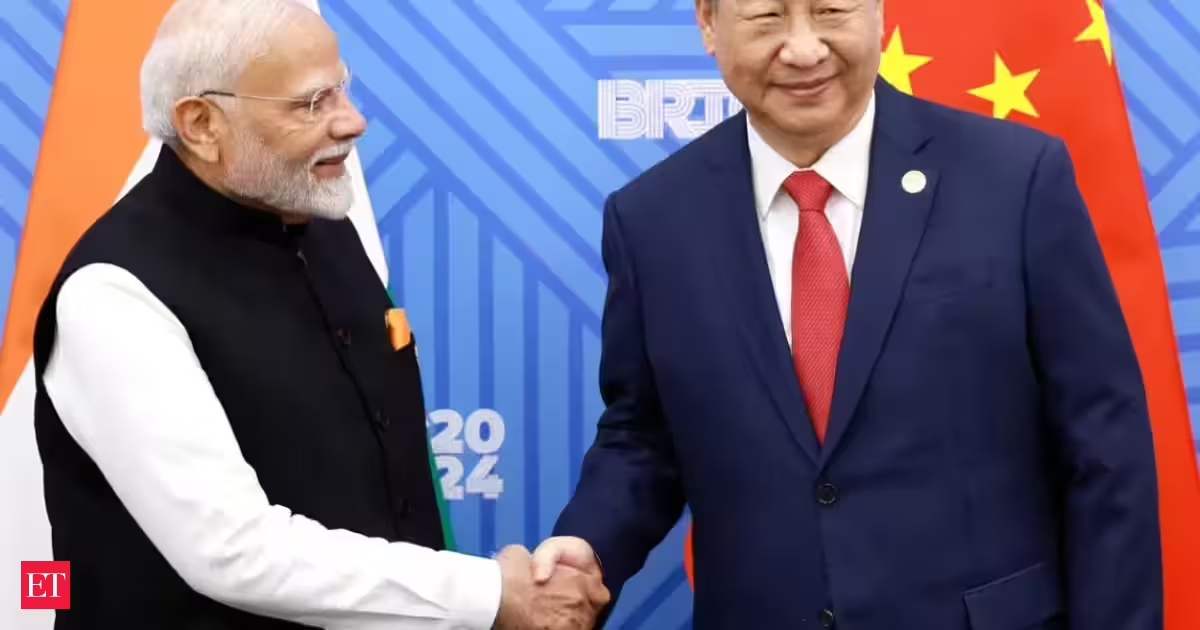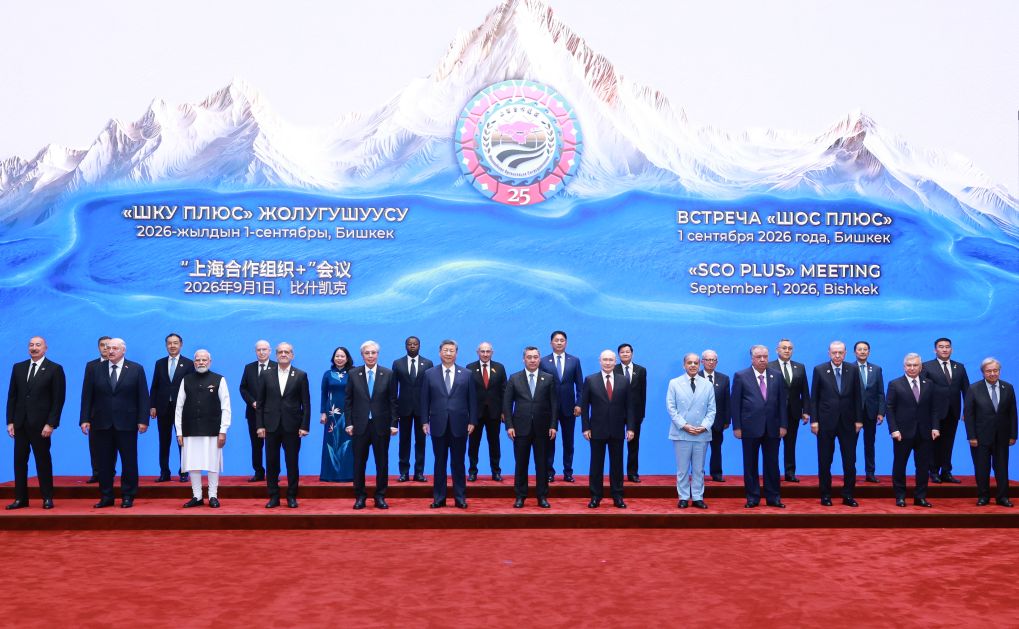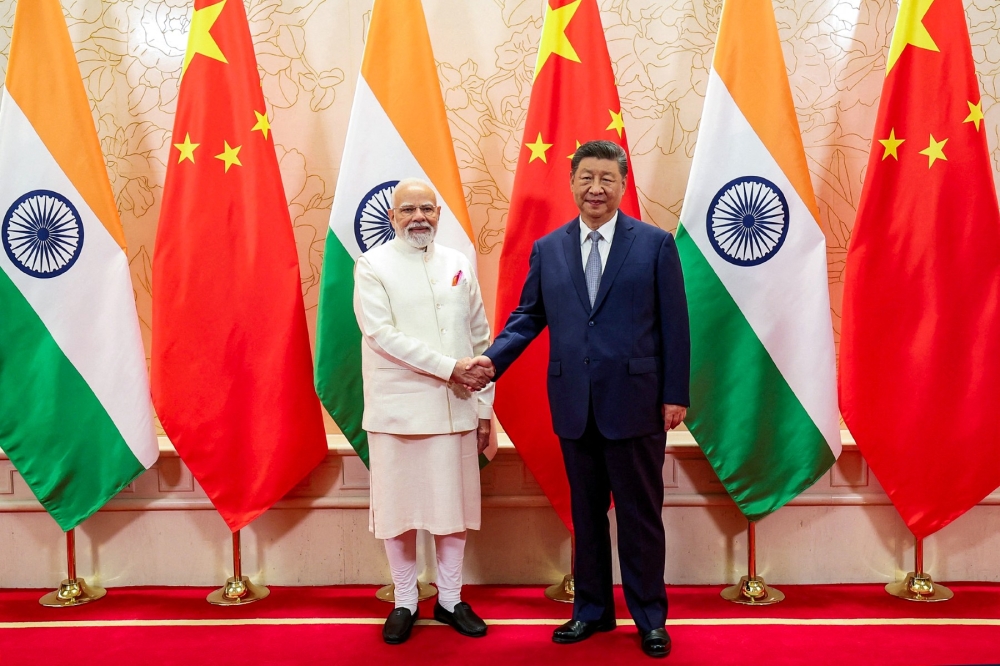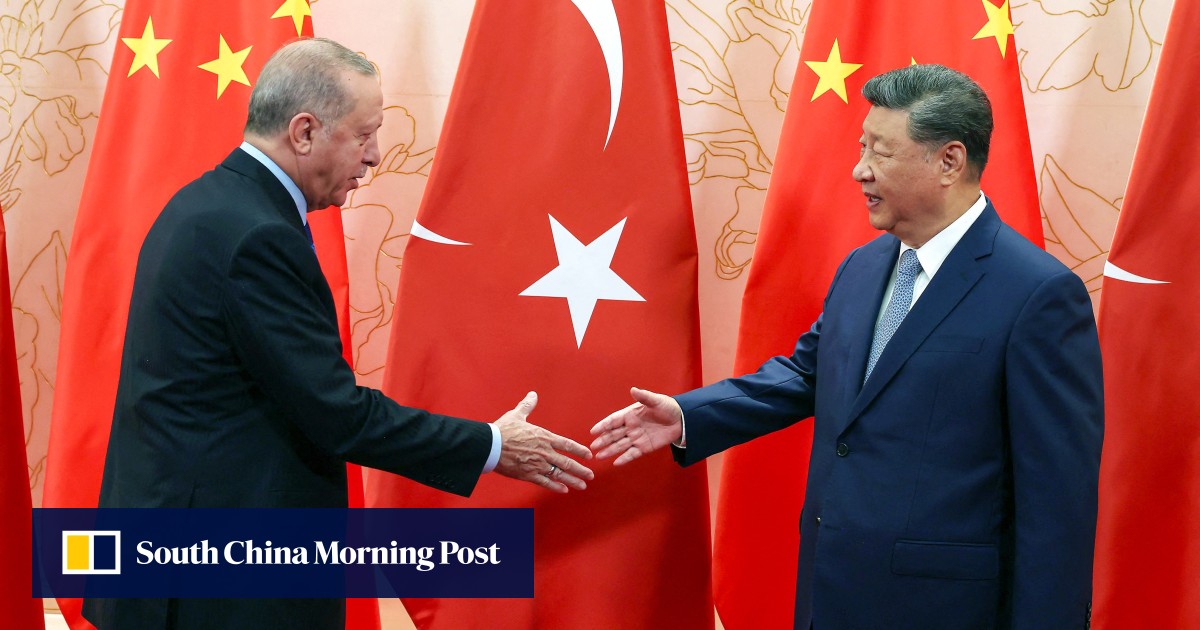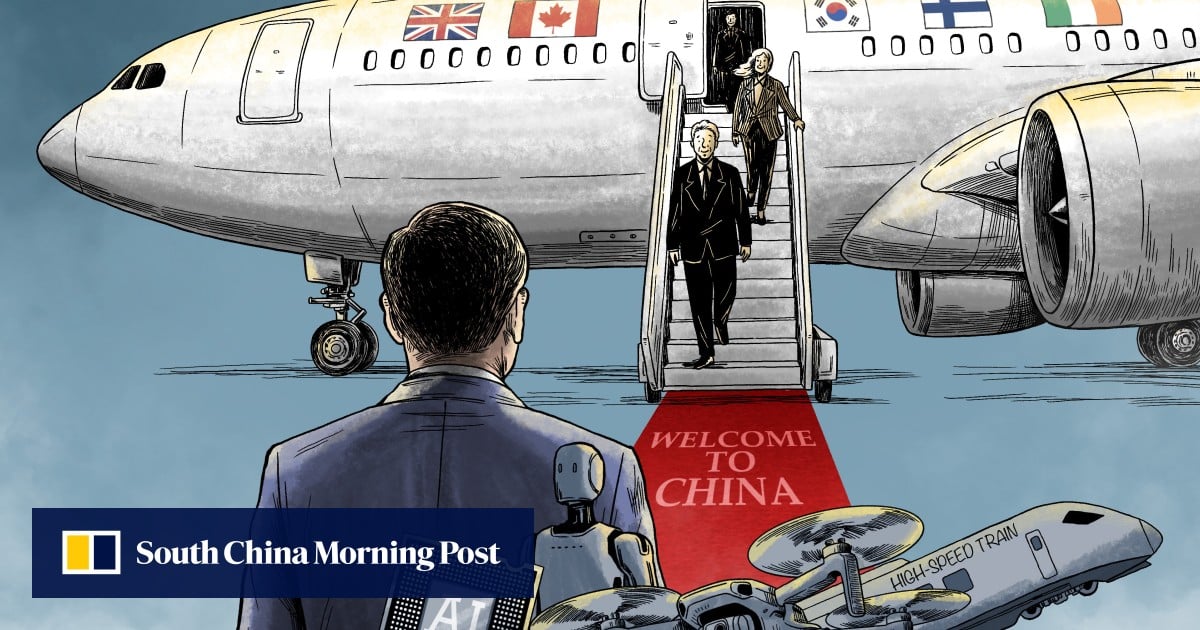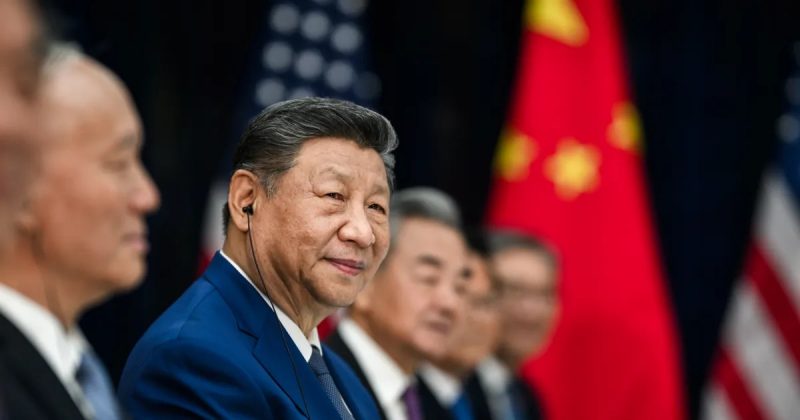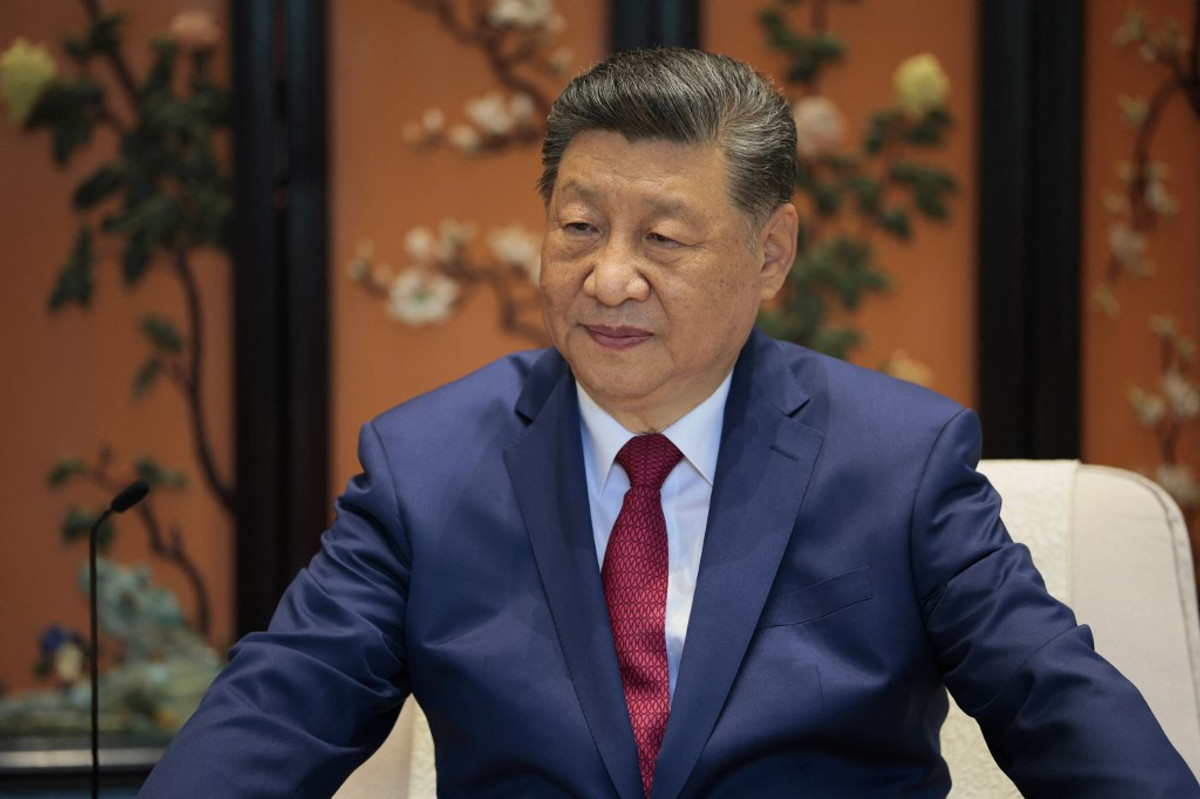
China’s foreign policy has been traditionally viewed through the lens of its relationship with the United States. While Washington remains its most important economic partner and strategic competitor, Beijing’s push for a multipolar world is increasingly visible in its systematic efforts to convene a wide range of international groupings, institutions and economic networks in which China can play an indispensable role.Xi Jinping’s September diplomacy provides a particularly vivid example of this strategy. Over the course of the month, the Chinese president is engaging with the leaders of Russia, India, Iran, Central Asian states, Egypt and several emerging powers through a succession of summits and bilateral meetings, before he meets President Donal Trump at the end of the month. Taken together, these engagements offer a window into how Beijing is attempting to strengthen its position across Eurasia and the wider Global South, moving away from the US-led international system towards a multi-polar world order.JOIN US ON TELEGRAMFollow our coverage of the war on the @Kyivpost_official.The Influence of the war in UkraineThere is another thread running through this diplomatic sequence: Russia’s war in Ukraine. Although the war is unlikely to dominate the formal agenda of most of these meetings it will have a bearing. Beijing may continue to avoid openly aligning itself with Moscow, but China has emerged as the largest buyer of Russian crude oil and as the biggest transshipment hub of components used in Russian weapons.
Chinese president starts diplomatic onslaught of meetings throughout September .
The program of meetings planned for President Xi Jinping in the coming month signals a reset of the way China views its future role in the world.
1,590 words~7 min read