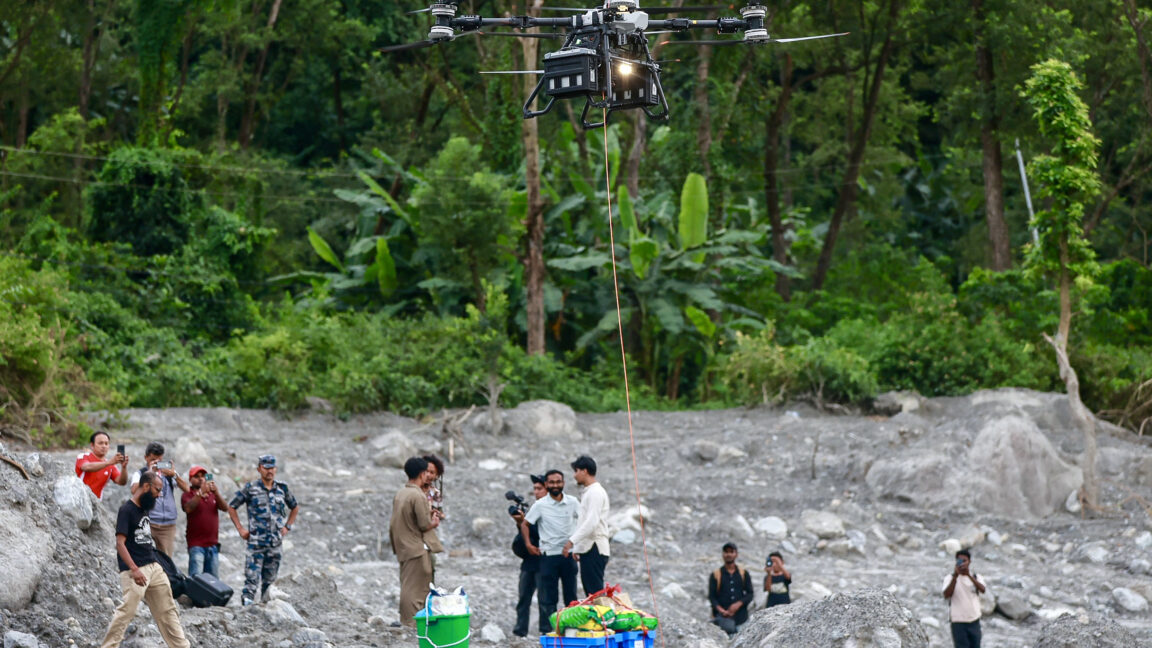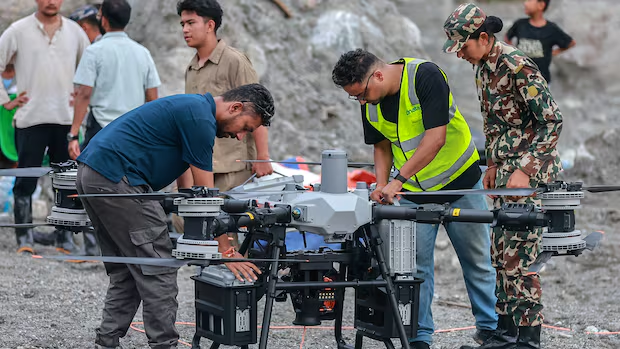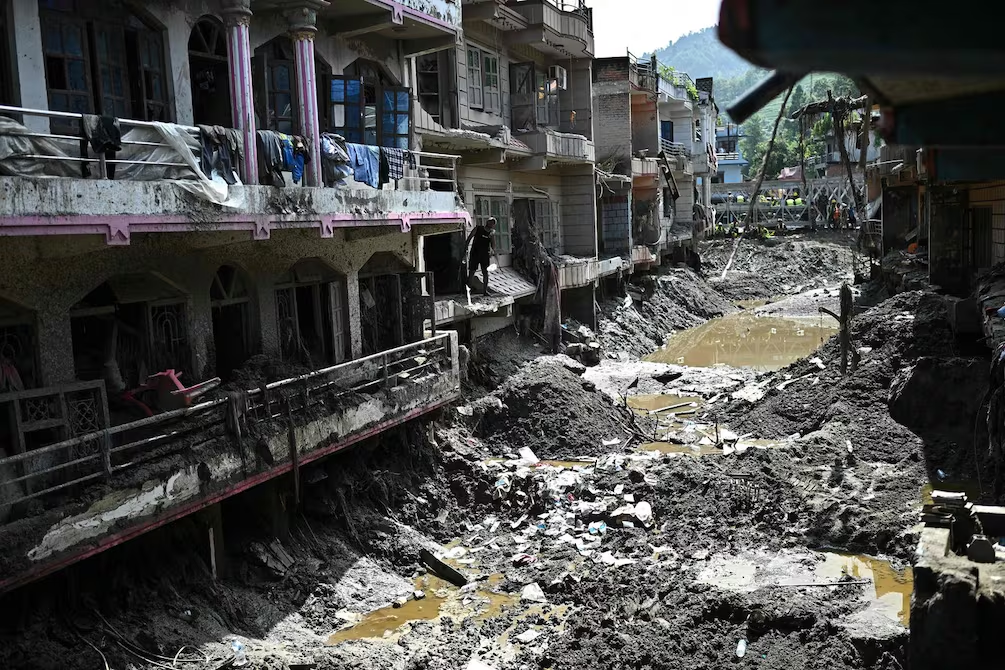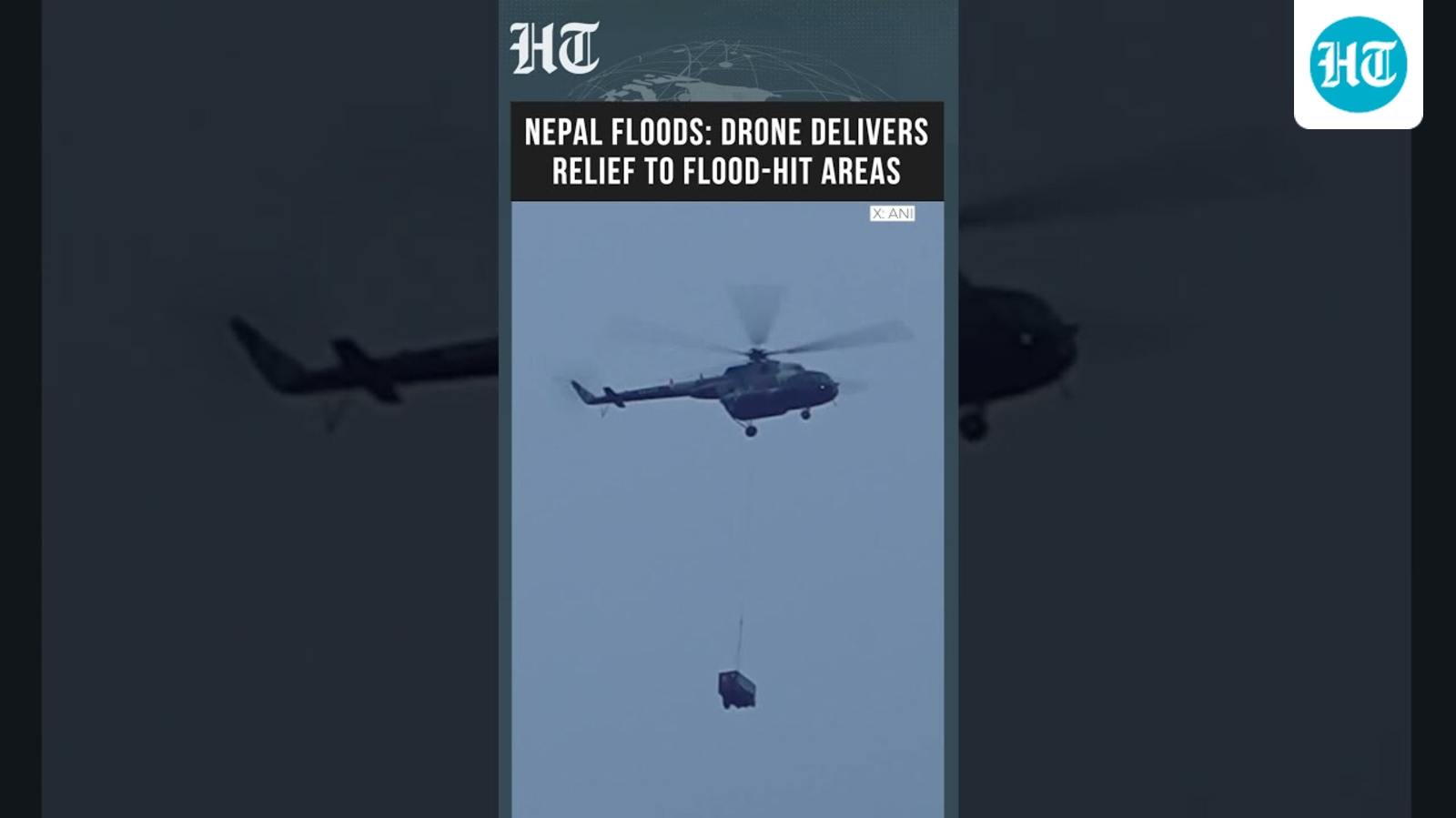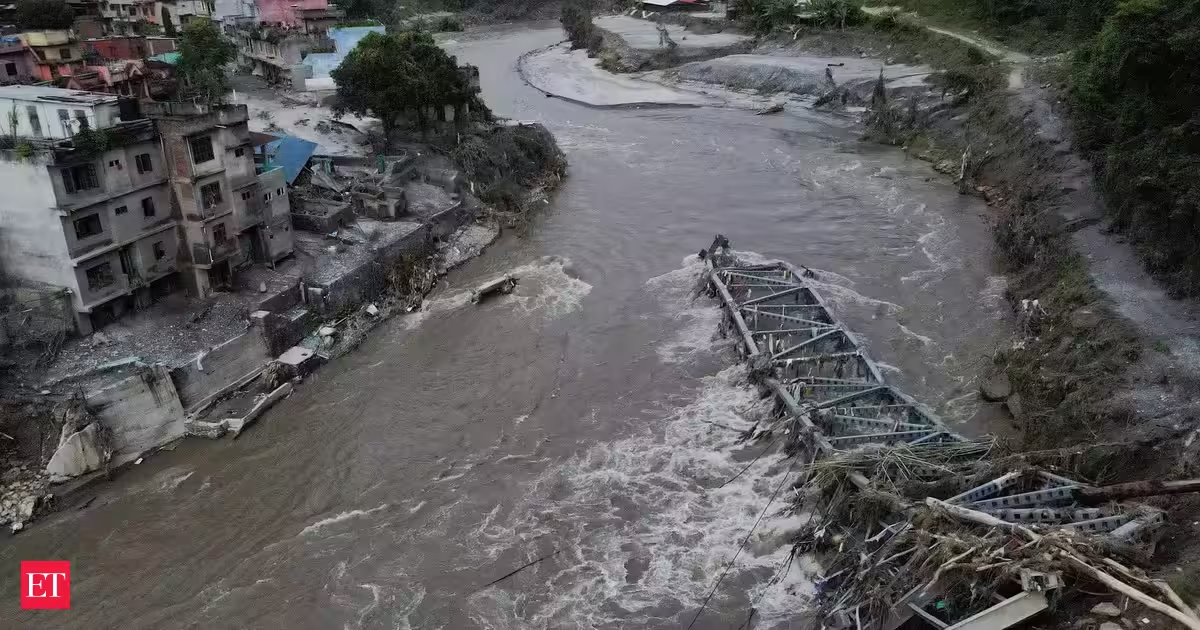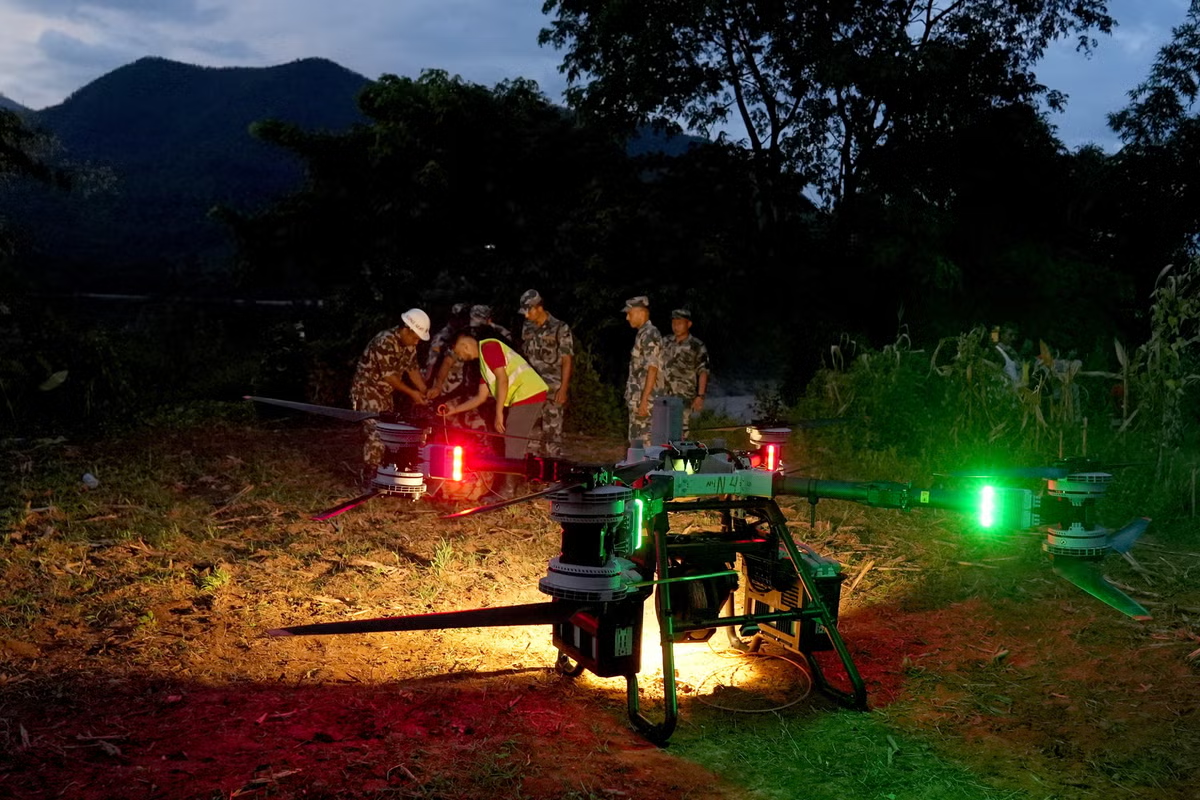
Nepal’s army has deployed drones to deliver aid to people displaced by last month's devastating flash floods, which tore through settlements and caused widespread devastation.At least 1,367 people are confirmed dead and more than 5,000 remain missing in the country.In the days after the disaster, triggered by a Himalayan glacier breaking off near the Nepal-Tibet border on 26 August, survivors rued they were receiving an inadequate amount of supplies and food to sustain themselves.With many roads and bridges destroyed and helicopters busy with search and rescue work, the army this week deployed a fleet of drones donated by China to deliver food and other essential items. “There’s no other way to send food, essentials, medicine and fuel, except for drones, which are the best option to utilise, and we should prioritise them more,” Santosh Budhathoki, a drone pilot contracted by the army, said.The army said it was making 10-16 deliveries a day via a fleet of four DJI FlyCart 100 drones, each of which can haul up to 60kg at a time over a distance of 3-4km. Technicians prepare a drone before it carries relief supplies to a flood-affected area in Trishuli in Nepal on 4 September 2026 (AFP/Getty)The military is also using the drone fleet to move bodies in some of the affected areas. “We’ve been operating back and forth early in the morning. So yes, it’s quite hectic, because we need to have this thing right now,” Milan Pandey of the drone operating company, Airlift Technology, said.“Nepal has this geography, this terrain where drones would be really faster, quicker and cheaper,” he added.Prime minister Balendra Shah, meanwhile, is set to hold a cabinet meeting to discuss relief work with a focus on ramping up rescue operations at hydropower project tunnels where hundreds of workers are believed to be trapped.A man walks past damaged houses following deadly flash floods in Devighat, Nuwakot district, Nepal, on 8 September 2026 (Reuters)In a letter to the UN, Nepal’s government has demanded $20m in climate compensation from major emitters like the US, China and India in the wake of the devastating floods.Nepal is nestled between two of the world’s largest greenhouse gas emitters in India and China. The Himalayan country itself contributes less than 0.1 per cent of global emissions.“We’re paying the ultimate price for a global crisis we did not create,” foreign minister Shisir Khanal told AFP last week. “Support for Nepal should not be seen from an angle of aid or charity, but should be seen from the perspective of climate justice,” he said.President Ramchandra Paudel made a “heartfelt appeal” to the international community earlier this week to “not only listen to the voices of ecologically vulnerable countries including Nepal but to also take concrete and effective steps to ensure climate justice for them”.
Nepal deploys drones donated by China to deliver aid to flood-hit communities
Army making 10-16 deliveries a day via fleet of four drones
463 words~2 min read