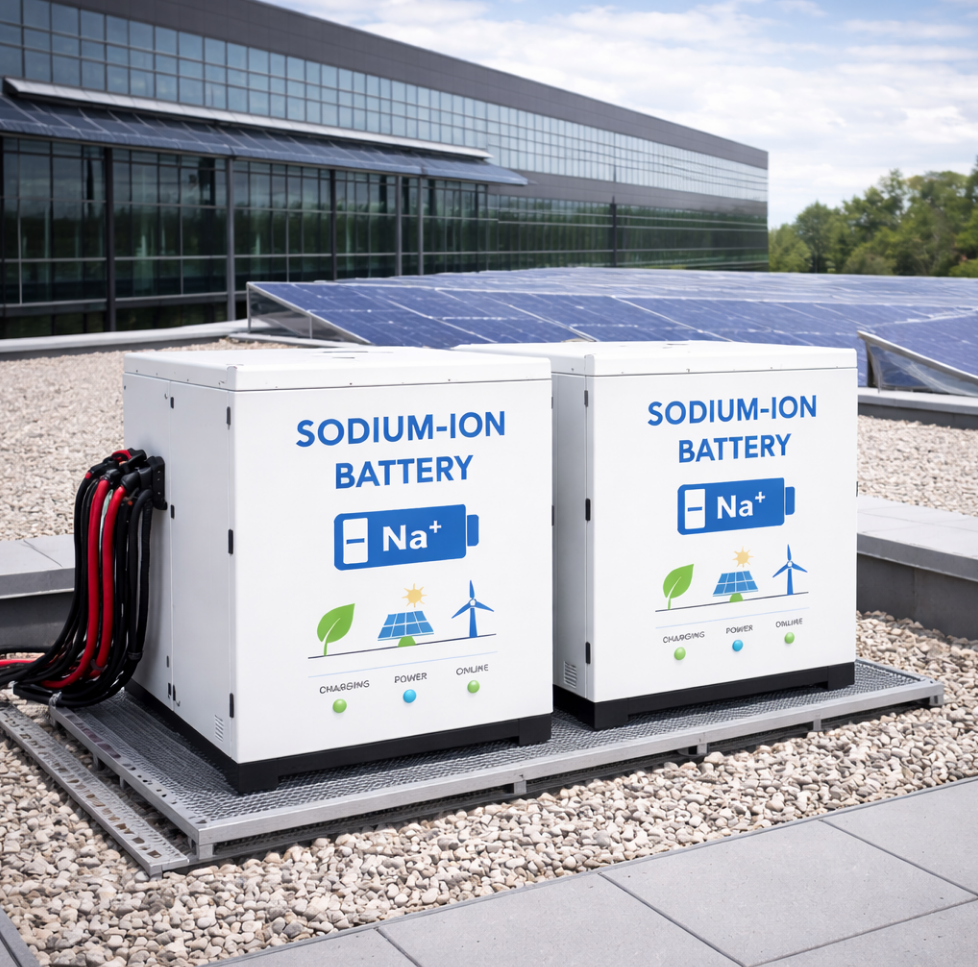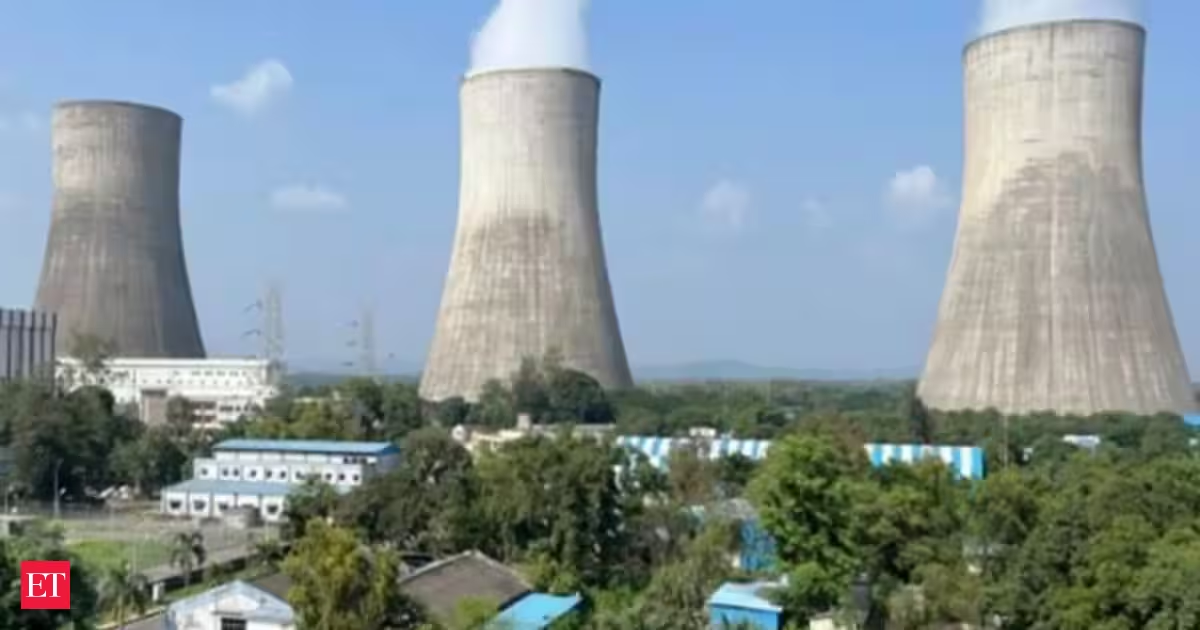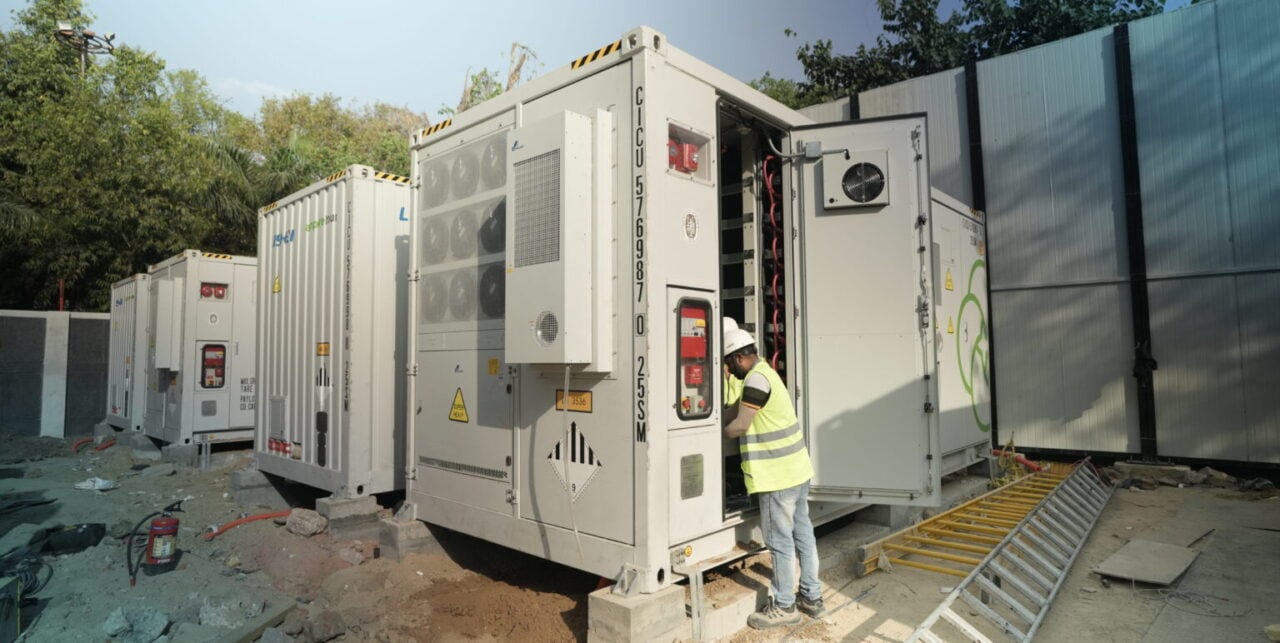
The pilot is intended to trial the potential of Na-ion for further large-scale BESS sites across NTPC’s portfolio. With India currently tendering for and constructing multiple gigawatt-hours of lithium-ion (Li-ion) battery storage, there is a need to diversify the mix of resources and supply chain dependencies, NTPC said.
According to a report from the trade association India Energy Storage Alliance (IESA), demand for advanced chemistry cell (ACC) batteries in India stood at 28GWh in 2025, with around 60% for electric vehicles (EVs) and 40% for BESS applications.
By the mid-2040s, IESA projects demand of over 700GWh, while the Institute for Energy Economics and Financial Analysis (IEEFA) and JMK Research have forecast a 36.5% CAGR in battery demand, to ~272GWh, by the 2030 financial year (FY2030).
Yet the supply chain for lithium iron phosphate (LFP) batteries that power nearly all new BESS facilities is largely based in or controlled by China. Research firm Wood Mackenzie Power & Renewables said in a recent report that self-sufficiency in India’s battery cell supply is at least a decade away.
Against a backdrop of limited domestic availability of lithium resources, NTPC is considering sodium-ion as an alternative technology based on more widely available raw materials. Reducing domestic dependence on imported lithium and other critical materials could provide potential for the development of an indigenous supply chain. Technology development and manufacturing at scale could make Na-ion cost-competitive, NTPC said.