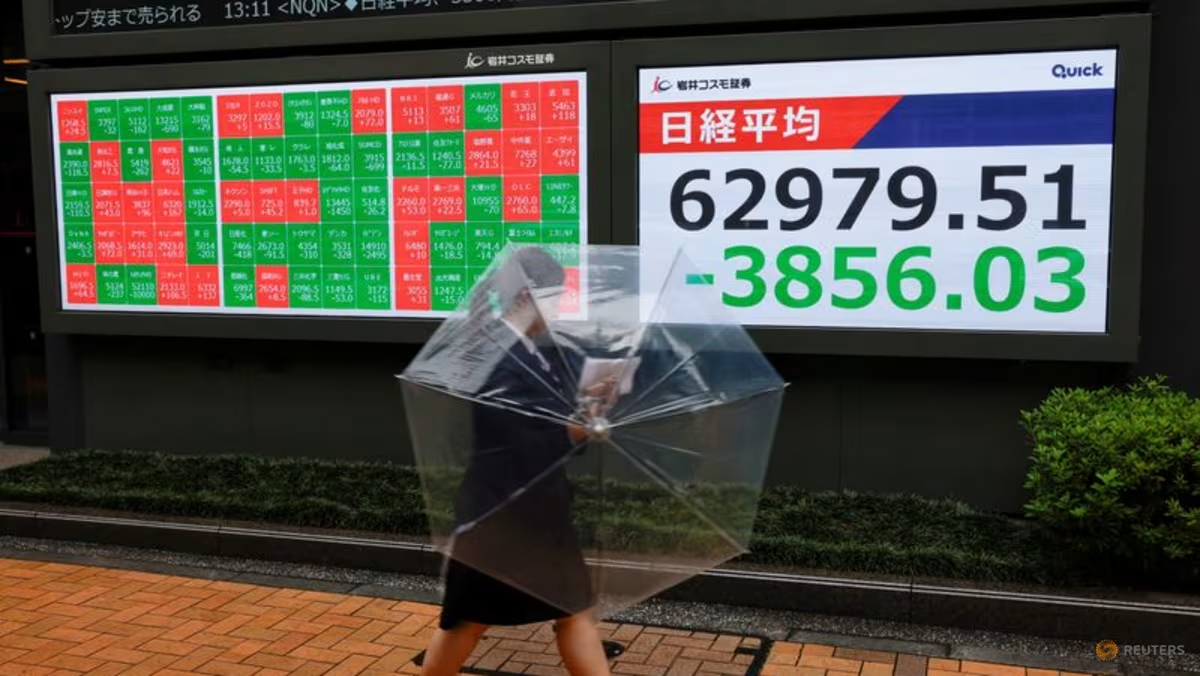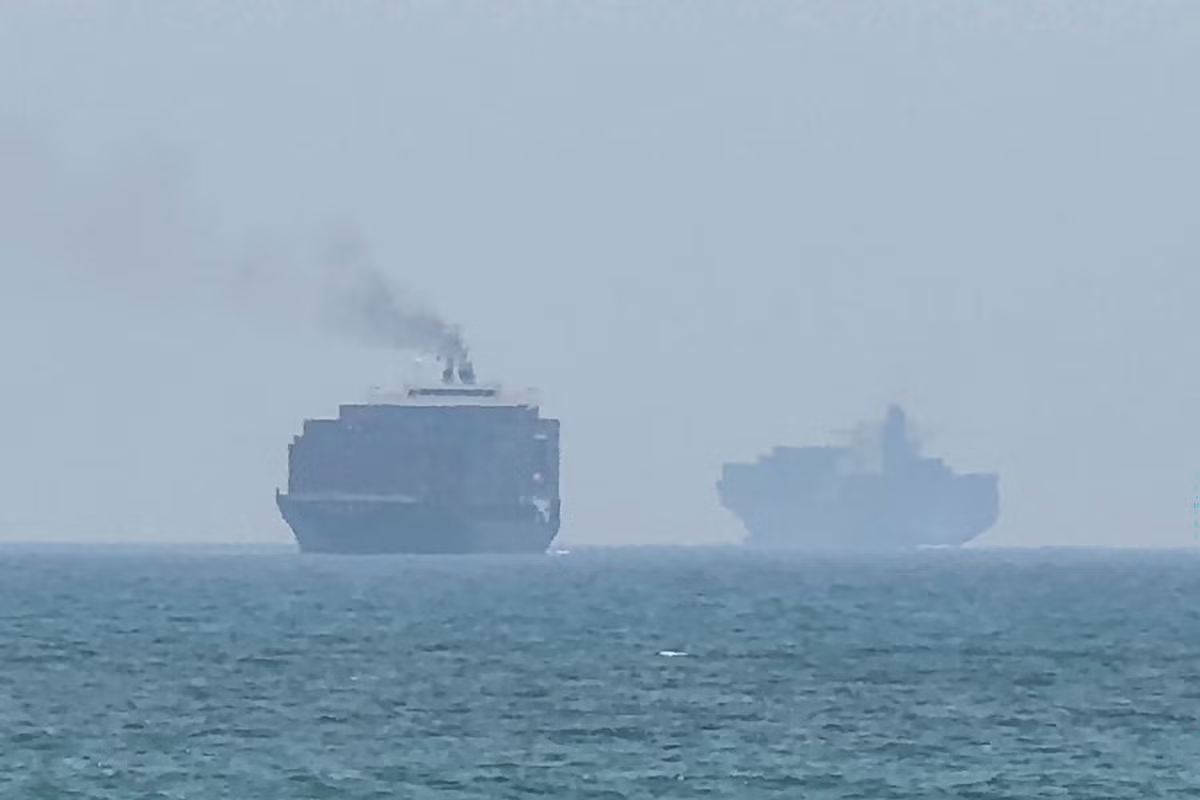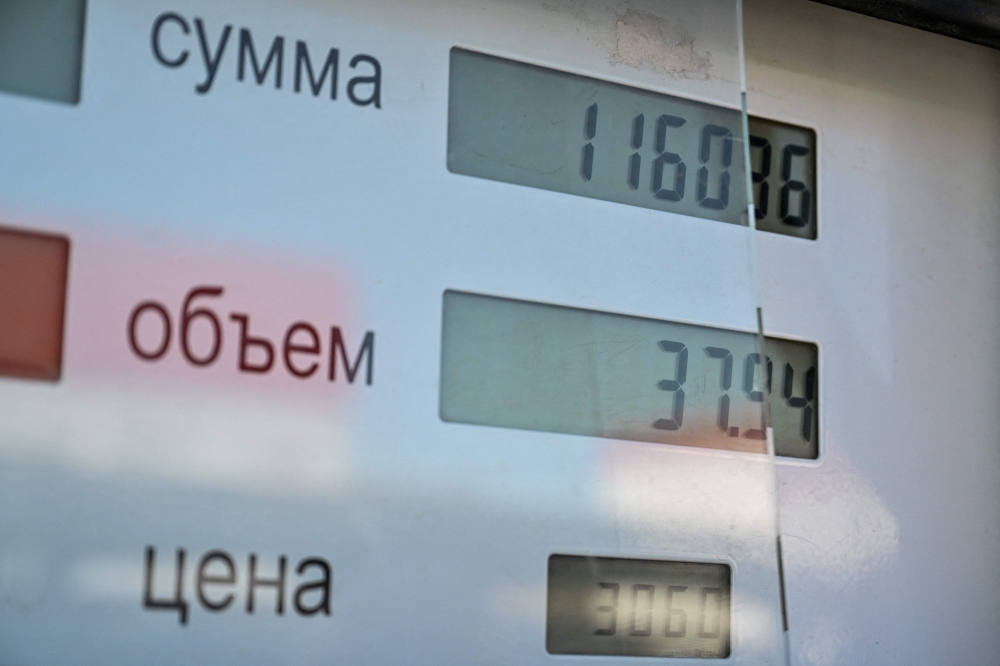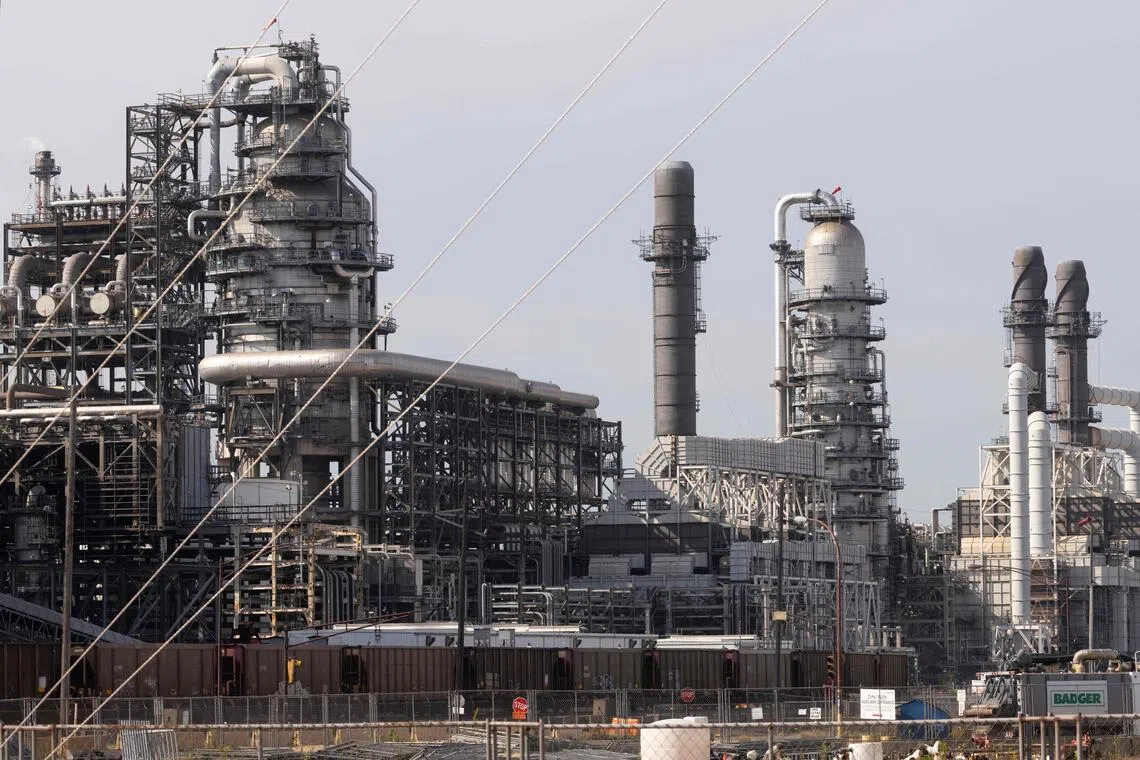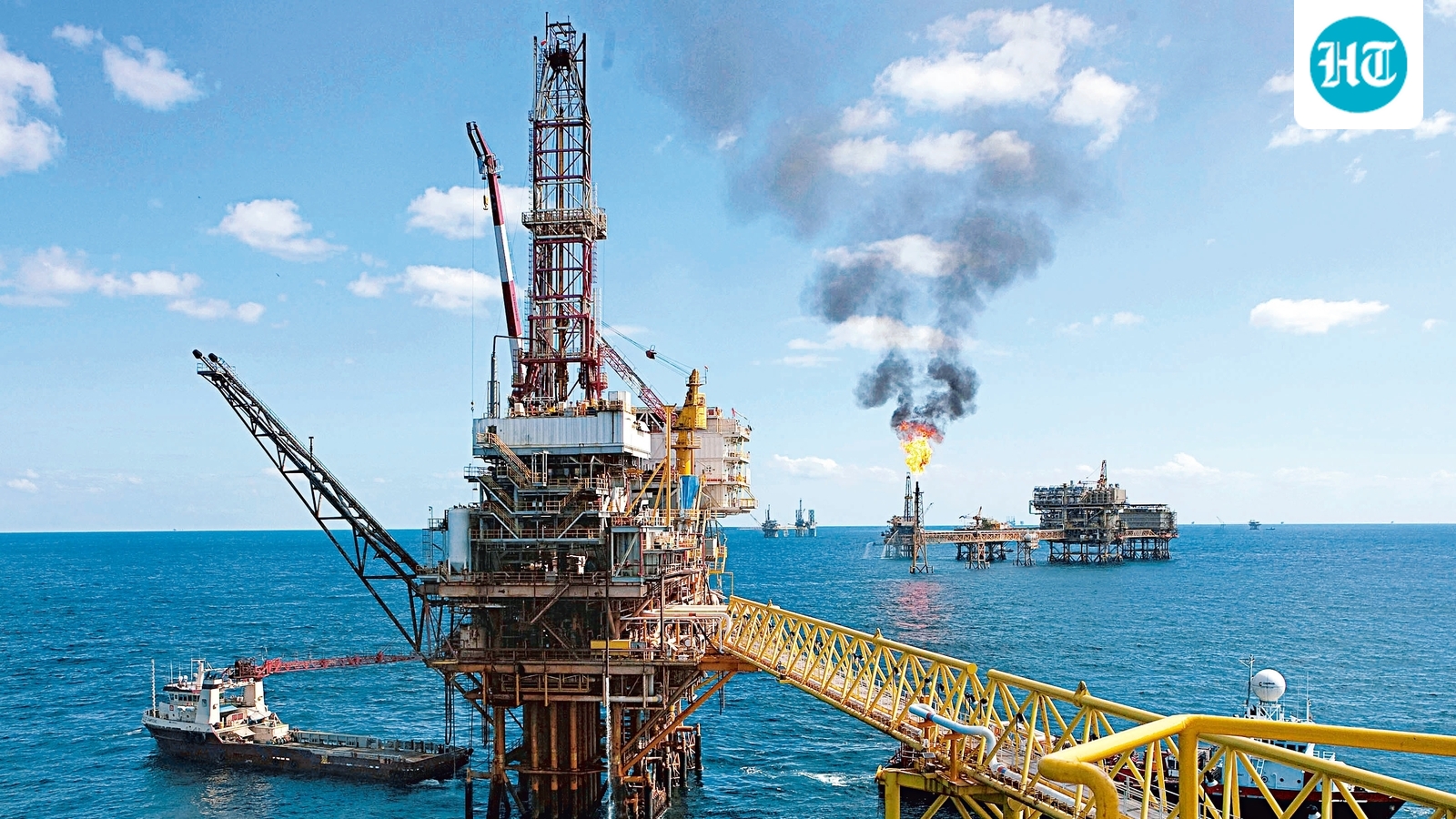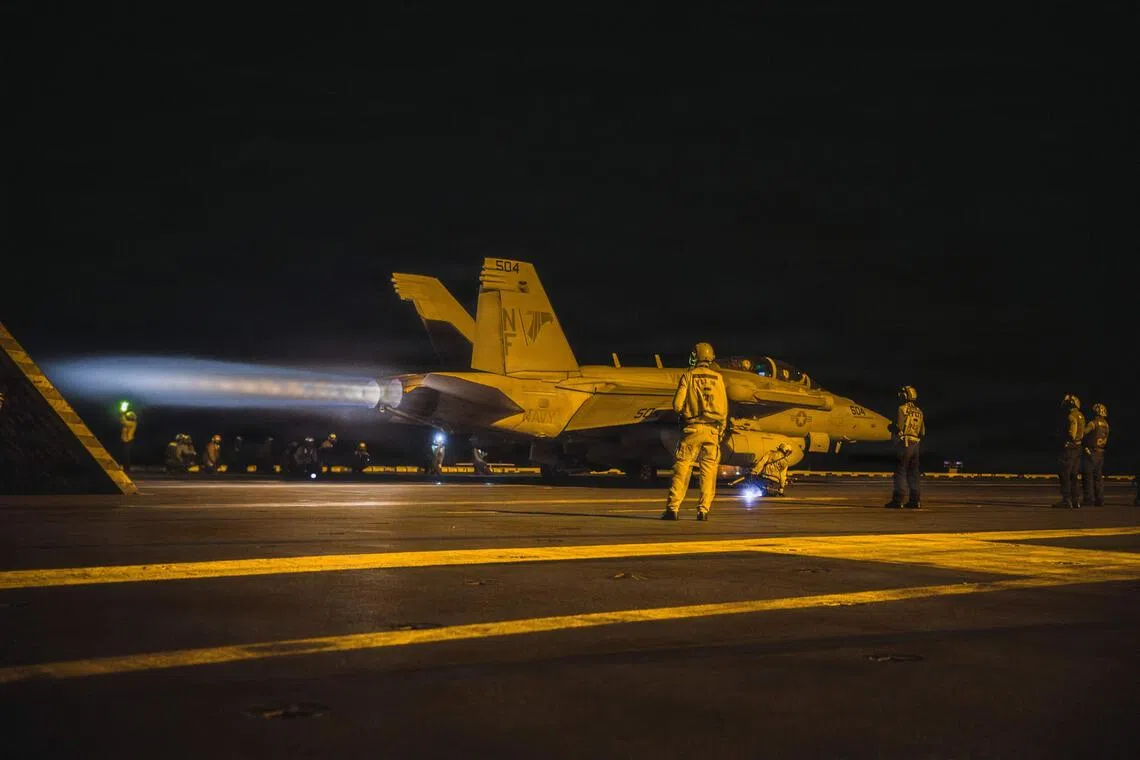
Asian stocks fell Thursday and Brent oil held gains a day after breaking the psychological $100 barrier on the back of resurgent Middle East hostilities that have fanned inflation fears. With the US and Iran exchanging strikes on oil tankers in the crucial Strait of Hormuz – and Saudi Arabia entangled in a conflict with Yemen's Houthi rebels – there appears little prospect of an end to the crisis. Read moreHouthi attacks disrupt Saudi oil facilities and wound more than 70 Brent crude struck past $101 on Wednesday for the first time since July and has surged more than 20 percent in less than a week as forces exchanged attacks on vessels in Hormuz. That has fanned speculation the US Federal Reserve and other central banks will have to hike interest rates to tame prices – US diesel is already at a record of almost $6 a gallon. The European Central Bank is tipped to lift borrowing costs Thursday. In the latest round of attacks, Iran said it hit more than a dozen ships attempting to pass through the strait Wednesday, and announced an expansion of a no-go zone outside the waterway. Tehran has choked off the strait since the US and Israel launched the war against Iran at the end of February while Washington continues to press a counter-blockade of Iranian ports. Iran also said it struck a US military base in Jordan in response to US forces destroying five Iranian oil tankers a day earlier. Meanwhile, Saudi Arabia is entangled in a conflict with Houthi rebels who are striking oil facilities in the kingdom as part of an offensive towards the Red Sea's Bab al-Mandab chokepoint. The rebels reported about 40 strikes in a fresh Saudi attack Thursday. The waterway is an increasingly important route for Saudi oil with the Strait of Hormuz shut.
Oil spike past $100 dampens stock prices, fans inflation fears
As the US and Iran trade air strikes in the vital Strait of Hormuz and Yemen's Houthi rebels step up their campaign against Saudi Arabia, surging oil prices have seen stocks falling across Asia. Investors…
601 words~3 min read