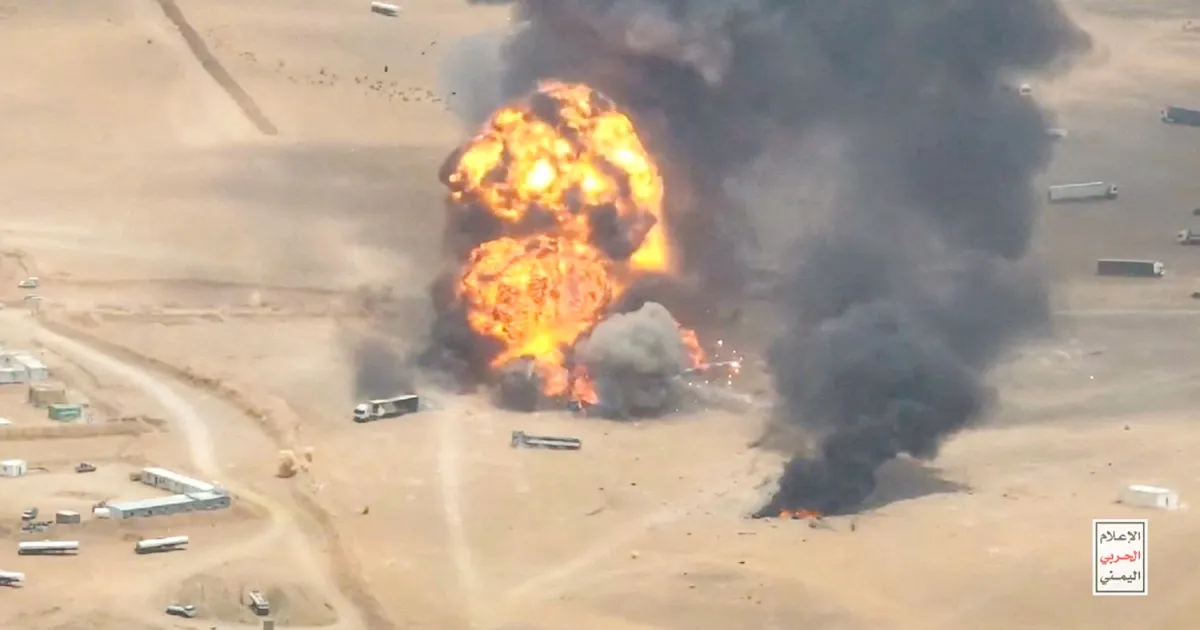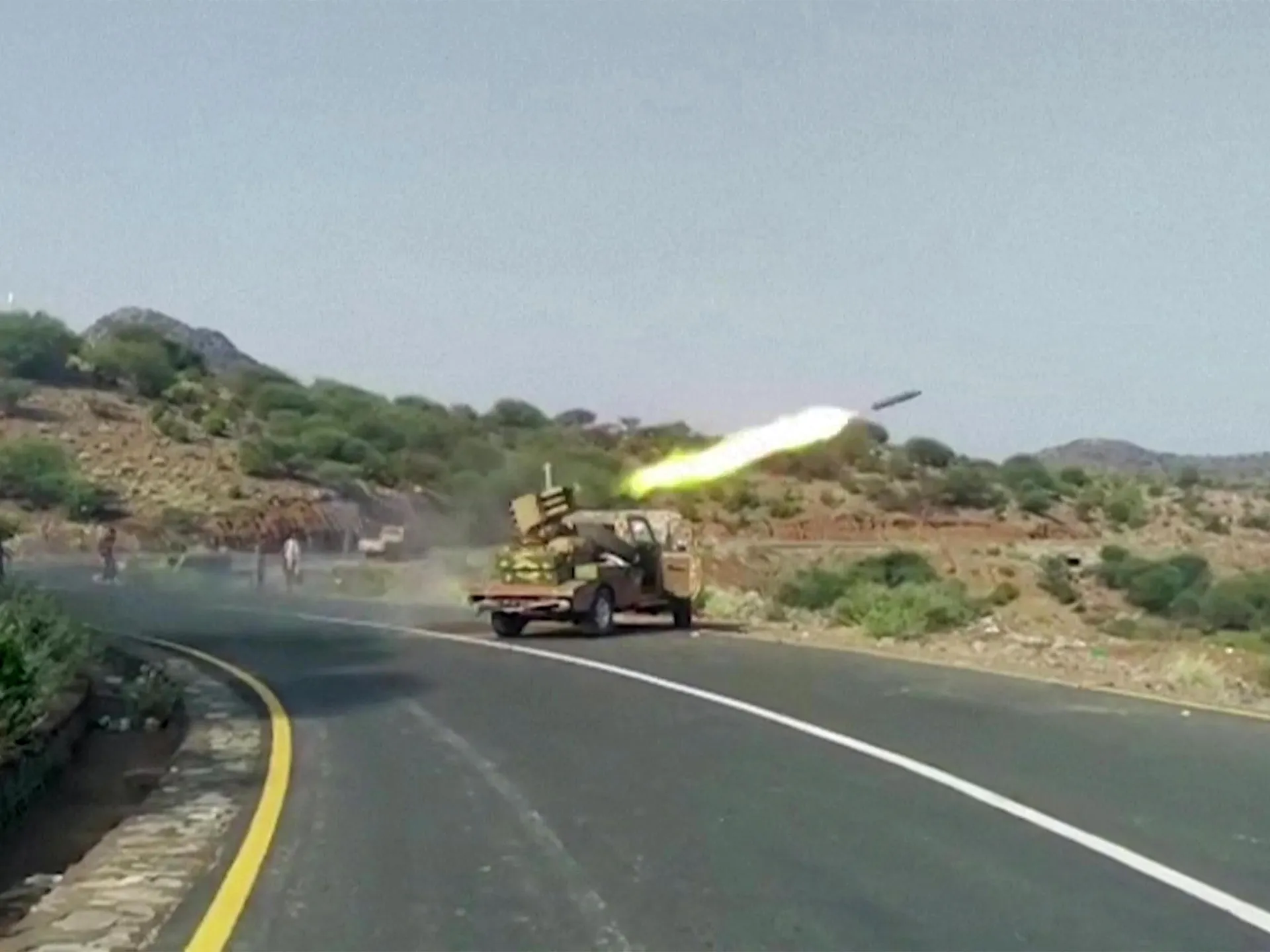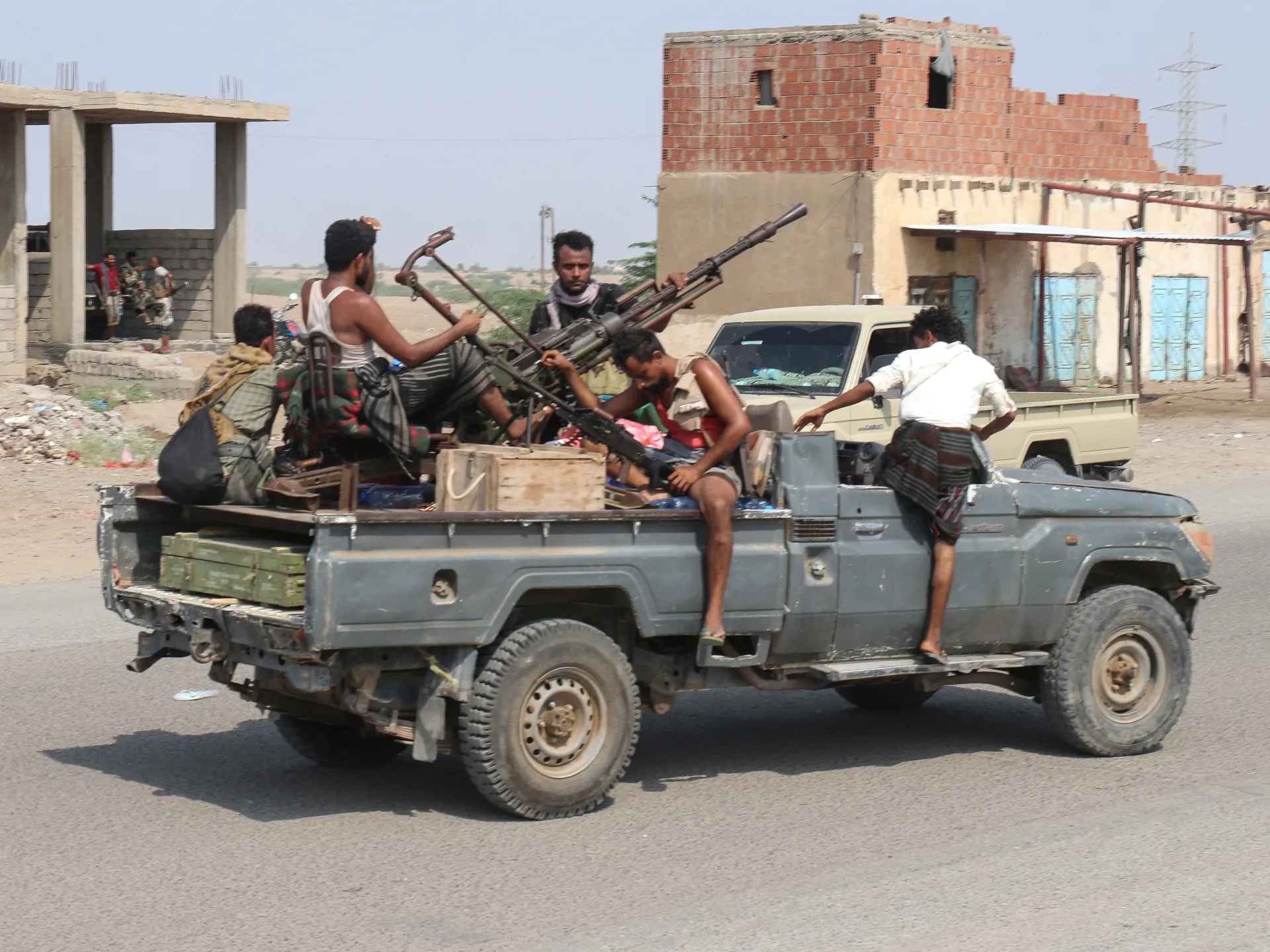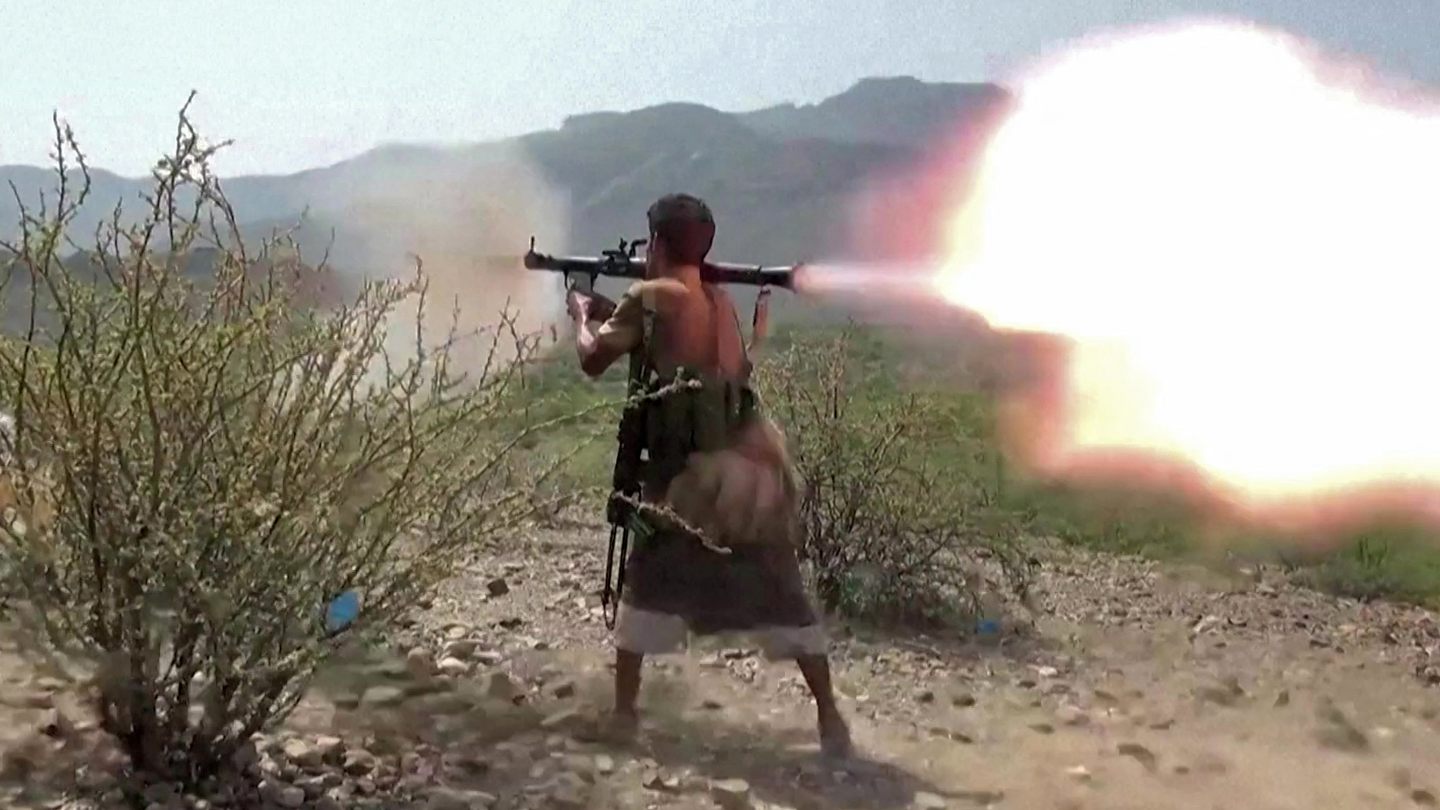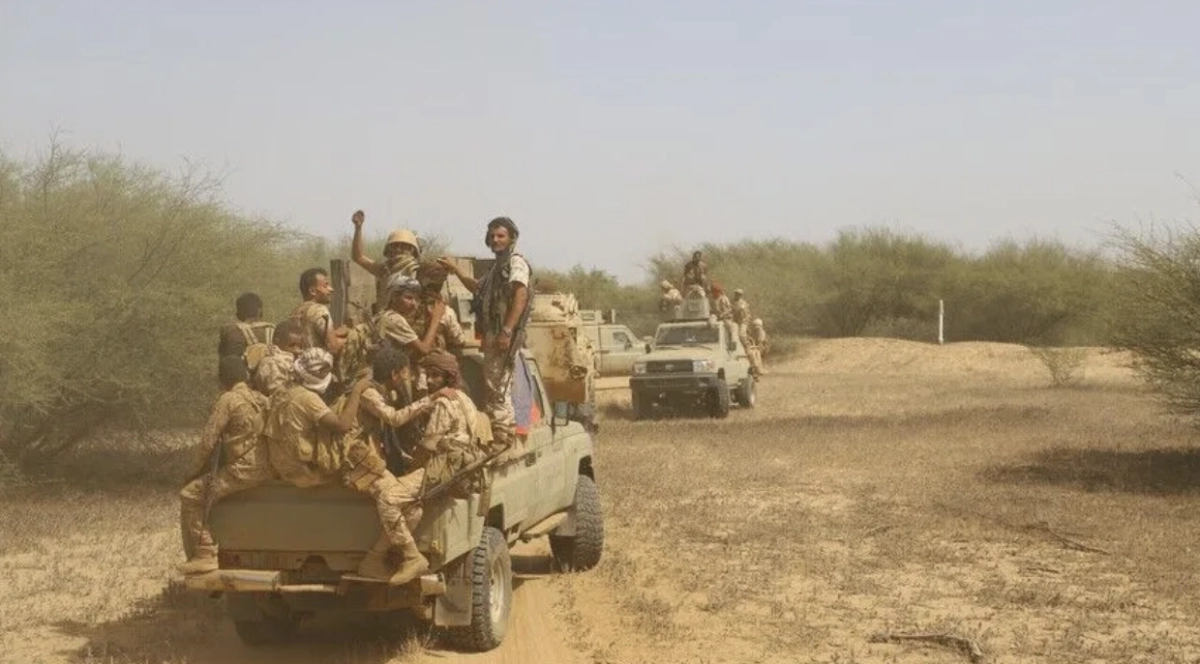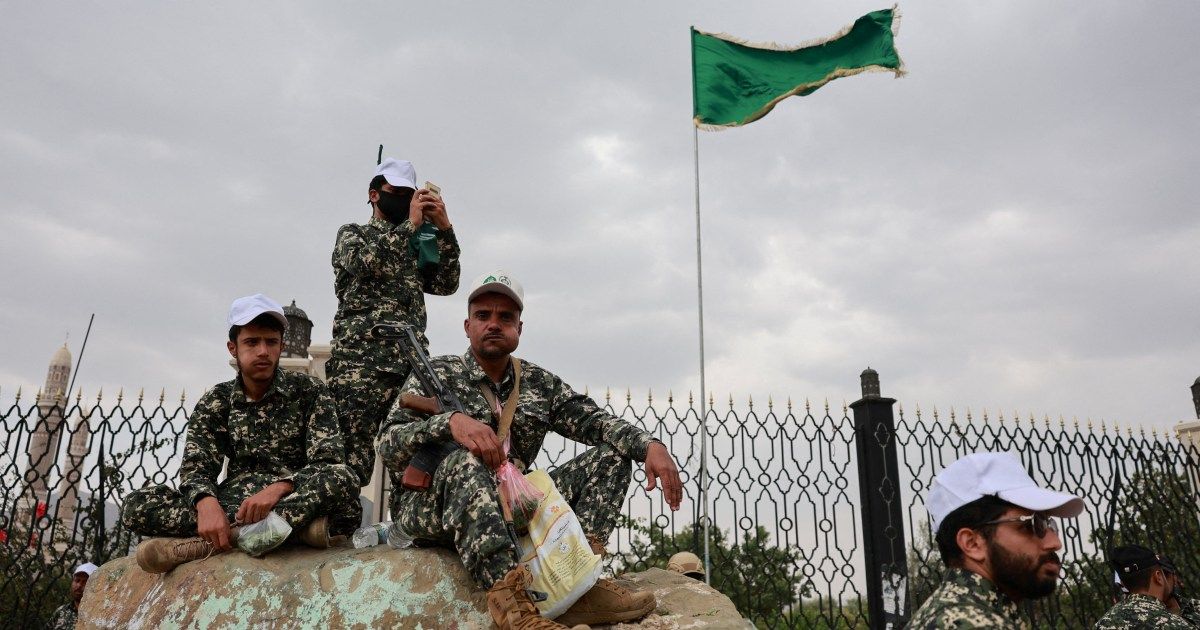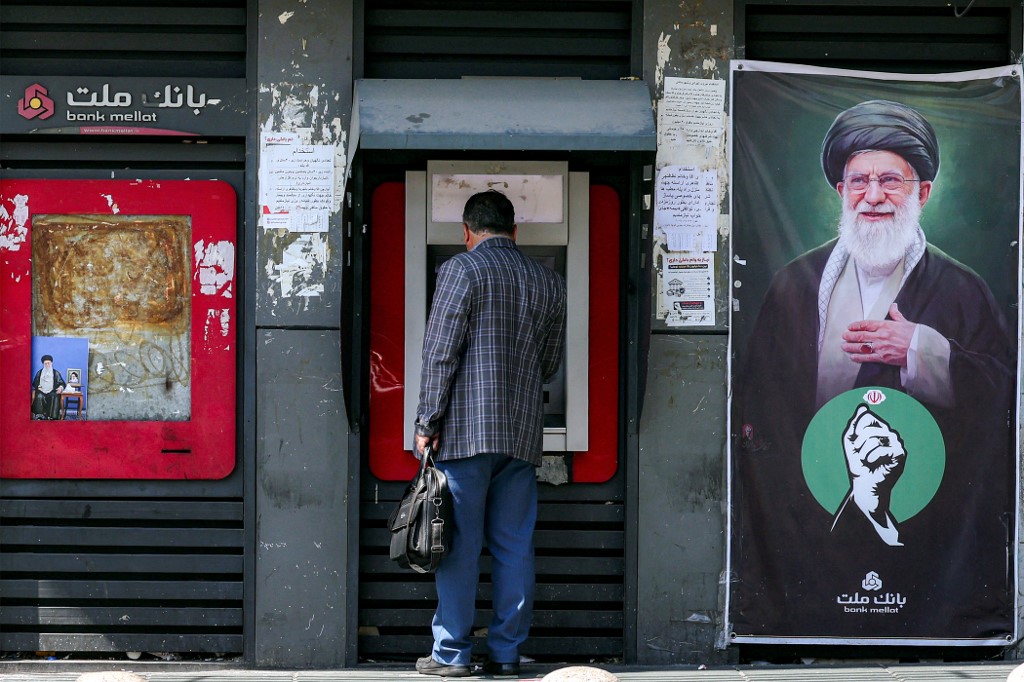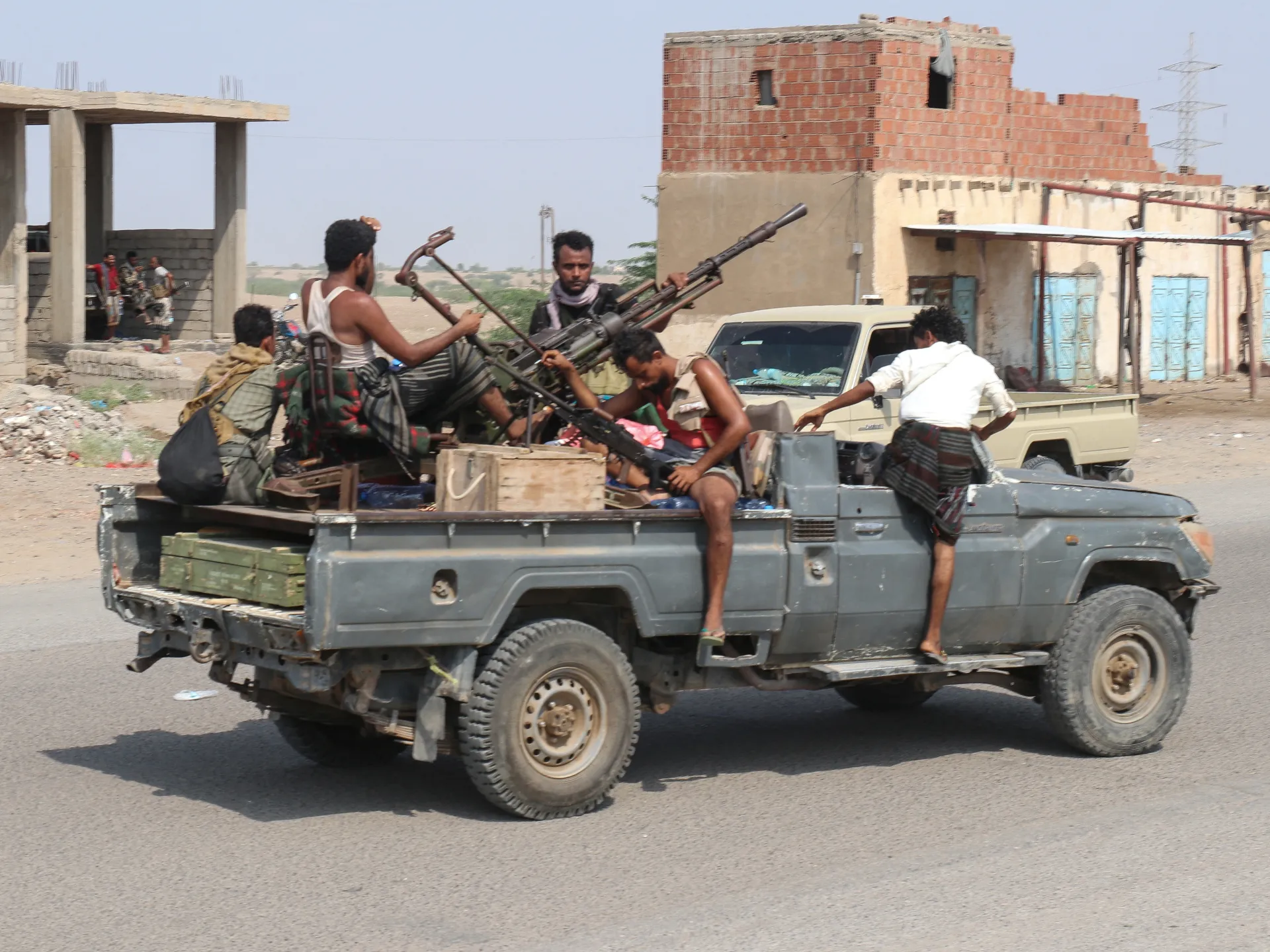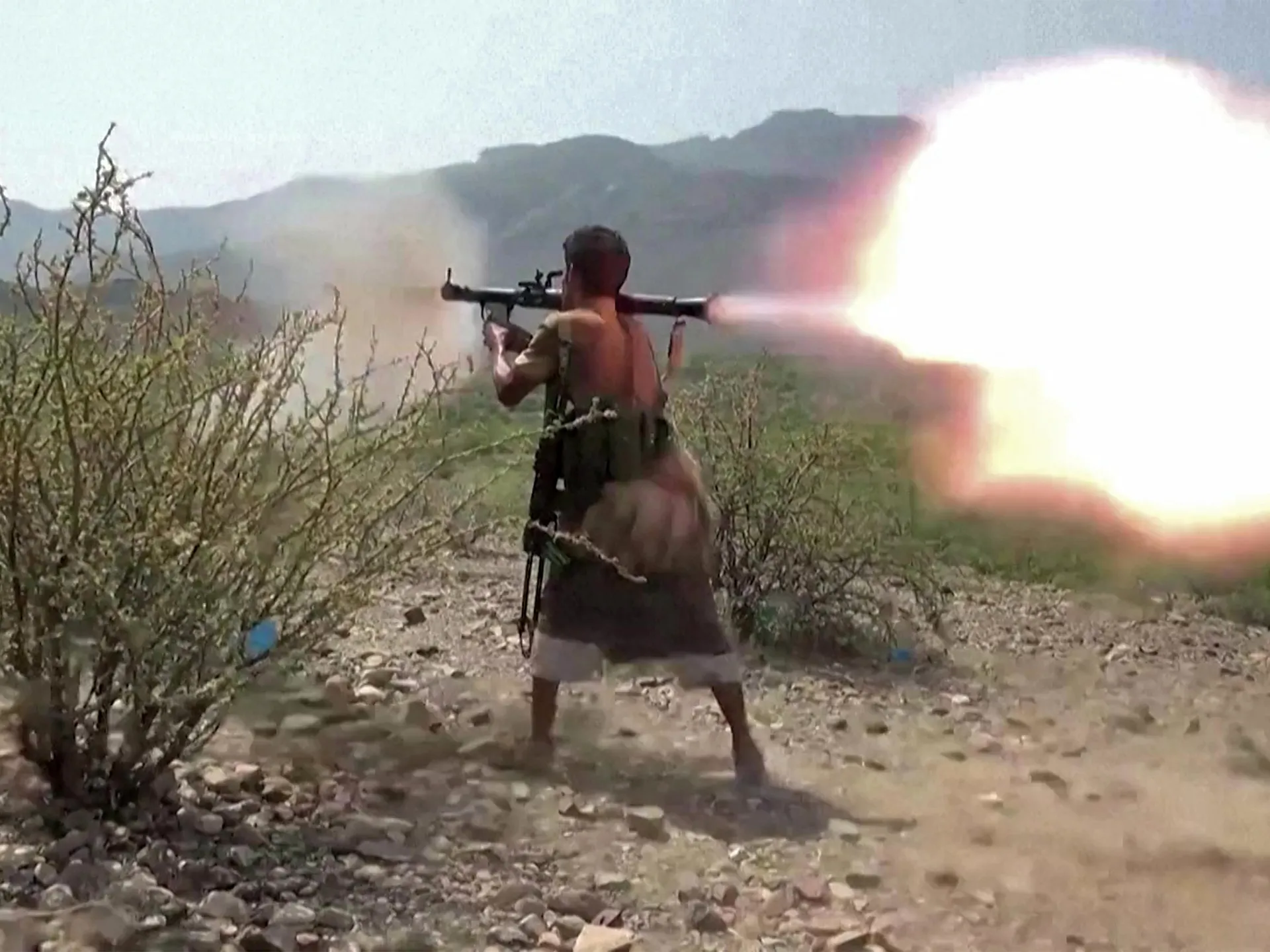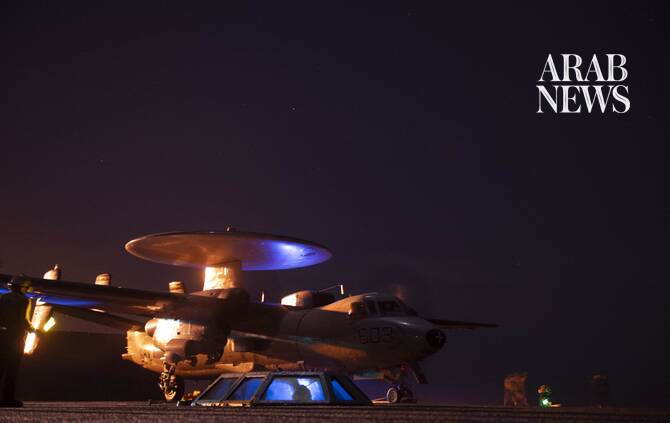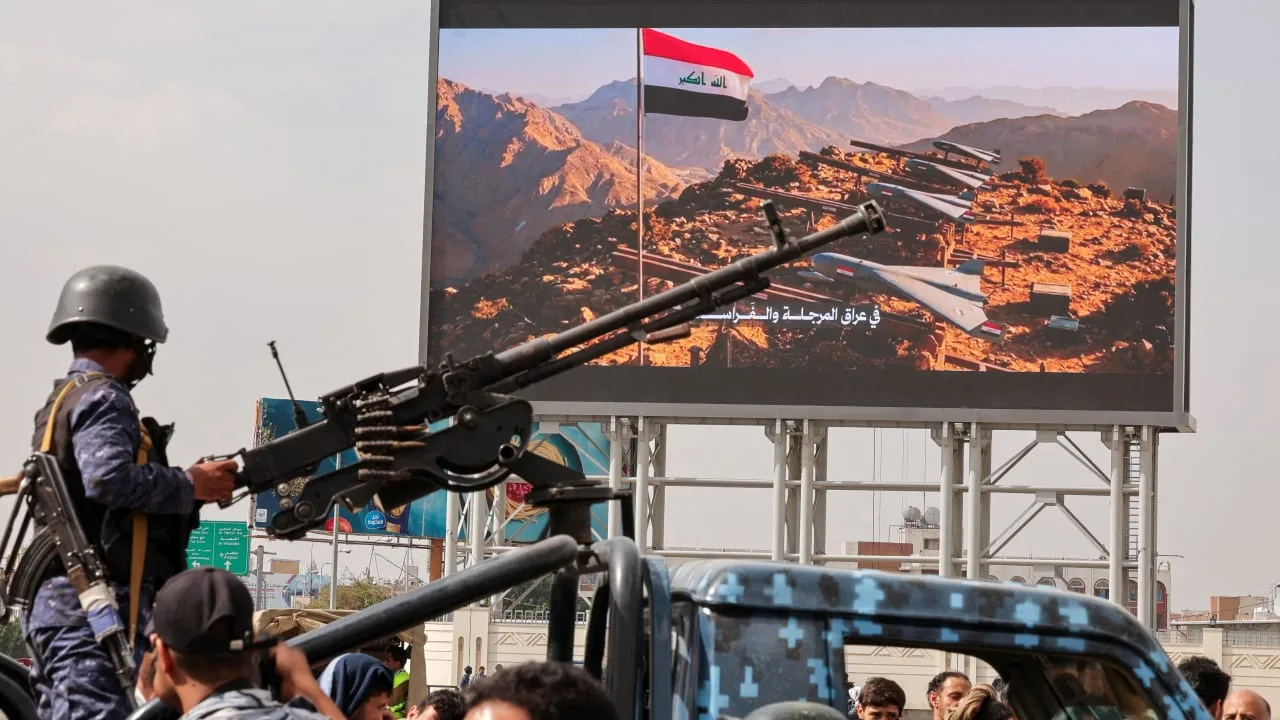
ByHUDHAIFA EBRAHIM/THE MEDIA LINESEPTEMBER 10, 2026 10:23Yemeni government forces have launched a counteroffensive against the Houthi terror group on several fronts, with senior officials describing the campaign as an effort to retake Sana’a after years of relative military stalemate.For more stories from The Media Line go to themedialine.orgDeputy Defense Minister Maj. Gen. Samir al-Sabri said on official Yemeni television that “the decision to liberate Sana’a has been finalized and taken decisively,” adding that government forces were advancing on several fronts. He said the objective was to restore state institutions and end Houthi control of the capital.The Iranian-backed Houthis have controlled Sana’a since late 2014. Saudi Arabia launched Operation Decisive Storm with a Saudi-led coalition in March 2015, followed by Operation Restoring Hope the next month, but neither campaign succeeded in removing the group from the capital.Fighting eased after a UN-brokered truce in 2022, though Yemen remained divided between Houthi-held territory in the north and areas administered by the internationally recognized government and southern forces. Calls for southern secession have further complicated efforts to rebuild a unified state.Government officials say the current campaign has brought advances in the governorates of Al-Jawf, Al-Bayda, Taiz, and Al-Hudaydah. Those claims have not been independently verified in full, though recent reporting has confirmed intensified fighting in Al-Jawf and Al-Bayda.Col. Majid al-Nuzaili, the official spokesperson for the Yemeni Armed Forces, said on X that “the Houthi group has attempted over the past years to impose on Yemeni society a project that transcends politics, attempting to alter the very nature of the religious, social, and cultural life that Yemenis have known throughout their history.”Members of Houthi security force stand guard as Houthi supporters rally against the Saudi-led coalition's restrictions on Houthi-controlled areas, which the group describes as a blockade, in Sanaa, Yemen, July 17, 2026. (credit: REUTERS/KHALED ABDULLAH)He continued, “We do not want Yemen to become a replica of Iran, nor do we want to import centuries-old sectarian and historical conflicts into our country, nor do we want Yemenis to be forced to endure disputes that have never been their primary concern.”In recent days, Saudi-backed Yemeni forces have stepped up operations against Houthi positions. The renewed fighting has coincided with Houthi missile and drone attacks on Saudi Arabia.Saudi authorities said Houthi attacks on Sept. 8 struck sites in Abha, Jazan, Najran, and Khamis Mushait, injuring 73 people and causing fires and operational disruptions at energy facilities. The Houthis said the attacks were retaliation for Saudi military operations in Yemen.Brig. Gen. Yahya Saree, the Houthi movement’s spokesperson, said on X that the operations in Yemen constituted “Saudi aggression.” He asserted that “Saudi Arabia is carrying out these operations,” not the Yemeni army, and threatened further attacks if the campaign continued.Preparations Began EarlyHamed al-Ruba’i, a retired colonel in the Yemeni army, told The Media Line, “The battle to liberate Sana’a effectively began several years ago, through preparations, unifying the ranks of the armed forces, winning over Yemeni tribes, and securing military equipment, supplies, plans, training, and other resources.”He continued, “The plan was clear: we wouldn’t begin until we were completely ready for this battle to ensure its success. Now is the most opportune moment, as the whole world has become aware of the danger posed by the Houthi militia, after their repeated targeting of several neighboring countries, shipping in the Bab el Mandeb Strait, and maritime traffic in the Red Sea, actions carried out on Iranian orders.”Al-Ruba’i emphasized that “the most important thing was training, effective plans, and mobilizing the tribes, as Yemeni unity is what will defeat the Houthis.”Street Battles and Changing TacticsYemen’s mountainous northern provinces, including Sana’a and Sa’dah, pose a major obstacle to any attempt to dislodge the Houthis. More than a decade of air campaigns has not removed the group from its northern strongholds, leaving any offensive dependent on ground forces and local alliances.Ahmed al-Sabahi, a Yemeni military analyst, told The Media Line, “The battle to liberate Yemen from the Houthis will depend on the armed forces’ ability to engage in street battles to eliminate what remains of them.”He added, “Now there is a tribal army and the Yemeni army, and they all know this terrain, how to hide in it, and from where to retaliate against the Houthis. This is what we are seeing in the current operational approach.”Mohammed al-Kamel, a military analyst, told The Media Line, “The Yemeni army has changed its war tactics against the Houthis, starting with cutting off their supply lines, launching surprise attacks, and opening multiple fronts.”He continued, “Drones are also being used in some attacks, and there are also warplanes providing air cover for the ground forces. Therefore, the armed forces’ tactics this time are more serious in liberating Sana’a.”Al-Kamel added, “The Yemeni armed forces may have obtained the drones from Turkey, and several other arms sources.”He said the Houthis had “lost a significant portion of its forces due to the operations it has carried out over the past three years, including targeting ships in the Red Sea, shelling Israel, and also the attacks on Saudi Arabia. With Iran’s involvement in the war with America, it has not supplied the Houthis with the necessary weapons and sufficient equipment, and they are perhaps now at their weakest point.”Political support and regional risksIn a Sept. 8 statement on X, the US Embassy in Yemen said, “The Houthis started this conflict and must bear the consequences of their aggression. The Republic of Yemen is the sole legitimate government and has every right to defend its people and end the Houthis’ ability to inflict terror.”At a press conference with Russian Foreign Minister Sergey Lavrov on Tuesday, Saudi Foreign Minister Prince Faisal bin Farhan said that “the Houthis have opened a Pandora’s box for themselves.”He added, “The Houthis prioritize their narrow, self-serving interests over the interests of Yemen and resort to violence whenever they are in a difficult position.”Faisal bin Farhan continued, “The path for diplomacy to deal with the Houthis remains open.”Saudi Arabia also said in a Foreign Ministry statement carried by the Saudi Press Agency that “the Kingdom reserves the right to respond to these attacks in self-defense.”Potential Turkish, Pakistani participationDr. Awad al-Quraini, a Yemeni political analyst, told The Media Line, “Turkish or Pakistani forces may participate in operations to deter the Houthis, should Saudi Arabia declare that it is under attack and hostile operations, in accordance with the Mecca Agreement recently signed in Saudi Arabia.”Al-Quraini added, “If Turkey and Pakistan enter the fray, the Houthis will fall within days. They made a mistake by targeting Saudi Arabia under this recently signed security agreement.”He said that Turkey’s participation could involve equipment, drones, and warplanes, while Pakistan could provide ground forces.Saudi Arabia, Turkey, and Pakistan signed the Mecca Joint Defense Agreement in August. The agreement includes collective-defense language, but the governments have not publicly defined the military commitments or procedures that would follow an attack on a signatory.No Turkish or Pakistani deployment to Yemen has been announced.Life under Houthi ruleResidents of Sana’a have endured severe economic hardship during more than a decade of Houthi rule, according to interviews with people in the capital. Humanitarian conditions, public services, salaries, and access to basic goods remain central concerns.Munther Mohammed, a Yemeni citizen living in Sana’a, told The Media Line, “We are living in dire circumstances. Salaries aren’t even enough to buy bread for the entire month. There are no hospitals, no services, and none of the basic necessities for a human life. We can’t leave the governorate easily.”He continued, “We want to get rid of the Houthis by any means necessary.”Mohammed al-Dhubyani, a former Yemeni trader, agreed with Munther, telling The Media Line, “We pay taxes to the Houthis, and they often confiscate our goods. There are no regular salaries, and living has become difficult for everyone.”The Houthis Say They Are ReadySamir al-Numairi, a Yemeni journalist aligned with the Houthis, told The Media Line, “The Houthis will be able to deter this aggression. They have enough weapons, and they launched one of the largest attacks on Saudi Arabia, and they have more.”He continued, “The Ansar Allah [Houthi] group will not submit to any compromises, and they will not sit at the negotiating table. They have significant military capabilities that they have built to deter any aggression, and they are ready for it.”Follow us on Google
Yemeni government says campaign to retake Sana'a from Houthis has begun | The Jerusalem Post
Government forces say their counteroffensive against the Houthi terror group is expanding, while battlefield gains and prospects for foreign intervention remain unclear.
1,381 words~6 min read