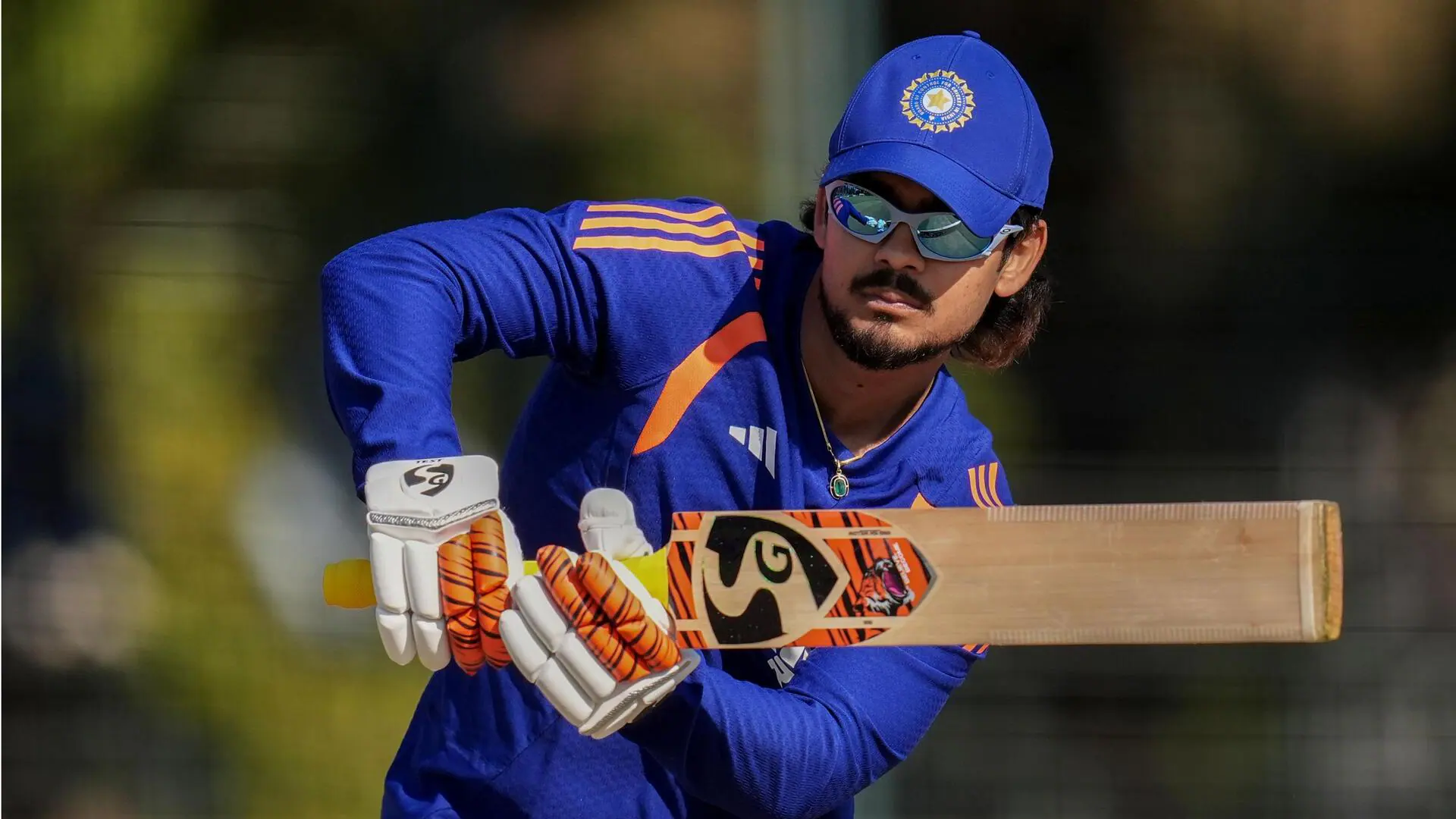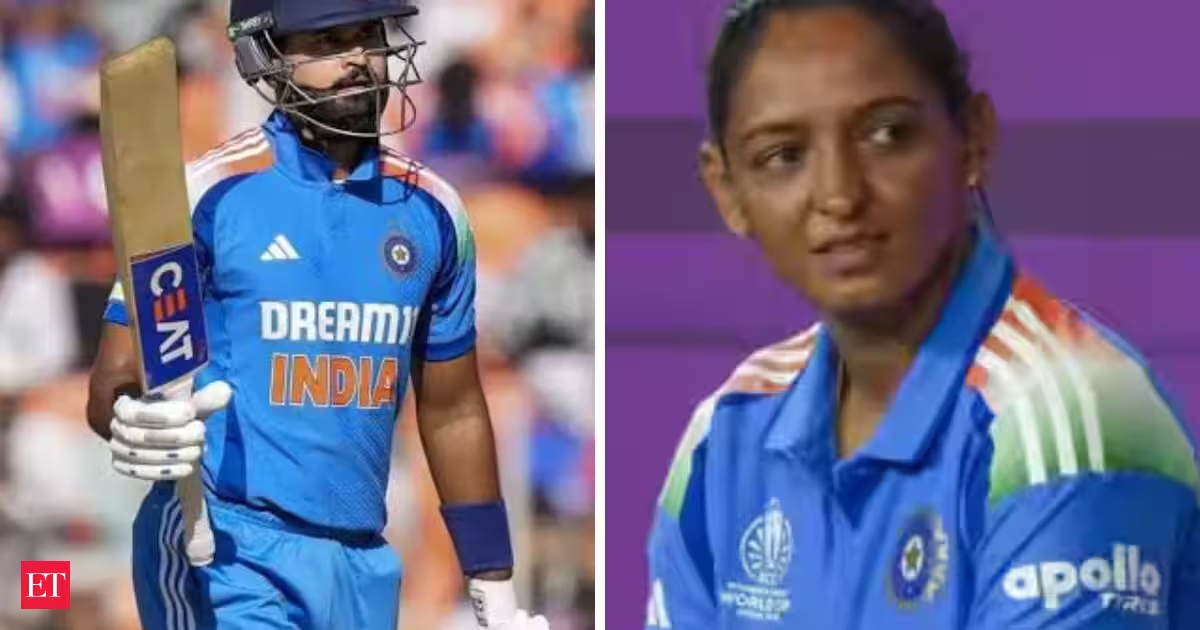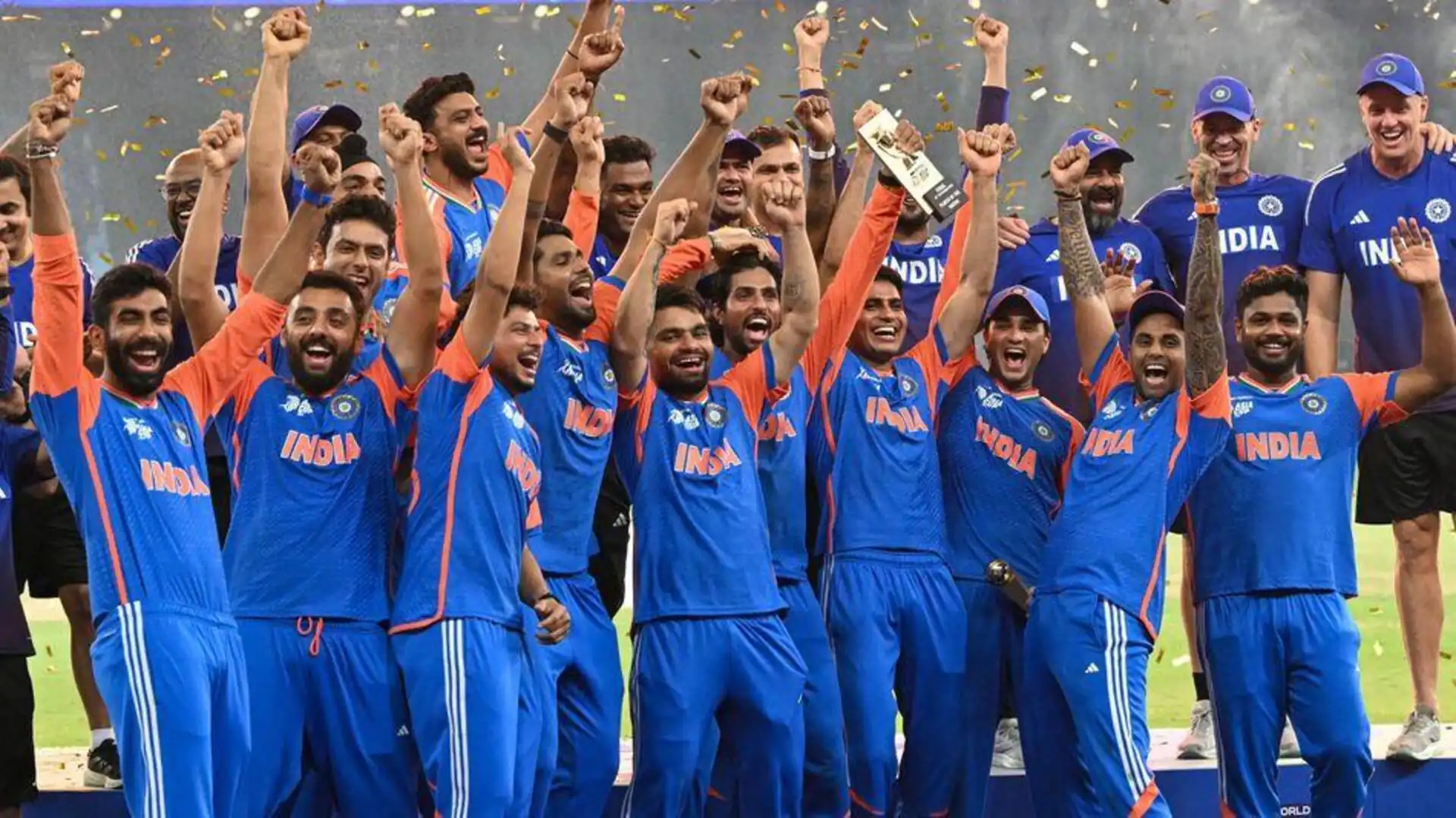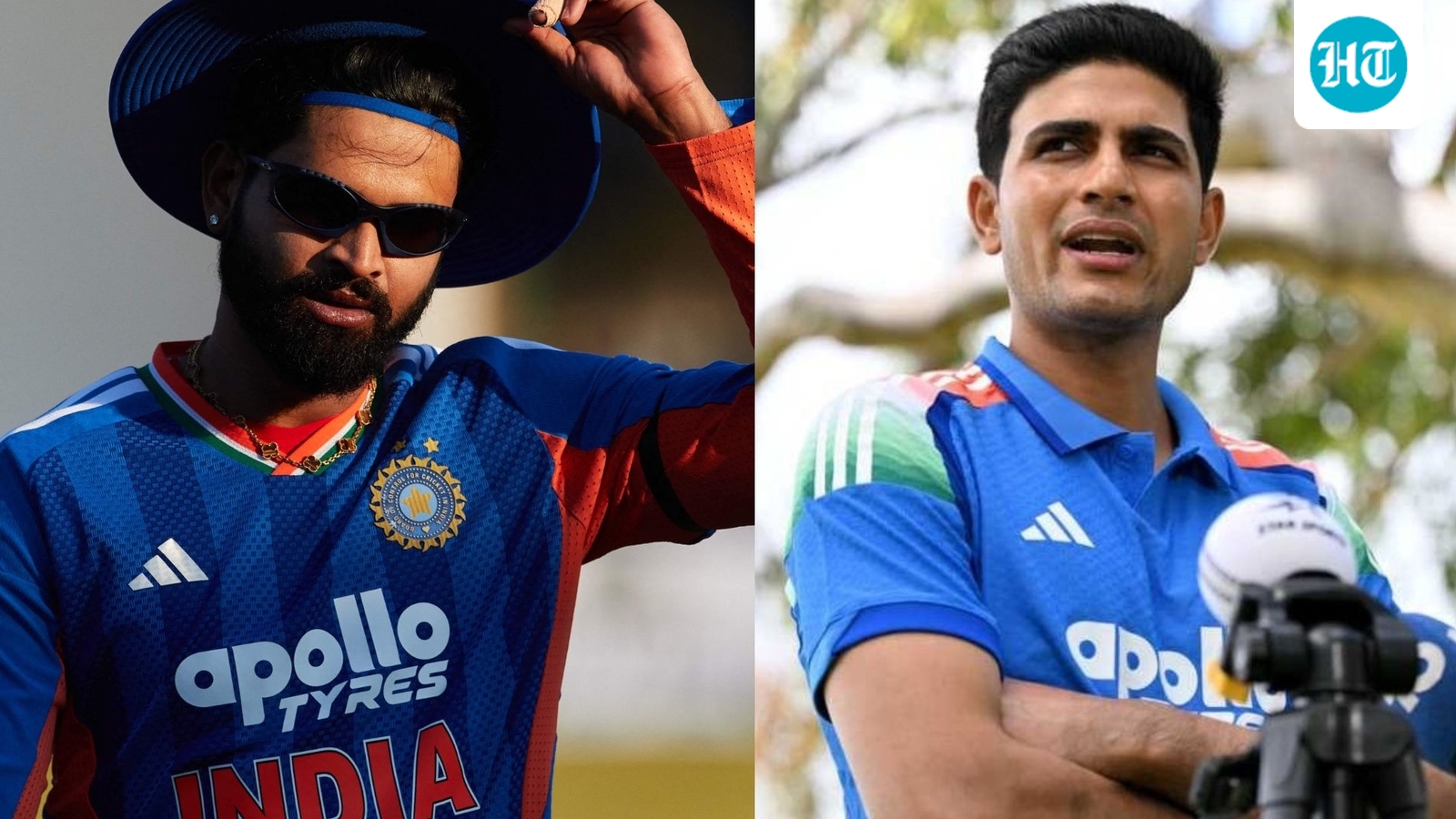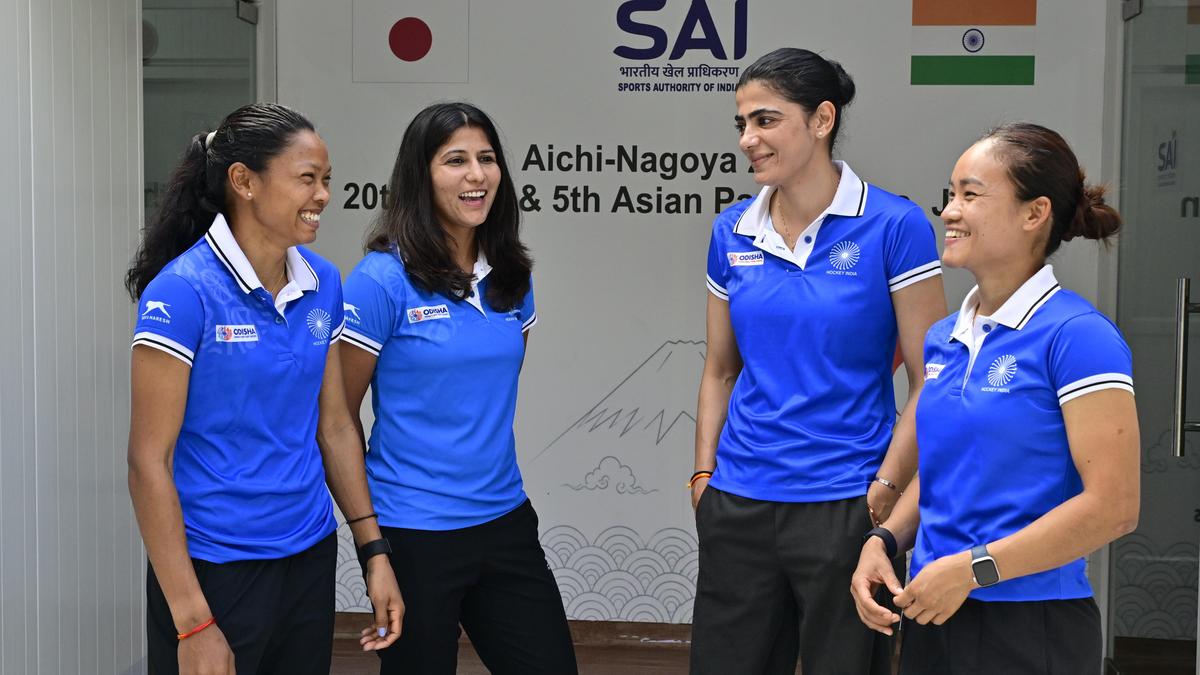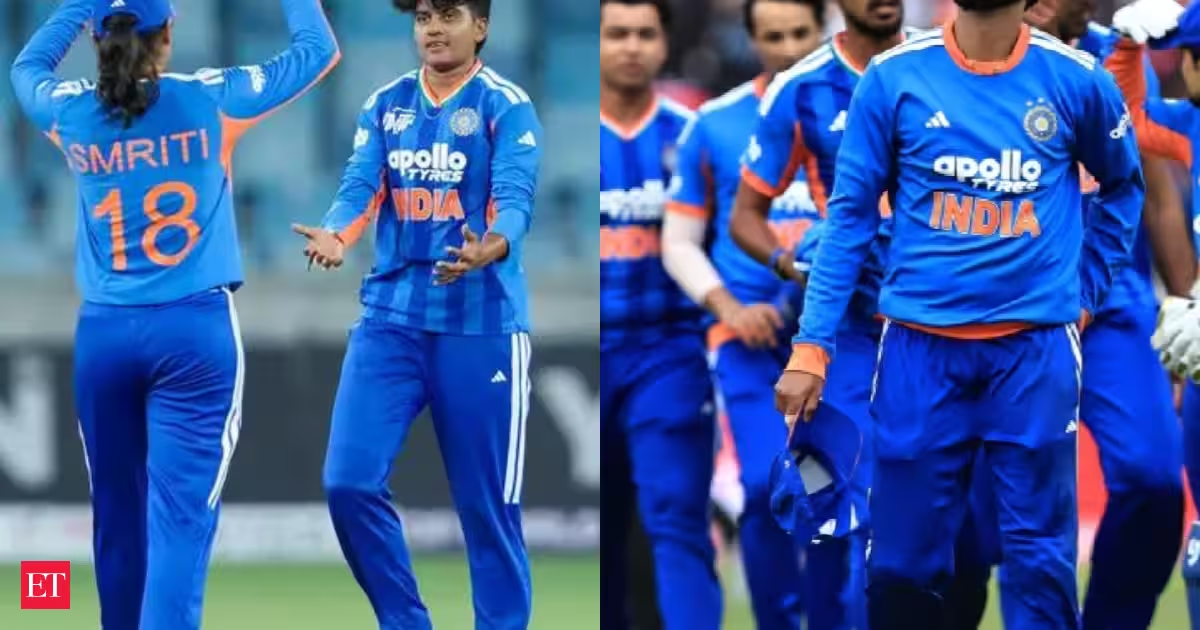
Cricket returns to the Asian Games in Aichi-Nagoya this month, and India will arrive with two gold medals to defend.Both men’s and women’s cricket have bagged gold in the previous Asian Games in Hangzhou. After missing the cricket competitions at the 2010 Guangzhou and 2014 Incheon Games, India returned to the sport at Hangzhou and made an immediate mark.Also Read: Hardik Pandya back in India A squad, fitness still keyAt present, the Indian men’s team is ranked No. 1 in T20Is. On the other hand, Harmanpreet Kaur-led women’s team is ranked No. 3, with Australia and England above India in the rankings. However, the two rivals for the women's team are not part of the Asian Games, making India a strong contender for gold in both events.Who can stop Men in Blue?For the Indian Men’s team the challenge could come from Sri Lanka, Bangladesh, Pakistan and Afghanistan.Yet India's record against these sides gives it another advantage.India has dominated Afghanistan in T20Is, while it also holds a strong record against Bangladesh. Against Pakistan, India leads the men's T20I head-to-head record 14-3. The contests with Sri Lanka have been more competitive, but India still holds the overall edge.Also Read: Why isn't BCCI under national sports law? Supreme Court seeks answers from Indian cricket bodies againAlthough, the record does not guarantee another gold medal. T20 cricket can turn on a few overs, a dropped catch or one big innings. A knockout game can also make past results irrelevant very quickly.But it does explain why India enters the competition with so much going in its favour.Moreover, India is at the top of the ICC men's T20I rankings, with a rating of 268.The squad also gives India options across the T20 game.The men's squad is led by Shreyas Iyer and includes Jasprit Bumrah, Arshdeep Singh, Axar Patel, Washington Sundar, Varun Chakaravarthy, Abhishek Sharma, Sanju Samson, Tilak Varma and Shivam Dube among others. The women's team, led by Harmanpreet Kaur, features Smriti Mandhana, Shafali Verma, Deepti Sharma, Richa Ghosh, Renuka Thakur, Radha Yadav and other established names.There is top-order firepower in Abhishek Sharma and Sanju Samson, experience through Shreyas Iyer and Axar Patel, all-round options in Axar and Washington Sundar, spin through Varun Chakaravarthy and Ravi Bishnoi, and a pace attack that includes Bumrah and Arshdeep Singh.Indian men’s cricket team is already placed in the seeded category, and therefore will play its first match on September 28 against the top second team to qualify from Group A.That balance matters in a short tournament. A team may not need to dominate every game, but it needs enough match-winners to change the course of a contest quickly.Ahead of the tournament, there was uncertainty over how seriously India would approach the cricket competition this time.Reports had earlier raised concerns within the BCCI over facilities, including the accommodation and playing infrastructure, and there was speculation that India could send a second-string side for its title defence. The BCCI, however, has dismissed that speculation.In other words, India is not treating the Asian Games as an opportunity simply to blood youngsters. It is taking a serious shot at defending both titles.The women's field appears less threatening on paper. Bangladesh, Sri Lanka and Pakistan are among India's main challengers, but India has historically held a substantial advantage against all three in women's T20Is.And there is a more immediate reason for confidence.Women's team comes in on a highIndia's women's team is currently in strong form at the Women's Asia Cup.In its group match against Pakistan, India bowled the opposition out for just 55 before chasing down the target in only 8.4 overs. India won by seven wickets with 68 balls to spare. The 55 was Pakistan's lowest total in women's T20I cricket.It was not just a win. It was a performance that showed India's ability to squeeze a batting line-up with spin and then finish a chase without allowing the opposition back into the contest.Shree Charani and Prema Rawat were central to the bowling effort, while India's experienced core provided the depth with bat and ball. The team has also had contributions from players such as Deepti Sharma, who has moved up the T20I bowling rankings during the Asia Cup.That makes India's women's team particularly interesting to watch at the Asian Games. Its No. 3 world ranking does not necessarily tell the full story of its position in the Asian field, given that Australia and England will not be competing.The Indian women’s cricket team will play its first match at the Asian Games 2026 against hosts Japan in the quarter-finals on September 18. The eight-team women’s competition will be a straight knockout tournament, starting with four quarter-finals.More than just another cricket tournamentIndia's participation also gives the Asian Games cricket competition an added dimension.Cricket has a huge following in India, and the presence of both the men's and women's national teams is likely to draw significant attention from Indian fans. For a multi-sport event, cricket brings a different kind of audience and star power, particularly when players such as Bumrah, Mandhana, Harmanpreet and Shafali are part of the competition.For India, though, the attraction is simpler. There are two gold medals at stake.
Asian Games 2026: Can India retain both men’s and women’s gold medals in cricket?
India aims to defend two gold medals in cricket at the Asian Games. The men's team, ranked number one, faces challenges from regional rivals. India's women's team, ranked third, is a strong contender without top global competition. Both squads feature experienced players and promising talent for the tournament. The nation's participation is expected to draw significant fan attention and boost the event.
857 words~4 min read