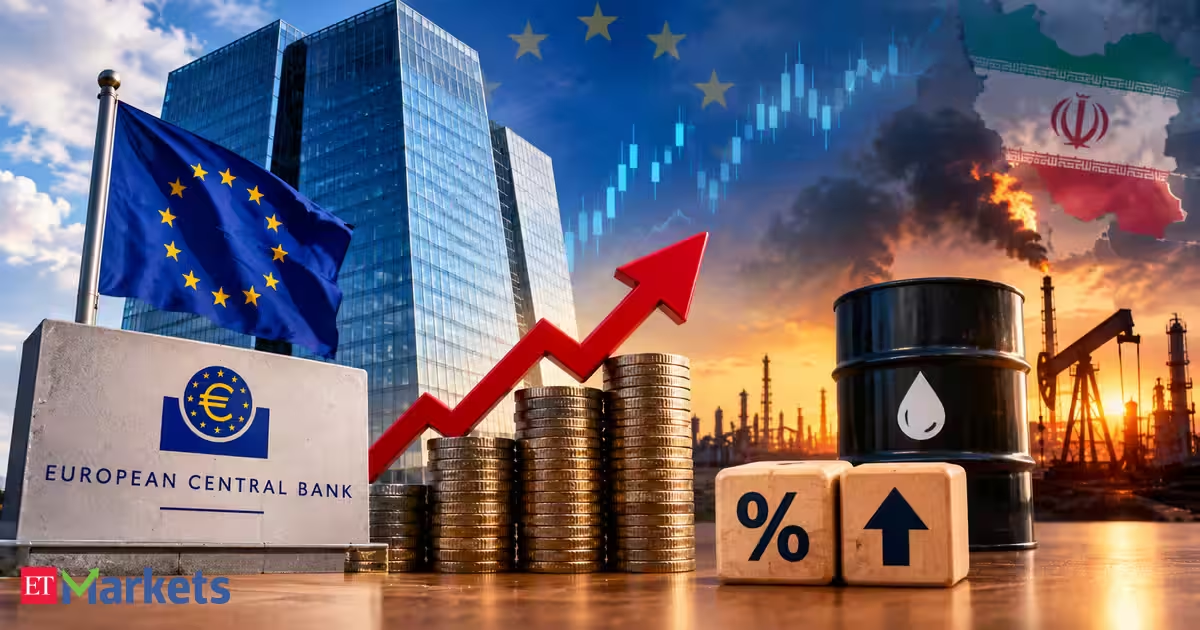
The sharp rise in energy prices caused by the war in the Persian Gulf is making it difficult for economists to provide a clear assessment of the inflation outlook. The key question is how much higher energy prices will affect consumer spending, inflation, and the economy—and, above all, whether they will trigger second-round effects on wages and services.
Expectations are clear for the European Central Bank’s (ECB) September meeting, which this time will be held in Berlin rather than Frankfurt as part of its annual “off-site” meeting. Anything other than a 25-basis-point rate hike, bringing the rate to 2.5%, would be a surprise.
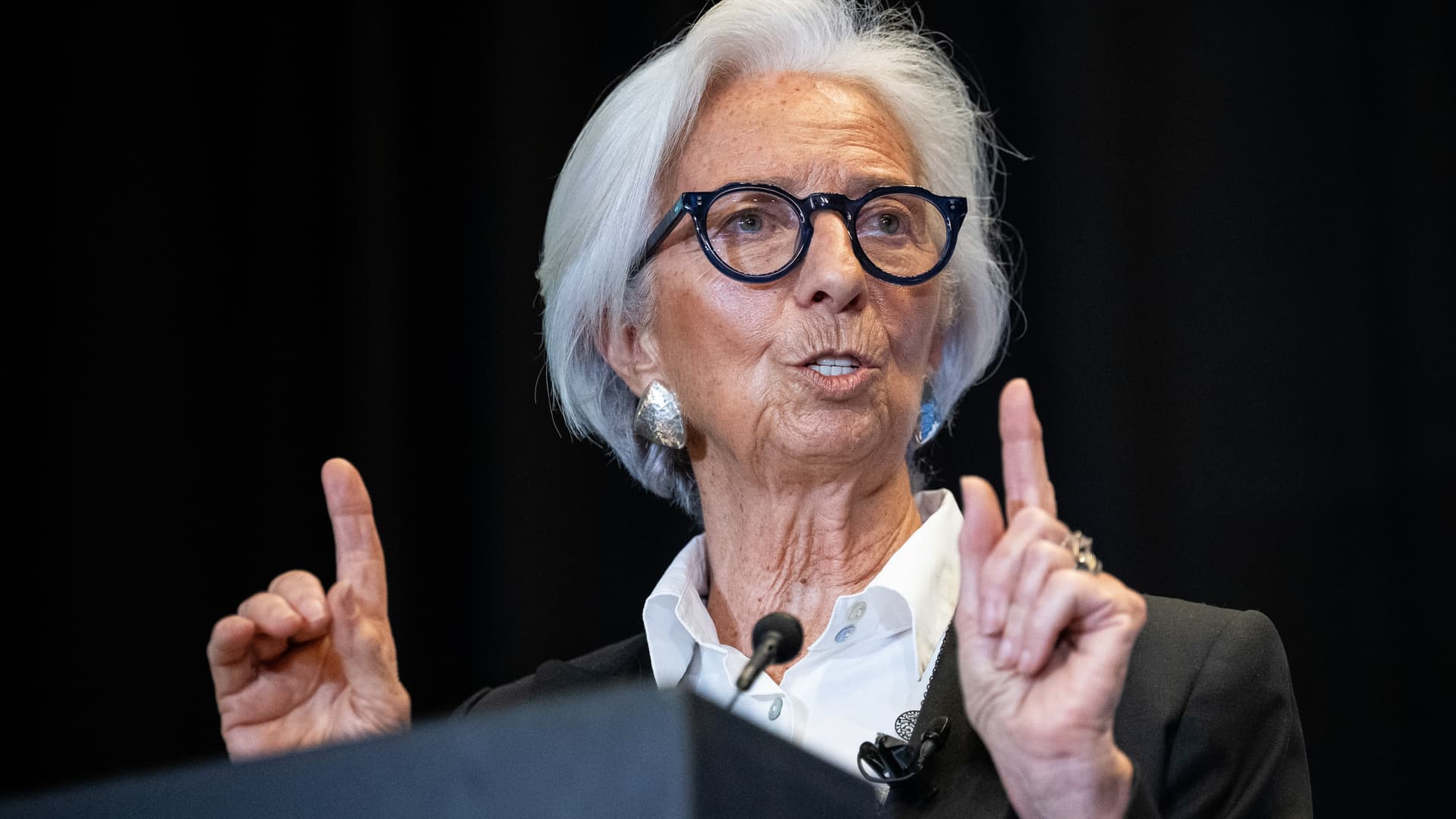
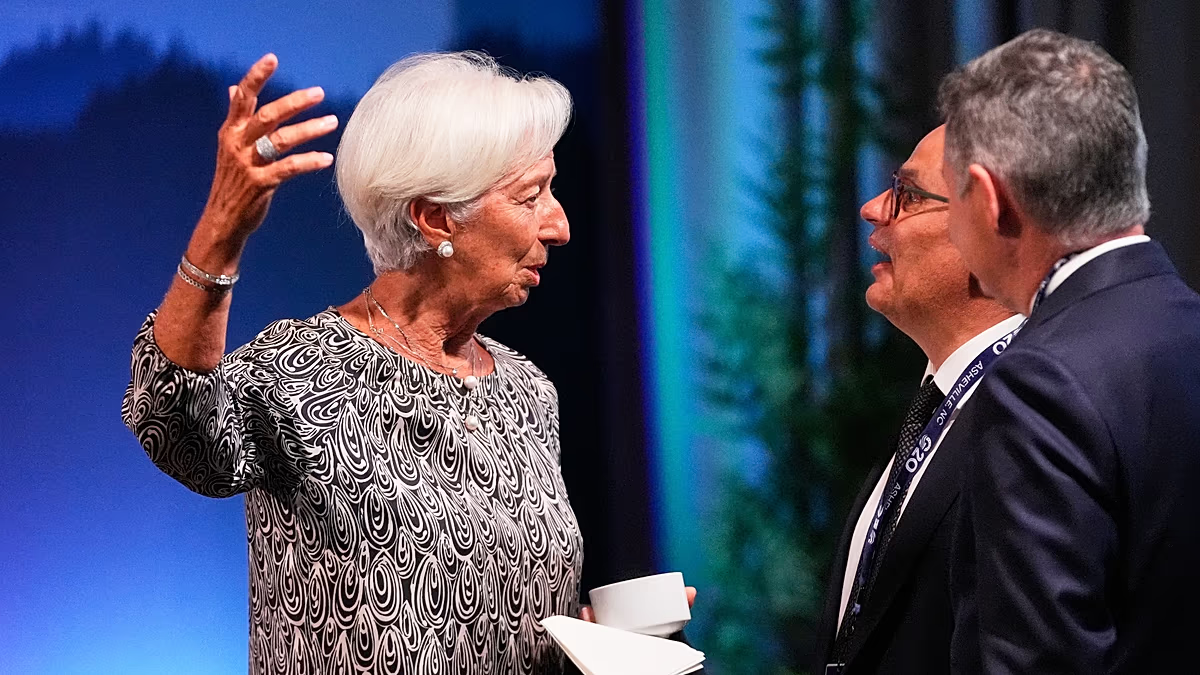
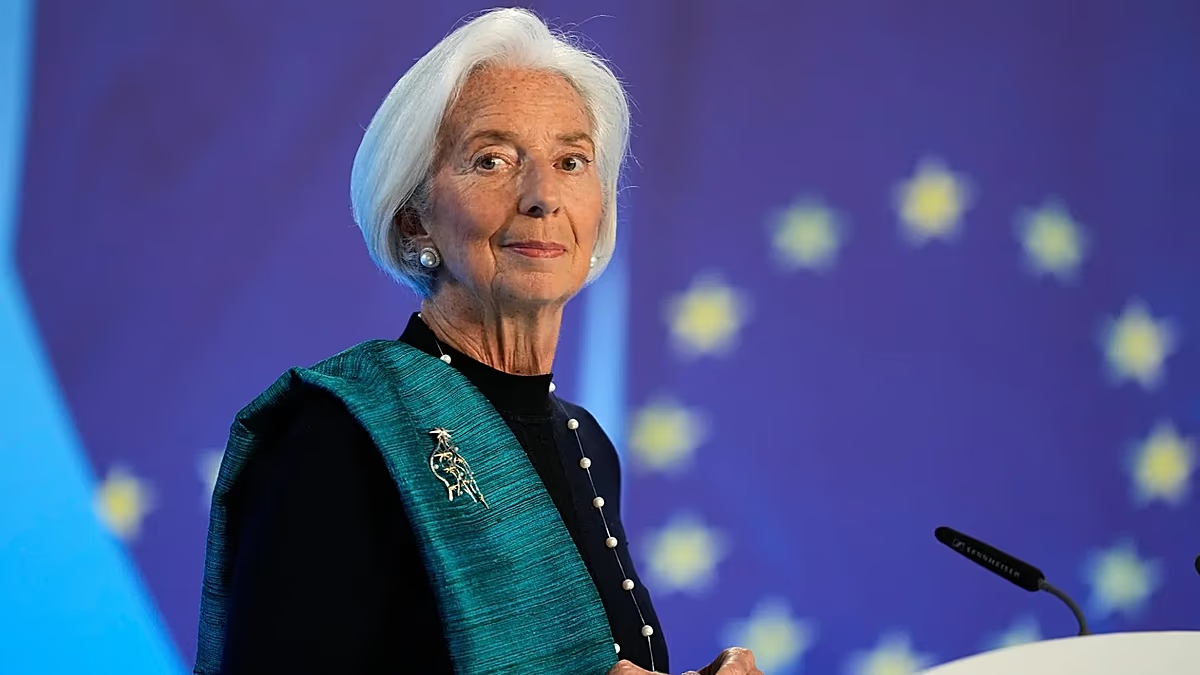
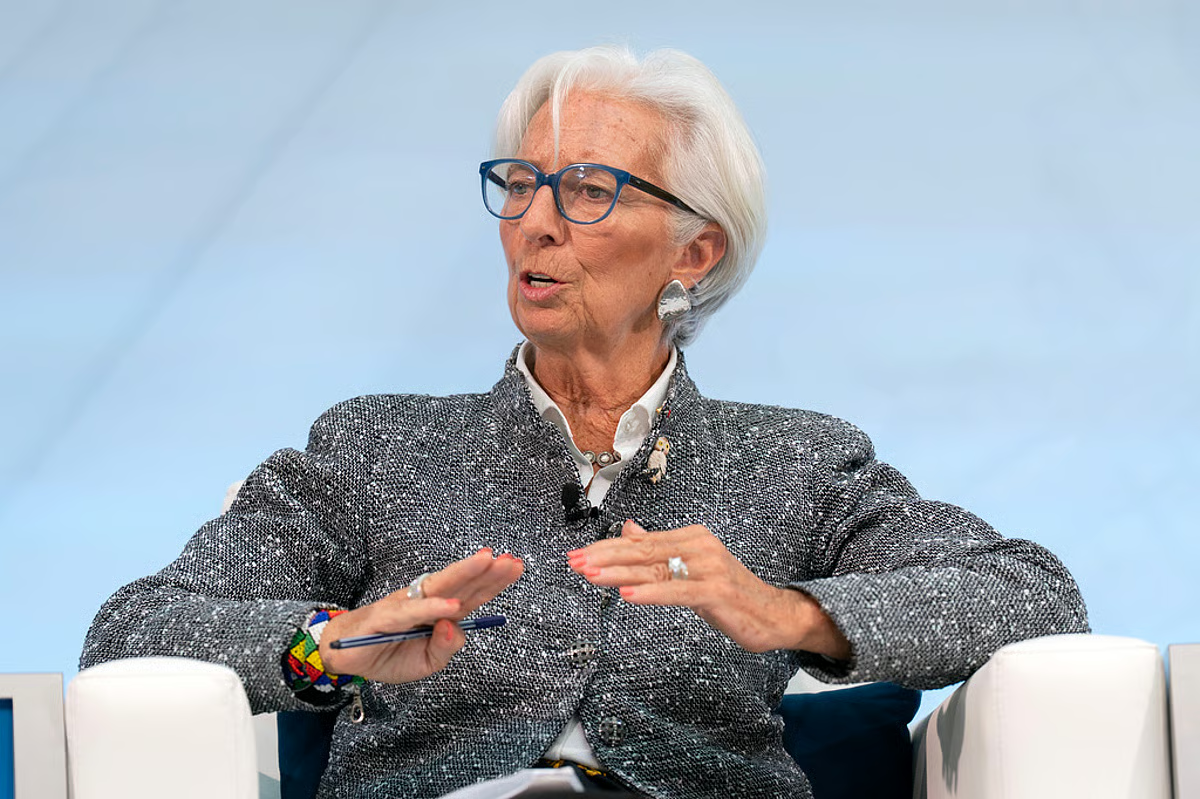
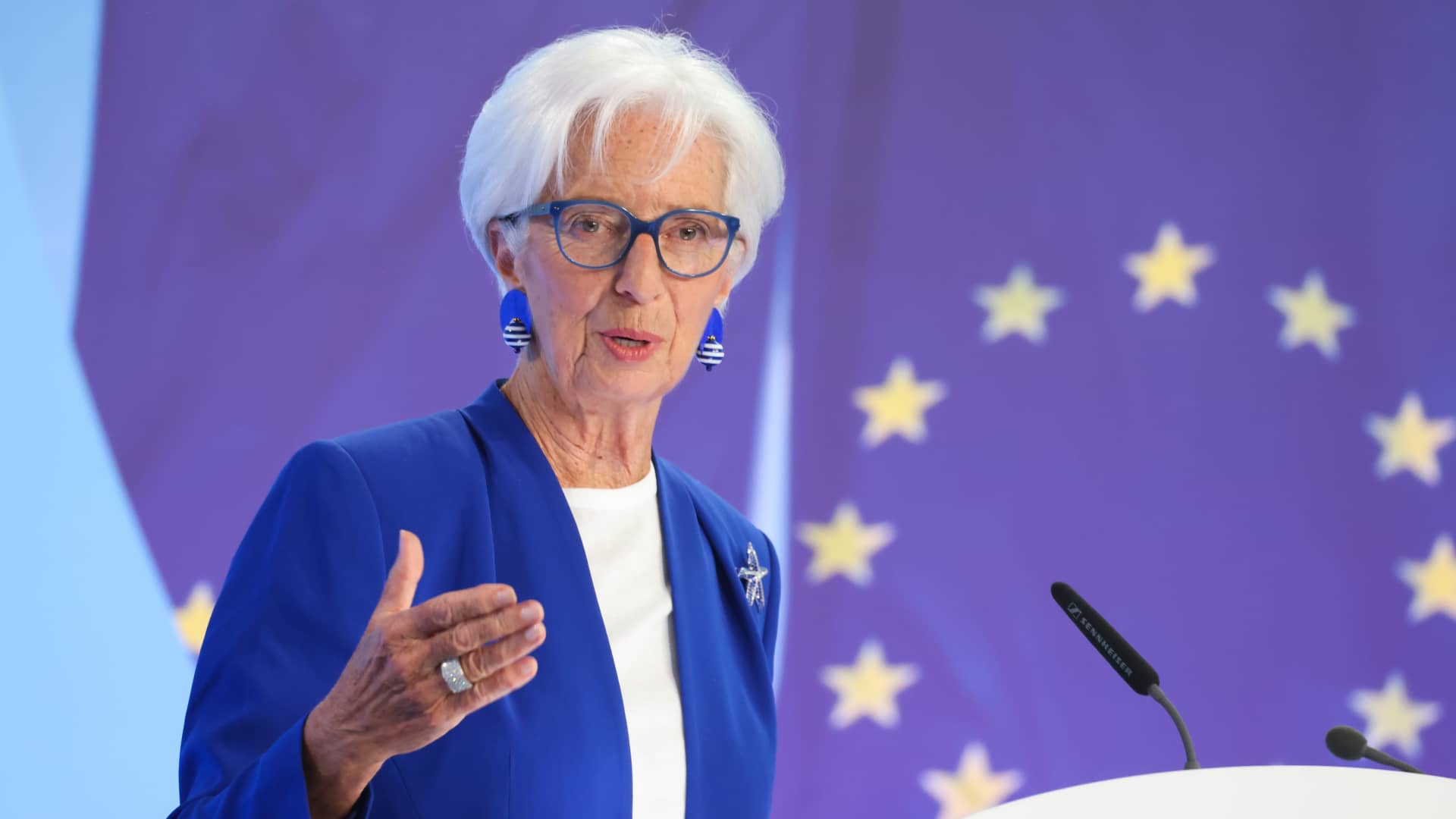
At the June meeting, when the ECB also raised rates by 25 basis points, ECB President Christine Lagarde (pictured below) outlined a list of criteria that would be taken into account when making interest-rate decisions.
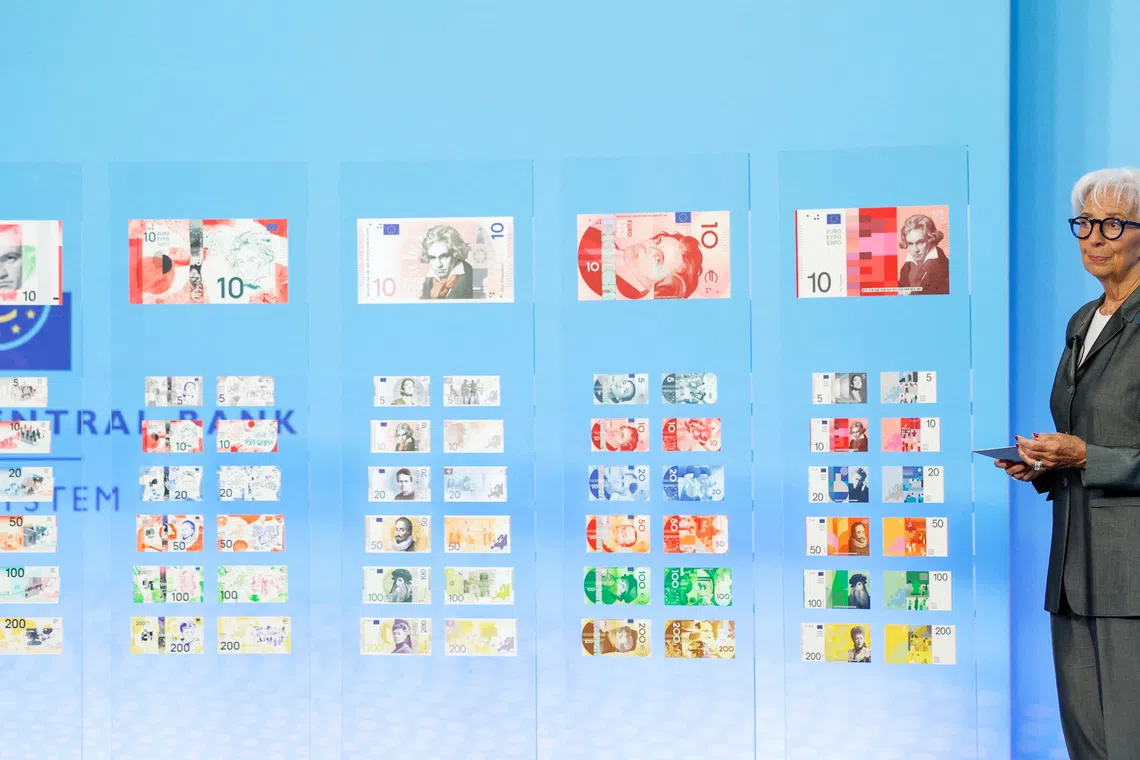
(Image: EZB)
«Some members of the Governing Council have asked whether we should consider a rate hike,» Lagarde said in June. «We were appropriately positioned to wait and closely monitor developments and the data we would receive over the coming weeks.» Observers interpreted this as a signal that the ECB was preparing for a September hike.