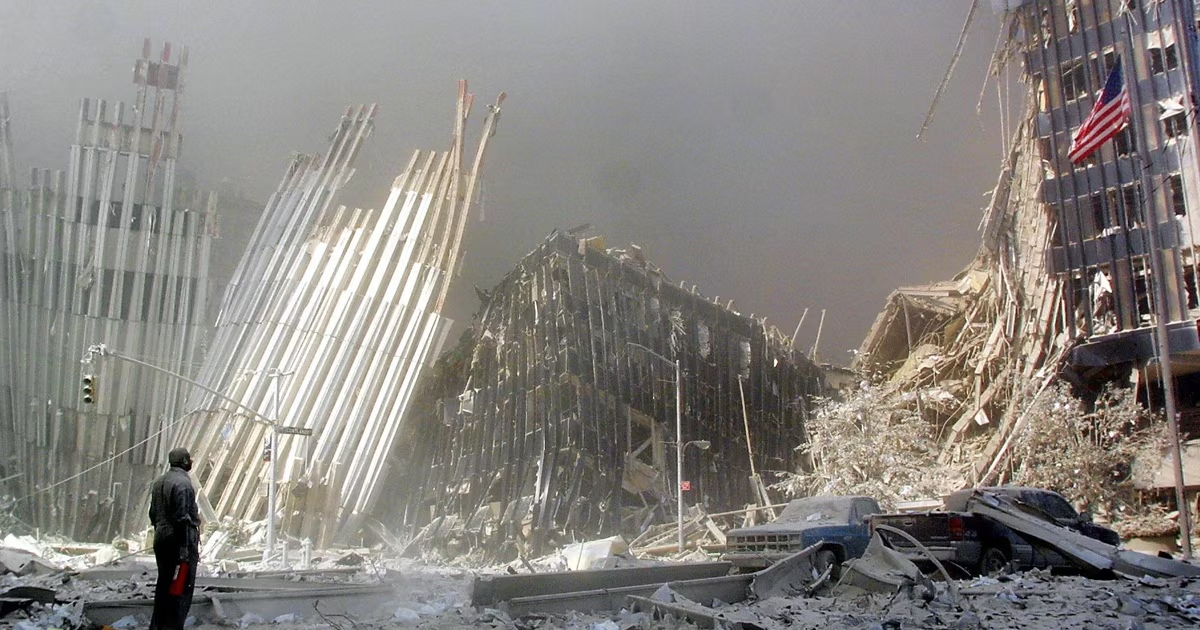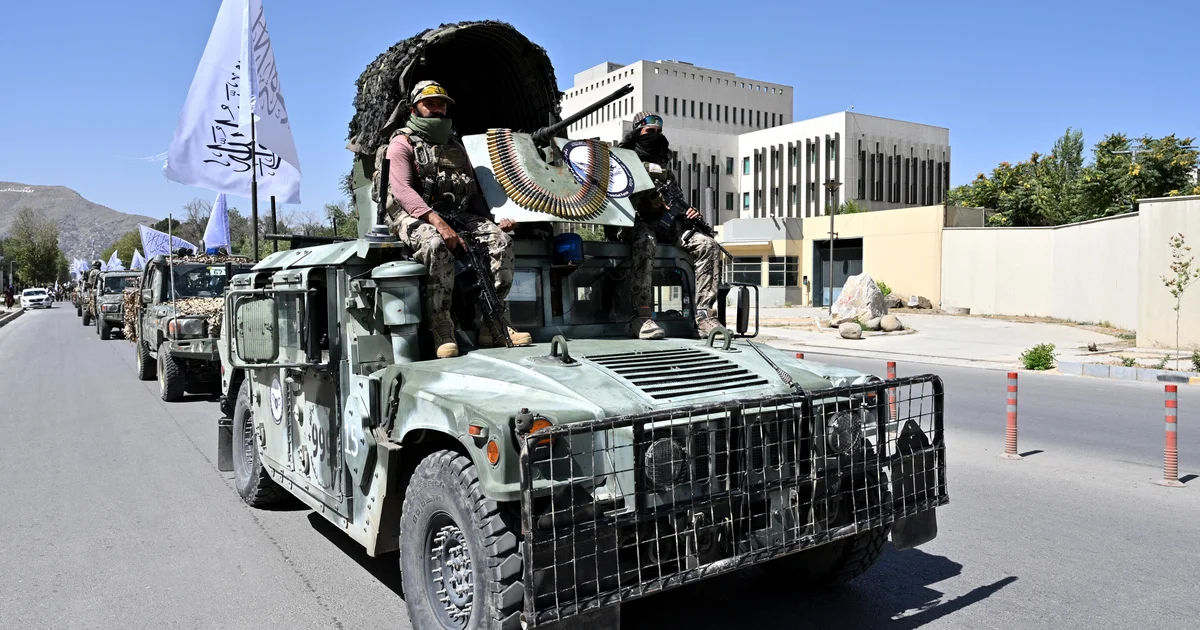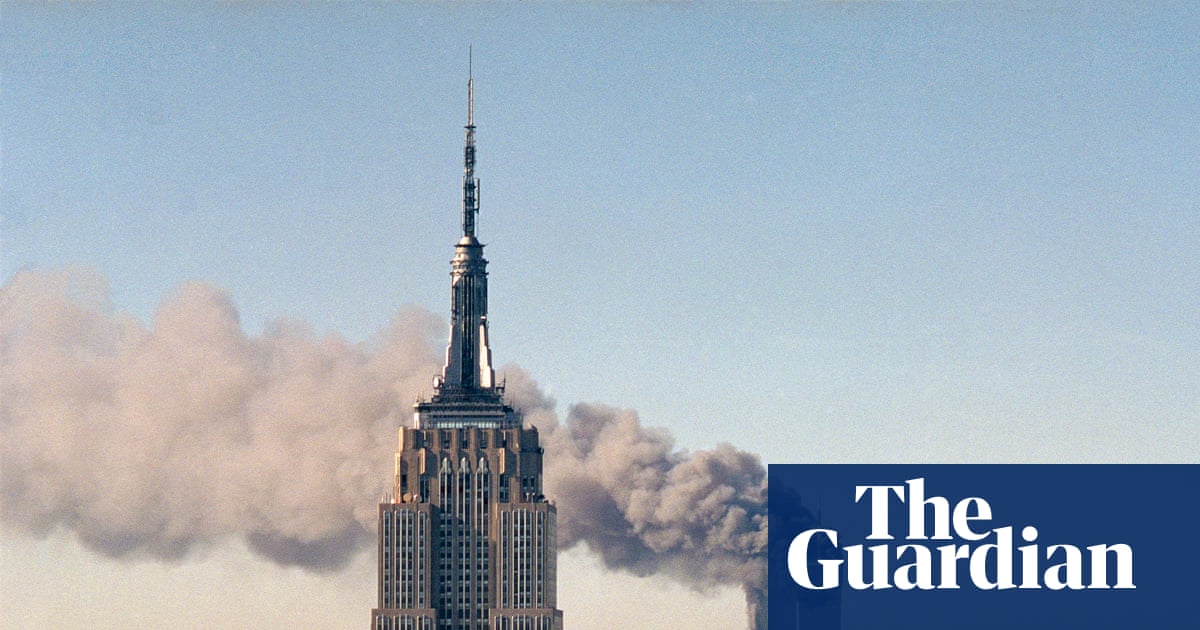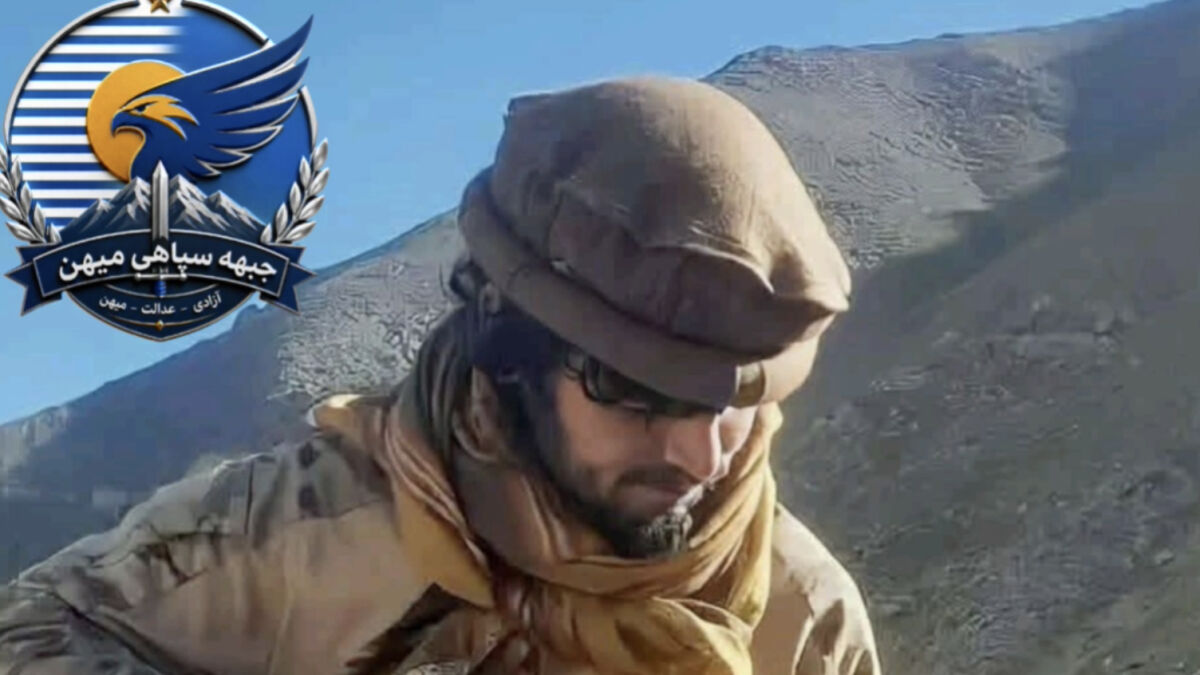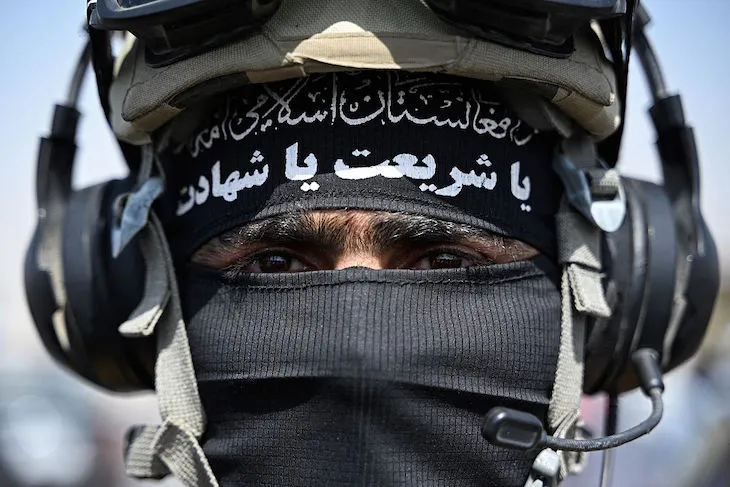
Twenty-five years after 9/11, and five years after the Taliban returned to power in Afghanistan, armed resistance against their rule is growing. The new militias are finding support in a population weary of Taliban rule. The latest group to join the fight, the Afghanistan United Front (AUF), have had their campaign blessed in a fatwa by a large group of Afghan Islamic clerics and scholars, who question the religious legitimacy of the Taliban. ‘It is our duty,’ they write, ‘to destroy the lying and deceptive narrative of the Taliban to save our religion and our people from this extremist and heretical group.’
Western countries risk making the same mistake again if they continue to ignore the flashing red warning lights coming from the country
Since the AUF began their military campaign in August they have carried out more than one attack a day, significantly increasing the momentum of military action across the country, with their most audacious attacks on targets in the Taliban heartland of Kandahar and Helmand in the south. They aim to destabilise the Taliban, showing that nowhere is safe. They are led by a former Afghan army general Sami Sadat, as is another group, the Afghanistan Freedom Front (AFF), led by Yasin Zia, which has held parts of a district in the north-eastern province Badakhshan against determined Taliban attacks for some weeks now. Both Sadat and Zia have networks of former soldiers to draw on, ready recruits for a fightback as they have been hunted down by the Taliban for five years. The third main group, the National Resistance Front, has been in the field longest, and is led by Ahmad Massoud, son of the legendary guerrilla commander Ahmed Shah Massoud, who was killed by terrorists two days before 9/11.