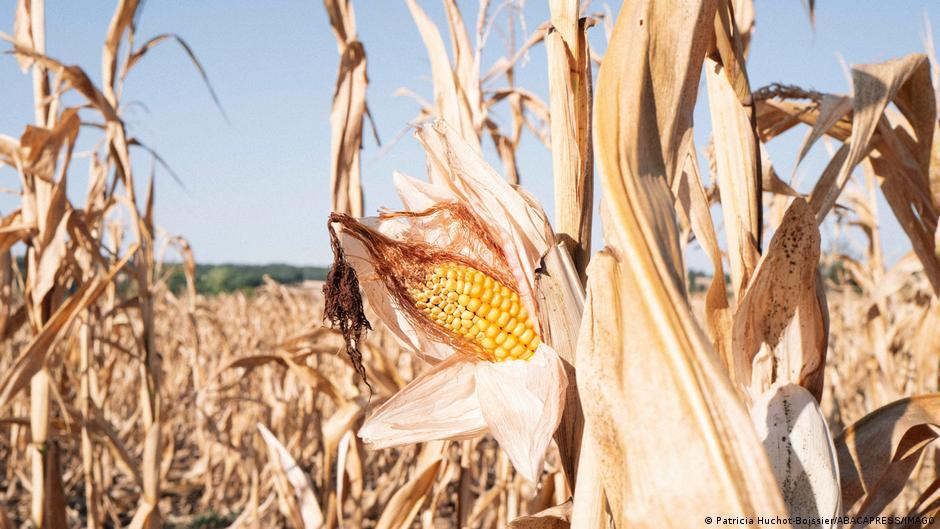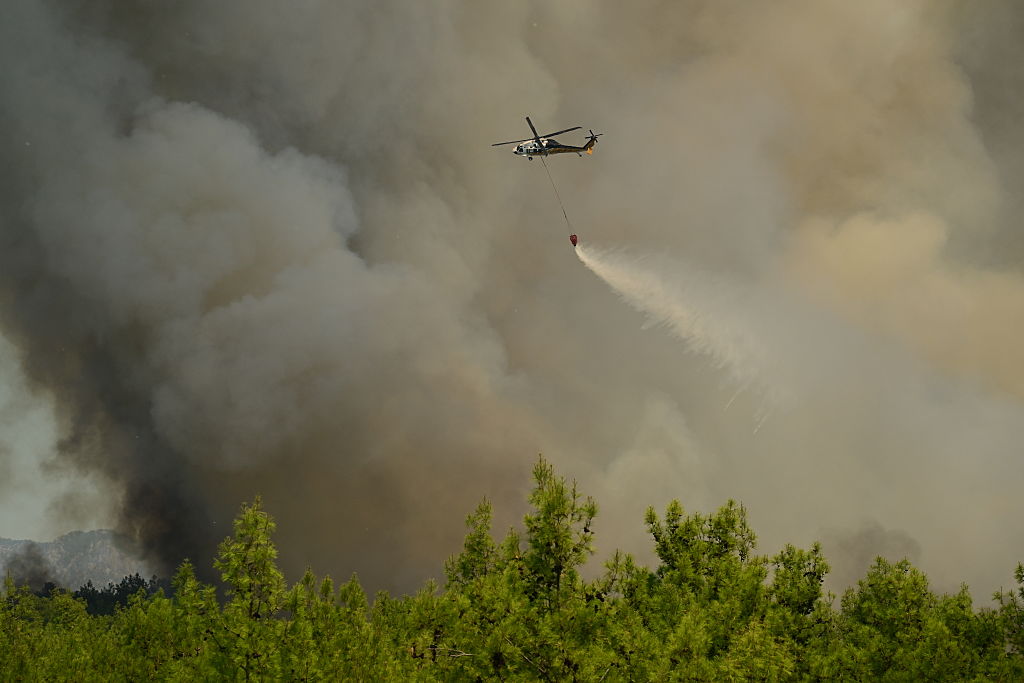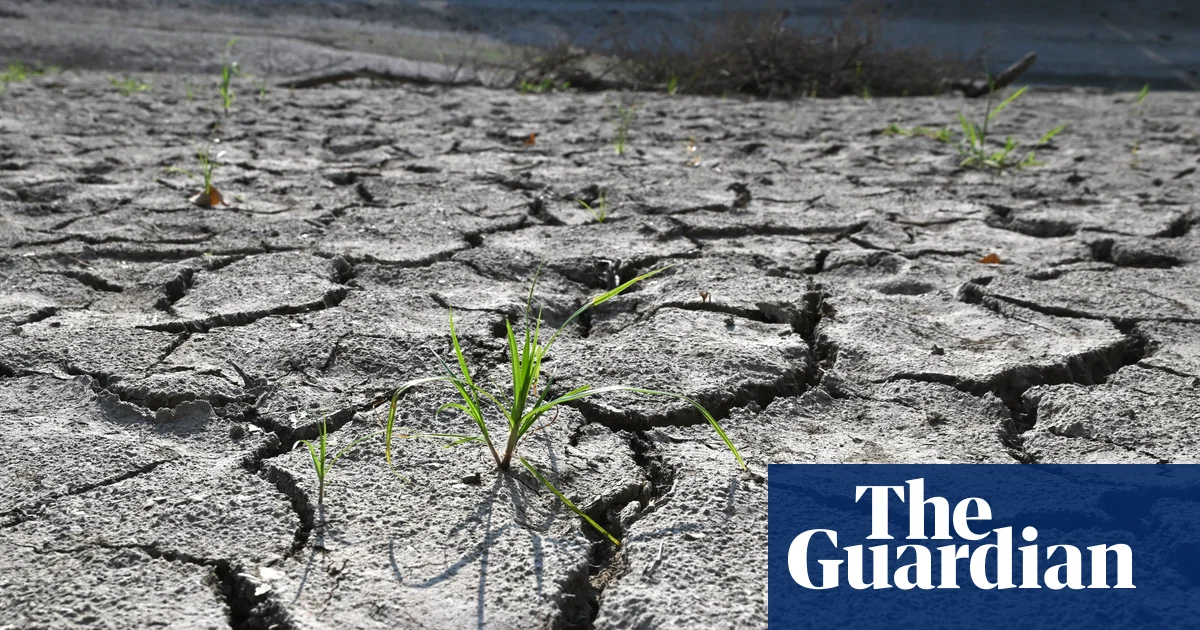
August was the joint-hottest month ever recorded around the world, with global temperatures reaching 1.65C above preindustrial levels, scientists said on Thursday, amid warnings of further heating on the way.August 2026 tied with July 2023 for the hottest month ever recorded, according to the EU’s Copernicus Climate Change Service. Sea surface temperatures also soared to their highest levels on record for August.These temperatures were recorded even before the coming El Niño weather system has made much of an impact. El Niño is a naturally recurrent phenomenon whereby wind changes over the Pacific lead to rising ocean temperatures and the transfer of huge amounts of heat to the atmosphere, with the consequences felt around the world in floods, droughts and heatwaves.This year’s El Niño, likely to reach its full strength towards the end of the year, is forecast to be potentially the most intense on record, as it is now supercharged by the climate crisis.Friederike Otto, a professor of climate science at Imperial College London, said: “While El Niño is starting to ramp up the heat, the underlying driver [behind this year’s high temperatures] remains our relentless burning of fossil fuels. Climate change makes every El Niño hotter, and until we stop burning coal, oil and gas, these record-shattering months will simply keep on coming.”A wildfire rages near Santa Maria, California. Photograph: Benjamin Hanson/Middle East Images/AFP/Getty ImagesThe impacts of August’s extreme heat are still being felt around the world, in the aftermath of devastating wildfires, damage to harvests, excess deaths from heatwaves and disruptions to transport, business and public services in many countries. Food price inflation is likely to increase further, as the impacts of smaller harvests are felt in domestic markets and imports.Simon Stiell, the UN climate chief, said that the economic and social damage of the summer was still being counted. “Extreme heat [has been] killing millions and costing trillions, hitting transport and health systems, and pushing up prices for household basics like food,” he said. “The evidence is irrefutable: this is the spiralling price of humanity’s fossil fuel addiction, and the global climate crisis it is fuelling.”Multiple heatwaves in the UK left green spaces parched. Pictured: Greenwich Park in London. Photograph: Thomas Krych/Zuma/AlamyHe called for governments to respond with “a faster shift to clean energy, which is now cheaper than fossil fuels, protecting our forests and the ocean, and building climate resilience”.Although temperatures exceeded 1.5C above preindustrial levels, set in the 2015 Paris climate agreement as the lower of two limits that governments would strive to keep, such highs would need to continue for several years before the agreement was judged to be breached. However, the UN conceded the “overshoot” this month, and said the large-scale removal of carbon dioxide from the atmosphere would be needed to remedy it.Data from the Copernicus Earth observation satellite service also confirmed that western and central Europe, as well as areas of Scandinavia and southeastern Europe, have experienced much drier than usual conditions over the summer, while around the world much of the south of the US, northern Mexico, parts of Canada, the Maghreb, part of the Horn of Africa, Siberia, large parts of central Asia, China, South America, South Africa, and northern Australia were all also drier than average.skip past newsletter promotionafter newsletter promotionThe Romanian part of the Danube River had exceptionally low water levels because of extreme heat. Photograph: Vadim Ghirdă/APThe further temperatures rise above the 1.5C threshold, the greater the chance of reaching planetary “tipping points” that could push temperatures much higher and irretrievably break down key stabilisers of the climate system, such as the Arctic ice cap and the Amazon rainforest. Ruth Fuller, chief adviser on climate to the environmental charity WWF UK, said: “This year has seen records broken left, right and centre, increasing the risk that natural systems will irreversibly change once they are pushed past tipping points.”Samantha Burgess, strategic lead for climate at the European Centre for Medium-Range Weather Forecasts, which operates the Copernicus service, said: “August 2026 was a remarkable month in the global climate record. It was both the warmest August and the warmest month ever recorded, with global temperatures reaching 1.65C above preindustrial levels, marking the return of global temperatures above 1.5C.“Combined with record global sea surface temperatures and the warmest summer on record for western Europe, these observations show how climate change is driving extremes across the atmosphere and the oceans. The impacts of these conditions are increasingly being felt by communities, economies and ecosystems across the world.”
August was joint-hottest month ever recorded globally
Temperatures reached 1.65C above preindustrial levels, months before El Niño system reaches full strength
747 words~3 min read