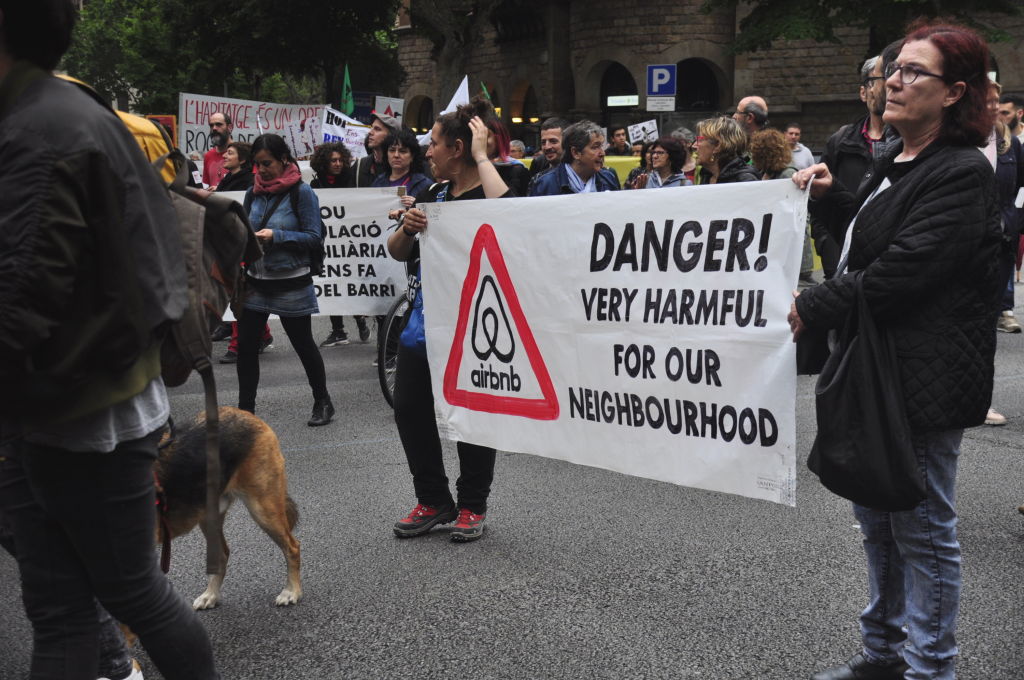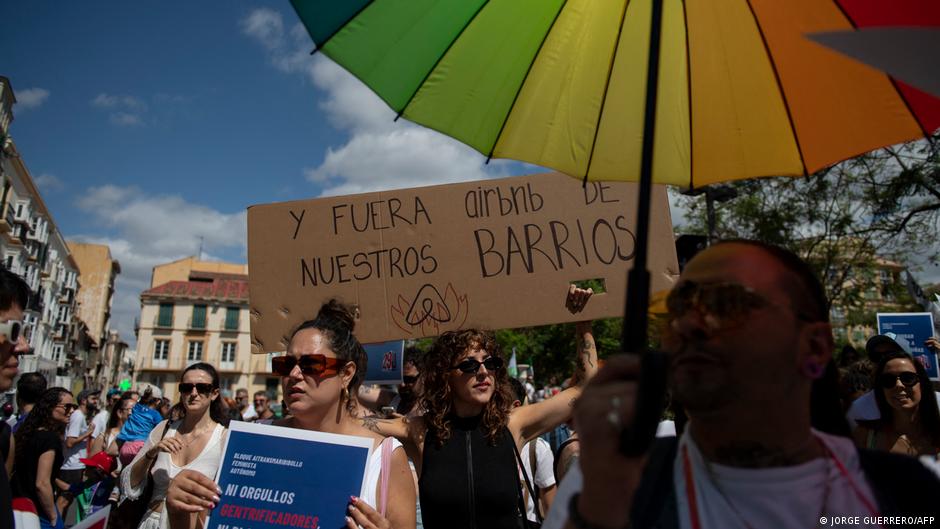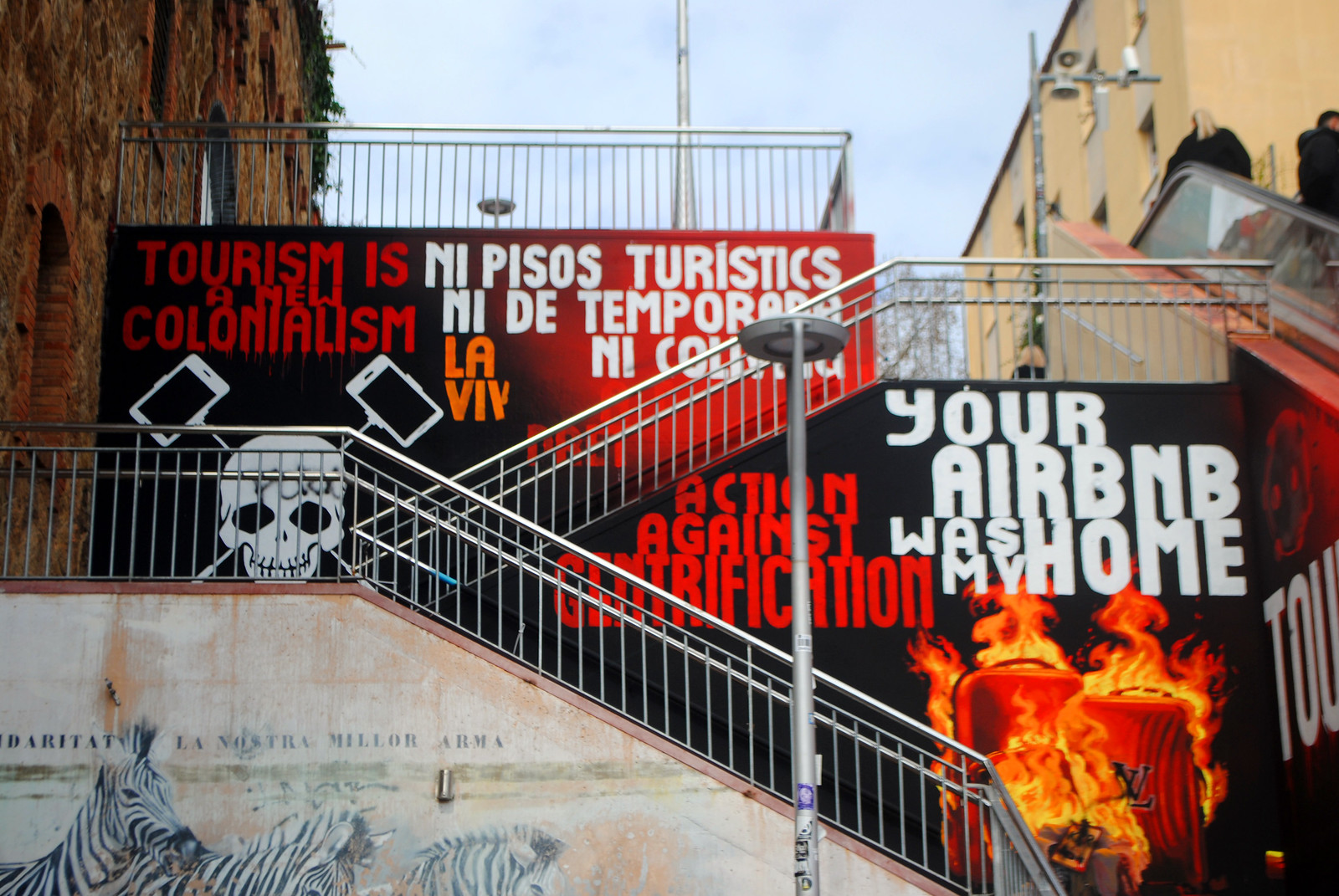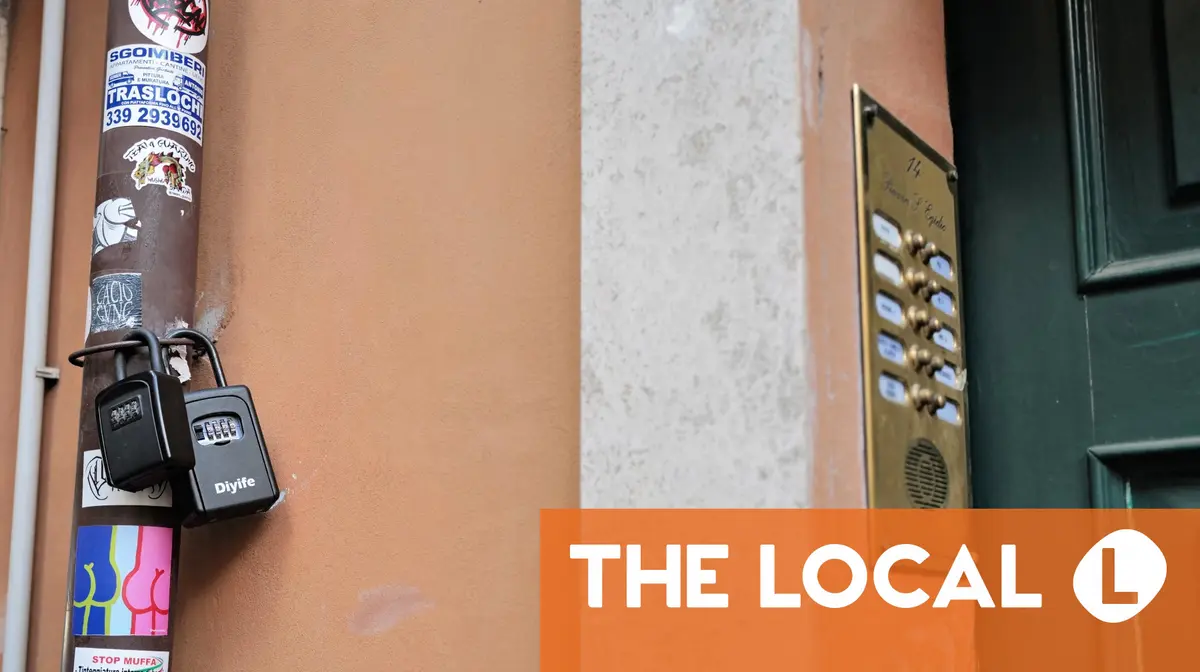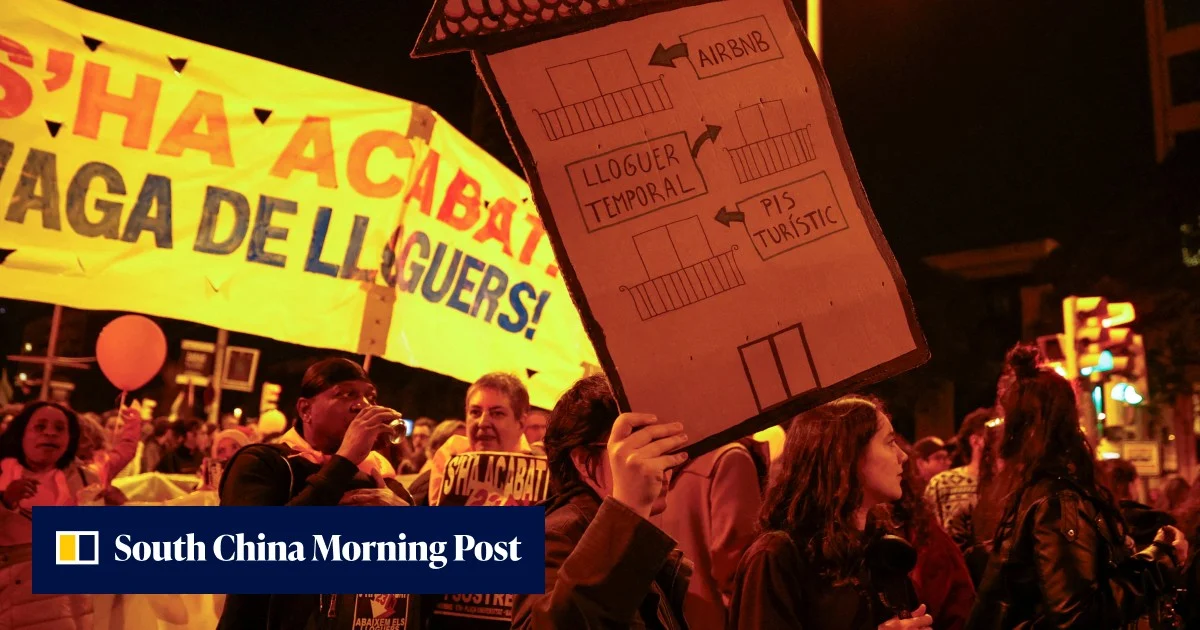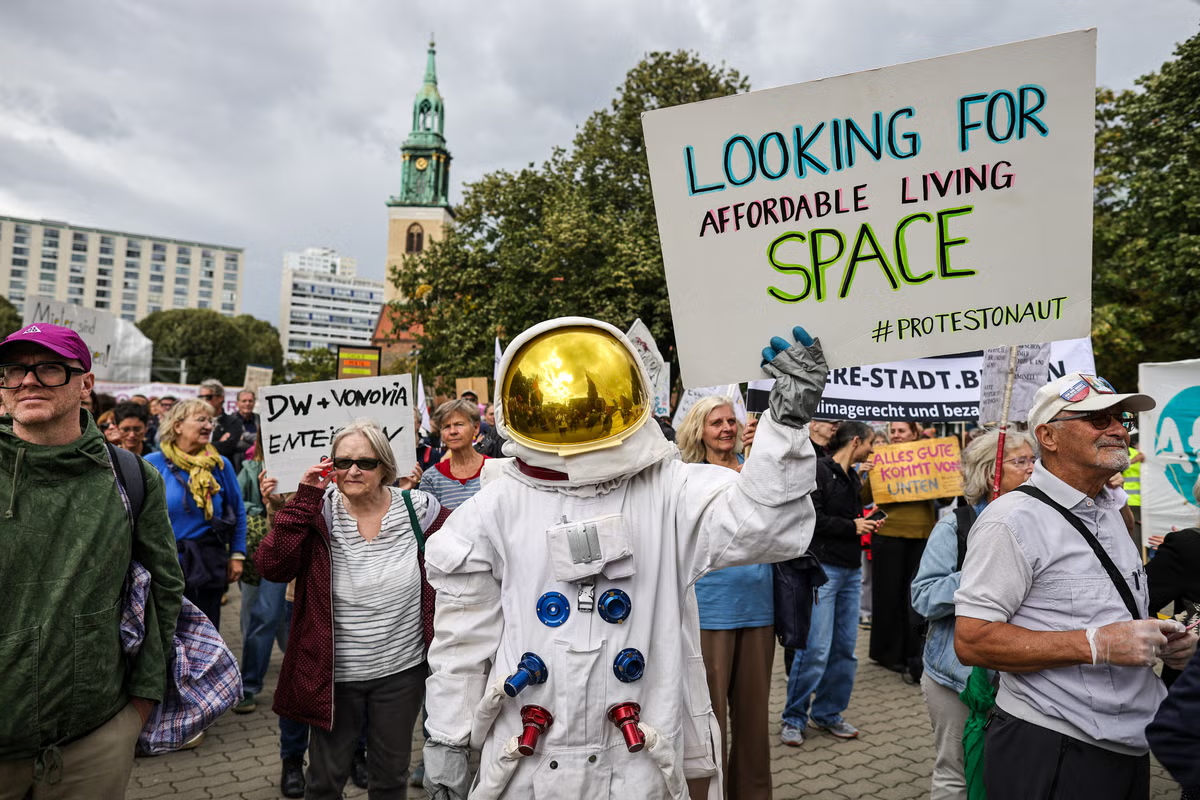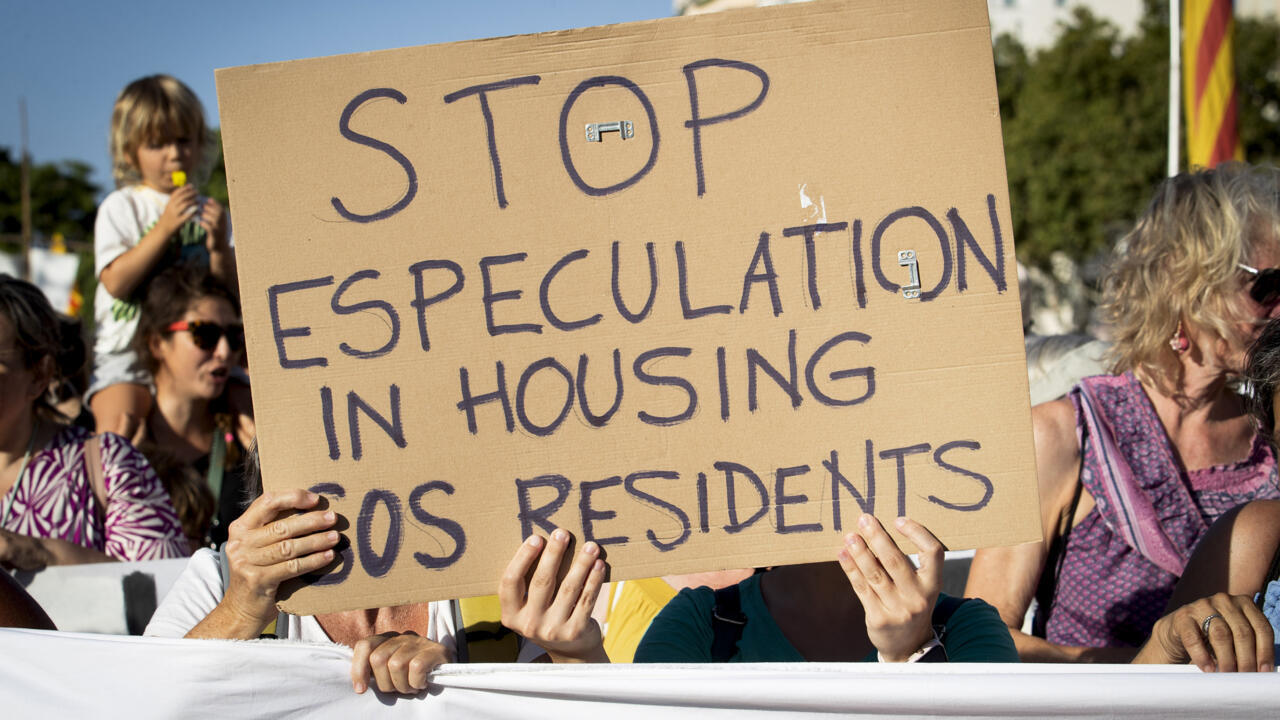
Once seen as a handy way to travel on a tighter budget and for “hosts” to earn some extra cash, the Airbnb equation has stopped adding up. The number of apartments and homes bought and set aside for short-stay tourist accommodation – often by commercial enterprises who own multiple properties – has exacerbated a chronic shortage of housing in European cities, and for locals living near popular holiday destinations. Airbnb, Booking.com and other short-term letting platforms have found themselves in the regulatory crosshairs of the European Union as a result. New rules coming from Brussels will give city and local administrations a sturdier legal footing when introducing restrictions to stop properties being taken out of the housing market to be used as tourist accommodation. The European Commission proposed legislation yesterday, the Affordable Housing Act, to better knit together the existing patchwork of national or city-specific limits on short-stay platforms, and encourage other cities to introduce their own. In Paris, you can’t let out a second property on Airbnb. There are similar restrictions in Biarritz and other French municipalities. Barcelona is planning to do away with Airbnb-let apartments altogether from 2028, by refusing to renew thousands of licences required to rent property to tourists in the city. An appeal challenging the phasing out of holiday apartment rentals was rejected by a top Spanish court last year. Dan Jørgensen, European commissioner for energy and housing, said the EU’s Affordable Housing Act will give national, regional and local authorities more cover to put restrictions on the Airbnb-type business model. That could mean a limit on how many days a year a property can be used for tourism accommodation, or a cap on the number of short-term rentals permitted in certain areas. [ Ireland needs better hostels and more serviced camping sitesOpens in new window ]One commission official involved in writing the new regulation said it “does not establish a catalogue of measures” deemed compatible with EU law in order to keep it flexible for cities. “There’s no doubt that short-term rental has become a real challenge in many European cities,” Jørgensen told The Irish Times this week. “I’m sure that we might hear some critical voices from some of the platforms that make money on the situation, but I think what we’re doing is proportionate,” he said. Limits on holiday rentals will need to be underpinned by an assessment showing the region or area is facing “housing stress”. That will be calculated by looking at the ratio of property prices to household incomes. “These criteria are such that all of the cities that think they have a problem will be covered,” Jørgensen said. “We’ve seen examples of cities being quite desperate either because they don’t feel they have the legal framework to act, or they have done something and then they’ve been dragged to court,” the Danish politician said. The hope is stricter regulation of short-term lets will bring homes and apartments back into the regular housing or rental market. [ Europe’s oversaturated tourism industry reaches tipping pointOpens in new window ]Figures drawn from short-term listings suggest properties available on the main platforms represent a little more than one per cent of Europe’s housing stock. That may not sound like a lot, but when you look at tourist hotspots, the number shoots up dramatically. Airbnb-let accommodation accounts for a fifth of housing in certain neighbourhoods, according to figures examined by EU officials. Labour MEP Aodhán Ó Ríordáin said the present situation, where tourists were staying in houses while homeless families lived in hotels in Dublin, was obscene. The restrictions are not aimed at people renting out their own home on Airbnb for a couple of weeks a year. Airbnb has been defending its business model. “We’ll work with member states to ensure any measures are proportionate and evidence-led, protecting the hosts, guests and communities that depend on short-term rentals,” the company said. The Affordable Housing Act will provide more cover for governments to tackle vacancy rates, too.They could do that by legislating to limit the purchase of new homes in certain areas to people buying property to use as their primary residence, to stop houses and apartments being snapped up as investments or second homes during a housing crisis. “Short-term rentals, for sure that’s a problem, but actually if we look at it there are far, far more homes that are either vacant, maybe because a building has just been bought as a commodity for speculative reasons, or that are second homes,” Jørgensen said. There are some interesting ideas in this space, beyond charging a tax on properties sitting empty for long periods. Regional authorities in Brussels offer generous tax breaks when you buy a home, provided you live in it for at least five years afterwards. In Copenhagen there is a legal requirement that residential property in the Danish capital must be occupied and cannot be left vacant. Food for thought.
The Airbnb equation has stopped adding up for Europe
New EU legislation will give governments greater cover to restrict short-term tourist rentals and target vacant homes
819 words~4 min read