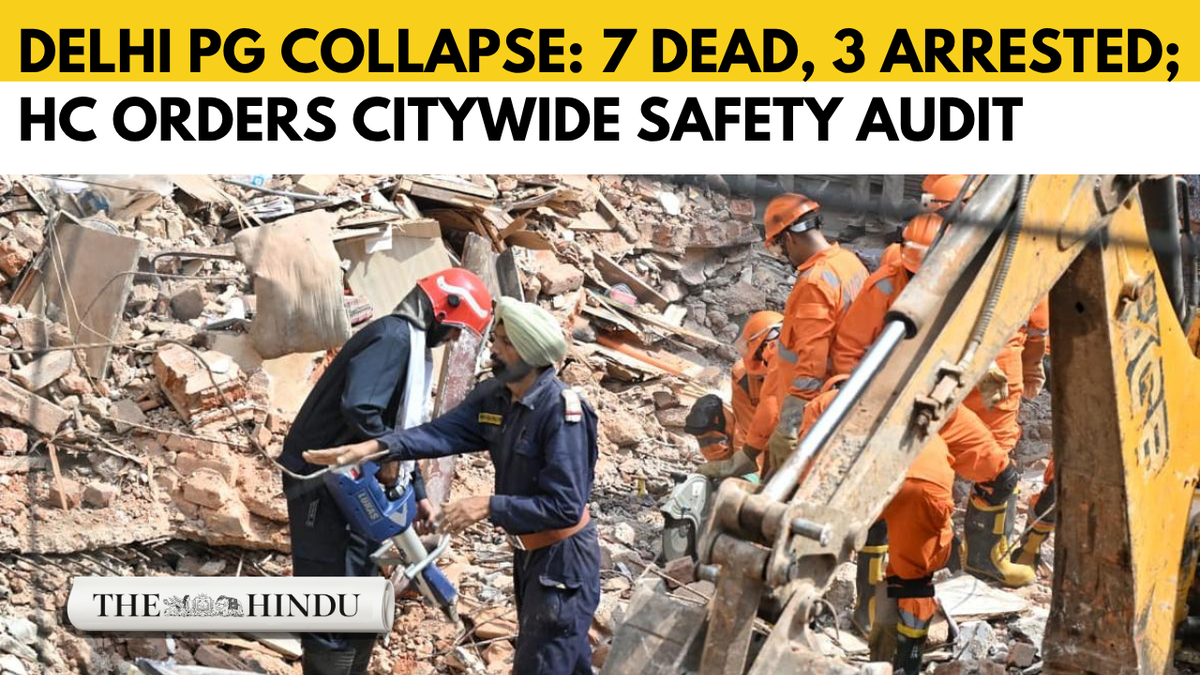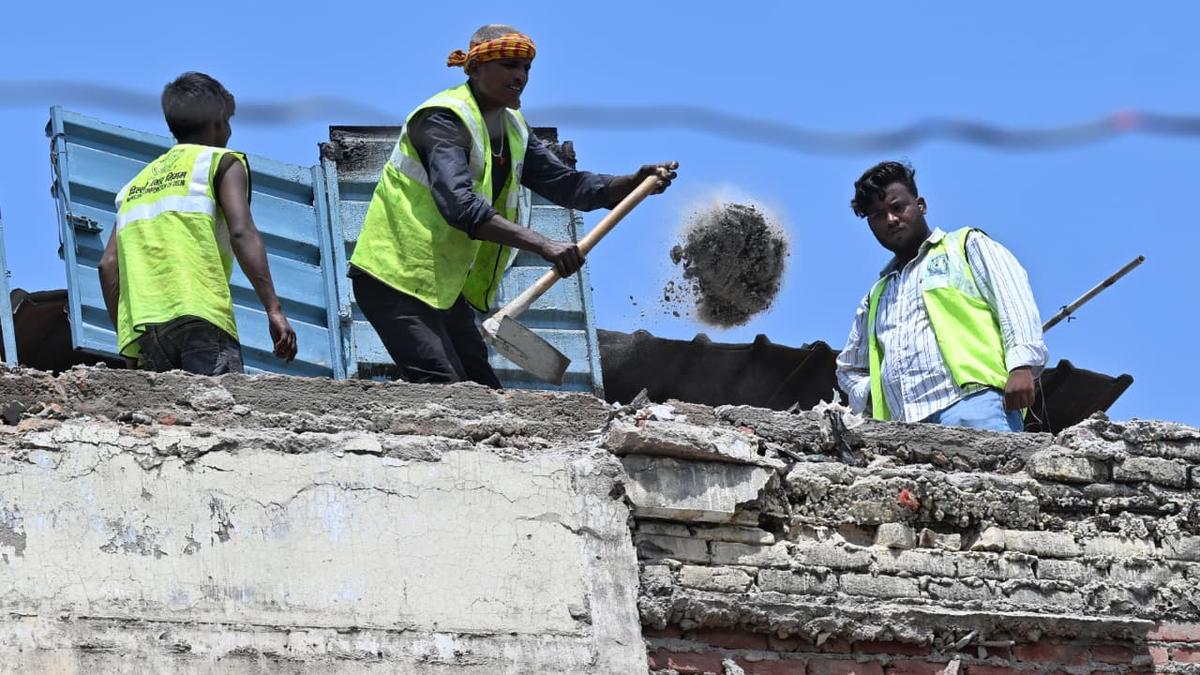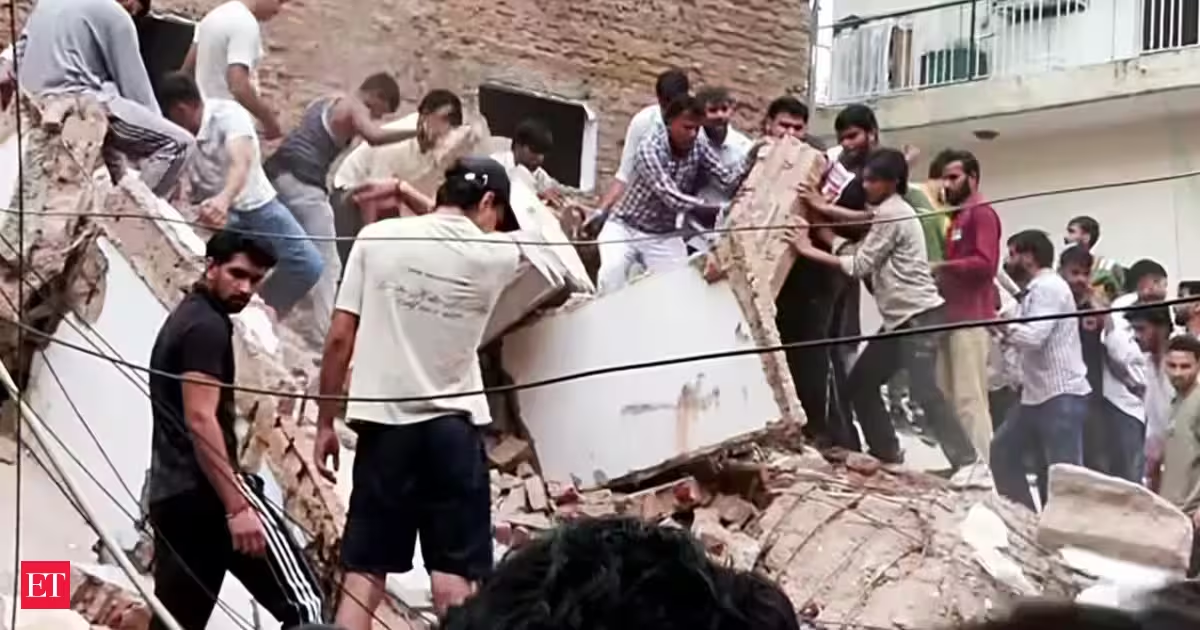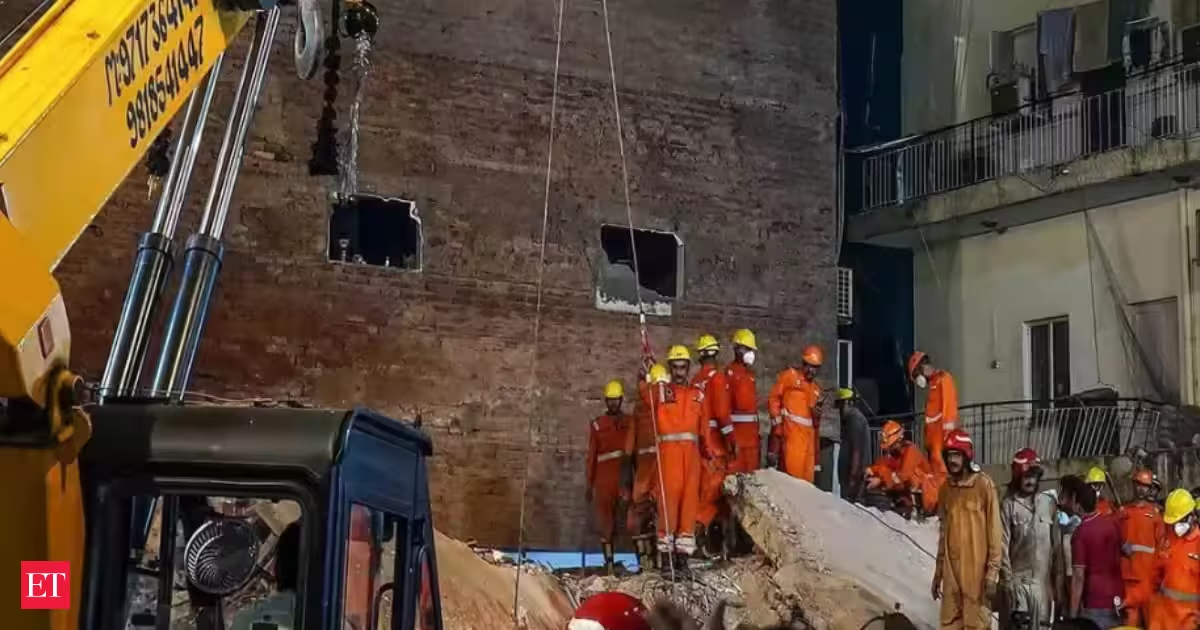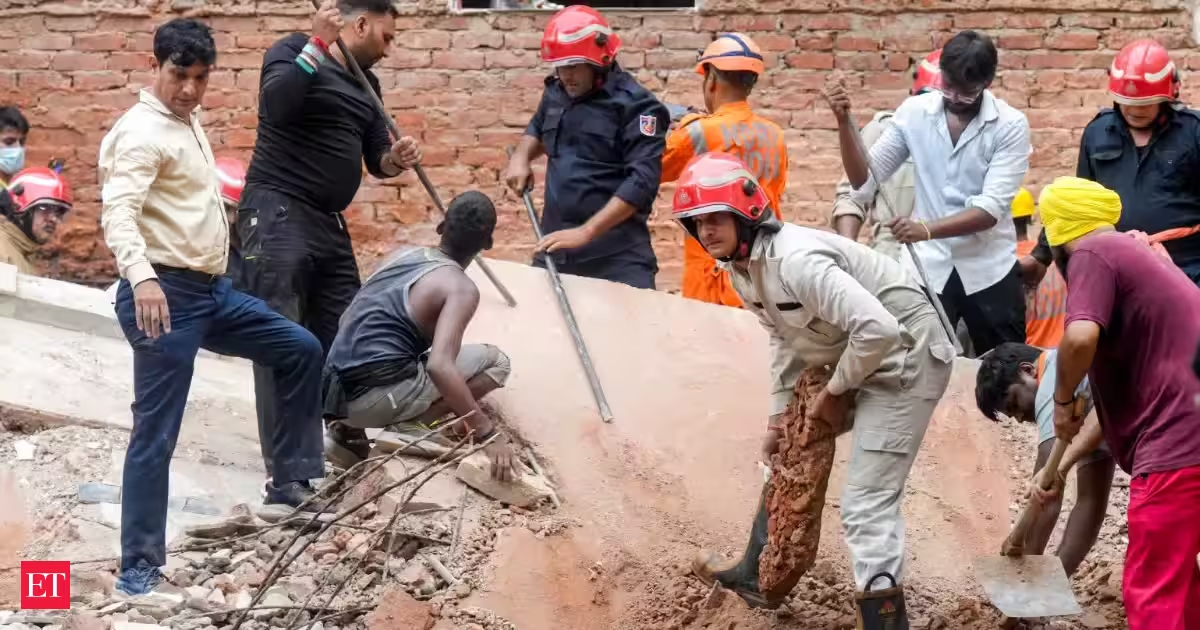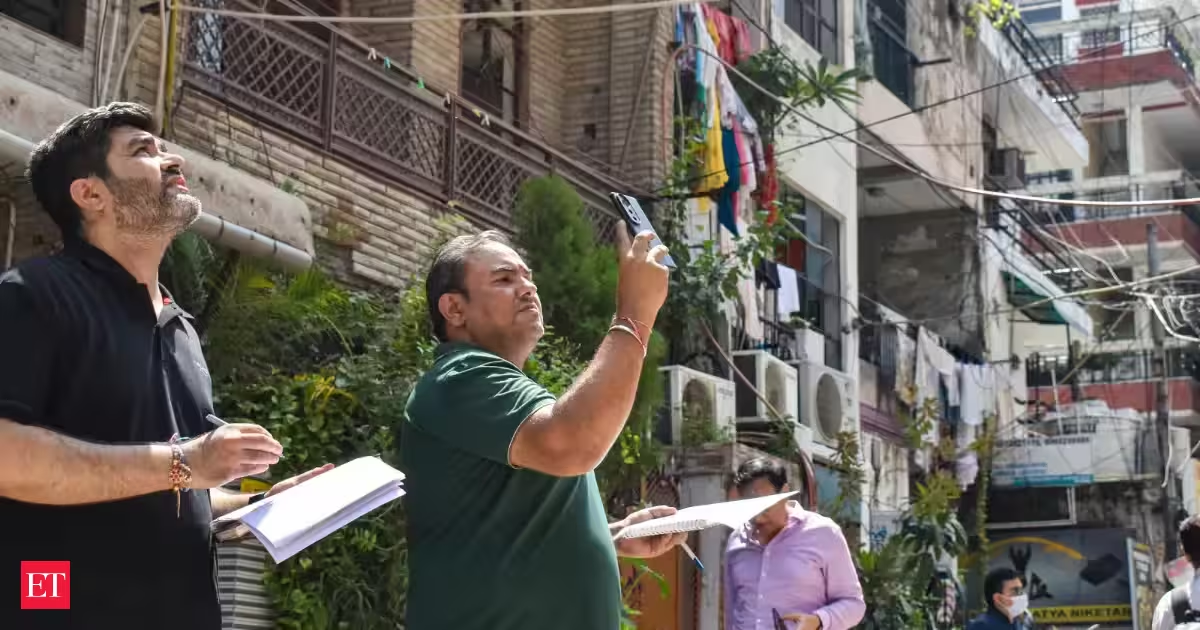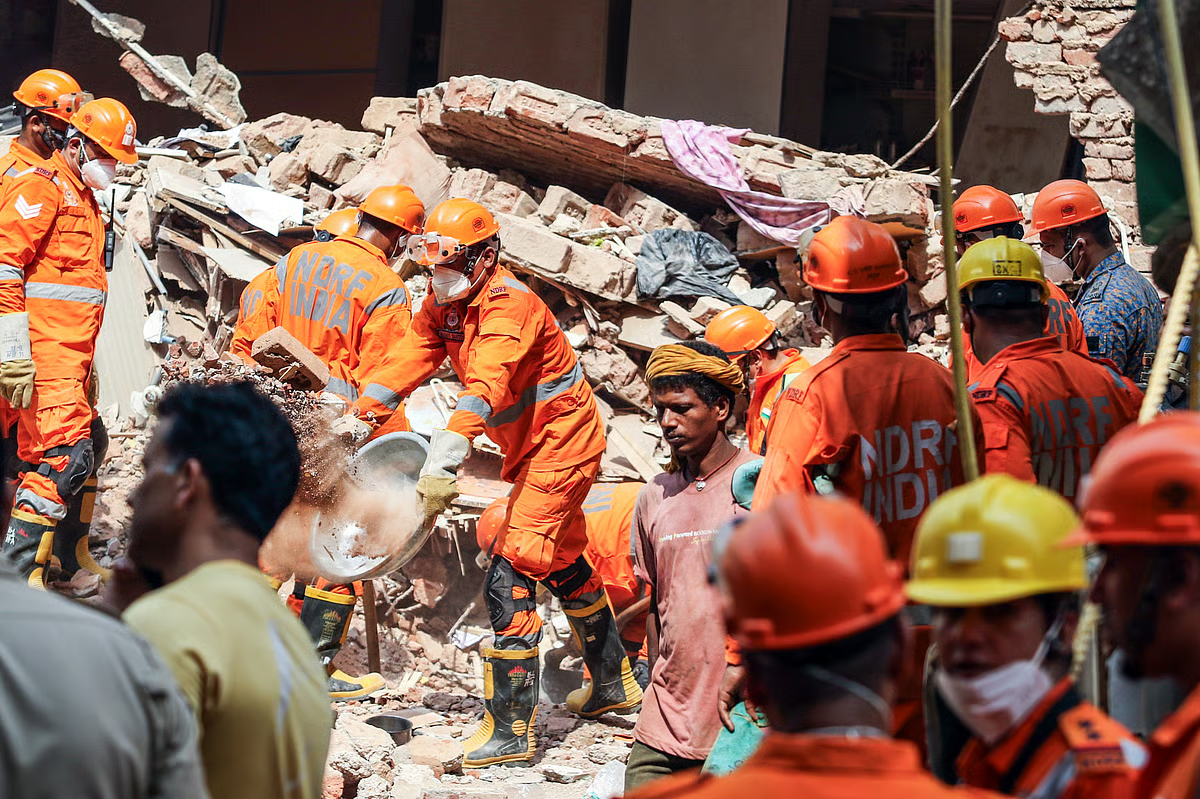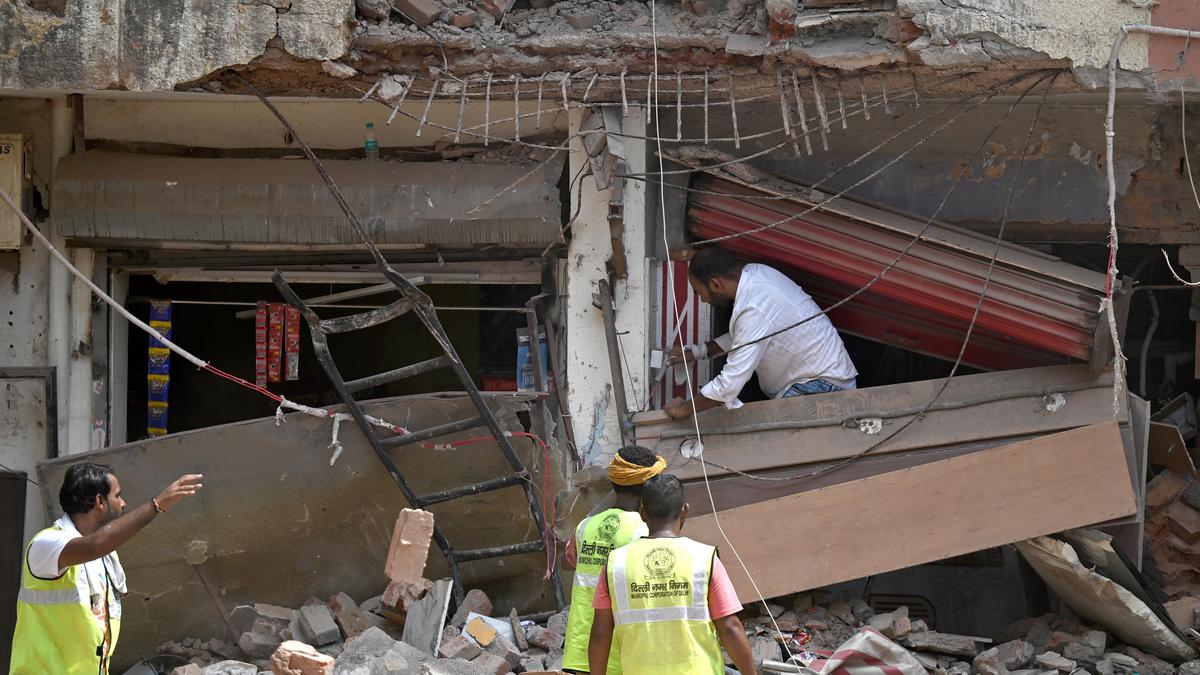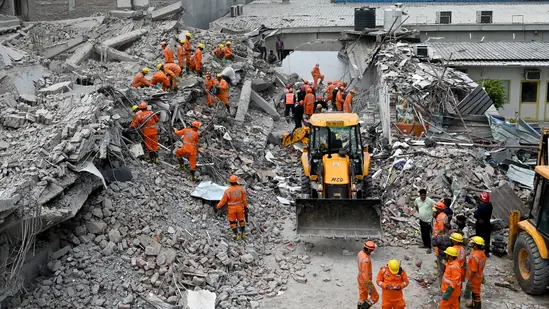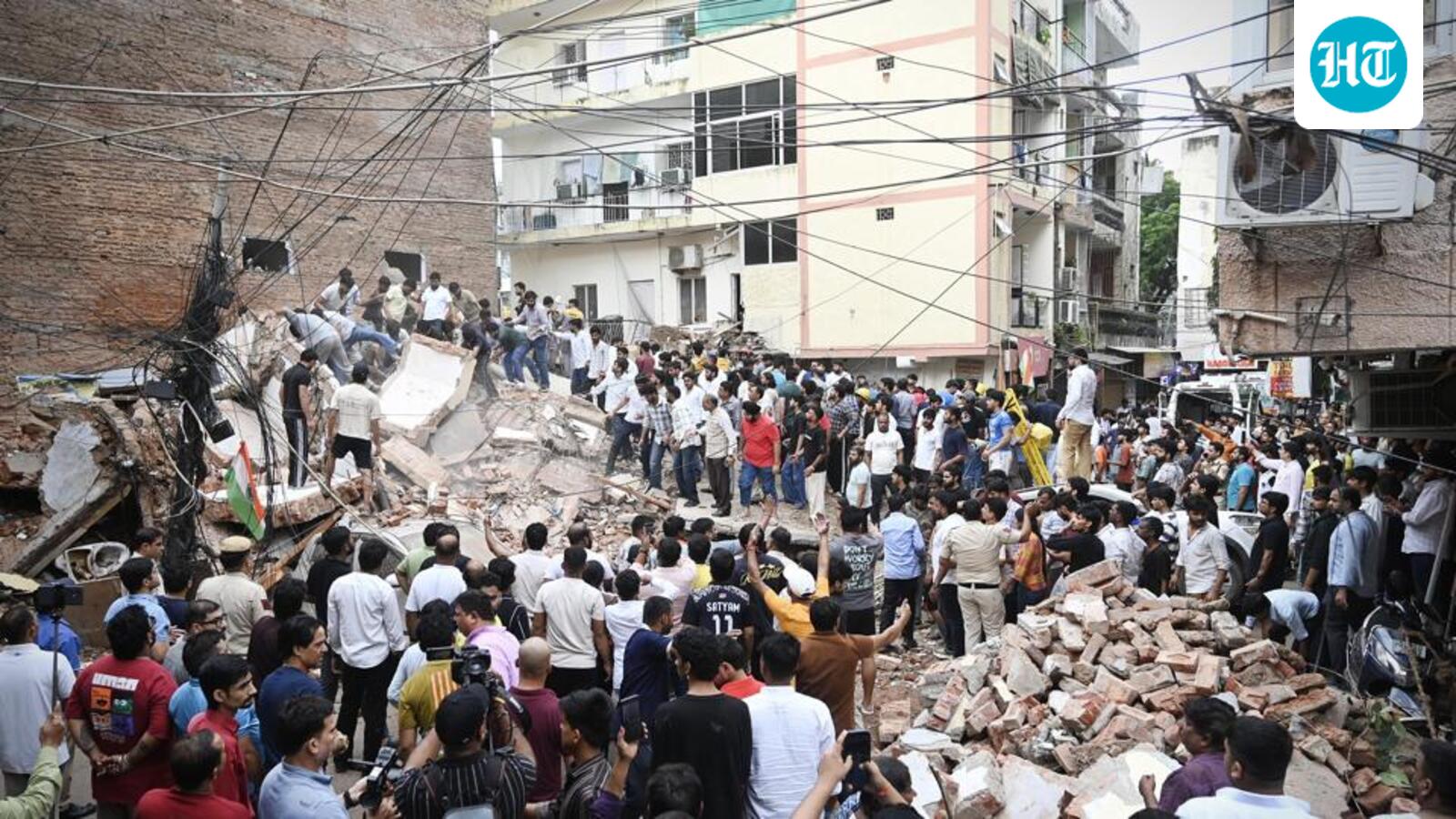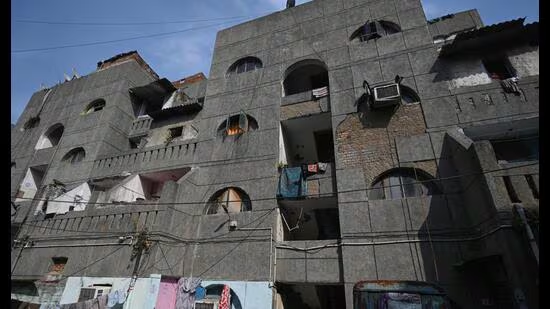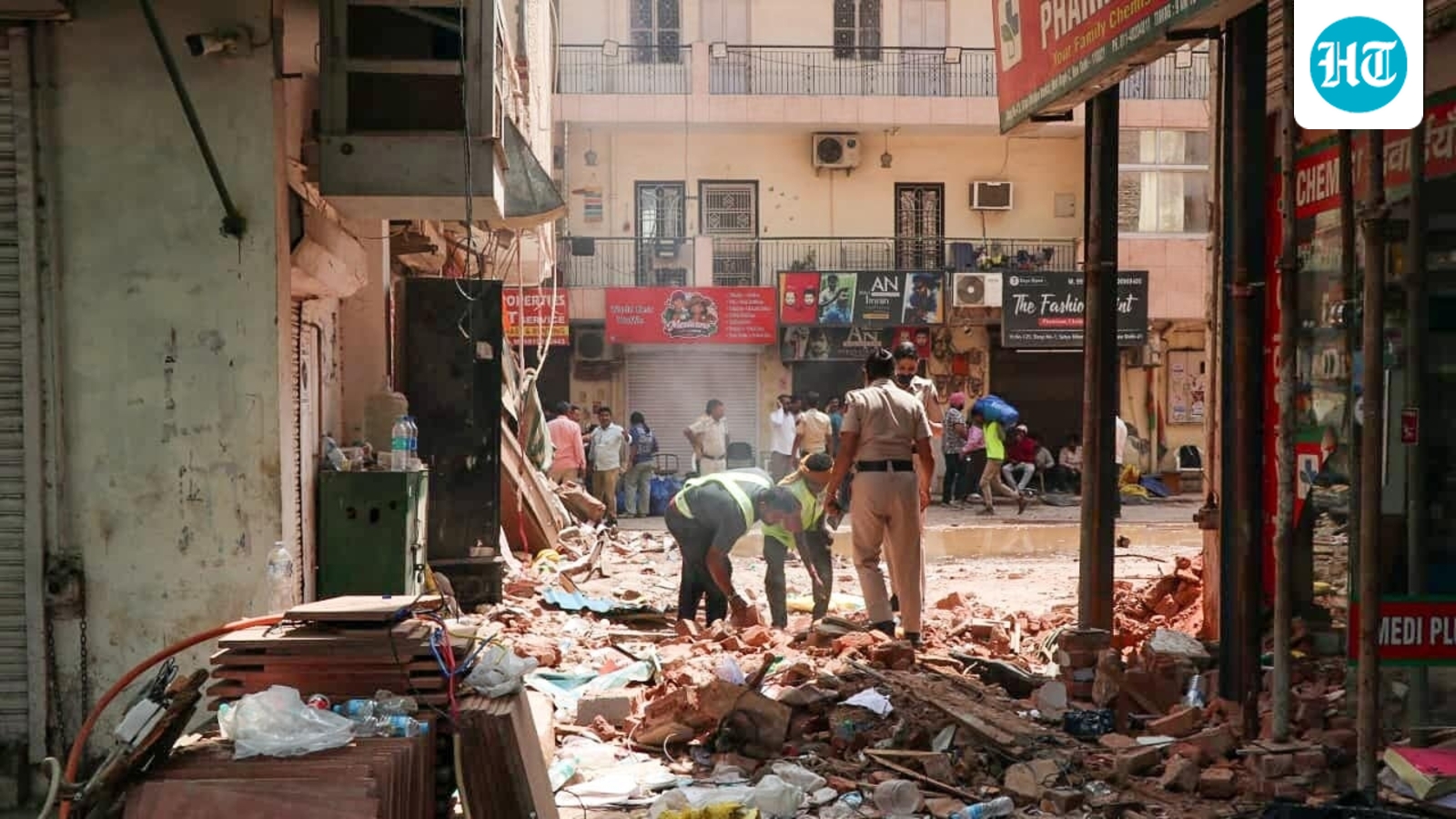
In the aftermath of Sunday’s building collapse at Satya Niketan, Delhi -- a city with more than 3.25 million residential buildings claimed to surveyed annually by the civic body -- is grappling with renewed concerns over structural safety. The challenge is particularly acute in a city where nearly two-thirds of residents are estimated to live in buildings constructed without adherence to building norms and which falls in Seismic Zone 4, classified as having a “high risk” of earthquakes.Workers clear the debris in the presence of security personnel at the site of the Satya Niketan building collapse (6th Sep), in New Delhi on Tuesday. (ANI Photo) (NEERAJ CHOPRA)Keeping these factors in mind, assessing millions of buildings would be a gargantuan task for the Municipal Corporation of Delhi (MCD). But civic officials said the corporation does not have a dedicated mechanism or cell specialising in structural safety audits, nor permanent structural engineers on its rolls. Instead, audits are conducted by 249 third-party structural engineers empanelled by MCD. On paper, that means each engineer would have to assess more than 13,000 buildings if the entire city were to undergo a structural safety audit. The latest collapse prompted the Delhi government September 7 to announce a policy for structural audits of vulnerable buildings, but similar directives have been issued before with limited results.Also Read: Delhi building collapse highlights: Satya Niketan building's owner's son, two others sent to 2-day police custodyIn June 2020, following the intervention of the Delhi High Court, the three erstwhile municipal corporations had set a six-month deadline for obtaining structural safety certificates for high-risk buildings and older structures that predated the incorporation of seismic provisions into Delhi’s building byelaws. But nearly six years later, the MCD has covered only a fraction of the properties identified under the court-mandated exercise. According to the latest action-taken report submitted to the court, MCD had identified 4,762 structures as “high risk” or old. Notices were issued to 4,571 of them, but audit reports were received from property owners or occupants in only 1,155 cases. Demolition action was taken against 56 structures and retrofitting against 47.Arpit Bhargava, the petitioner in the case, said, “Accountability has to be fixed to prevent these avoidable deaths. The government and administration do not appear serious at all. They don’t even have enough empanelled structural engineers,” he said. “In 2019, the government had assured that a five-year action plan. Then in 2020, the corporation fixed a six-month deadline for obtaining a structural safety certificate for high-risk buildings but nothing much changed,” he added.Also Read: Three trucks of debris, wall removed on ground floor: New findings in Delhi PG collapse probeA senior MCD official involved in the court-mandated exercise said, “In many cases we have issued notices but people do not respond. If we take harsh action like cutting power or water supply, it leads to a public outcry. The scale of the issue is very large and the problem is particularly stark in the Walled City and unauthorised colonies.”MCD estimates prepared as part of its annual “dangerous building” survey put the total number of house buildings in Delhi at about 3.25 million structures. A large majority of the latter, officials said, were developed without adherence to building regulations.The Tejendra Khanna Committee, set up in 2006 to examine unauthorised construction and misuse of premises, had estimated that 70-80% of structures had violated building norms.Also Read: PG ‘operator’ was 90m away, fled area: PoliceMCD also faces a financial hurdle. Officials said a structural audit of a single small sized residential building can cost between ₹15,000 and ₹50,000 for basic assessment. MCD currently only relied on visual surveyes where only cracks or leaning walls are flagged.Jagdish Mamgain, an urban planning expert and former MCD works committee chairman, said that MCD lacks both resources and political will to undertake a city-wide structural safety campaign. “There are more than 7.4 million dwelling units in Delhi. It is not possible to cover them all but Delhi will have to prioritize certain types of buildings and put in adequate resources, money and expertise to implement it.”
Safety audit exercise falls short in Delhi
In June 2020, Delhi civic bodies set a six-month deadline for safety certificates on high-risk, older buildings predating seismic bylaws. | Latest News Delhi
678 words~3 min read