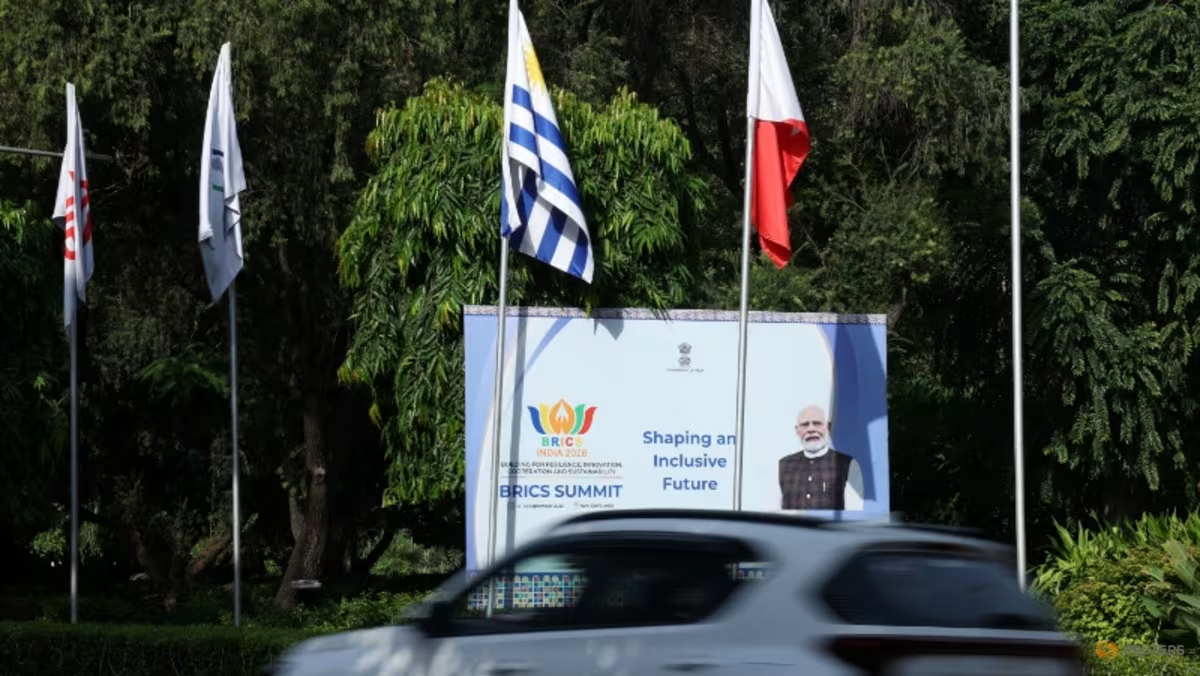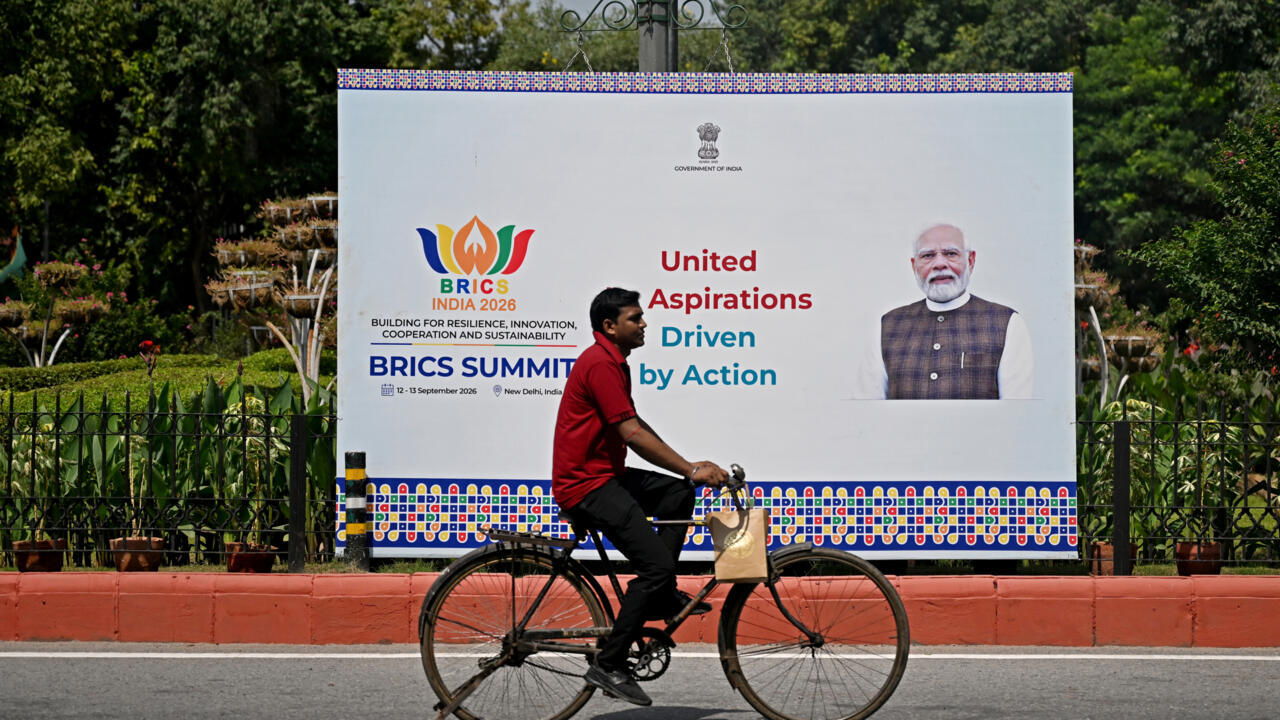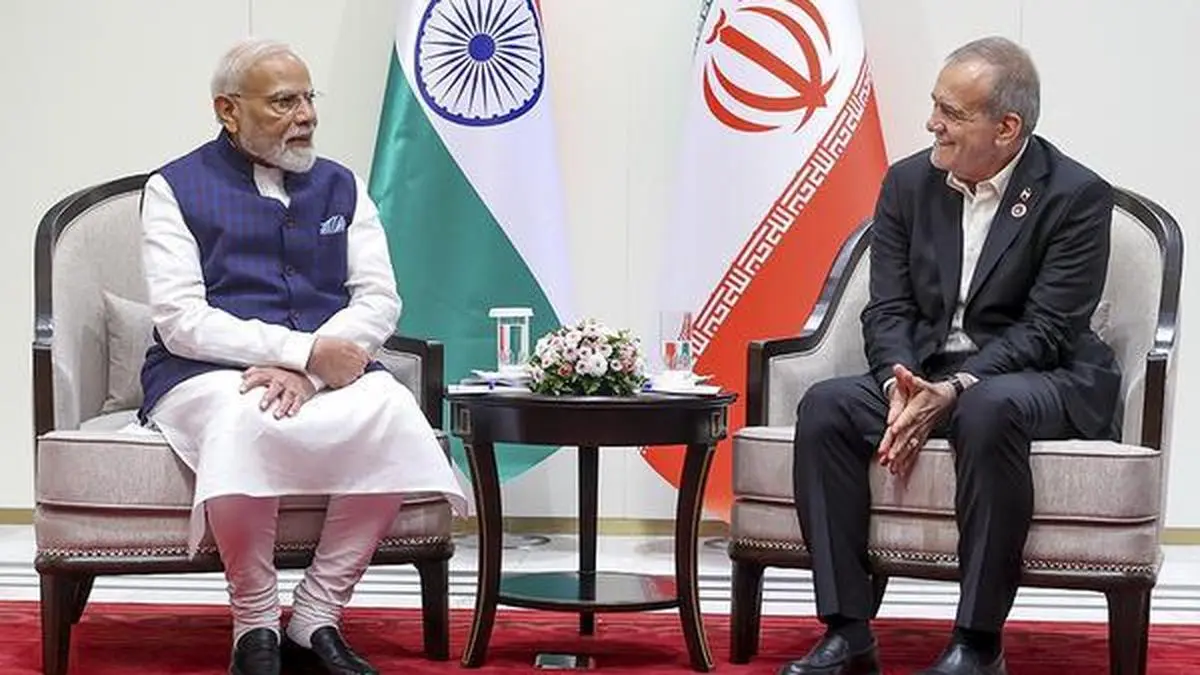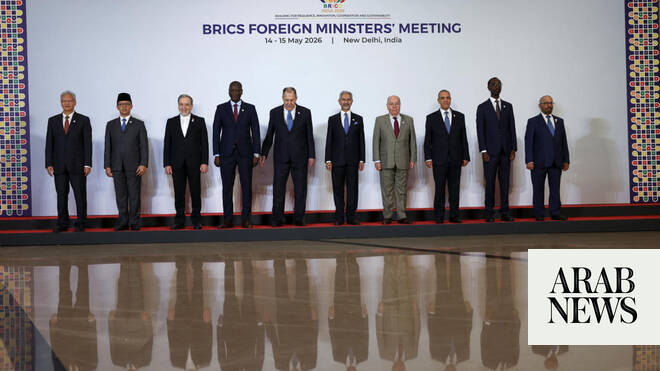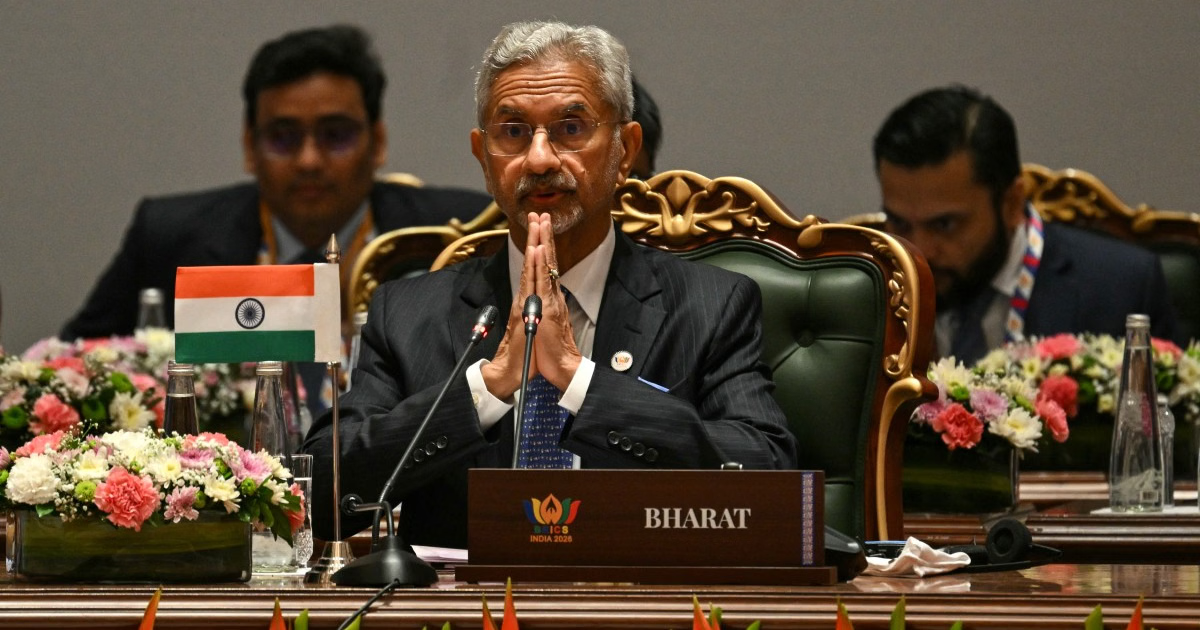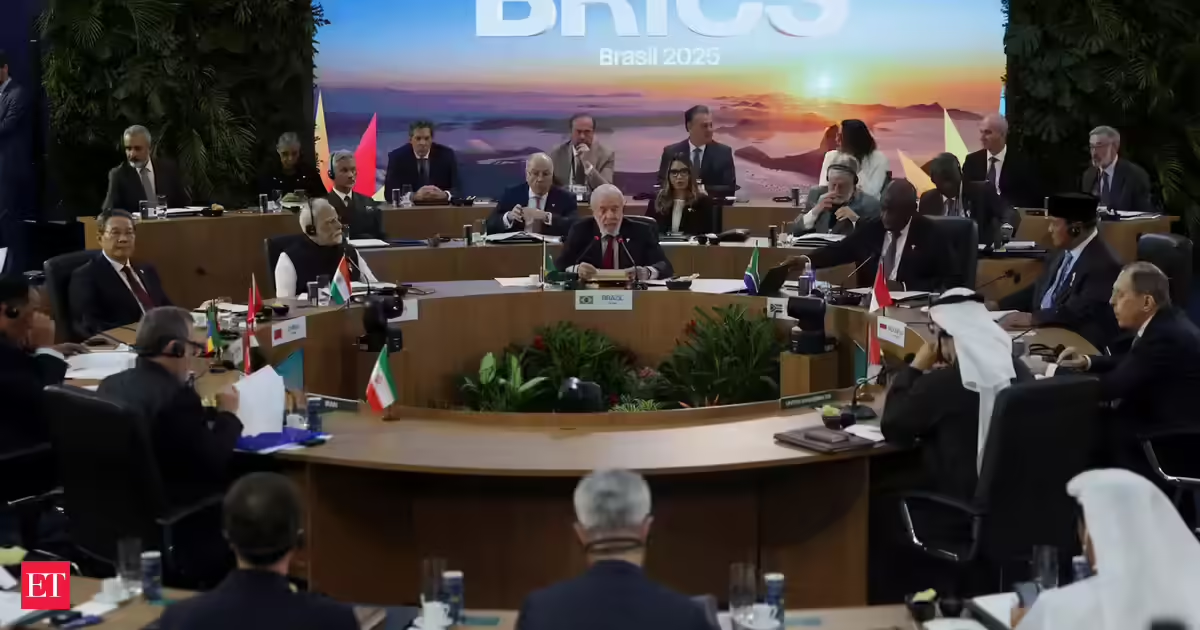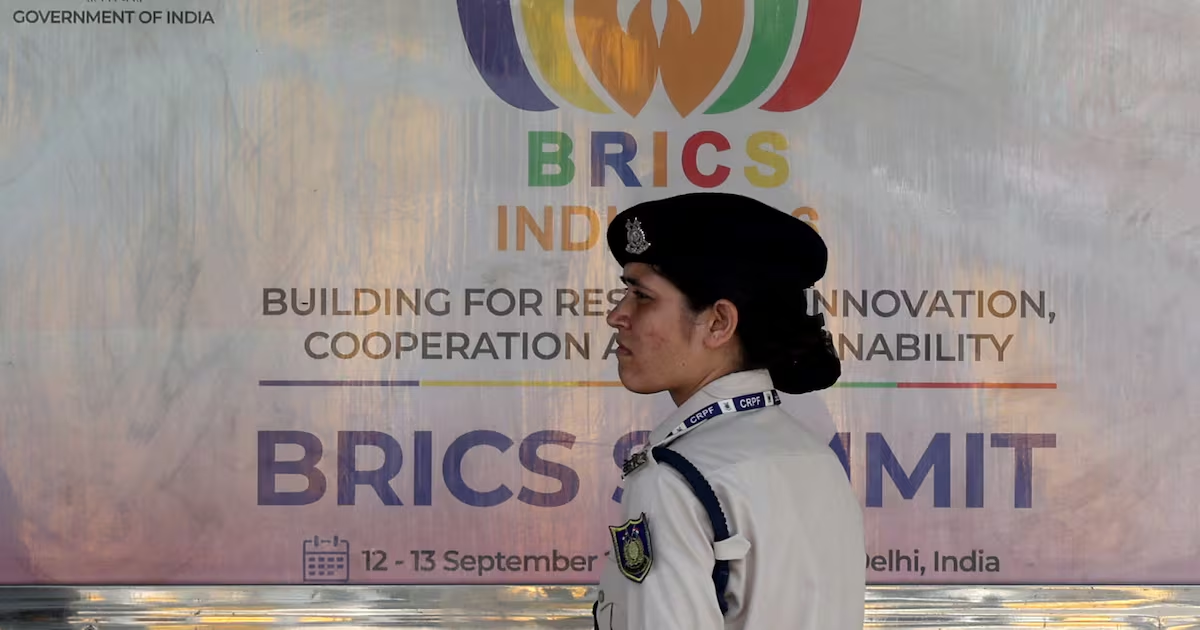
Leaders of the Brics group will gather in New Delhi this week during a time of uncertainty in the global economy, with the Iran war disrupting energy markets, trade routes and long-standing relationships.Six months of war in the Middle East has forced countries to rethink where they get their energy, how they move goods and how they do business.The summit on September 12 and 13 comes as US President Donald Trump’s administration steps up an economic campaign to isolate Iran, warning its trading partners that they could face secondary sanctions if they maintain financial ties with Tehran. At the same time, the conflict has disrupted the flow of oil and gas through the Strait of Hormuz, sending oil prices higher.The strait, a strategic waterway through which a fifth of global oil and gas shipments usually pass, has effectively been closed since the start of the war in February due to Iranian missile and drone attacks on commercial vessels and a US blockade of Iranian ports.The new US front is called Operation Economic Outcast. Treasury Secretary Scott Bessent said the US planned initially to target banks and has urged other countries to sever economic ties with Iran or risk losing access to the dollar-based financial system. That puts some Brics members in a difficult position.China is Iran’s biggest oil customer, taking more than 80 per cent of its shipped crude. Washington's campaign has already disrupted Iranian oil exports, while Chinese buyers – Iran's main remaining customers – face increasing scrutiny. Iranian crude loadings fell in August to about 260,000 barrels per day, from about 1.7 million bpd a year earlier, according to data from commodity analytics firm Kpler. Only a trickle is still moving off terminals for distribution by lorry, train or smaller boats over the Caspian Sea.The US policy also puts countries such as India in an awkward situation. New Delhi remains a critical US partner in the Indo-Pacific, but it also has commercial and strategic interests in Iran that it is unlikely to readily abandon.A week after the Trump administration launched its new sanctions campaign, Indian Prime Minister Narendra Modi met Iranian President Masoud Pezeshkian on the sidelines of the Shanghai Co-operation Organisation summit in Kyrgyzstan. It was their first meeting since the war broke out.The UAE, once one of Iran’s most important commercial gateways, suspended financial and economic transactions with Tehran last month following regional escalation. Iran retaliated against US and Israeli raids by targeting all six Gulf states and Jordan. It has also attacked Gulf-owned commercial vessels.Tarek Fadlallah, chief executive of Nomura Asset Management Middle East, expects the New Delhi summit to produce a push for greater intra-Brics trade in national currencies. But, he said, India, as host, will be wary of any moves that the US could read as de-dollarisation.“Hopes for substantive agreements are low after the foreign ministers’ meeting in May failed to produce a joint declaration for the first time,” Mr Fadlallah told The National.Evolving world order Brics – originally an acronym for Brazil, Russia, India, China and South Africa – has expanded since 2024 to include the UAE, Saudi Arabia, Egypt, Iran, Indonesia and Ethiopia. The group says its members account for 49.5 per cent of the world’s population and about 40 per cent of global gross domestic product at purchasing power parity.Issues that have driven Brics' evolution include greater use of local currencies, alternative payment systems, resilient supply chains and less dependence on established trade and financial networks.China's position illustrates the complexity of the emerging order. Beijing remains Iran's largest economic lifeline, but it also has interests in the US, the Gulf and elsewhere. Analysts say China is unlikely to confront Washington directly over Iran, preferring to push for de-escalation while protecting its broader economic interests.“For Iran, China is its biggest and basically its only paying buyer. But for China, it’s different. Iran is not its only oil supplier. It has got about 15 other suppliers. So there’s a bit of an asymmetry in that,” said Li-Chen Sim, an associate fellow at the US Middle East Institute.“China trades many times more with the Gulf states than it actually trades with Iran. So in that sense, it’s kind of a no-brainer who it chooses in terms of trade. And on the wider trade, China also trades a lot with the US. Obviously, China wants to avoid US sanctions as well.”The result is not necessarily the emergence of two opposing blocs, but a more fragmented system in which countries seek to maintain relationships with several centres of power at once.That is particularly true of the Arab members of Brics, as well as India. New Delhi wants Brics to give emerging economies greater room to manoeuvre, while avoiding an alignment that would make the grouping anti-American or overly dependent on China.Chinese President Xi Jinping is expected to attend the summit at the weekend, his first visit to India in seven years.The summit will follow a display of multipolar diplomacy at last week’s Shanghai Co-operation Organisation meeting, where Indian Prime Minister Narendra Modi, Mr Xi and Russian President Vladimir Putin appeared together.Washington keeps watchExperts say the US will be monitoring developments at the Brics gathering, as it looks to improve ties with India and China but plans to increase pressure on Russia to end its war in Ukraine.“The first thing the US will look for is to improve relations with China,” said Ms Sim. “And then, beyond that, it will look at what China can do for the US elsewhere.”This year, Mr Trump reduced tariffs on Indian goods from 50 per cent to 18 per cent, while the US and India are negotiating a trade agreement. The US President also held a meeting with Mr Xi in China in May, and Mr Xi is expected to travel to Washington after the Brics summit.“With the Trump-Xi summit slated for Washington later this month, Beijing has no appetite for confrontation, and India has already agreed to halt Russian oil purchases in exchange for tariff relief,” said Mr Fadlallah. “Washington's hope is that this summit produces words rather than action.” India remains heavily dependent on Russian crude, which accounted for more than 50 per cent of its crude imports in June and July and about 45 per cent in August, according to Kpler data.For Brics, however, the challenge is whether that multipolarity can translate into collective action.
US watches Brics as members juggle ties with competing powers | The National
India remains critical US partner in the Indo-Pacific but also has commercial and strategic interests in Iran
1,058 words~5 min read