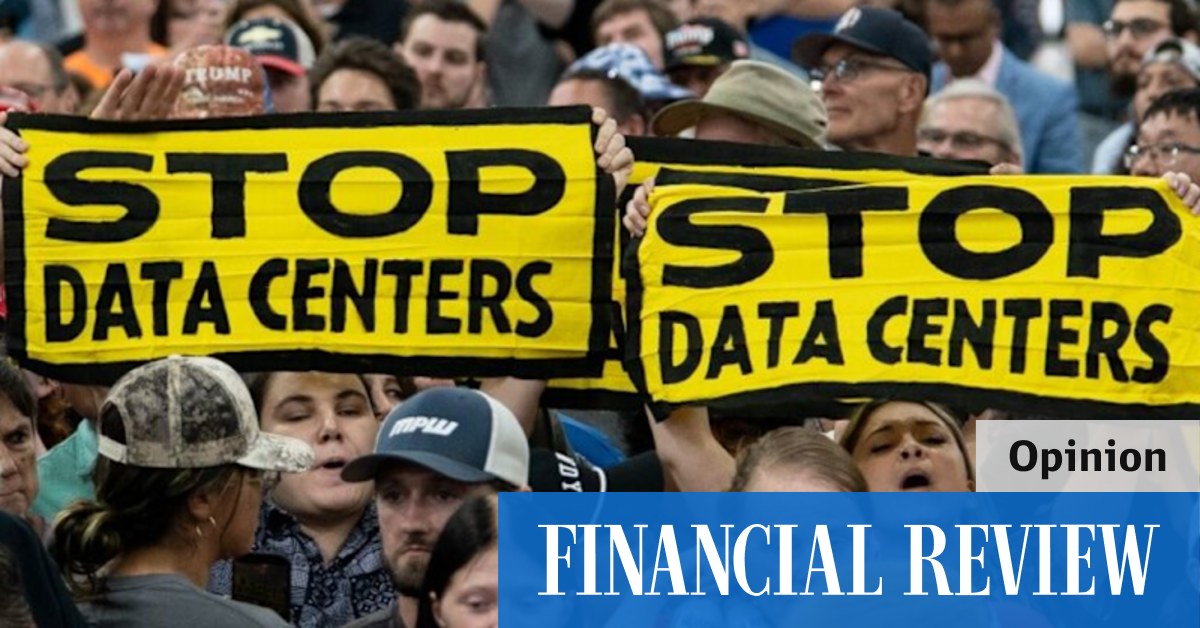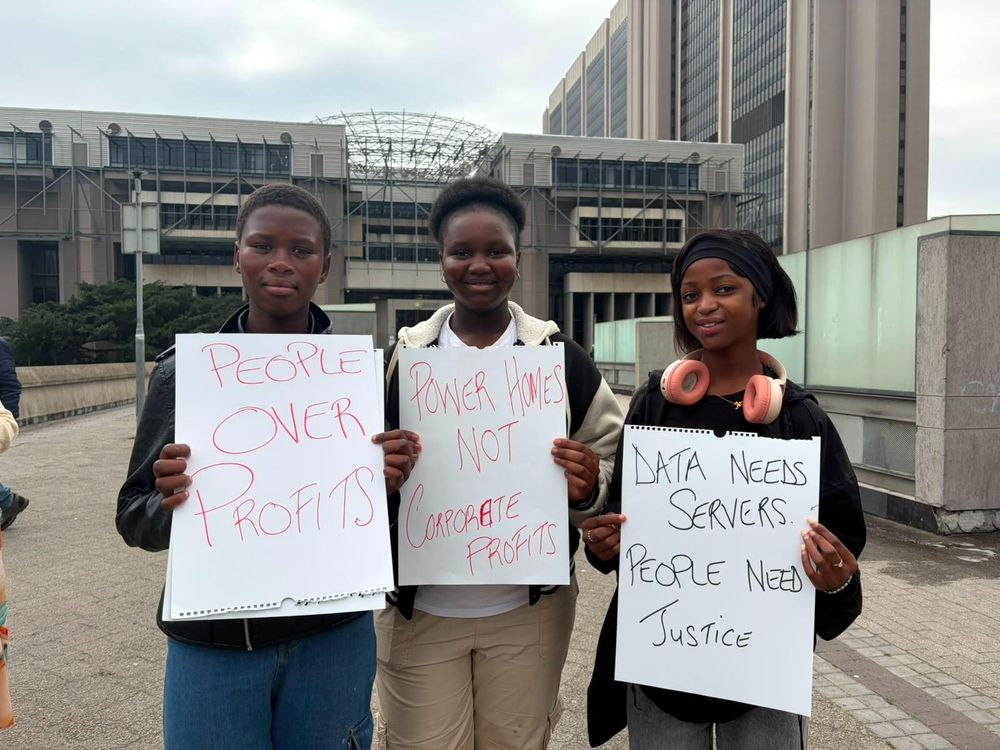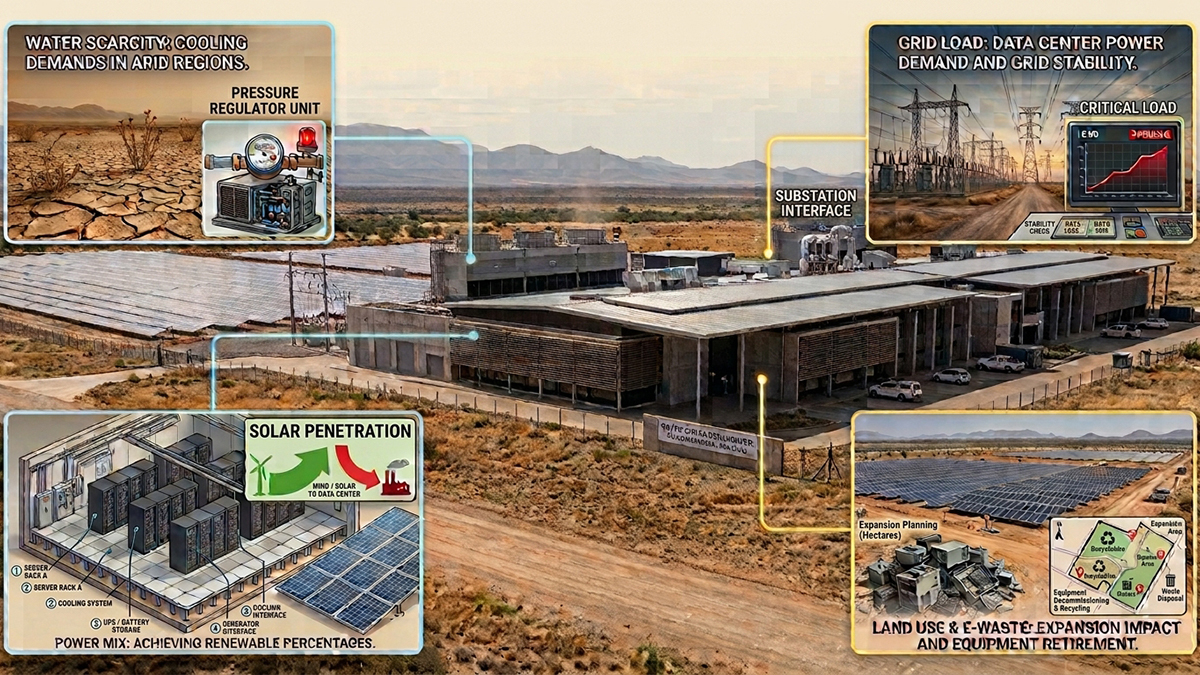
There is no arguing that South Africa needs data centres to power its digital economy.As one industry executive argued recently, the digital computing and storage hubs support services including banking, e-commerce, health care, government services and digital businesses. And reliable digital infrastructure allows businesses to expand and connect to international markets.But that does not mean every data centre project is necessarily in the national interest, making obvious the urgent need for concrete regulation around the construction and running of these structures, especially given the concerns rights groups have voiced around the impact on communities’ water and electricity supply as well as the environment.The National Data and Cloud Policy published in 2024 is South Africa’s closest to an overarching set of guidelines covering data centres, but it goes nowhere near far enough to provide a comprehensive, dedicated regulatory framework for the rapidly expanding industry.In his state of the nation address in February, President Cyril Ramaphosa made clear the government is keen on attracting major investment in digital infrastructure, with 55 data centres already built and more than R50bn of investment expected over the next three years. He more recently also highlighted how South Africa houses approximately 70% of the continent’s hyperscale data centre capacity and called for the sustainable expansion of data centre capacities to meet the demands of the digital economy.But it is the government’s job to put in place the necessary guardrails to ensure that sustainability — and there is no clear indication yet of plans under way in this regard.Data centres operate 24 hours a day and consume vast amounts of electricity. Yes, South Africa’s electricity generation has come a long way in the two years since the 2024 document warned that reliance solely on the national grid to power the centres may be insufficient, but vulnerabilities remain in the national grid.More importantly, South Africa has nowhere near the vast volumes of water that data centres need for their cooling systems.The 2024 policy says “consideration should be given to ensuring that data centre providers ensure that they make self-provisioning for water and electricity self-provisioning”. Two years later, why has the government not established regulations to do exactly that?The South African Human Rights Commission has called for submissions from interested stakeholders, experts, communities, industry actors, civil society organisations, academics, regulators and organs of state on the human rights implications of the rapid expansion of data centres and digital infrastructure. A joint report by five civil society organisations submitted to the commission argues that no single regulator or sphere of government has a complete overview of data centres and that operators are not required to publicly disclose facility-level water and electricity consumption.The SAHRC, as an independent statutory body, is well within its constitutional mandate of monitoring, assessing and investigating human rights issues. But why is a constitutional rights watchdog having to initiate a process to investigate the regulatory and public-interest implications of a rapidly expanding infrastructure industry, rather than the government taking the initiative of establishing a comprehensive framework?Particularly so, when the submissions to the SAHRC are addressing issues that go well beyond conventional human rights questions — electricity demand, water consumption, land use, environmental impacts, transparency and regulation.The government has previously dropped the ball and been slow to act proactively on issues of national importance. We hope it can get its act together sooner rather than later in this regard.Business Day
EDITORIAL | We need clear regulation around data centres
Transparency and oversight gaps persist amid rapid data centre growth, watchdogs warn
562 words~3 min read