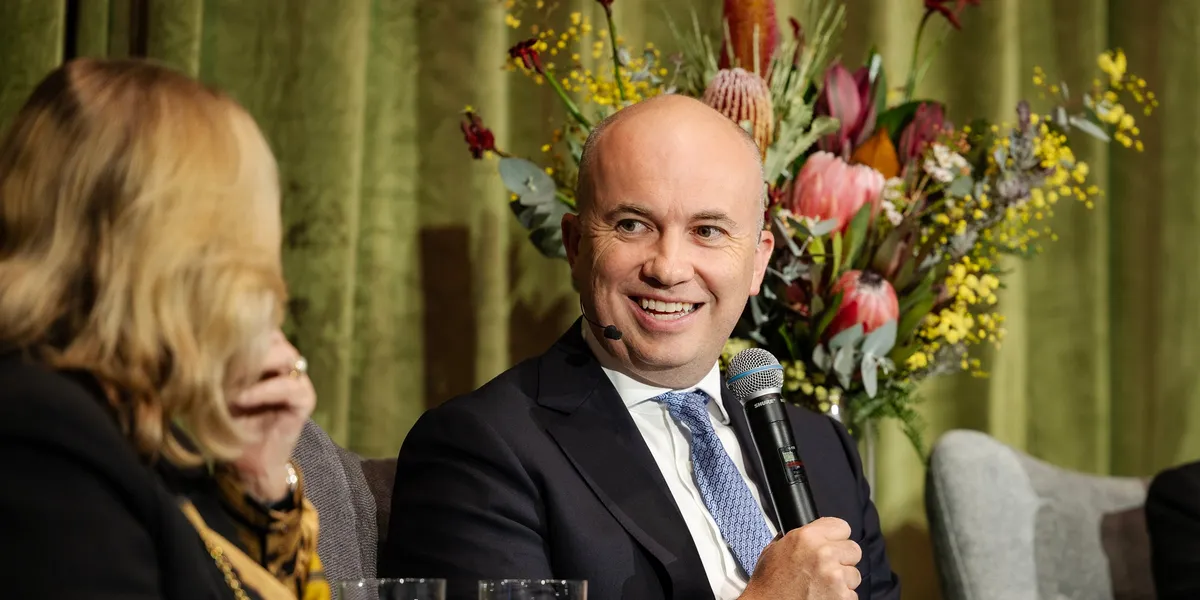
“Things have changed in Queensland,” Clean Energy Council chief executive and former deputy premier (Labor) Jackie Trad noted at the start of the CEC’s Queensland Energy Summit on Wednesday.
And so they have. For a start, Labor is no longer in power, and the LNP is. And the LNP has scrapped Labor’s renewable targets, “called in” a bunch of already approved renewable and storage projects, and has dumped the government’s EV ambitions and electric bus plans.
The state is not completely shut to new renewables – its biggest energy user, the Gladstone smelters – desperately needs a lot of wind and solar to transition from coal.
But the balance of power has shifted. Project developers must now negotiate Community Benefits Agreements with local councils before they receive their development approvals, and even before they have secured connection agreements and power purchase deals and financing.
That has turned the tables away from what was seen as a developer-led process to one that effectively puts the power – and the responsibility and pressure – in the hands of local mayors, the people that Katie-Anne Mulder, the CEO of the Queensland Renewable Energy Council, describes as the “kings and queens” of Queensland.