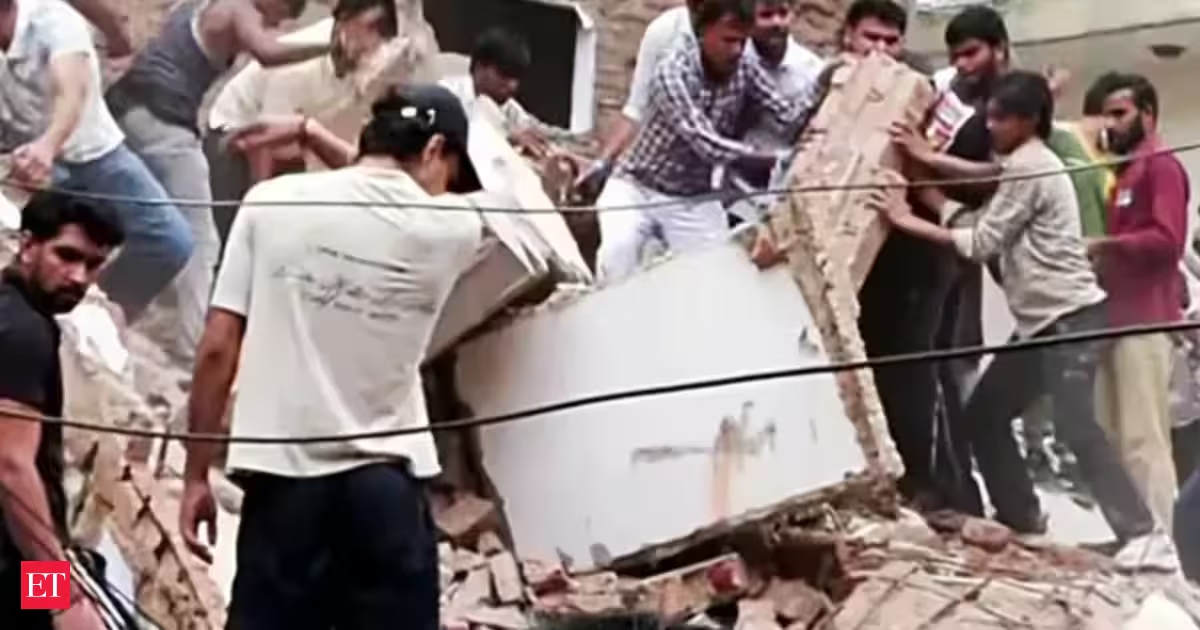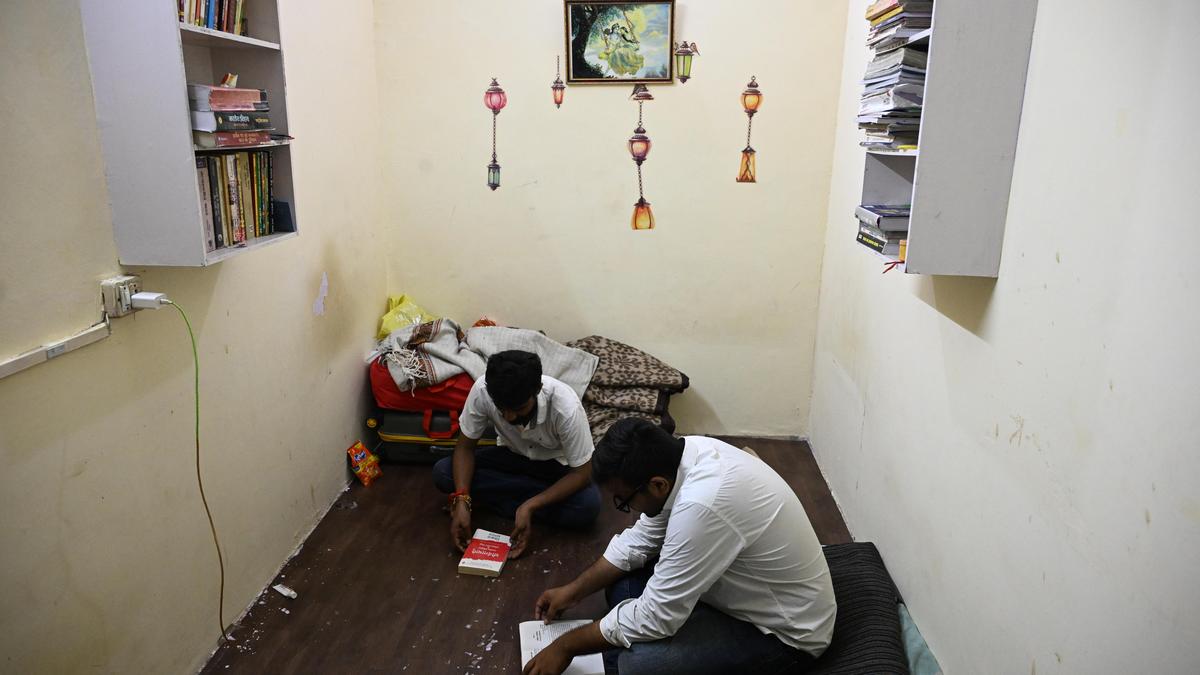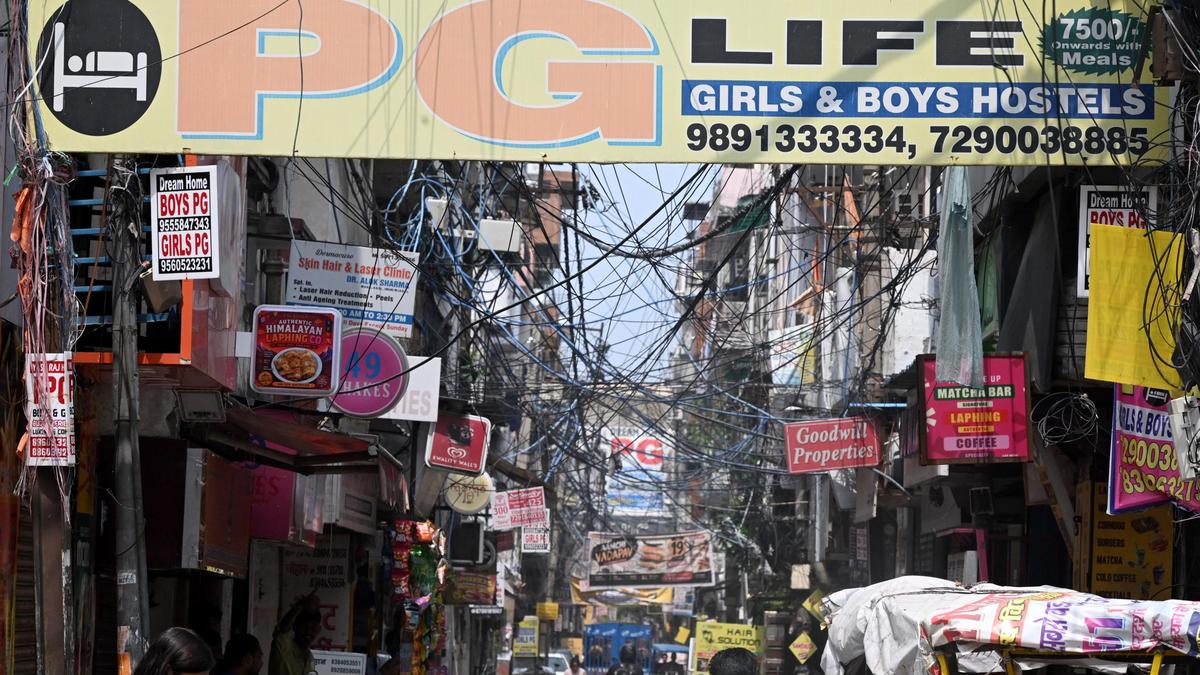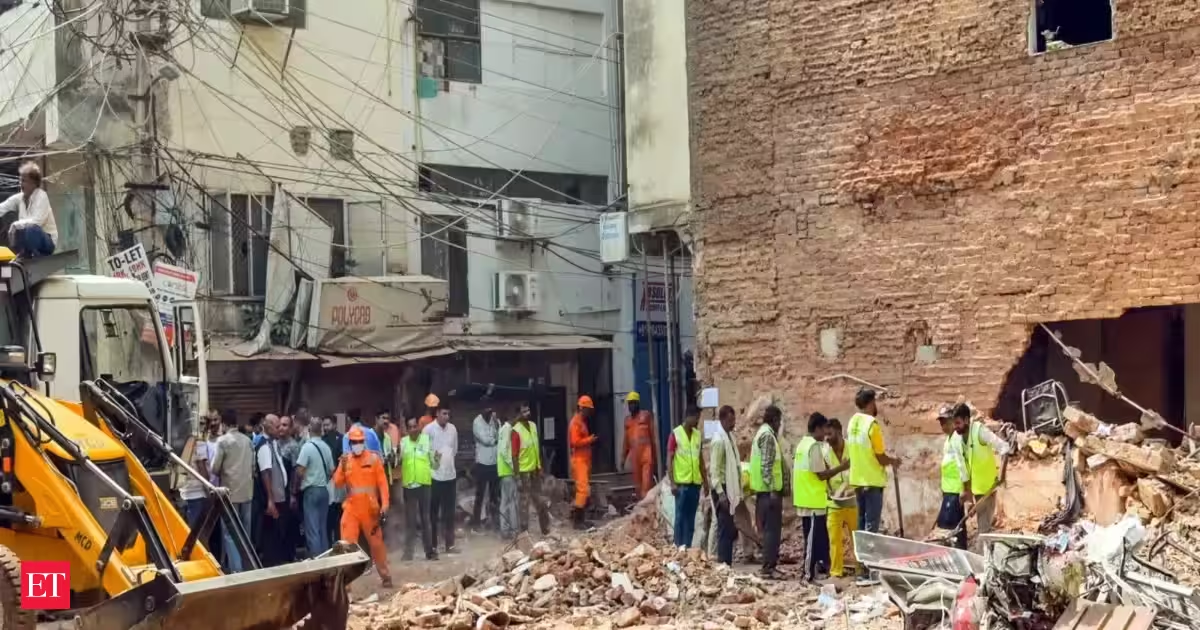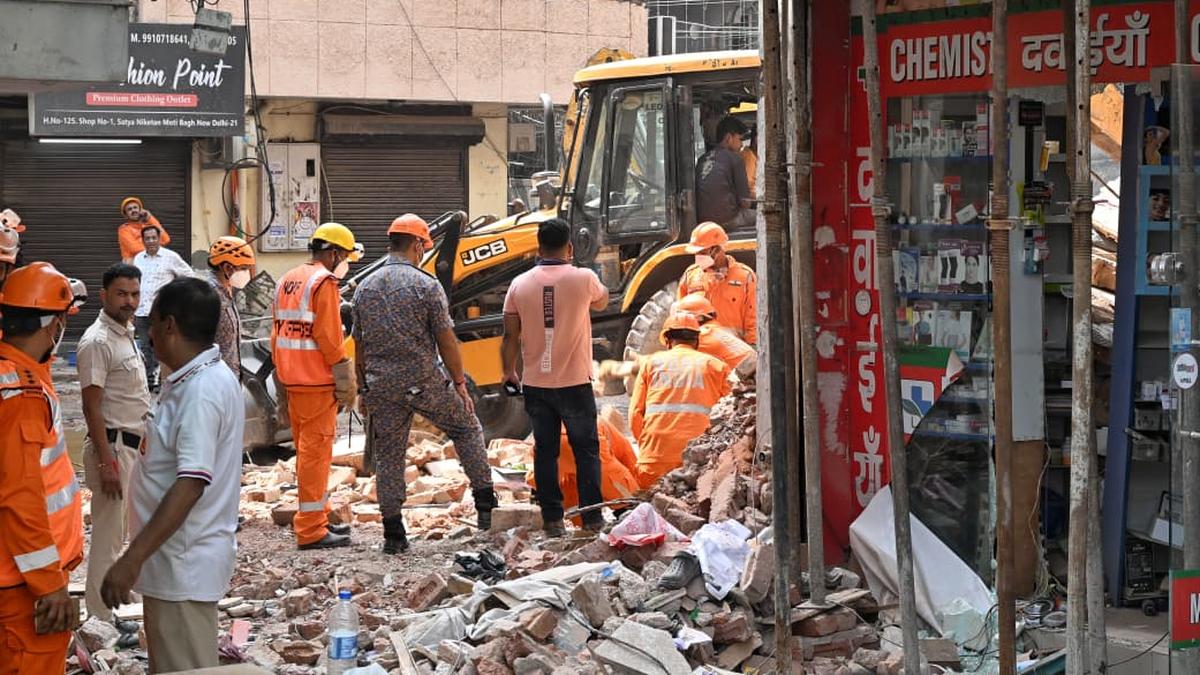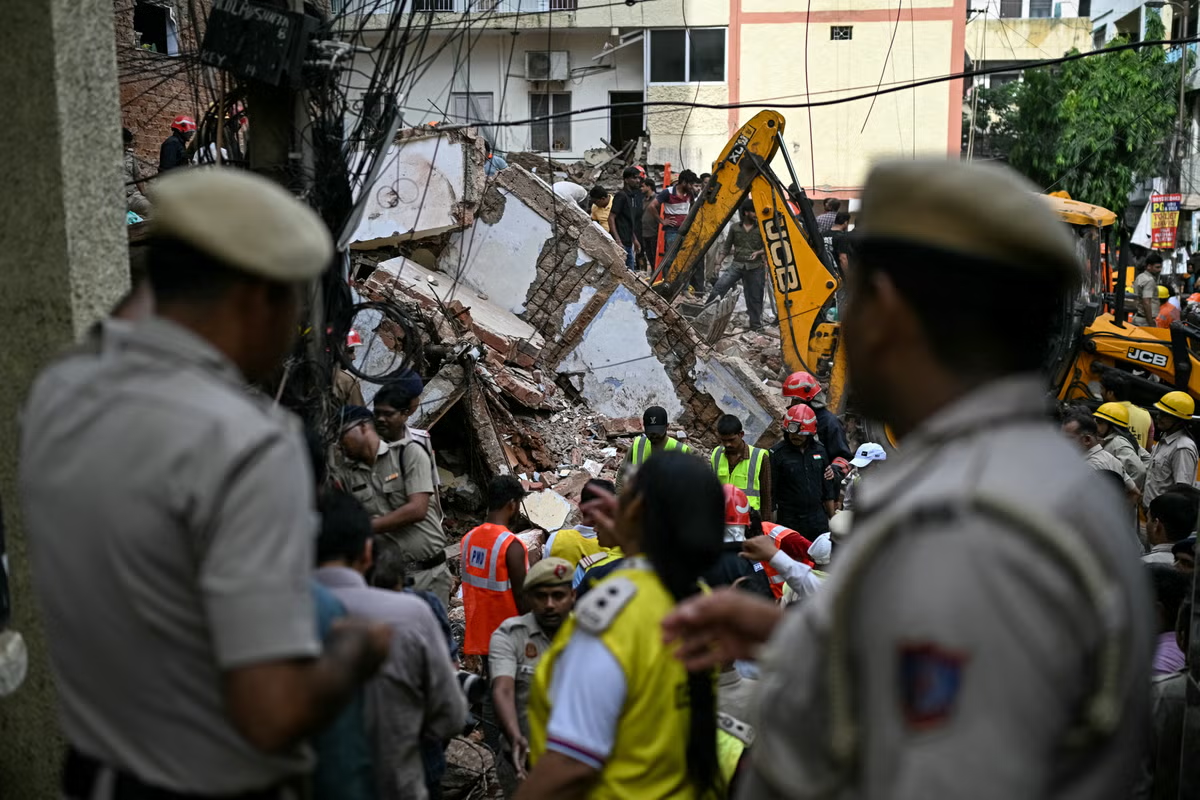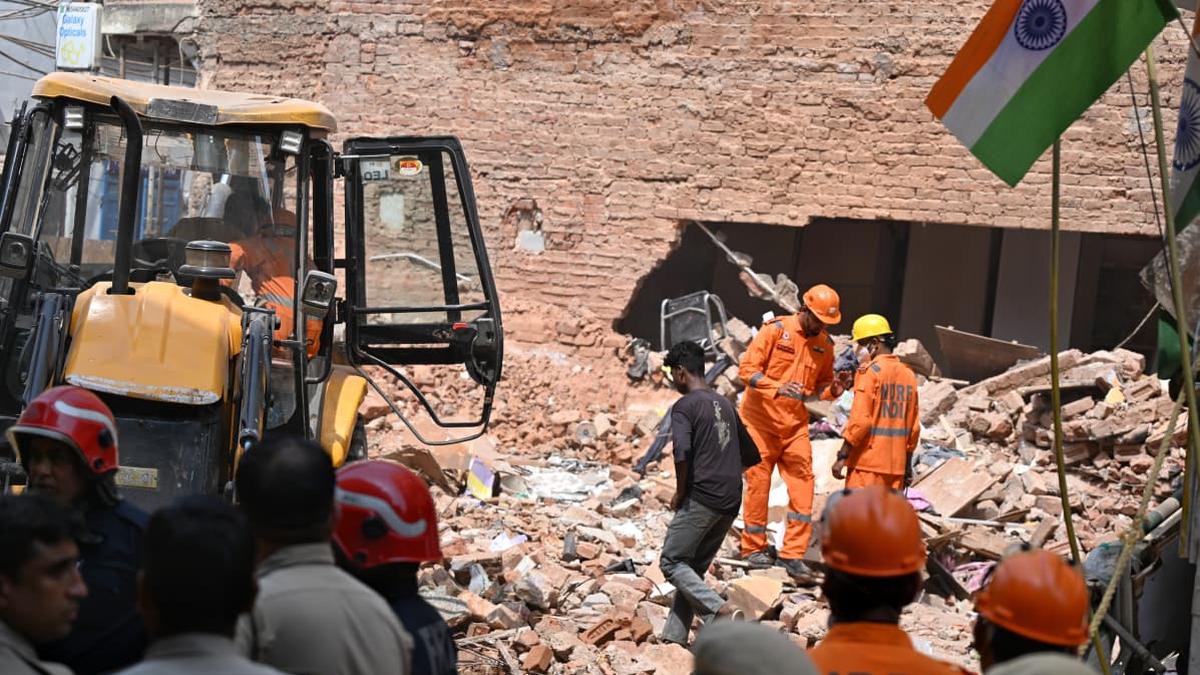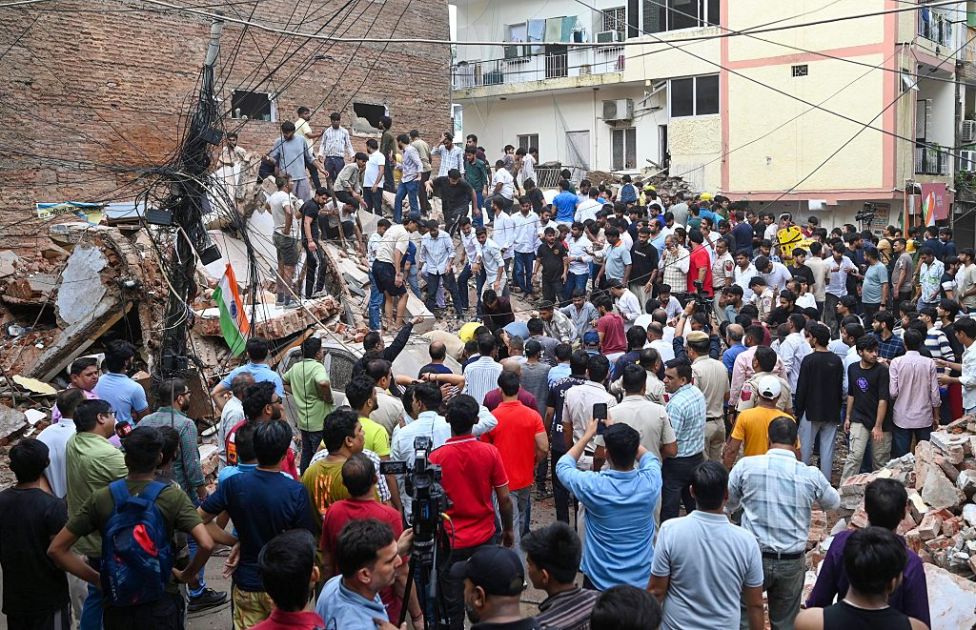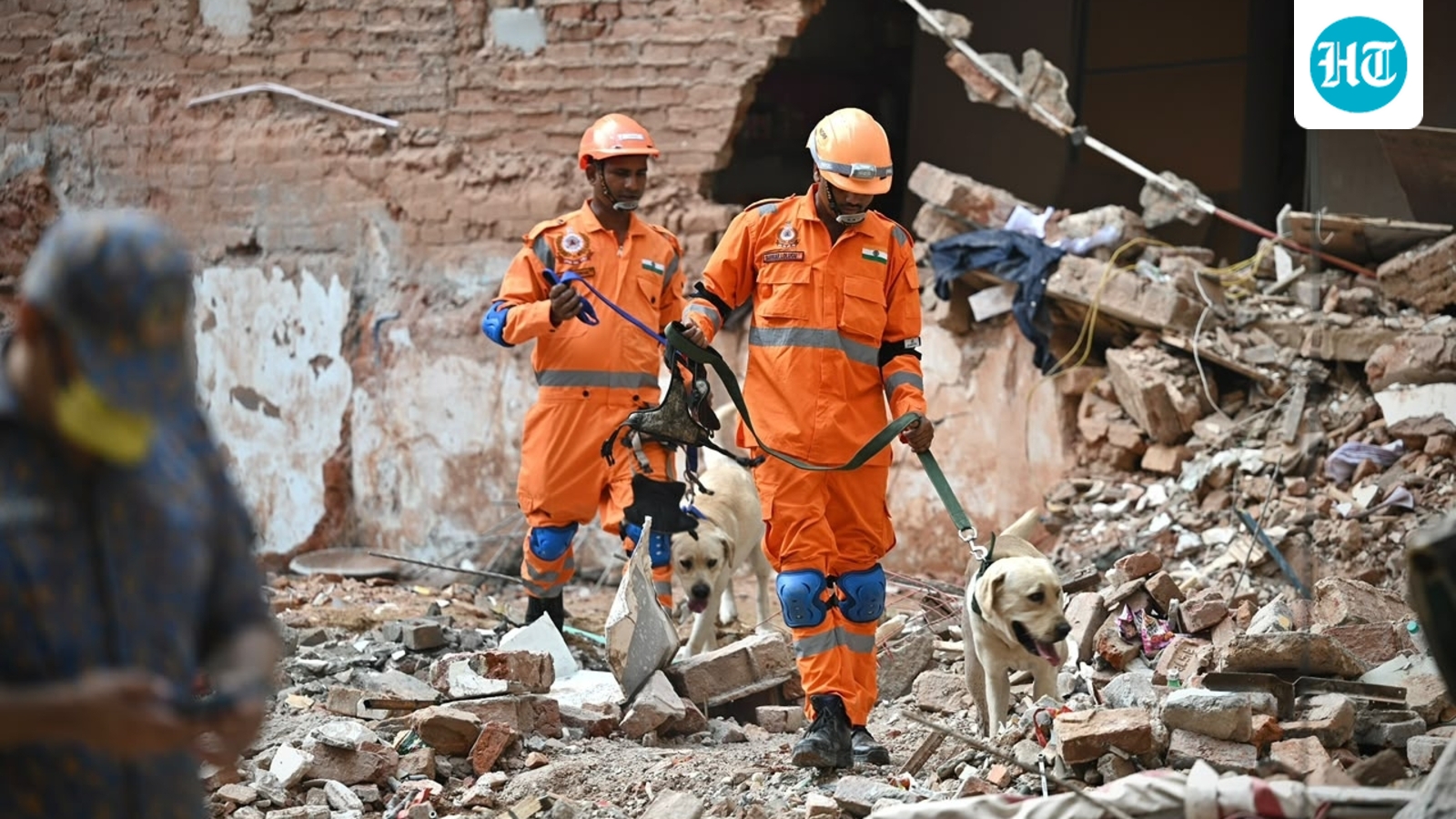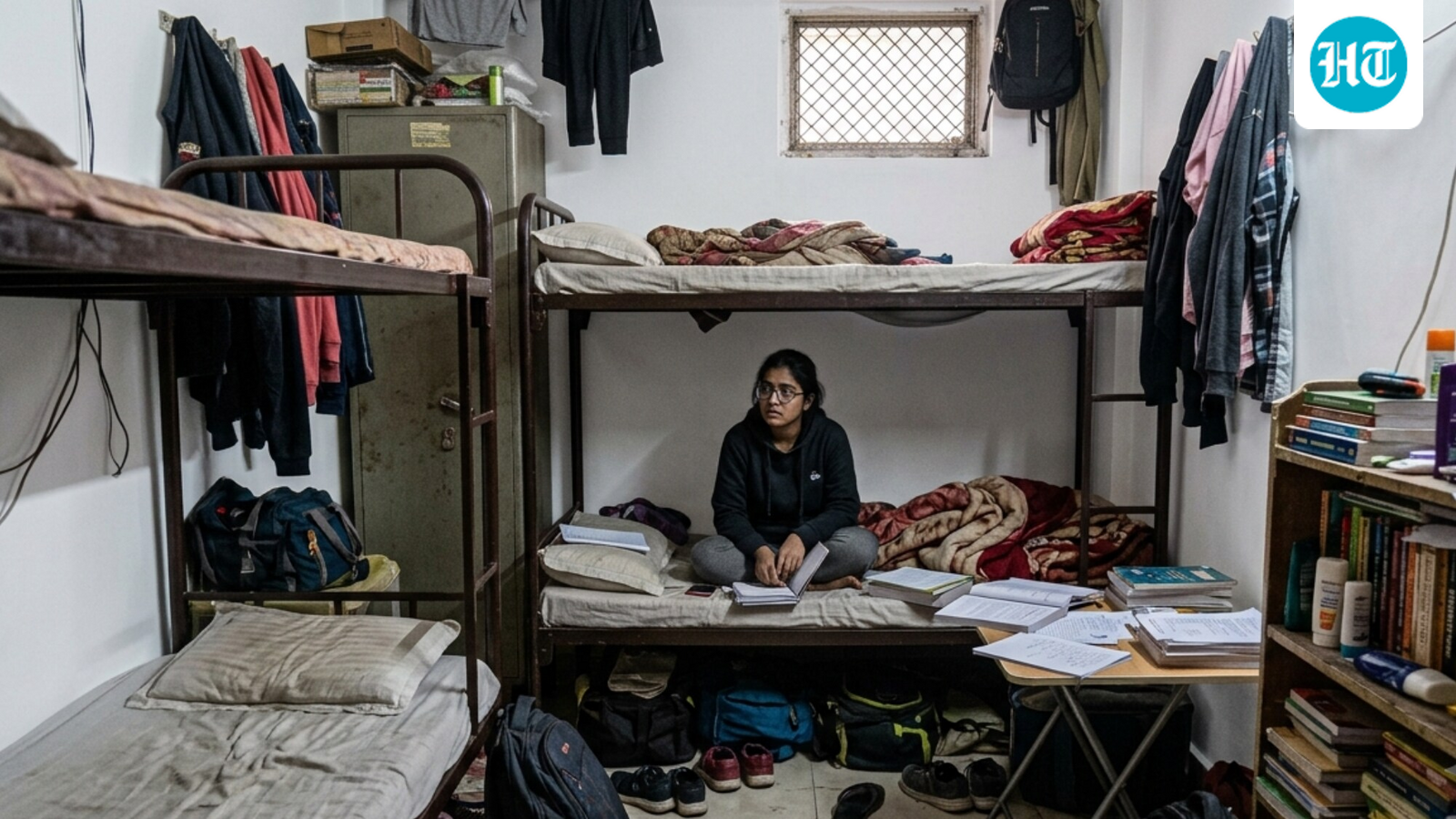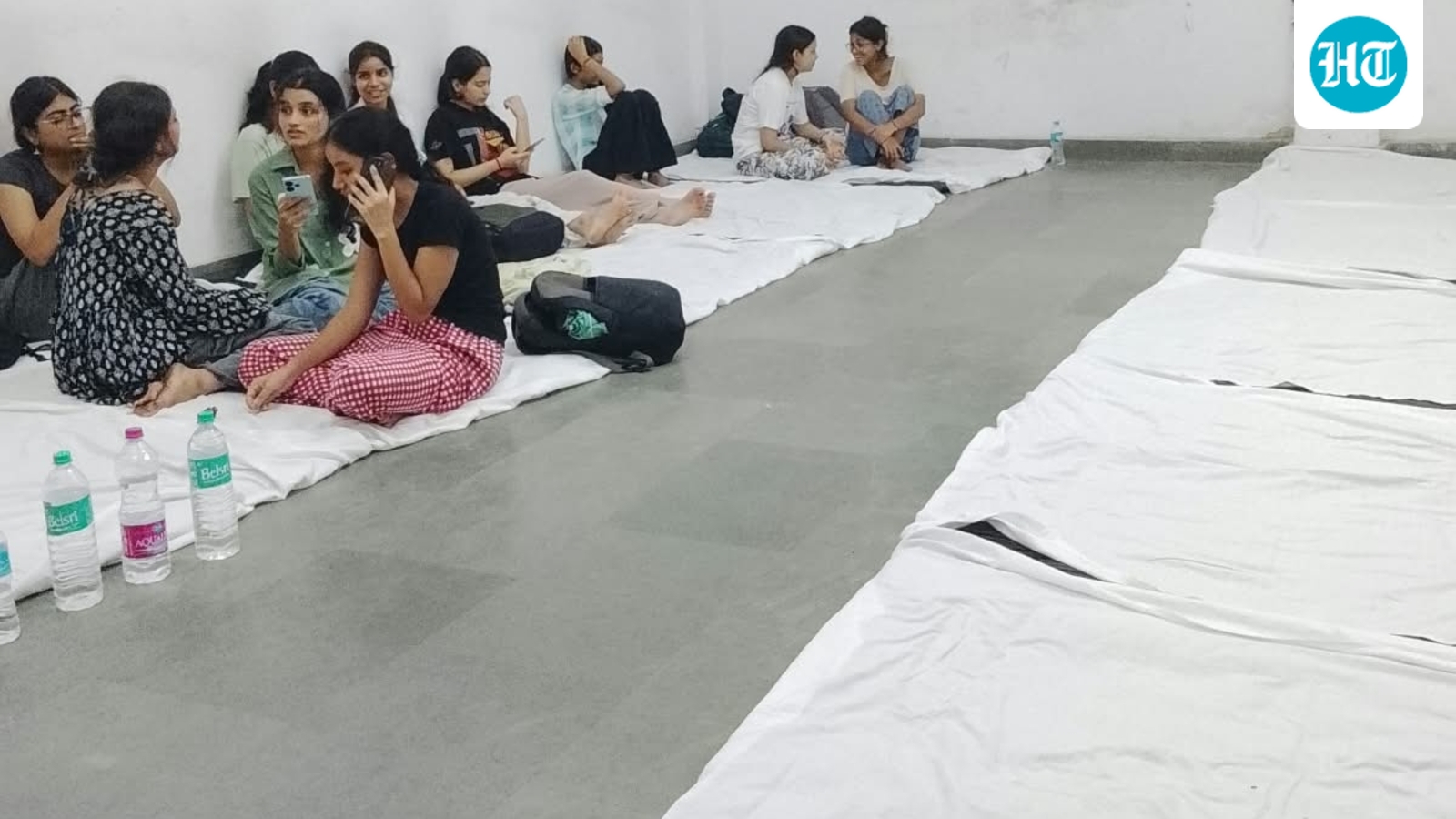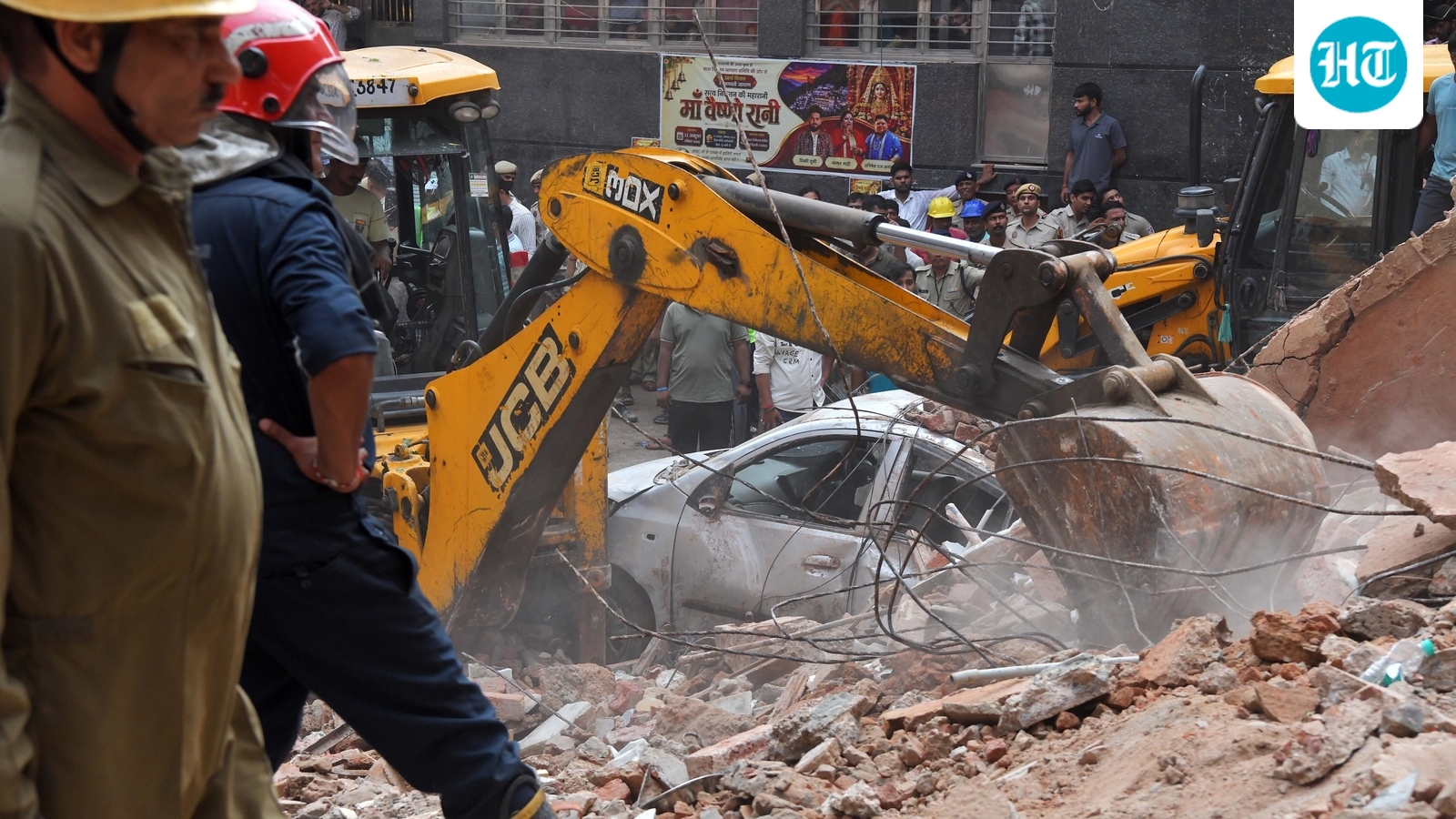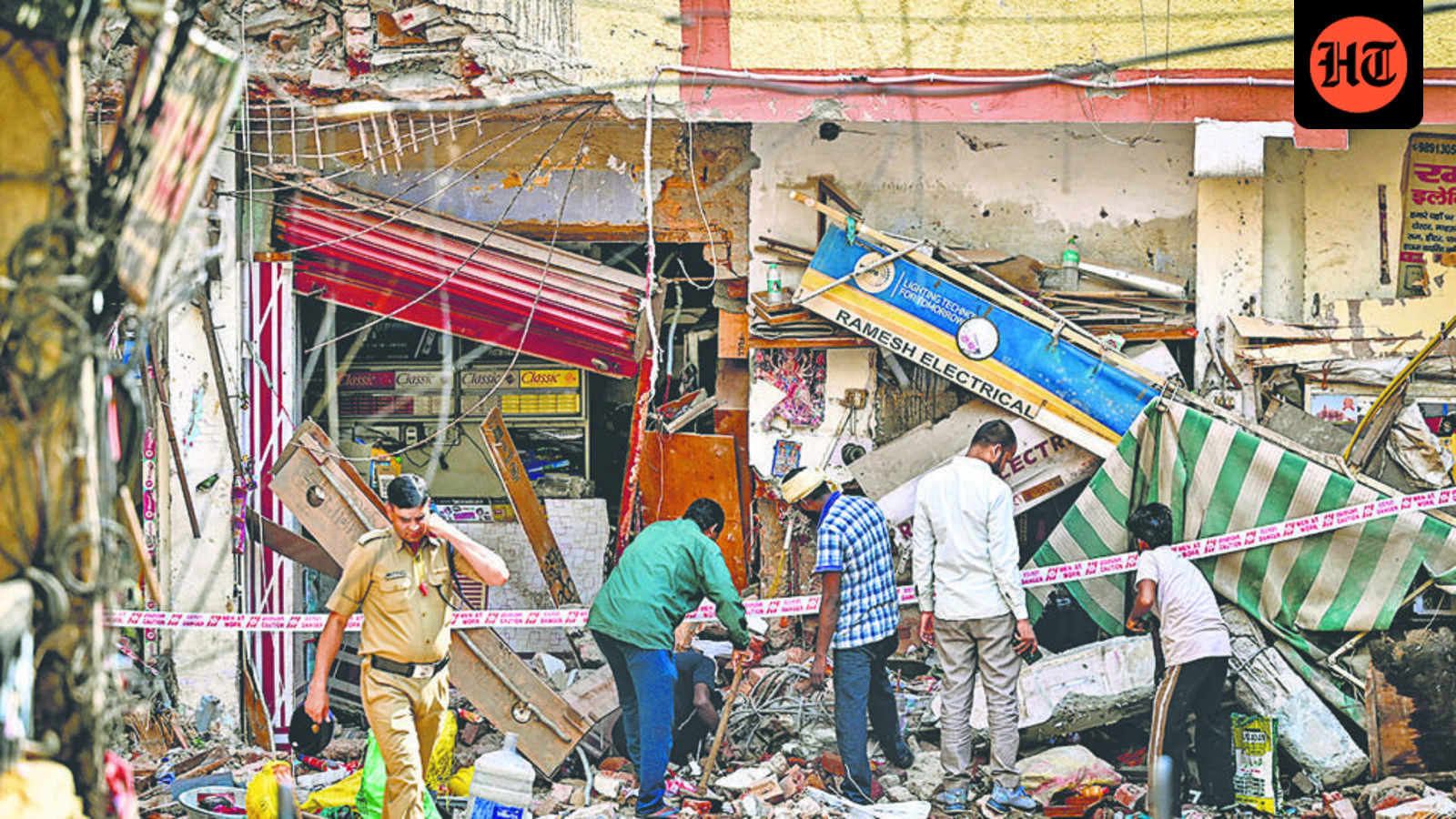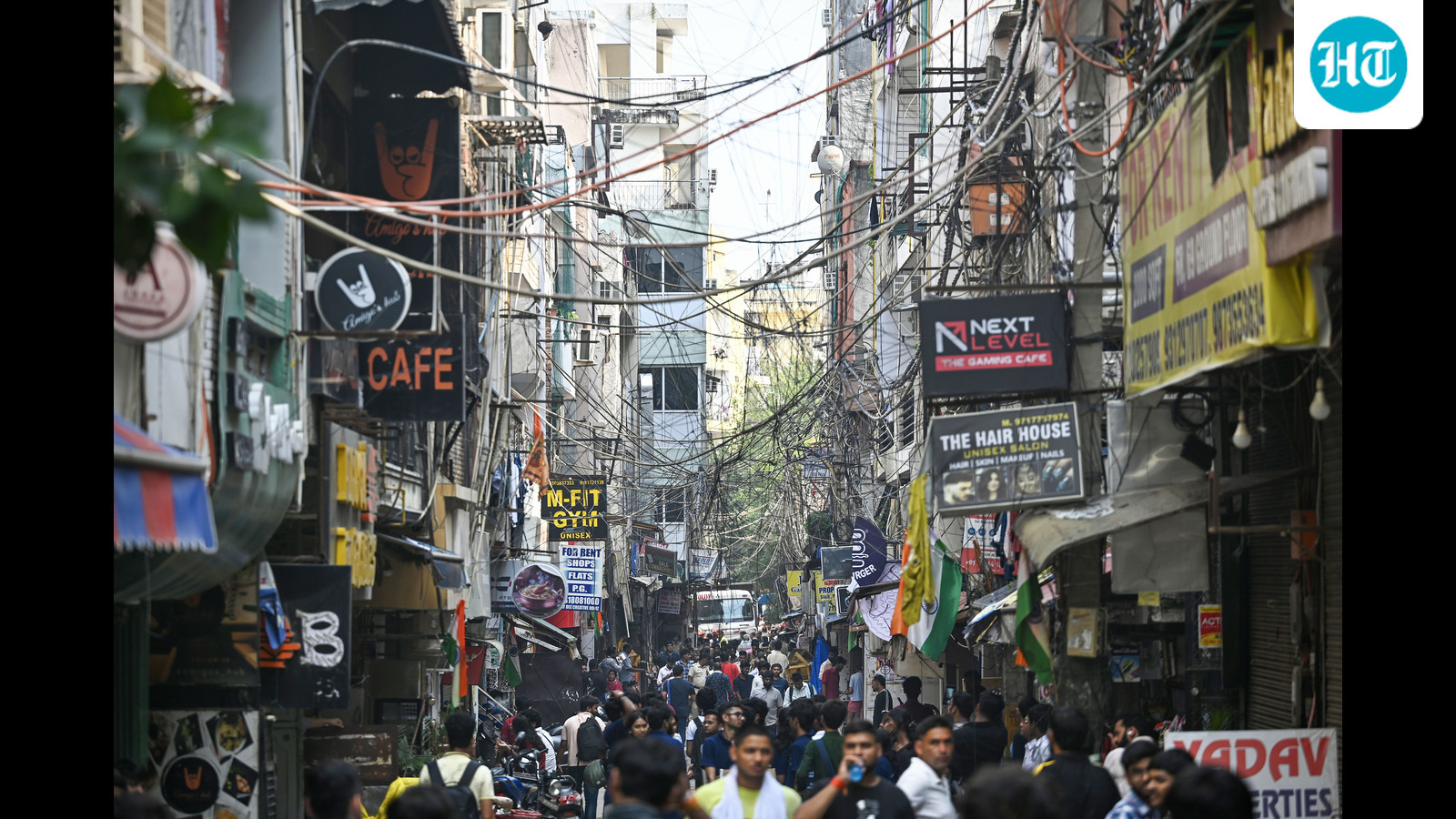
On a humid September morning, 17-year-old Shreya Thakur wakes up on the rooftop of a six-storey building in North Delhi’s Gurmandi, barely 3km from Delhi University’s North Campus.More than half of DU’s conventional students are estimated to come from outside Delhi and require accommodation. (Hindustan Times)Two makeshift rooms have been carved out on the terrace. They are not made of brick and mortar but aluminium partitions – a weak attempt to avoid running afoul of building regulations.The room Thakur occupies is 12-feet wide and 17-feet long. She shares it with two other girls. Their three beds squished together, not even six inches between them. The only walking space is at the foot of the beds, where boxes of belongings, tiny study tables and plastic drums filled with snacks leave little room to move. Each of them pays ₹13,000 for the bed. Electricity and other utilities cost extra.“I try to spend as much time as possible in college, or out in the city with my friends, just to avoid spending time here,” she said.Within a week of arriving in Delhi, Thakur, who is from Jharkhand, said she realised what her seniors had warned her about was true: for many DU students, getting a hostel room is a matter of luck. Living in a paying guest (PG) accommodation is the norm.That reality has come into sharper focus after Sunday’s collapse of a five-storey building in Satya Niketan, which killed seven people and injured five others. The building housed DU students and was being used as a PG accommodation.For thousands of students coming to Delhi from outside the city, PGs are not simply a convenient housing option. They are the only realistic alternative to institutional accommodation.Also Read | PG ‘operator’ was 90m away, fled area: PoliceThe numbersAccording to official figures, DU has 251,474 students enrolled in conventional programmes --including 210,907 undergraduates, 34,520 postgraduates and 6,047 students enrolled in certificate, diploma and postgraduate diploma courses. In addition, 336,126 students are enrolled through distance learning, while another 33,656 are non-collegiate women students.More than half of DU’s conventional students are estimated to come from outside Delhi and require accommodation.Yet the university has only 7,224 official hostel beds: 3,688 in college hostels for undergraduate students and 3,536 in non-college DU hostels for postgraduate students. Another 863 beds are to be added in the next year in hostels that are under construction in four colleges – Hindu, Hansraj, Ramjas and Kalindi colleges.Even against a conservative estimate of 120,000 out-of-station students, the official hostel system can accommodate only about 6% of them.That leaves more than 113,000 students looking elsewhere.And elsewhere, for many, means the dense neighbourhoods surrounding North and South Campus, where old buildings have been extended upwards, rooms divided into smaller rooms and rooftops converted into accommodation.Also Read | MCD surveys 1,252 PG buildings after Satya Niketan tragedy; 3 found 'dangerous', 9 need major repairsAt ‘PG neighbourhoods’On Wednesday, HT visited several PGs across the two campuses and found students living in cramped rooms in buildings that often appeared poorly maintained, while paying substantial amounts for accommodation, food and utilities.In Satya Niketan, the first destination for many students joining colleges around South Campus, tall and narrow five- and six-storey buildings stand packed against one another. Broken roads run beneath tangled electrical wires. Lanes are narrow, and balconies of neighbouring buildings are often so close that residents appear to look directly into one another’s homes.Several students said they were now worried that what happened at Hostel Daze could happen to their own PG. “Every PG here is constructed in the same rash, unauthorised manner that Hostel Daze was,” said Utkarsh, 20, a third-year student at Sri Venkateshwara College. He pays ₹15,000 for a tiny double-sharing room, he said, where water leaks through the walls.“The food and water quality is also bad. One of the boys in the PG once got jaundice due to the same, and was sick for one-and-a-half months,” he said.The shortage of institutional accommodation is especially stark in South Campus. Of its 13 affiliated colleges, only two provide hostel accommodation — Maitreyi College, with 103 beds, and Sri Venkateshwara College, with 150.For students, the costs can vary sharply even within the same neighbourhood.A fourth-year DU student, who requested anonymity, said she had lived for four years in a PG. Her rent for a small single room had risen from ₹24,500 to ₹28,000 this year, she said. More than 200 girls, she added, were housed across four floors. “Despite this, there is no assurance of safety. The walls are so thin they shake when trucks pass by,” she said. She also alleged that male workers were allowed to enter rooms to carry out repairs without seeking permission from the residents.In another seven-storey building visited by HT, students and families were accommodated despite the structure having a narrow staircase barely wide enough for two people to pass. Open electrical wires hung over the staircase, while sections of the walls were chipped and peeling.Delhi’s building regulations generally permit residential buildings to have a ground floor plus three floors, with an additional floor permitted in buildings with stilt parking, subject to height restrictions.North Campus has its own ecosystem of student housing. Kamla Nagar, Gurmandi, Shakti Nagar, Malkaganj and Vijay Nagar have long catered to students. But the problems vary. Vijay Nagar has steep rents. Gurmandi combines cramped housing with the smell of cow shelters, open urinals and ageing buildings, alongside concerns over women’s safety. Kamla Nagar offers more options, but PG rents typically range from ₹12,000 to ₹25,000.The PG industry has also become increasingly commercialised. Aditya Tripathi, a DU master’s student, said he received a call from a premium PG chain almost immediately after his admission. The company offered triple-sharing rooms for ₹17,000, double-sharing for ₹20,000 and single rooms for about ₹24,000.“Students, especially those who are not from Delhi, often have no idea about the locality. They mostly share photographs of rooms. Sometimes they even use AI-generated rooms to make the space look more modern and luxurious,” he said.Also Read | 52 dilapidated PG buildings identified in Delhi survey initiated by High CourtOther costs can be less predictable. Krish, a first-year Hansraj College student from Jamshedpur, said electricity charges at PGs in the same lane ranged from ₹12 to ₹15 per unit. He said many students sign 11-month agreements and risk losing their security deposits if they leave early.Sunny Sonkar, 18, who recently joined Hansraj College after moving from Gujarat, said his parents called him after hearing about the collapse. “My parents were so worried that they asked me to come back to Surat. They have never been to Delhi and when the tragedy happened they thought the entire Delhi is like this,” he said.The problems extend beyond the main campuses. In South Extension-I, another popular residential area for DU students, HT found a PG where several students were packed into small rooms on a terrace, while construction continued on the roof outside. The rooms and bathrooms had no ventilation.In Satya Niketan, where students once moved through the streets with the casual confidence of people who had found a home near college, there is now a hush.Some students have left. Those who remain are carrying with them the knowledge that the buildings around them may not be as safe as they had assumed. “Since the collapse, me and the other girls in my PG have been unable to sleep, as we keep remembering the screams of the students buried under the rubble,” said Astha Mosmi, another DU student. “I feel hopeless.”
7,000 hostel beds for 2.5 lakh DU students: Inside Delhi's huge PG crisis
PGs in Delhi are overcrowded and poorly maintained, with students paying high rents for unsafe conditions, raising concerns after a deadly building collapse. | Latest News Delhi
1,250 words~6 min read