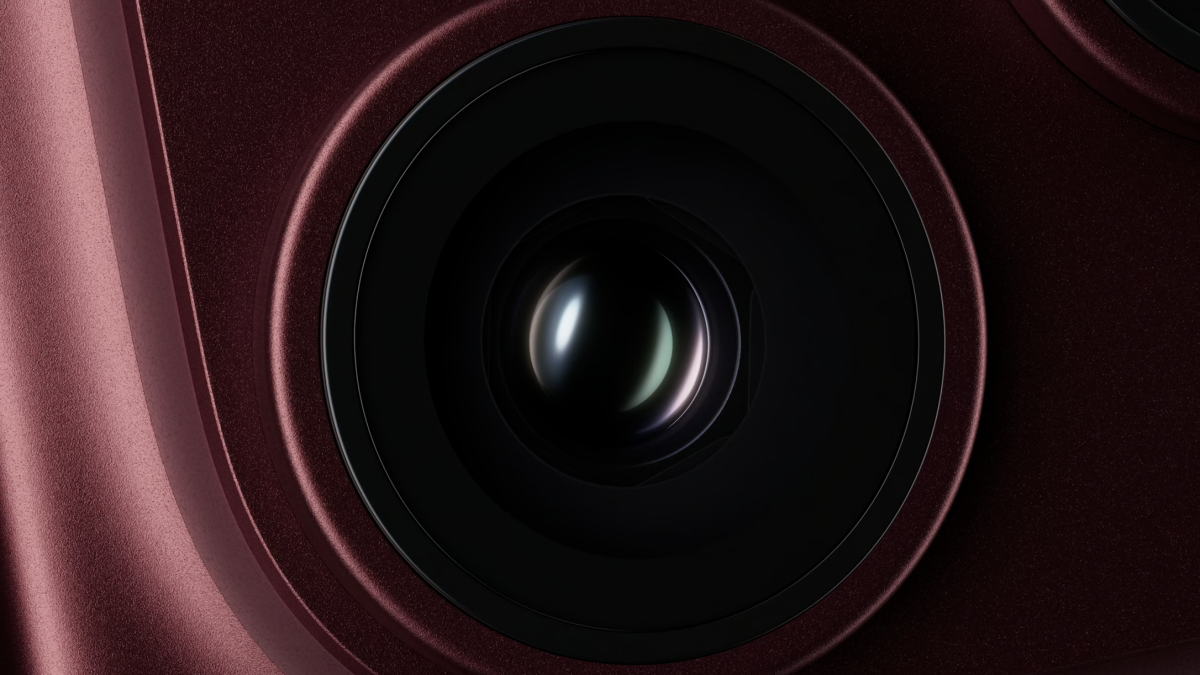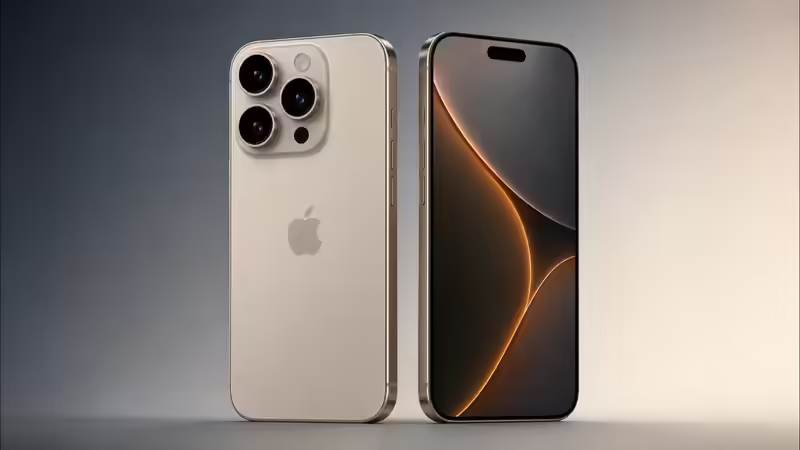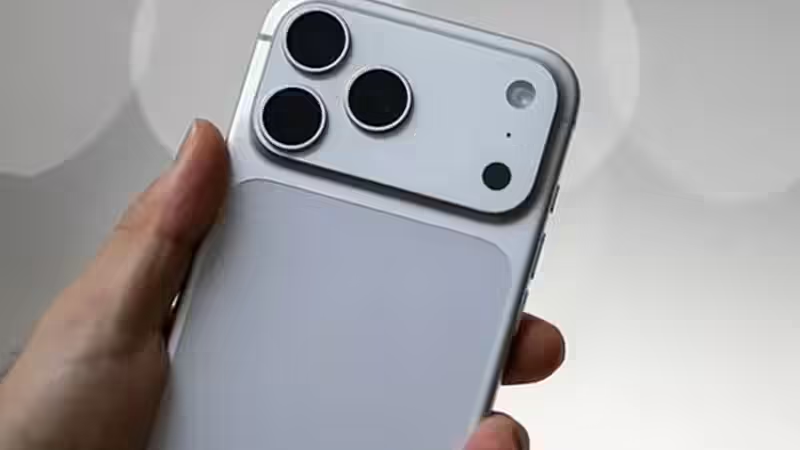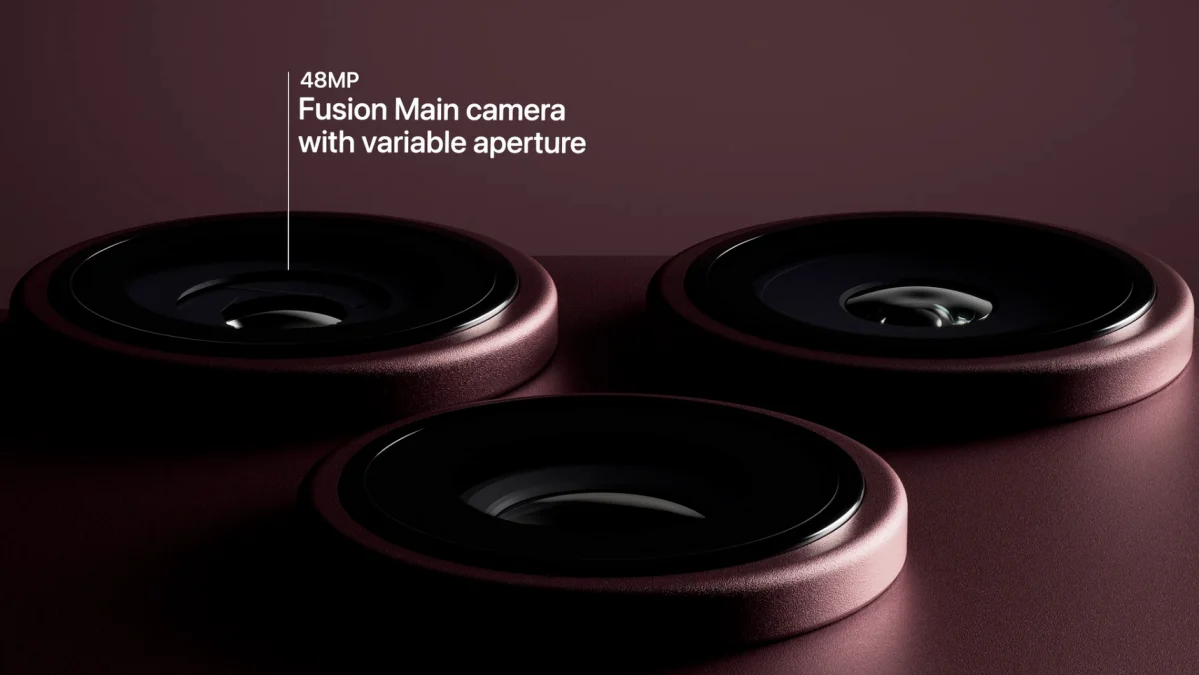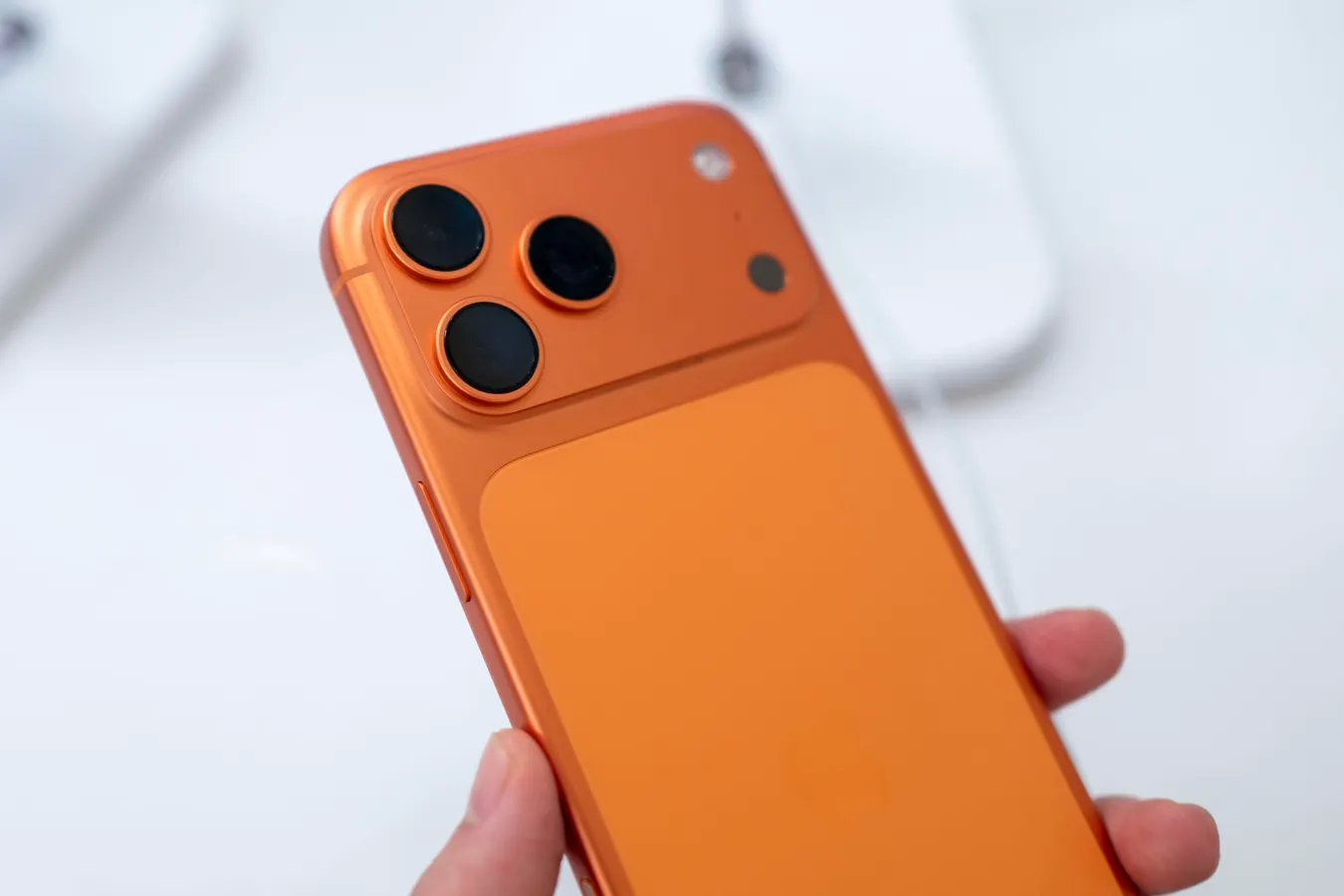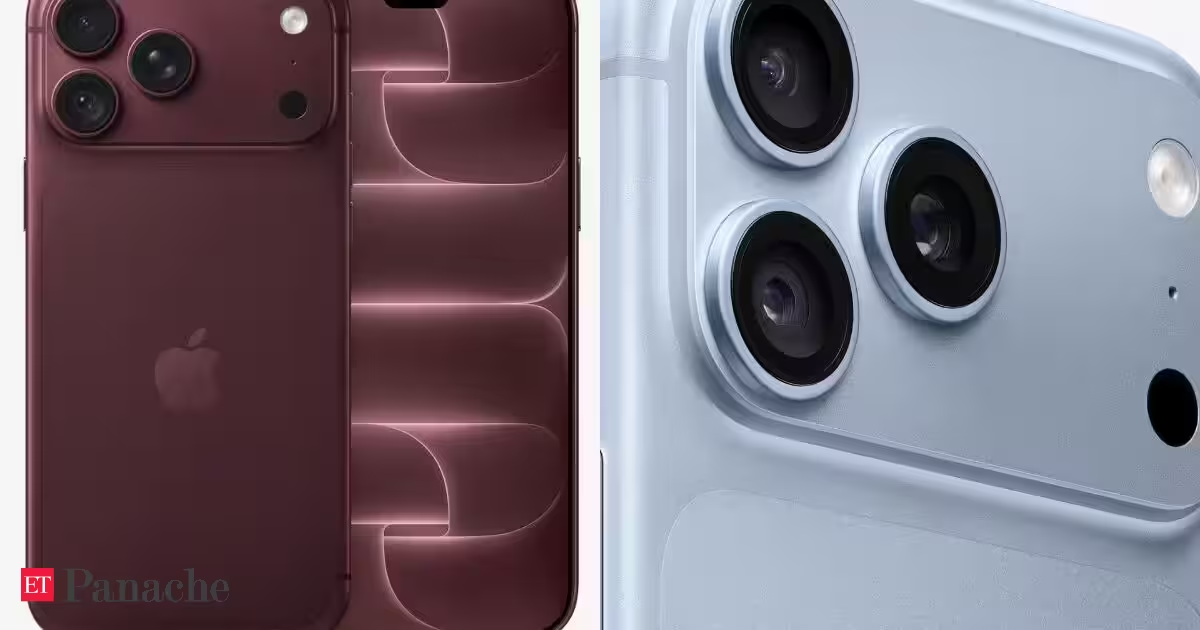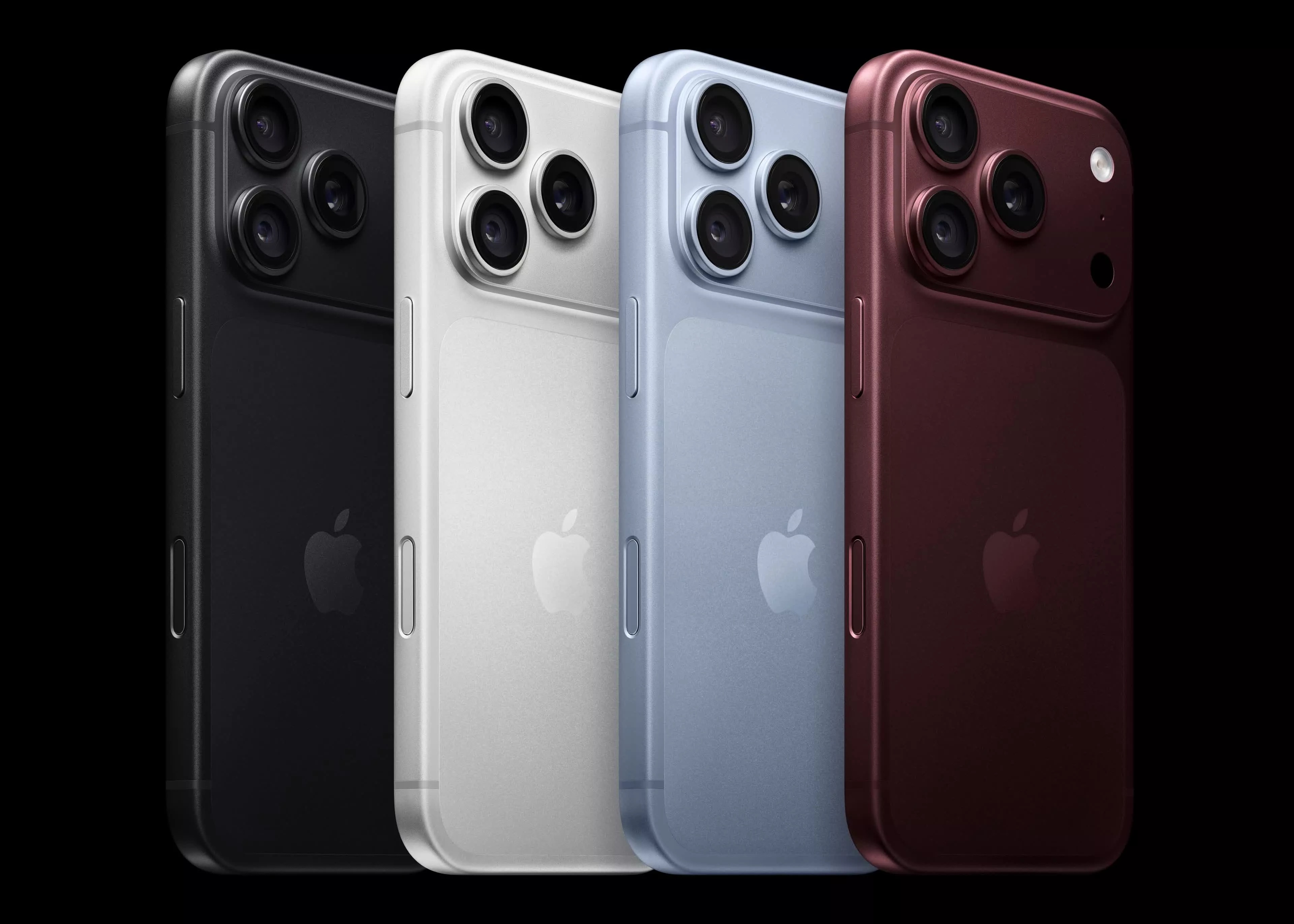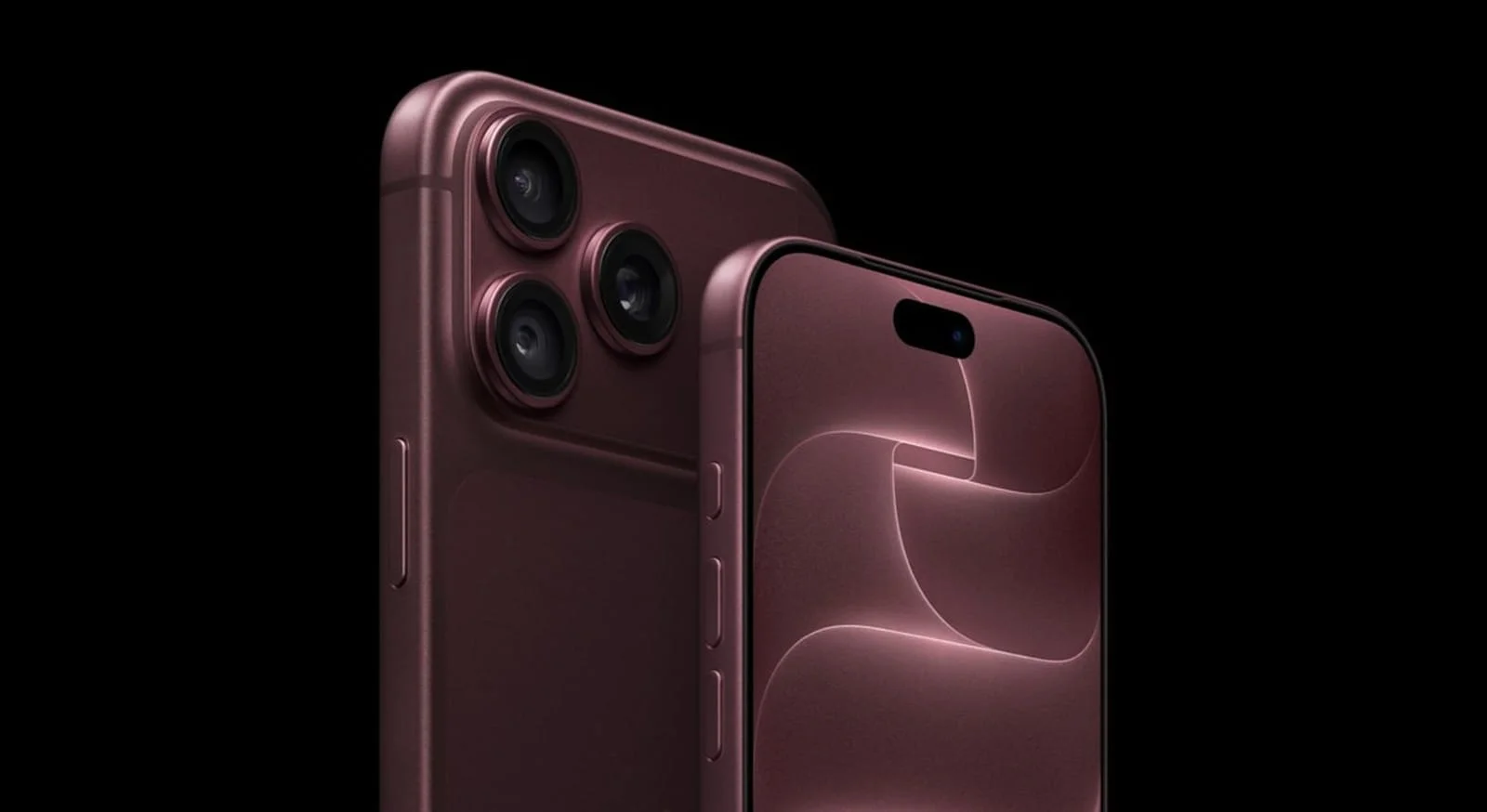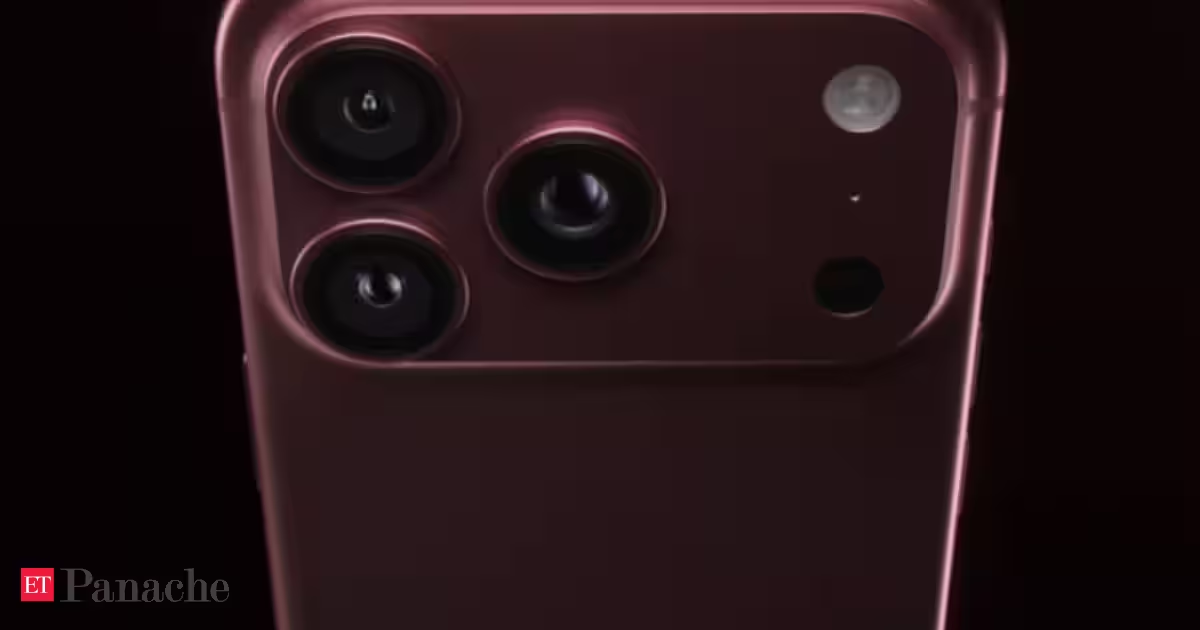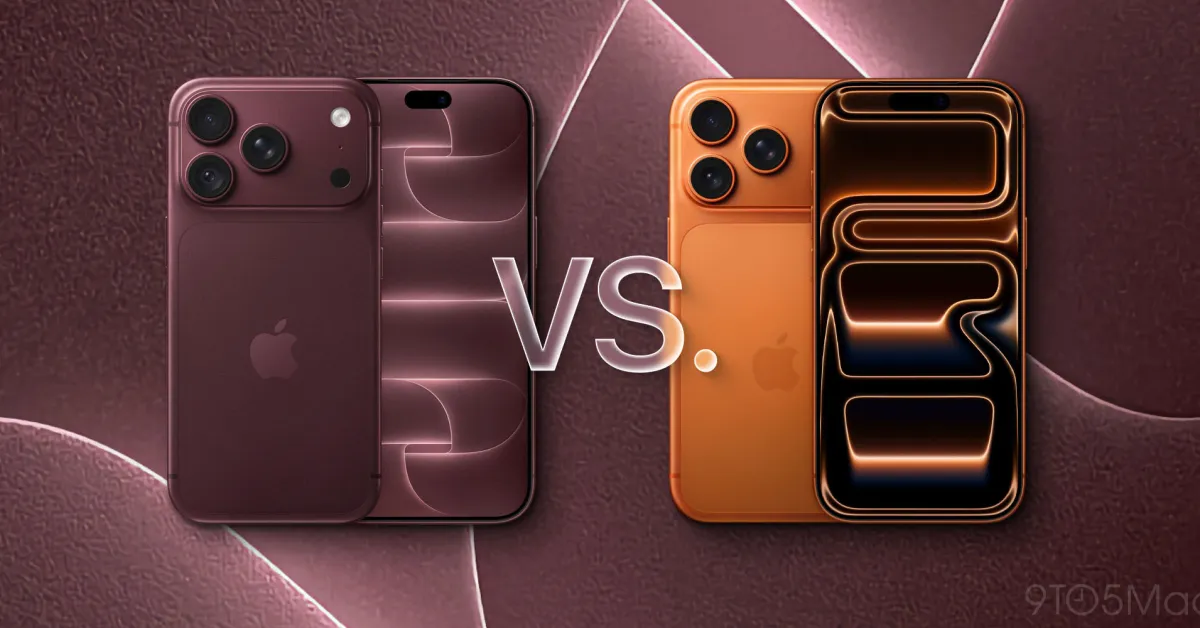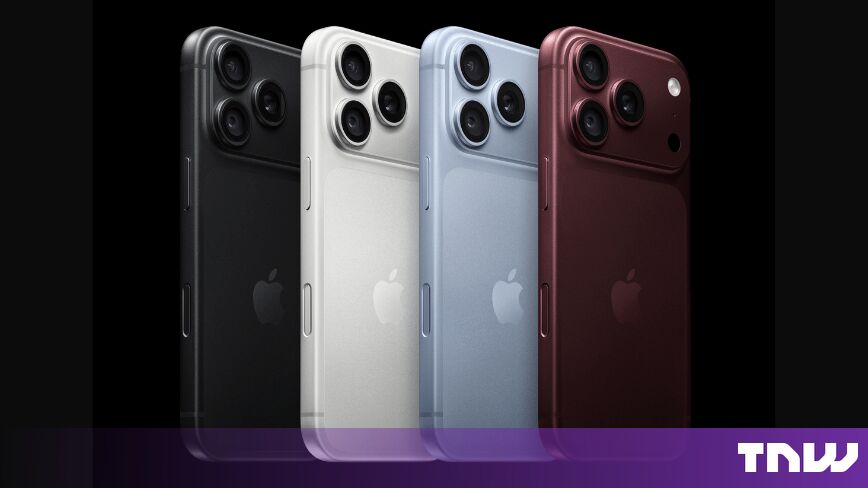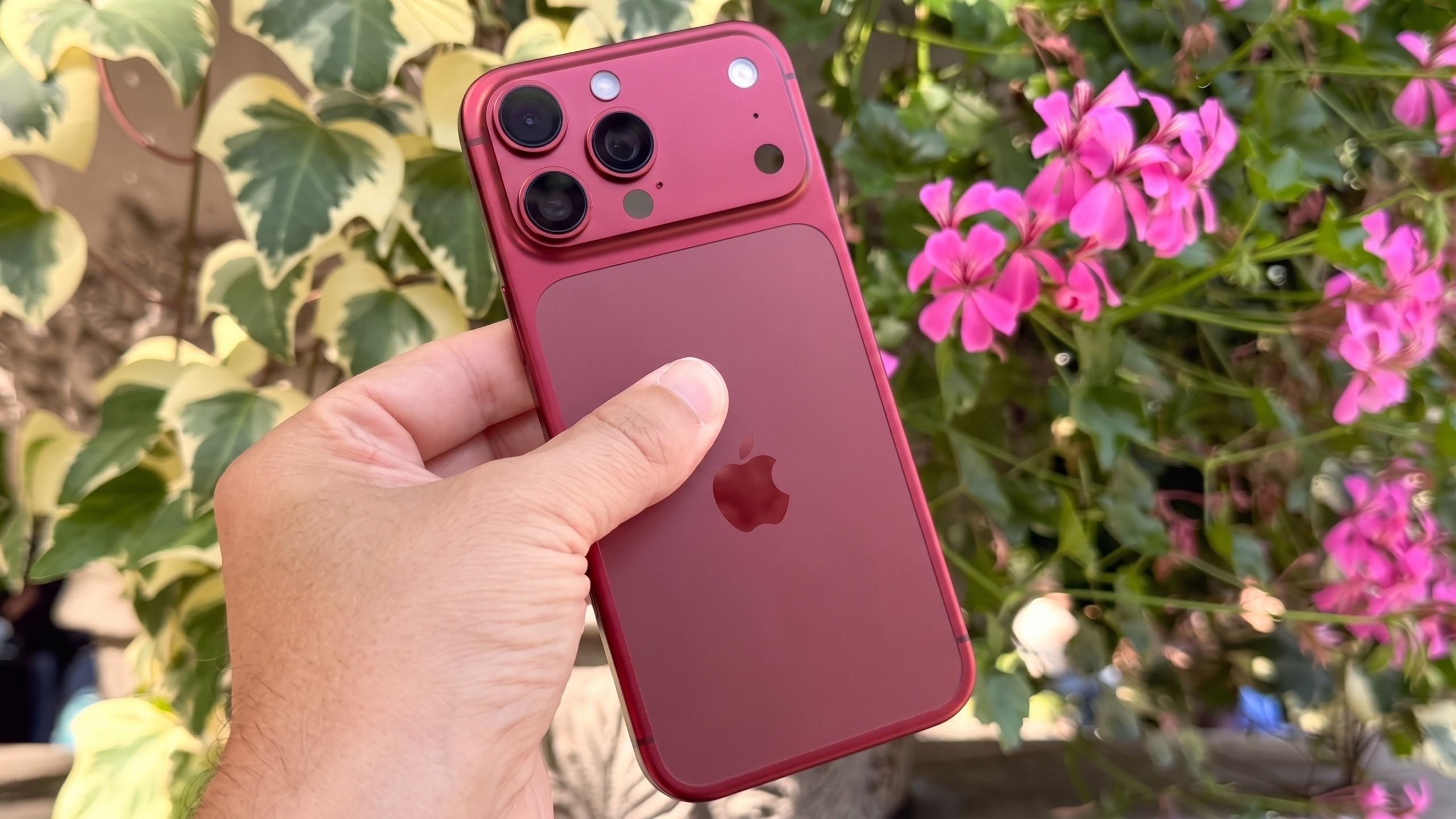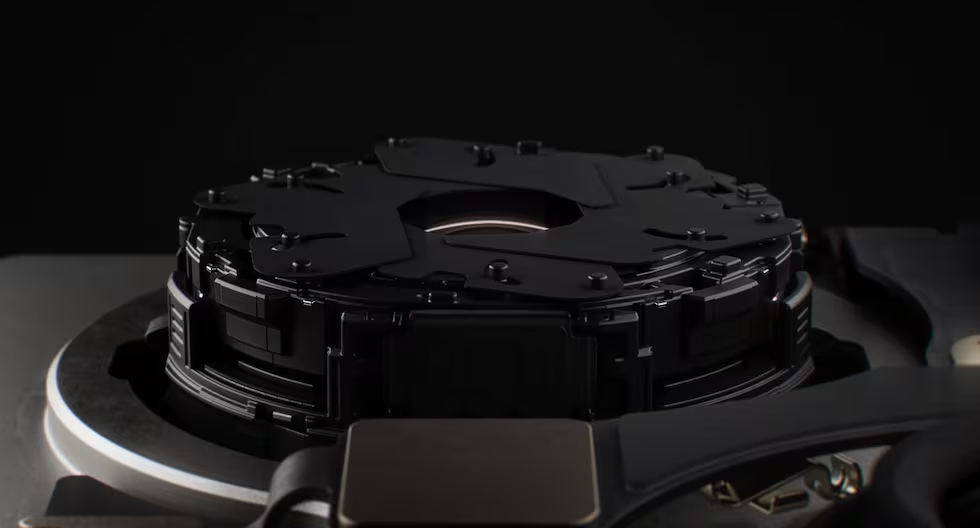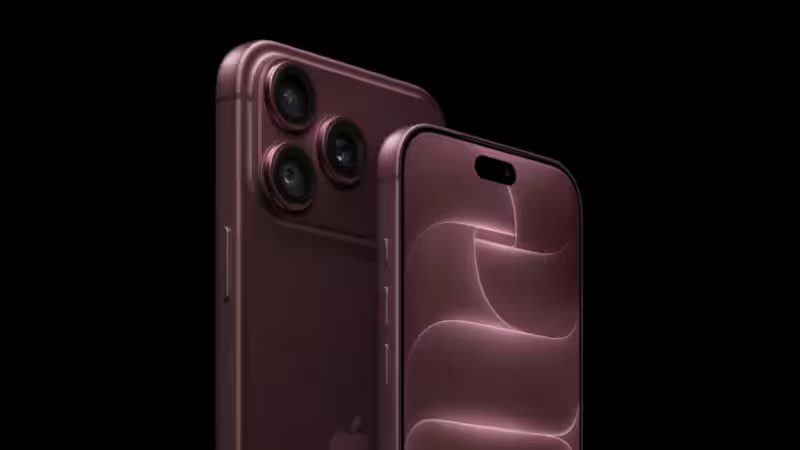
Apple has spent nine years improving iPhone photographs through software while the lens sat frozen at one opening. That ended on Wednesday. The 48MP Fusion Main camera in the iPhone 18 Pro now carries a mechanical iris built from six laser-cut blades. Each blade is thinner than a human hair. The iris moves between four settings from f/1.48 to f/4. Kaiann Drance, Apple's vice president of worldwide iPhone product marketing, presented it in the keynote film. The headline came with a low-light figure. In a dark room the aperture opens to admit around 50 per cent more light. That number has a clean explanation which Apple left off the screen, and it comes from dividing one f-number by another and squaring the result. The lens also costs Apple about half again what the previous one did, on supply-chain analysis. It arrives eight years after Samsung shipped the idea first. One further fact reframes the whole upgrade: the main sensor has stayed the same size since the iPhone 14 Pro of 2022. Four years of low-light gains have come from glass, silicon and software rather than from a bigger light-collecting surface. The iPhone Duo takes the opposite path and holds a fixed aperture.Key HighlightsAbout The AuthorAt heart, I am a storyteller drawn to the watershed moments that bend the technology landscape. I braid narrative with data, humanise statistics, and trace the arc from first spark to world-changing impact. My reportage, features and reviews are witty, sardonic, visual and vivid, using anecdote to illuminate rather than eviscerate.
iPhone 18 Pro Camera: 50 Per Cent More Light, Explained
The iPhone 18 Pro carries a 48MP Fusion Main camera with Apple's first mechanical variable aperture, running four settings from f/1.48 to f/4 on six laser-cut blades. Opening from f/1.8 to f/1.48 gathers about 48 per cent more light, which is Apple's 50 per cent claim. The iPhone Duo keeps a fixed aperture and adds four two-screen shooting modes.
3,672 words~17 min read