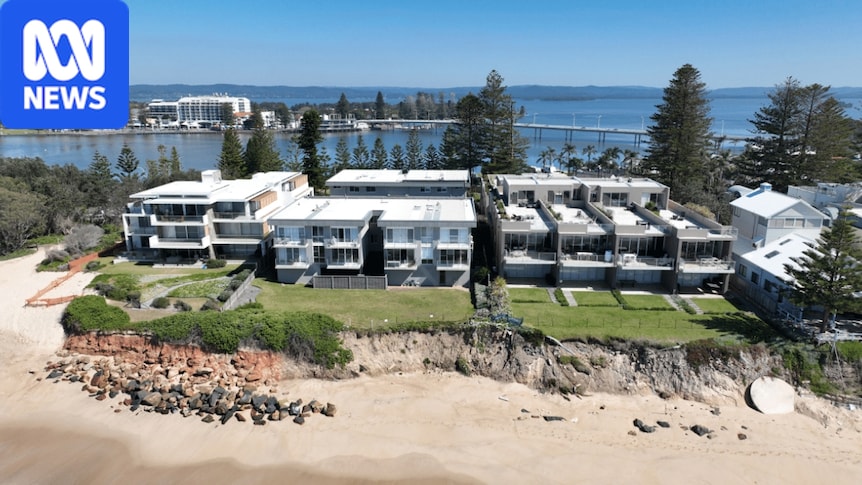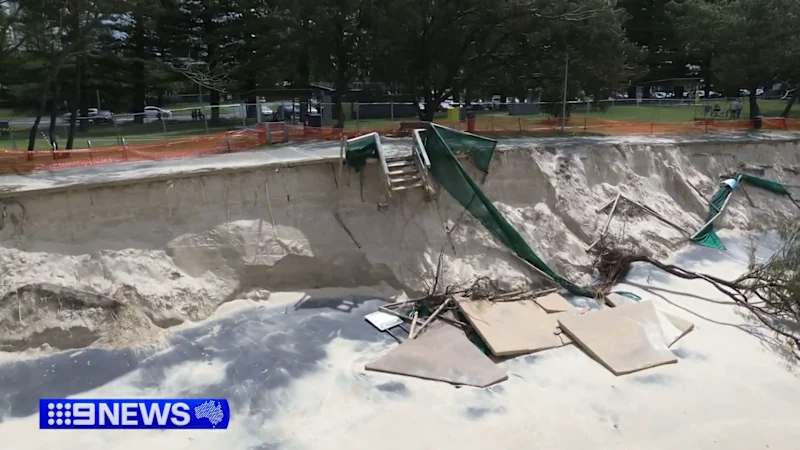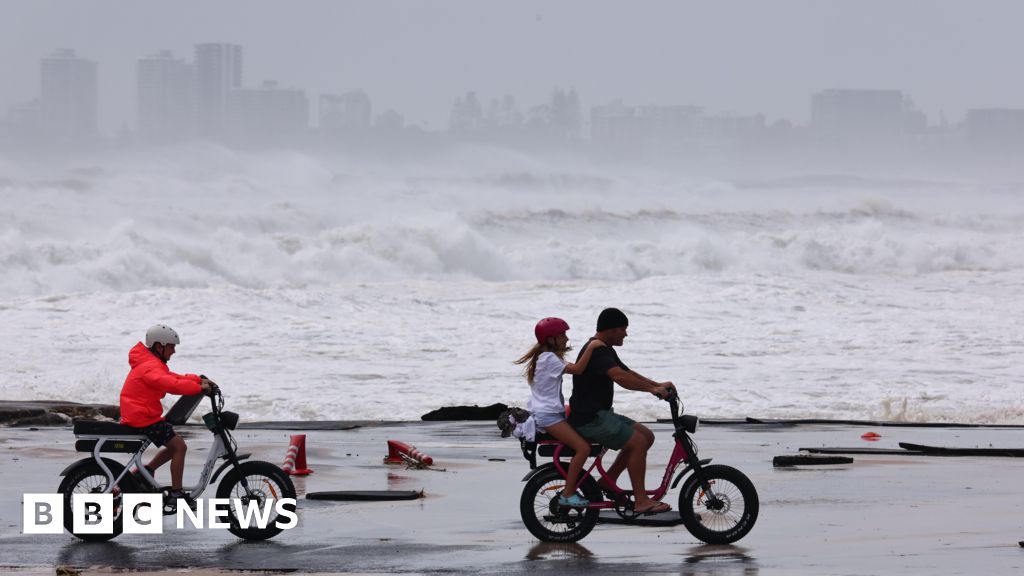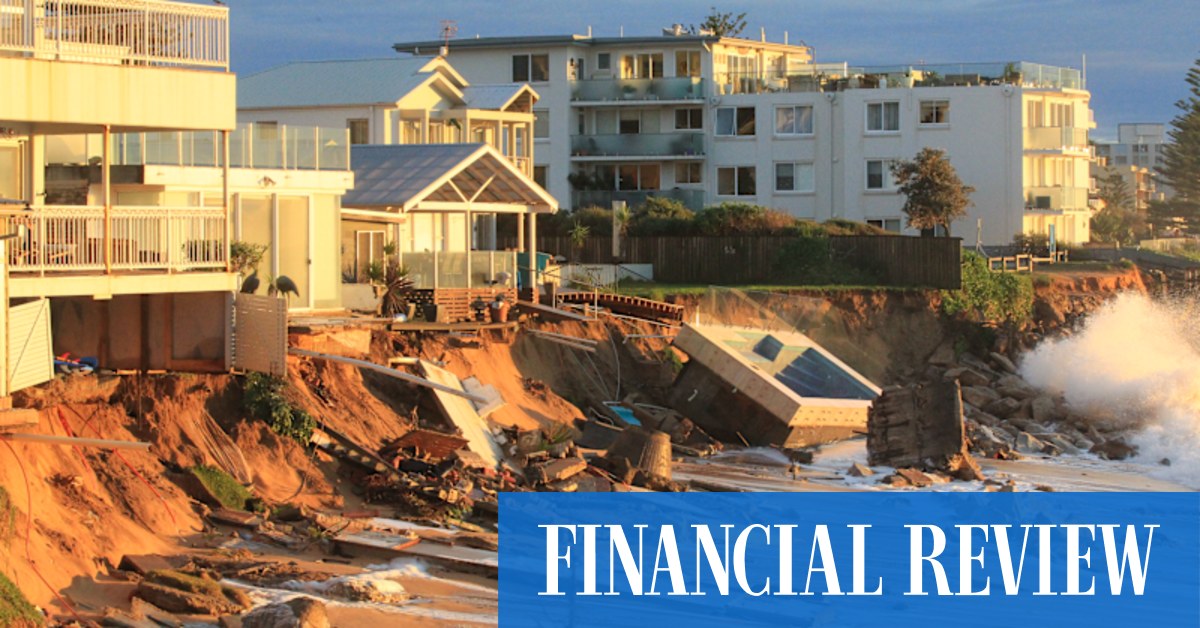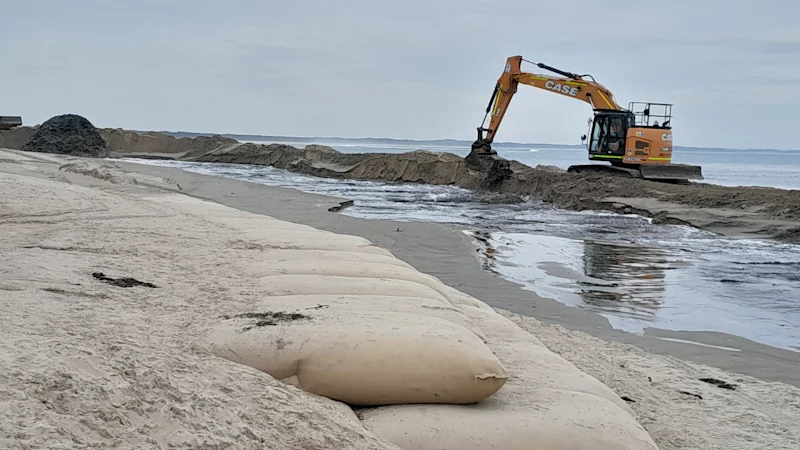
September 10, 2026 — 5:00amA quarter of a million homes across Australia worth $274 billion could be lost to sea level rise by 2100, new data shows.Sea levels rising could cost Australia at least $855 billion by the end of the century, across property and land use loss, based on conservative projections of current emissions, the Rising Seas, Rising Bills report from the Climate Council revealed on Thursday.Queensland is set to lose the most homes, with more than a third of those affected concentrated in the Gold Coast.NSW, which has the great proportion of its population on the coast, could lose just over 71,000 properties, with northern NSW taking the brunt of the loss of both homes and economic cost. The Central Coast has almost as many properties at risk.WA, the state with the longest coastline, is set to experience the greatest economic impact, at about $230 billion by 2100, across land-use and property loss.The country’s smallest mainland state, Victoria, would be set to lose the largest amount of residential land, with 17,364 homes at risk across 27,000 hectares, including large swathes of prestigious Melbourne suburbs such as Brighton, Elwood, Port Melbourne and Middle Park.Dr Andrew Watkins, Climate Council councillor and adjunct professor at Monash University’s School of Earth, Atmosphere and Environment, said the differences across the country’s coastlines shaped how much of an impact sea level rise would have on each state.“Around Port Phillip Bay [in Victoria], a lot of the coastline is very low,” he said, noting much of Brighton is only a metre or two above sea level, which meant water could already reach the lawns of multimillion-dollar homes during major storms.Sydney’s homes, while famous for their harbour and sea views, are often perched on clifftops, significantly higher than sea level. But even inland areas across the country would be affected as creeks and rivers rose.“The issue is when conditions combine,” Watkins said, noting that high tides plus sea level rise and storm surges can all come together to push water into areas further inland and compound damages.Erosion on Sydney’s northern beaches.James BrickwoodThe report notes that many of these losses would not be covered by insurance as they fall under the category of “actions of the sea”, which excludes events like tidal inundation, coastal erosion and shoreline movement as they are too inevitable and forseeable to be insurable events.Based on past emissions, 14 centimetres of sea level rise are already locked in within the next 25 years.“For every 10 centimetres of sea level rise, you basically triple the number of extreme events – those things that you would normally only get once in 100 years or so,” Watkins said.The report notes that a mean sea level rise of 54 centimetres by 2100 – assuming a 3-degree temperature increase due to climate change – would leave much of the country, including the entirety of NSW and much of WA, more than 400 times more likely to experience coastal flooding each year.The risk is easy to discount compared to more acute climate impacts such as bushfire or flash flooding, Watkins said, because it was building slowly and meant the need for solutions seemed less immediate.But some areas are already showing what the future could look like without mitigation and adaptation.Inverloch in Victoria’s South Gippsland has lost more than 70 metres of foreshore since 2012. Its surf lifesaving club, built in 2010, relies on sandbags to hold back the tide. Dredging to restore the popular holiday destination’s shoreline has only temporarily held back the beach – and town – being swallowed by the sea.Sandbags were installed in front of Inverloch Surf LifeSaving Club in 2022.Aileen VeningRetired geography teacher Aileen Vening has lived in the area for more than 30 years and has been documenting erosion in the coastal town since 2012. She said that for people living in coastal areas, the risk of rising sea levels wasn’t a distant event, but “imminent”.“[In] August 2024, there was like 18 metres of beach lost at the western end of the Surf Beach, just in one event,” she said. “Eighty per cent of the vegetated dunes have been lost along the Surf Beach.”She thought the town’s surf lifesaving tower, moved back from the shore due to erosion several times since 2012 before being abandoned, was a warning that “retreat” – moving homes and the town itself further inland – might be on the cards for residents if action to reduce emissions wasn’t taken.“We are past that point where these are just freak events,” Vening said.The Climate Council recommends planning and managing retreat, and designating “no build” zones to preserve existing shoreline from future erosion, with protection measures such as sea walls and even natural restoration a costly last resort.“These are not easy things; they need a lot of care, consideration and a long planning period for the different actions,” Watkins said, noting sea level rise was just one aspect of a changing climate.“We really need to reach net zero as fast as we can and halt the warming.”More:Residential propertyClimate crisisProperty marketGeneral insuranceProperty listingsFrom our partners
Sea level rise could put a quarter of a million Australian homes at risk by 2100
Different parts of the coast are set for varying impacts, but in some areas the changes are already starting to show up.
842 words~4 min read