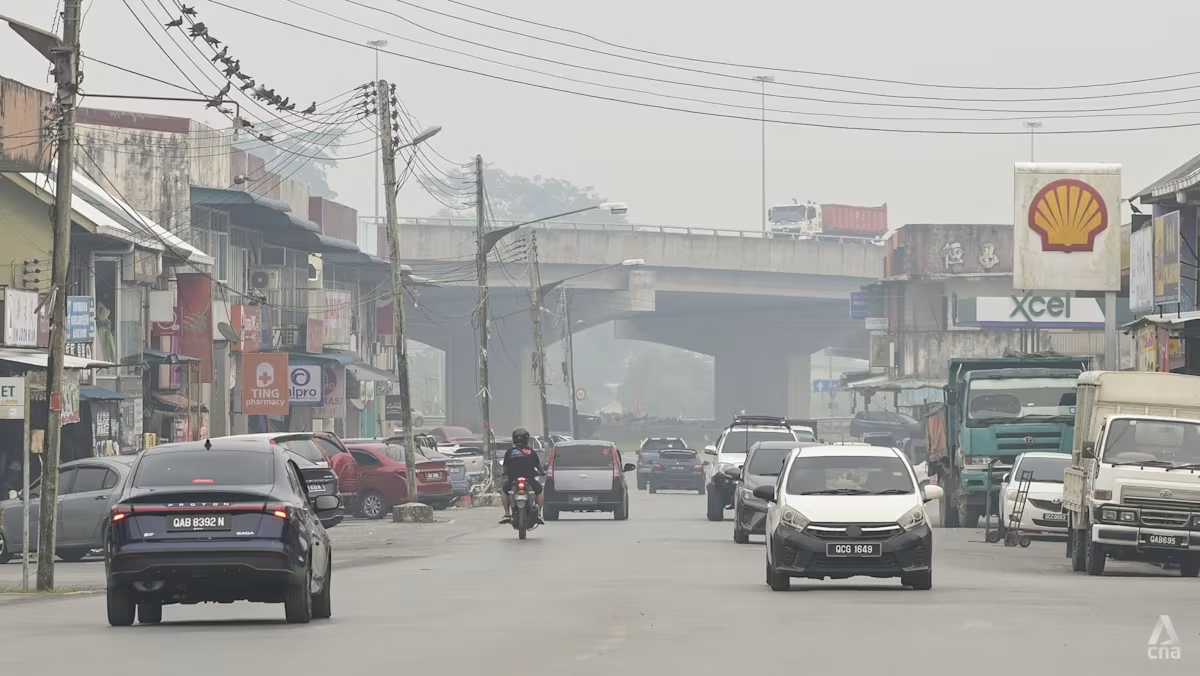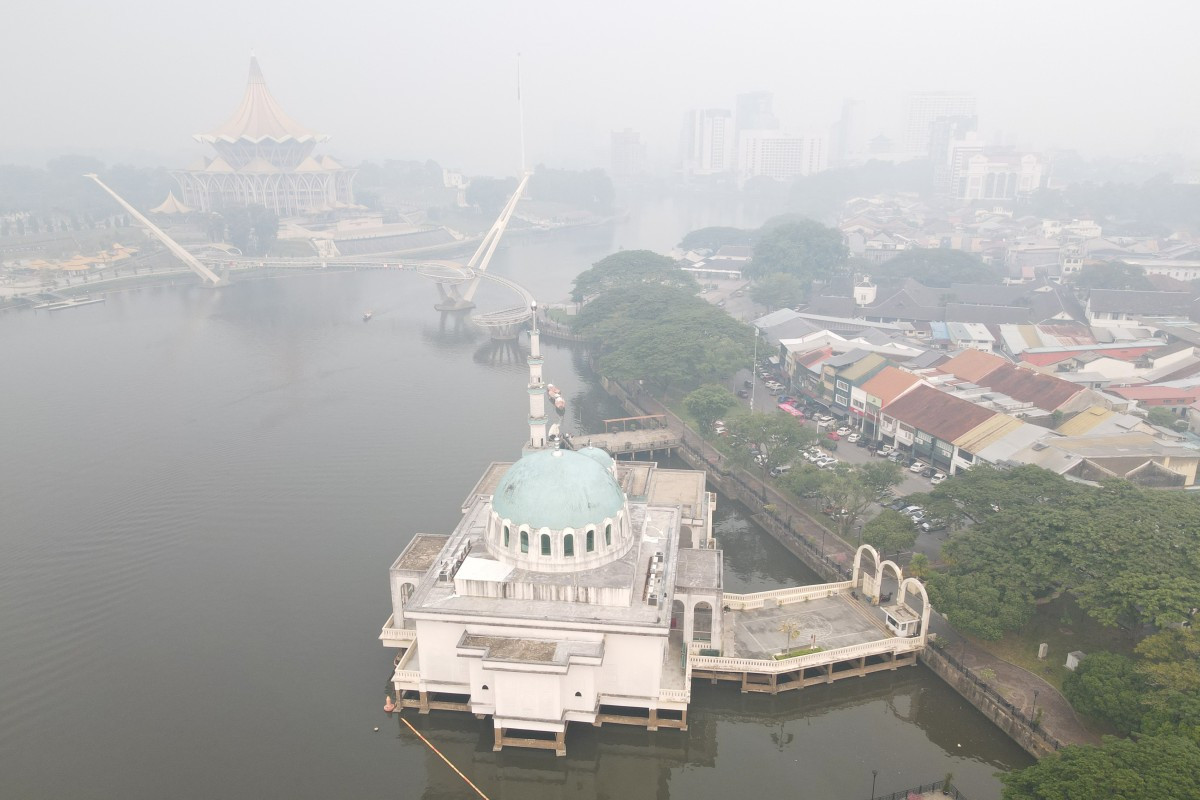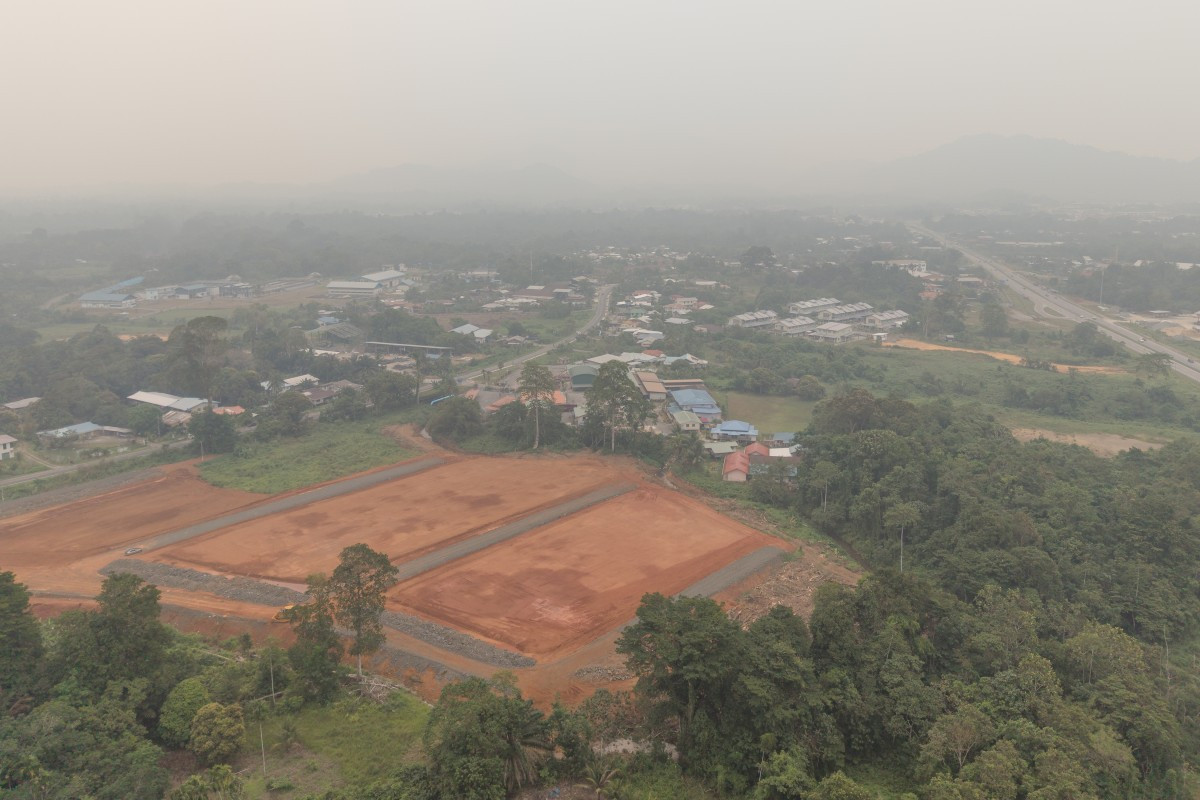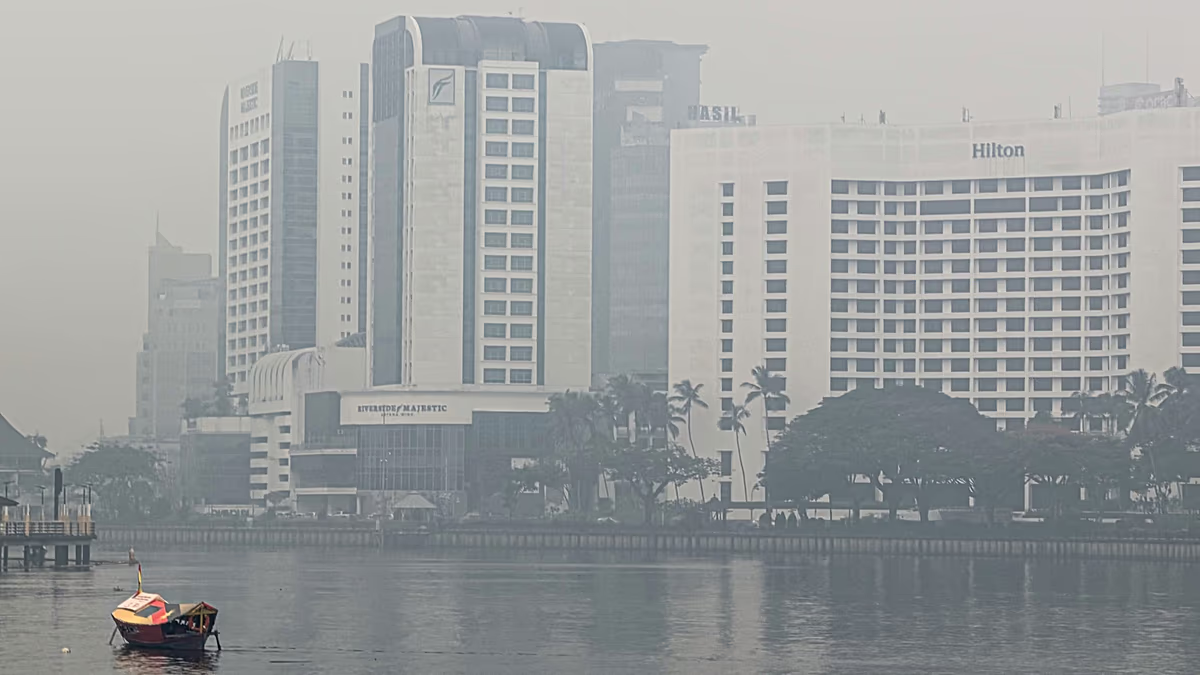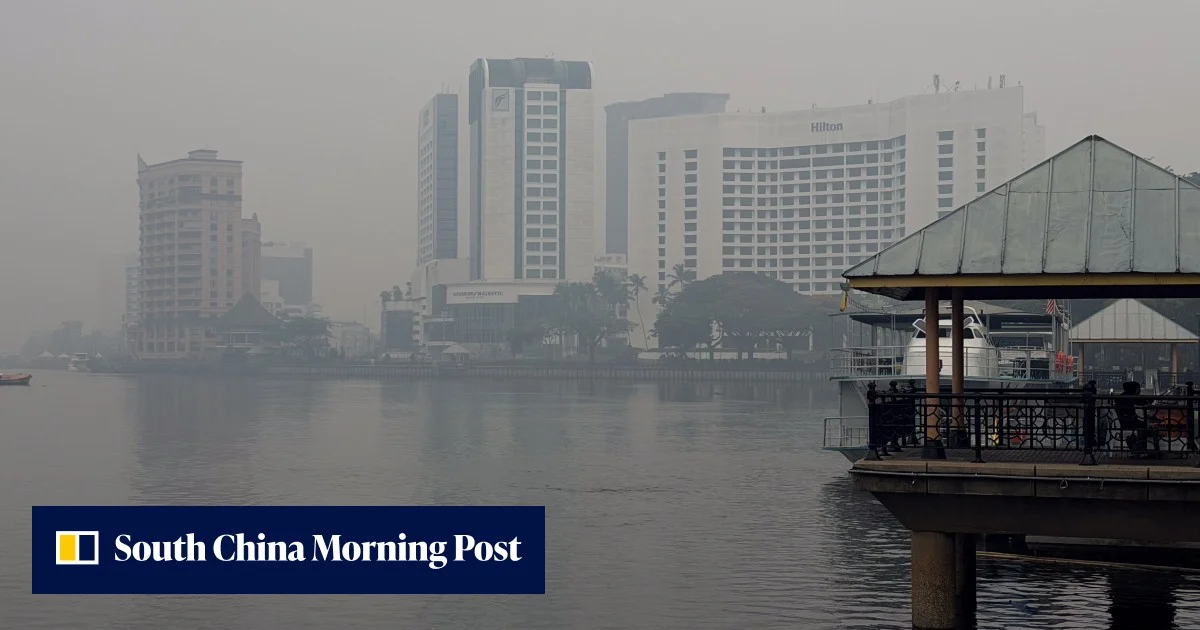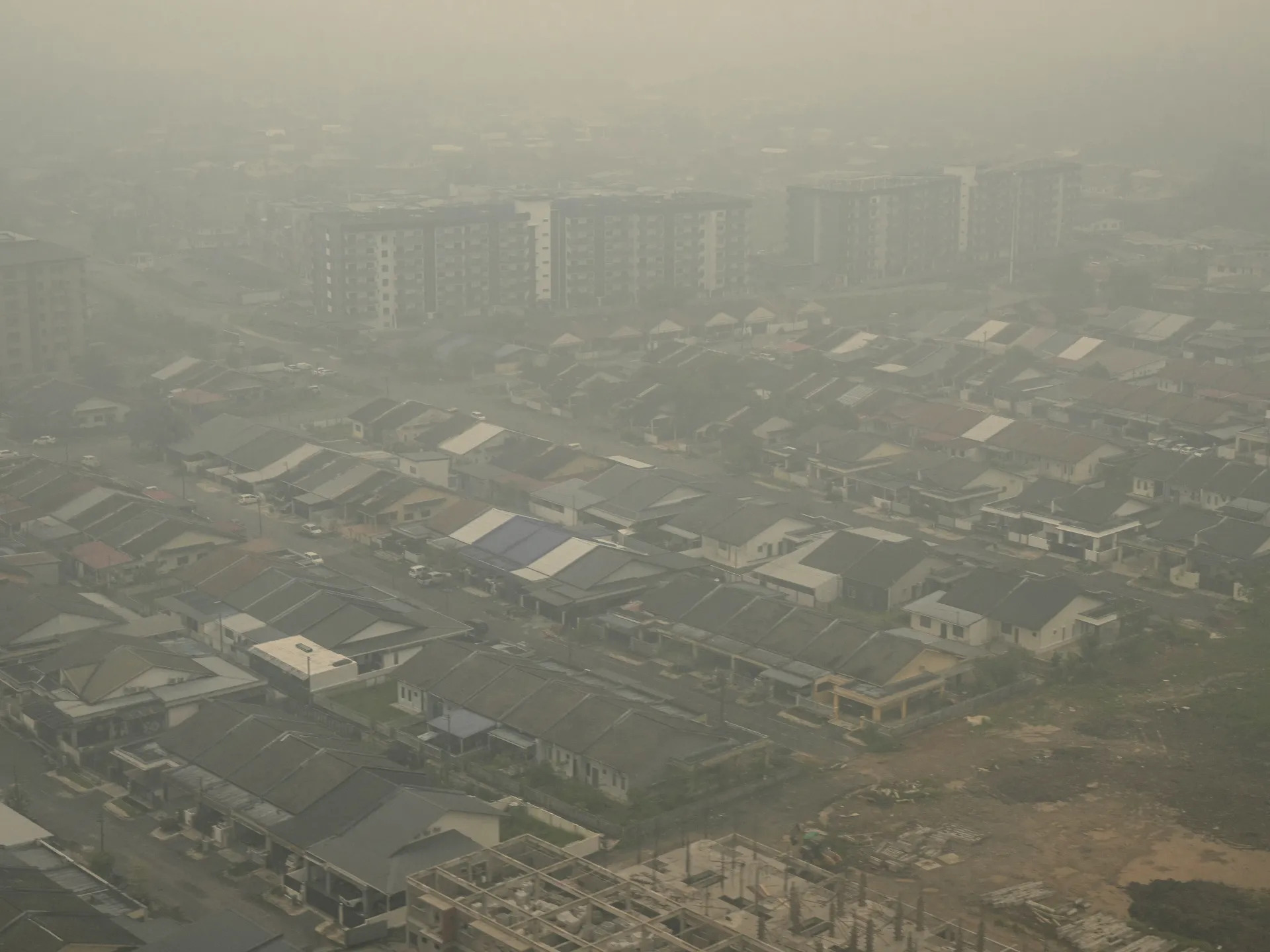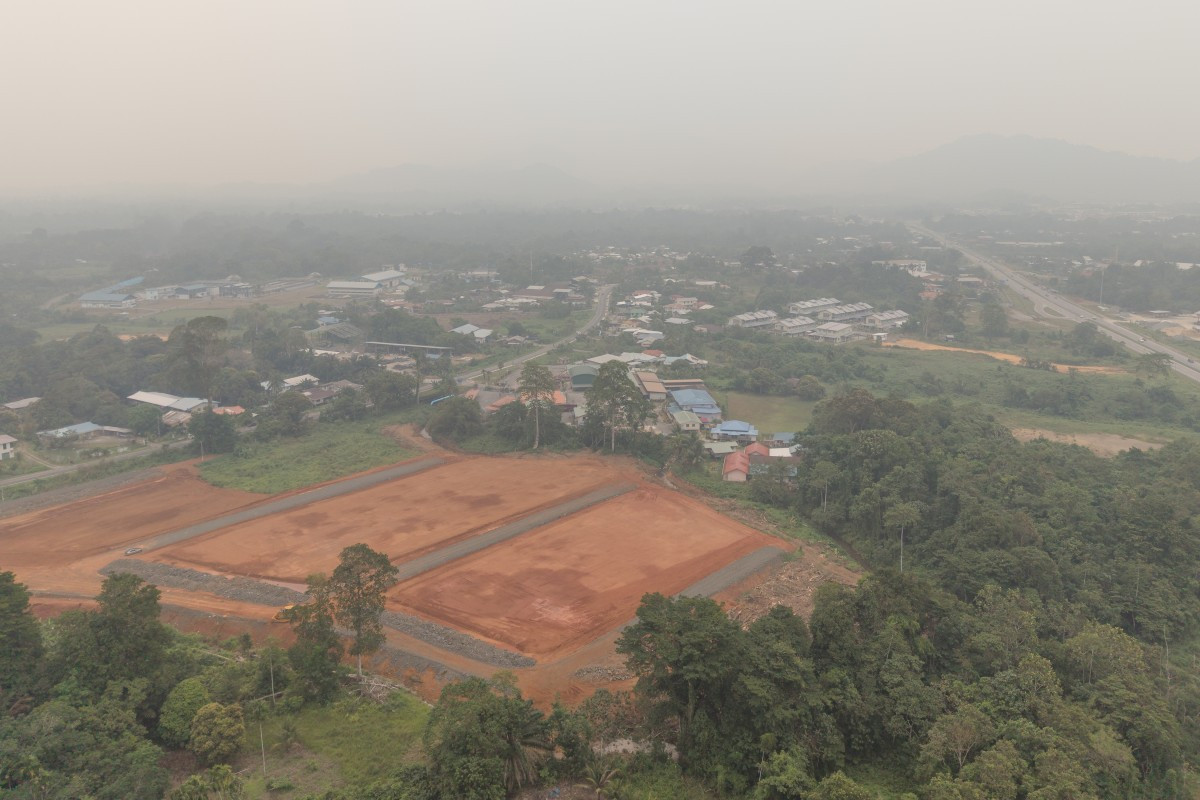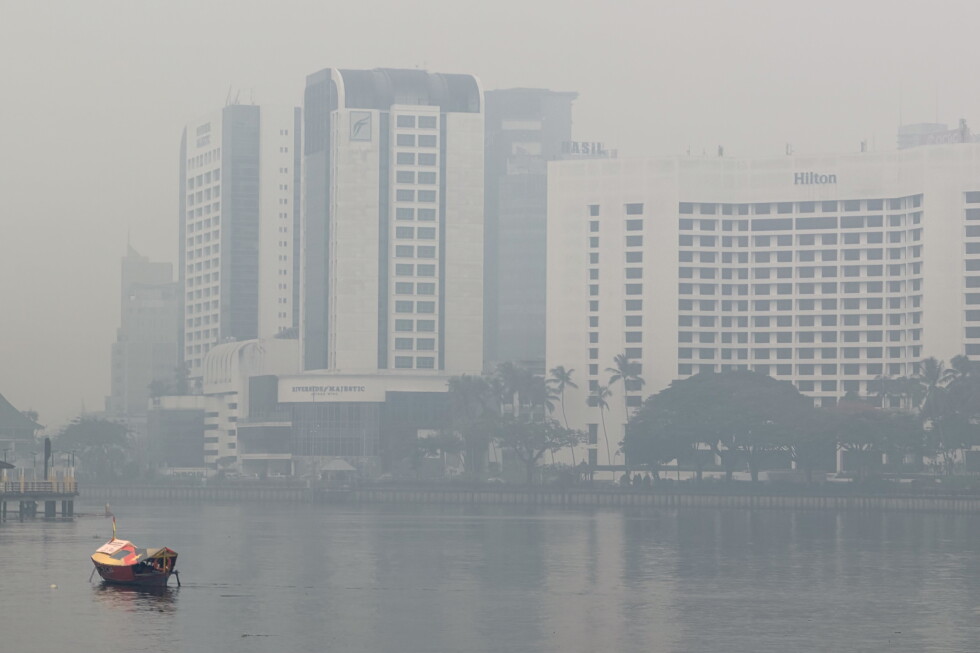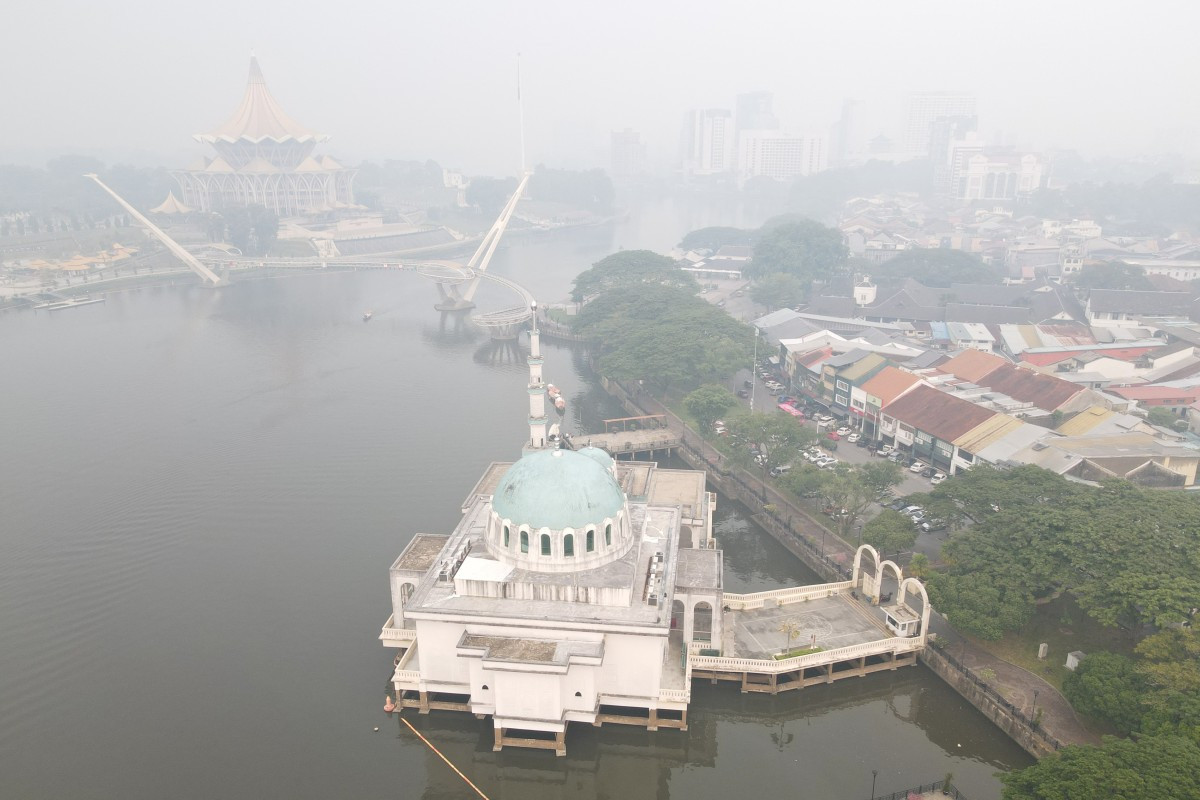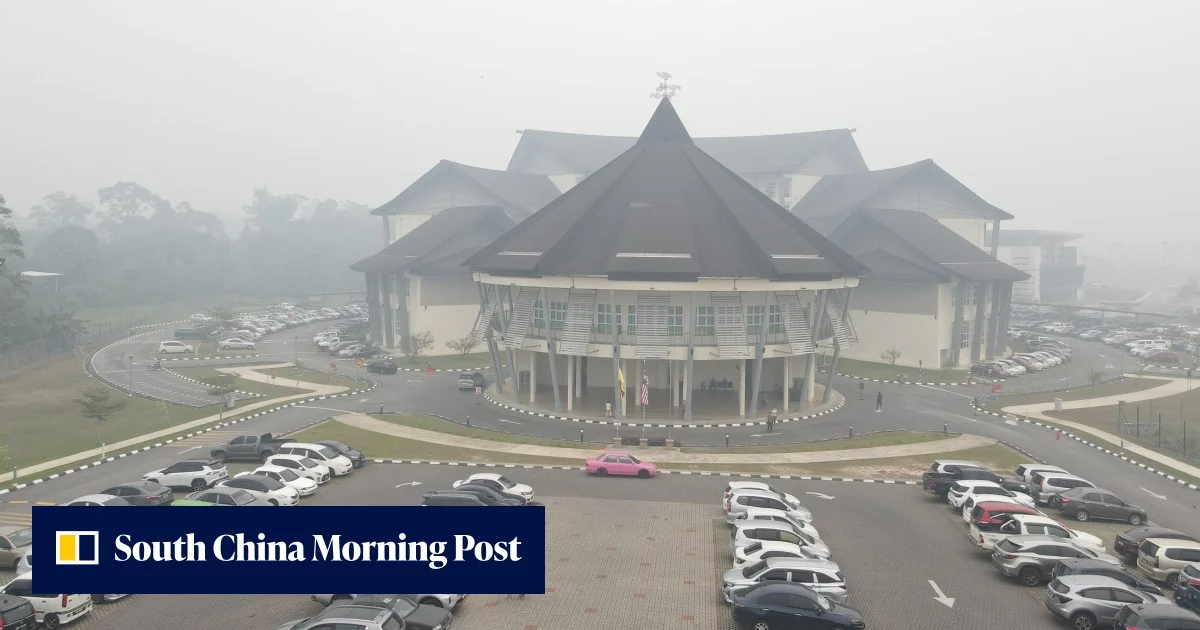
Malaysia, Southeast Asia's third richest country by GDP per capita after Singapore and Brunei, had declared the emergency on Sept. 4 after thick haze caused by fires in the Indonesian part of Borneo island pushed air pollution up to hazardous levels. Sarawak has been heavily affected by fires in Indonesia’s Kalimantan, with the haze forcing school closures in some parts of the state.
The Malaysian authorities categorize Air Pollutant Index (API) readings above 300 as hazardous, with a measurement of 500 the threshold for declaring an emergency.
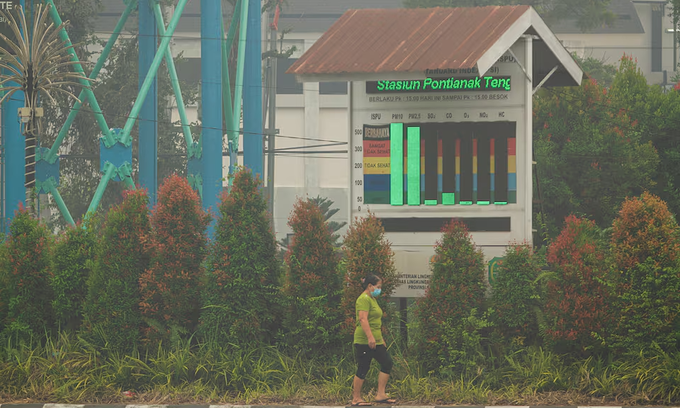
A woman wearing a protective face mask walks past near an air quality display while haze from wildfires covers the area in Pontianak, West Kalimantan Province, Indonesia, Sept. 3, 2026. Photo by Reuters
The API in Serian was at 222 on Sept. 7, having hit 519 on Sept. 4, environment department data showed.
The King, Sultan Ibrahim Iskandar, gave his consent to end the state of emergency based on advice from Prime Minister Anwar Ibrahim and Sarawak Premier Abang Johari Openg, as well as reports from government agencies showing that air quality readings in Serian were no longer at a hazardous level, the Prime Minister's Office said in a statement.