China opposes using G20 to hype so-called 'economic imbalances,' ‘overcapacity’: MOFCOM
Key forum should strengthen macroeconomic coordination, safeguard multilateral trade: expert
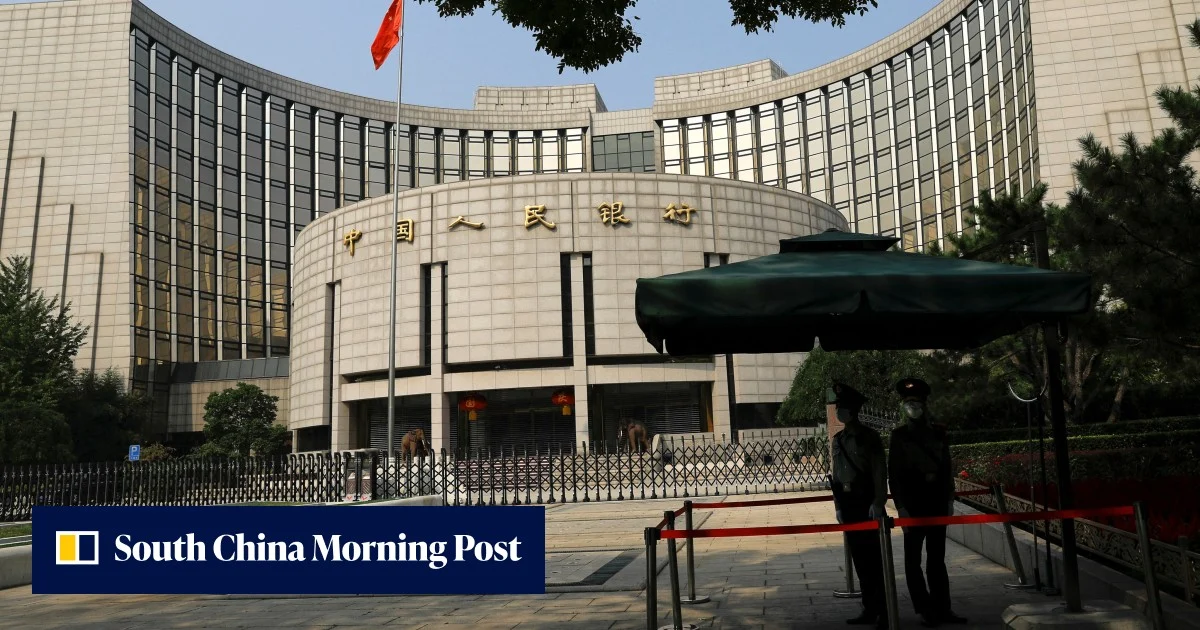
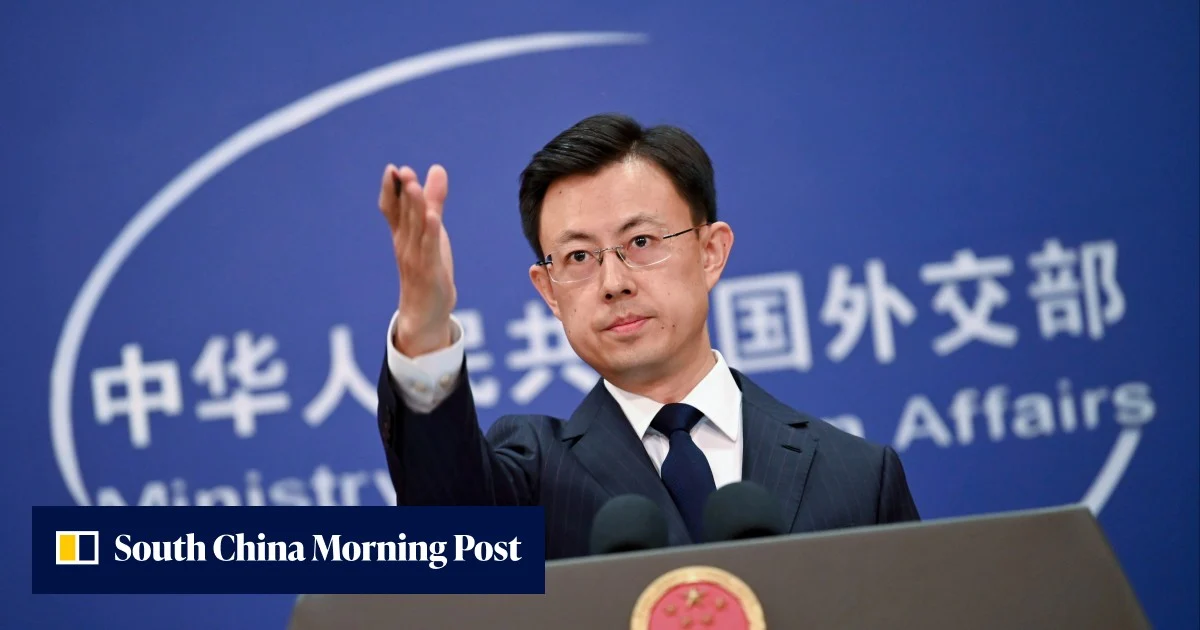
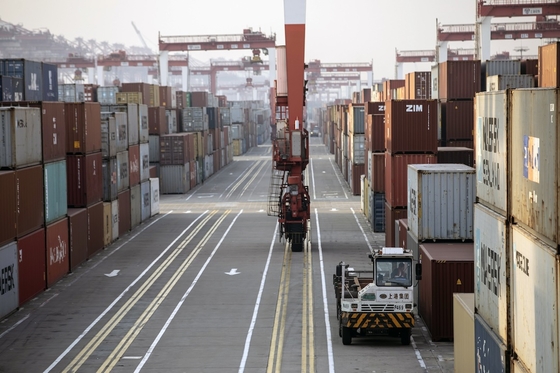
The Ministry of Commerce of China File photo: VCGChina believes that using multilateral mechanisms such as the G20 to hype claims of so-called economic imbalances and overcapacity is, in essence, an attempt to promote protectionism and find excuses to exert pressure on and impose restrictions against China, Huang Ling, a spokesperson of China's Ministry of Commerce (MOFCOM), said on Thursday, noting that China firmly opposes such moves, which will only disrupt the global economic and trade order and undermine the healthy development of the global economy.The remarks were made in response to a media question regarding recent comments by US Treasury Secretary Scott Bessent, who said that the current flood of exports from China was unsustainable, even though the US direct trade position with China was "rapidly improving," and that he would encourage G20 members to re-examine terms of trade with China to shrink global imbalances and press Beijing to rebalance its economy away from exports and toward domestic consumption.The question also cited media reports saying that a US Treasury official had called on G20 economies to avoid policies that push excess production and excess capacity into global markets.Huang said that the development of international trade is the result of the global division of labor and cooperation, and it is mutually beneficial in nature. The growth of China's exports stems both from economies of scale and enhanced innovation capacity, as well as demand arising from countries' green transition and industrialization, the spokesperson said, noting that the continued development of China's foreign trade benefits all parties. China has repeatedly made its position clear on claims of so-called trade imbalances and overcapacity involving China.As China pointed out in its previously released position paper on the so-called issue of "overcapacity," global economic imbalances have complex causes. Linking global imbalances to overcapacity and attributing them to simplistic causes is a deliberate attempt to confuse the issue and serves ulterior motives, said Huang.The MOFCOM spokesperson reiterated that capacity-related issues are a normal phenomenon that arises in the course of global economic development alongside industrial upgrading, market fluctuations and changes in the division of labor. Such issues should be viewed comprehensively, objectively and fairly in accordance with economic principles, she said.Countries should uphold multilateralism, strengthen policy communication and coordination, expand openness and cooperation, jointly safeguard stable and smooth global industrial and supply chains, and promote mutually beneficial and win-win outcomes, said the spokesperson.The US is attempting to use multilateral platforms such as the G20 to promote narratives of so-called Chinese "overcapacity" and "economic imbalances," essentially seeking to package its unilateral trade policies as a multilateral consensus and provide justification for further restrictions on Chinese products, Zhou Mi, a senior research fellow at the Chinese Academy of International Trade and Economic Cooperation, told the Global Times on Thursday.Moreover, the G20 is not a tool for a handful of countries to exert pressure on China, said Zhou, who noted that as a key platform for major economies to coordinate macroeconomic policies, the G20 should promote openness and cooperation and oppose protectionism, rather than create new trade barriers.The continued growth of China's exports reflects the strength of its manufacturing sector and solid overseas demand, He Weiwen, a senior fellow at the Center for China and Globalization, told the Global Times on Thursday.China's complete industrial system, advanced infrastructure and technological progress have enabled manufacturers to improve efficiency and offer high-quality products at competitive prices, He said, noting that innovation and large-scale production have further brought down prices, making much-needed products, including those in green sectors, more affordable and accessible worldwide.From the perspective of household consumption, high-quality and affordable Chinese goods have effectively helped ease inflationary pressures and reduce household spending. According to estimates in a report by the European Central Bank, if EU imports from China increase by 10 percent in 2026, overall EU import prices would fall by 1.6 percent, the Xinhua News Agency reported.In contrast with protectionist by moves by certain countries, China's vast market is always open to businesses and products from around the world. Among China's 50 largest trading partners, 32 recorded faster growth in exports to China than in imports from China, Xinhua reported.On Wednesday, when asked about media reports that the meeting failed to issue a communiqué due to China's differing views on the issue of "global imbalances," Guo Jiakun, spokesperson of China's Foreign Ministry, said at the regular press conference that China deeply regrets that the G20 Finance Ministers and Central Bank Governors meeting concluded without a communiqué. Since the US assumed the G20 presidency for 2026, China has actively and constructively participated in discussions across all tracks, including the finance track, and worked to promote practical outcomes under the G20 framework, said Guo.China's central bank also pushed back against the US narrative on global economic imbalances during the G20 meeting. Pan Gongsheng, governor of the People's Bank of China (PBC), said at the G20 Finance Ministers and Central Bank Governors Meeting that trade frictions and protectionism weigh on the global economy by disrupting supply chains, fueling inflation and unsettling market expectations, the PBC said in a statement on Wednesday.The statement came as US officials have been hyping the so-called "imbalance" issue and claiming that Washington had won backing from all G20 financial leaders except those of China to act against "non-market" policies and distortions that cause over-reliance on exports and hinder growth elsewhere.