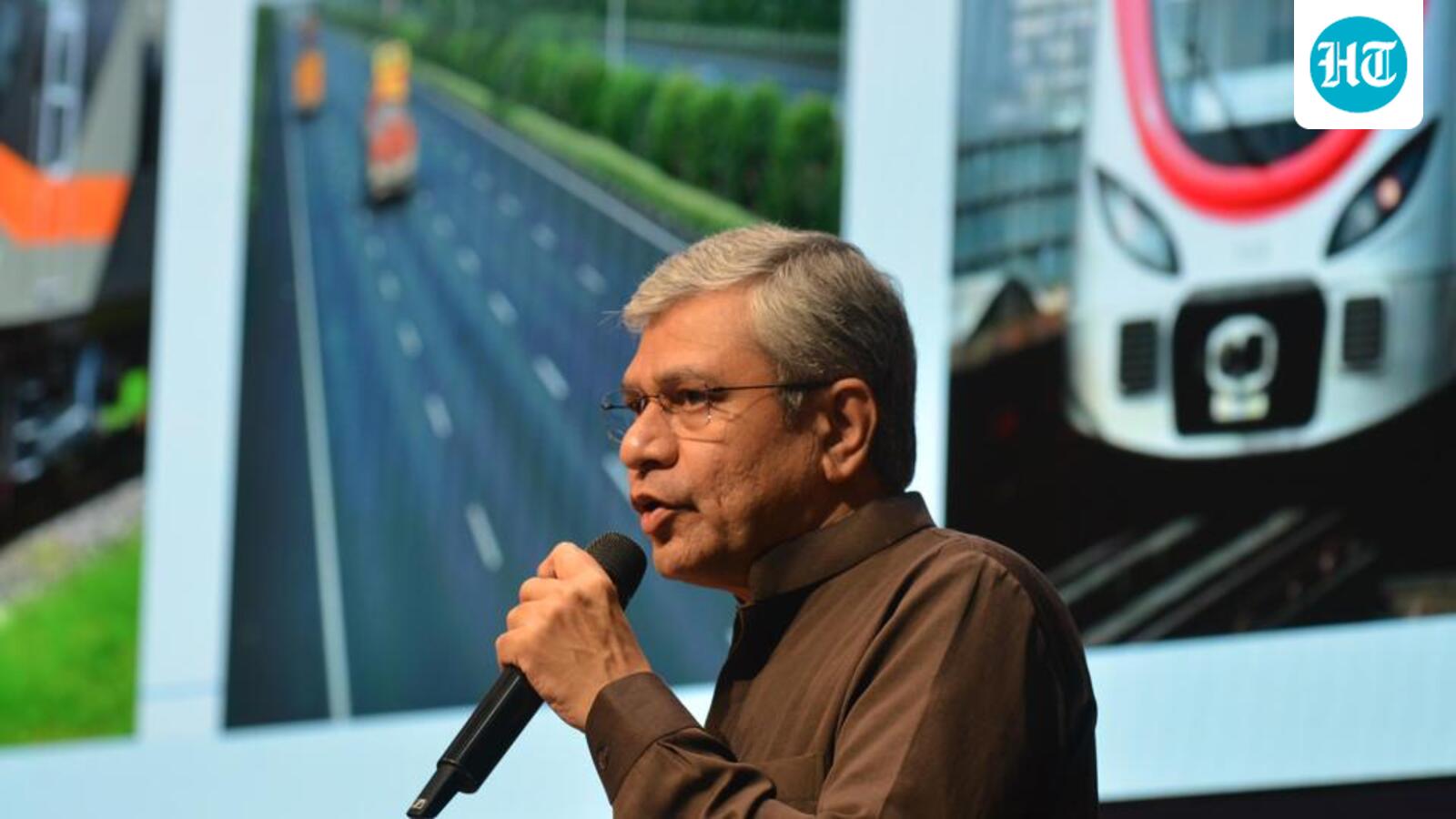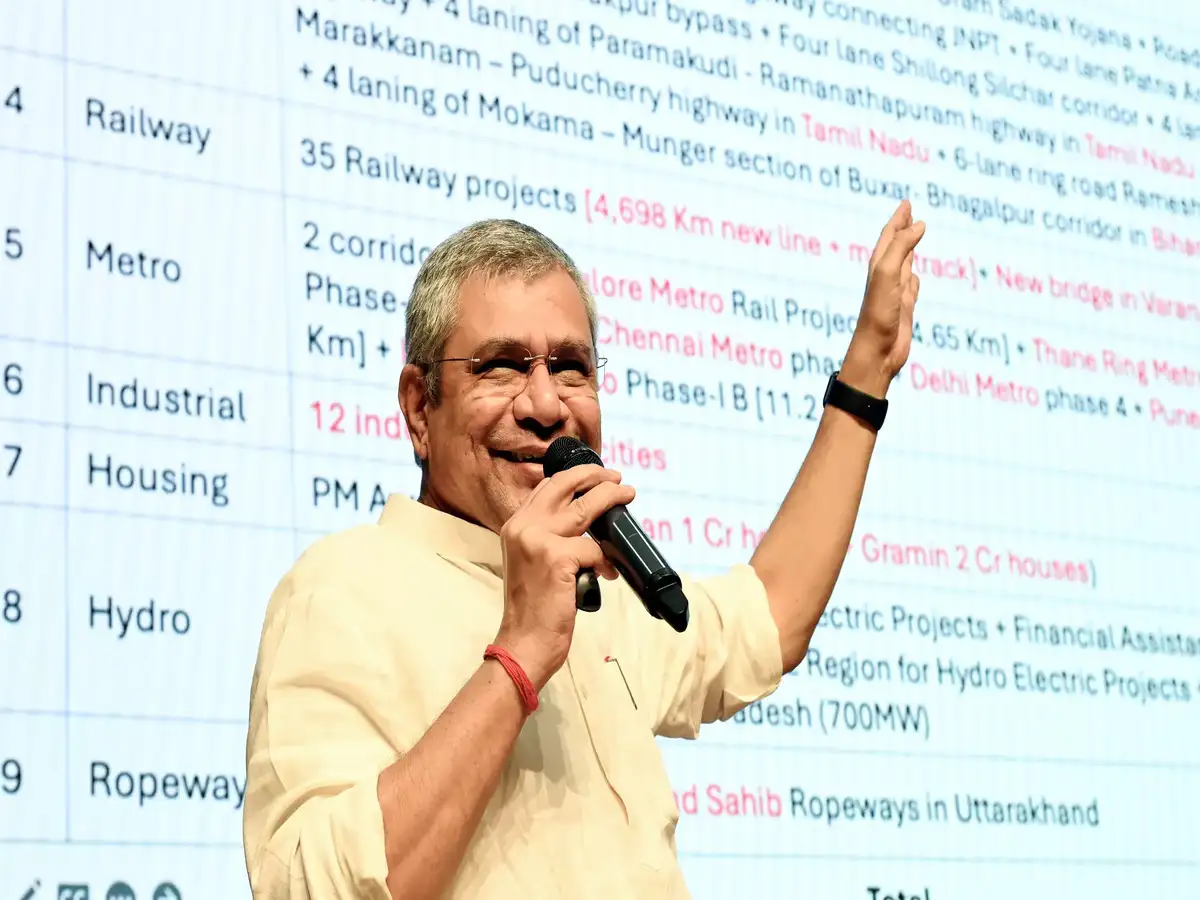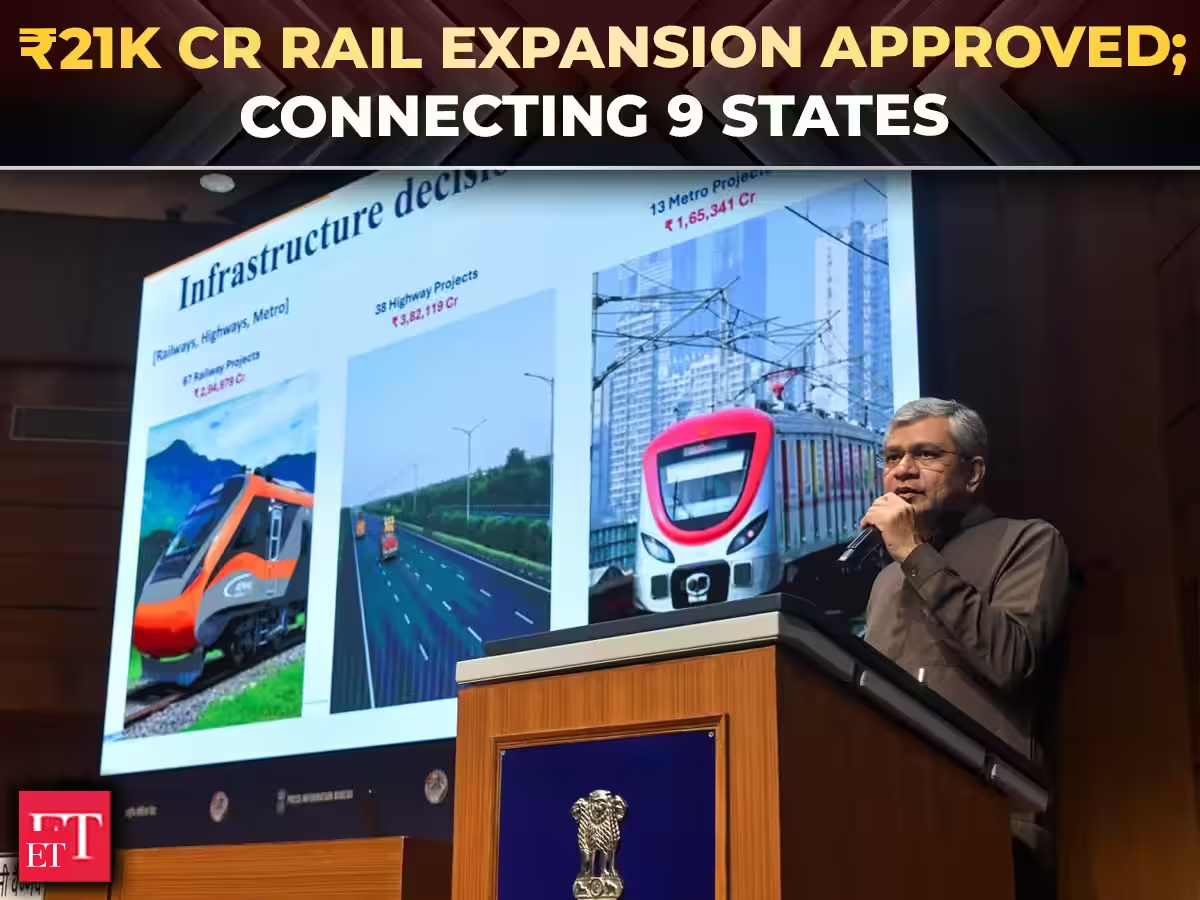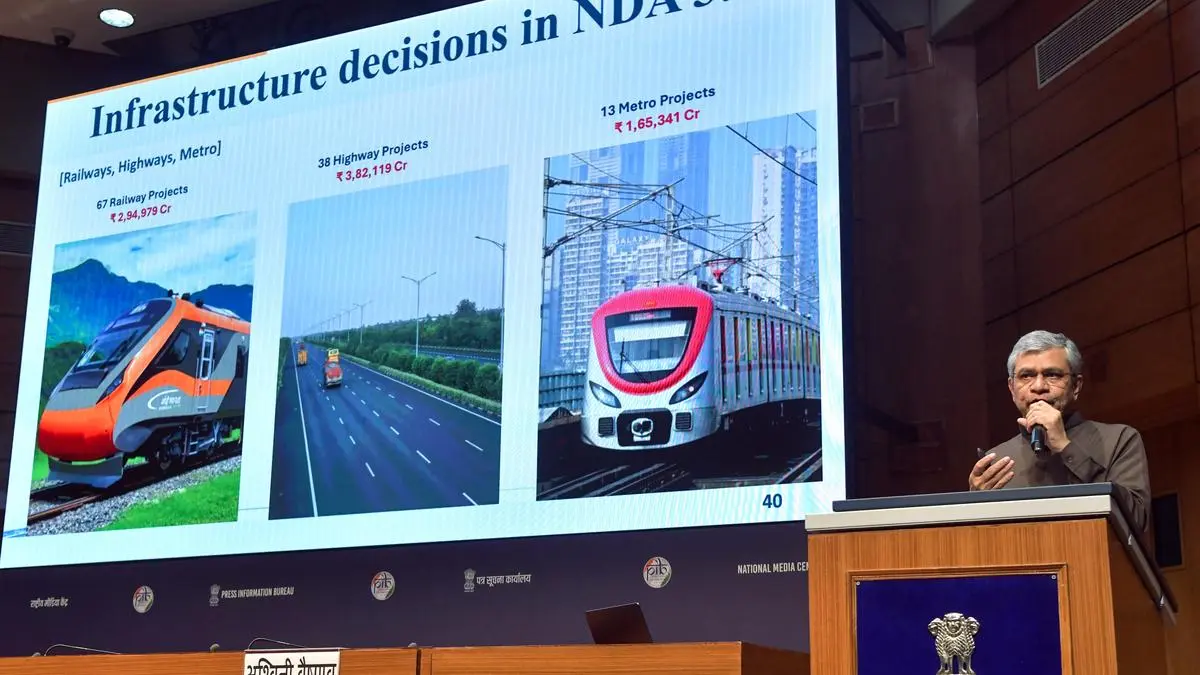
Union Minister Ashwini Vaishnaw speaks during a cabinet briefing, in New Delhi on Wednesday
| Photo Credit:
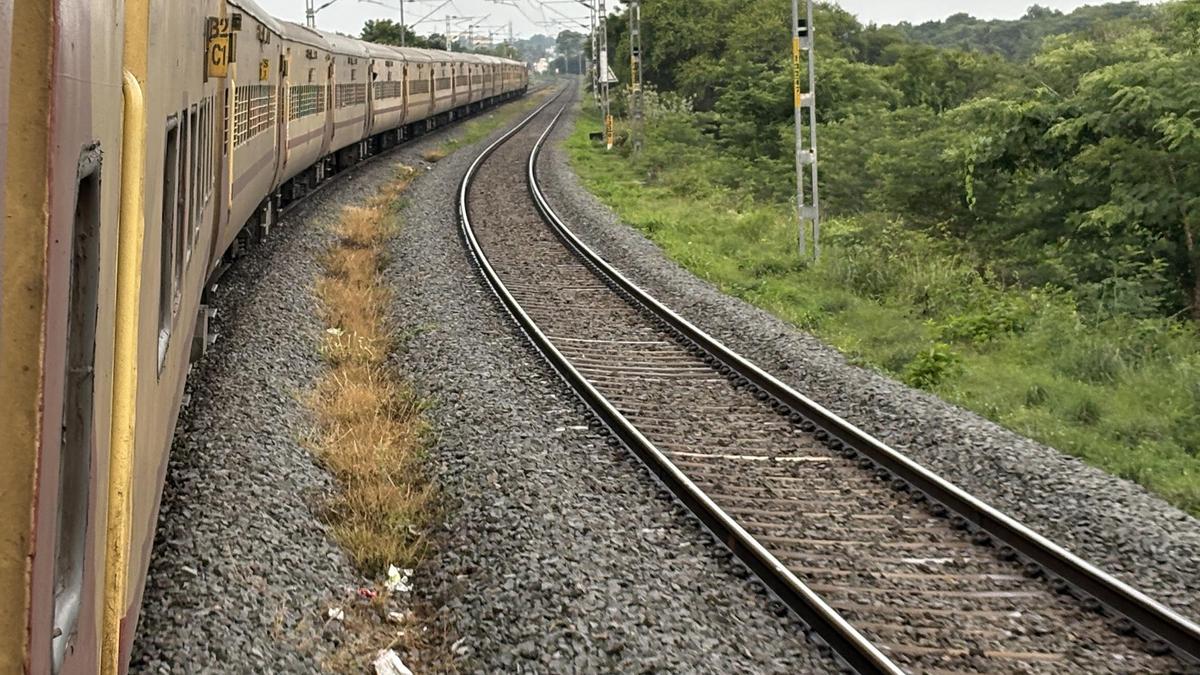
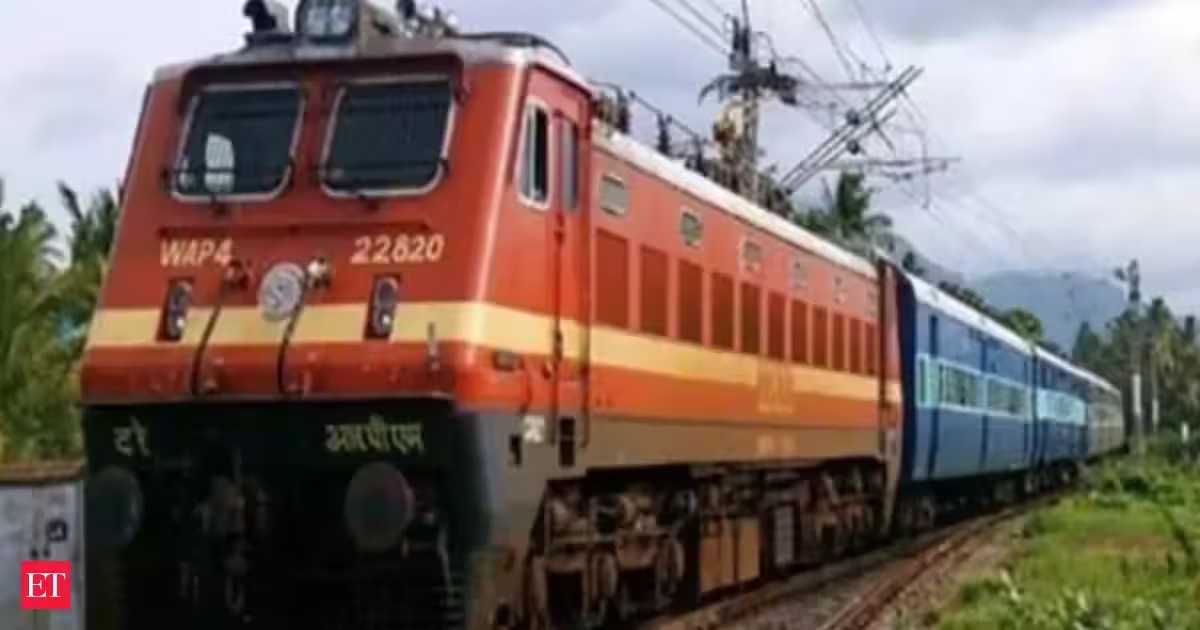
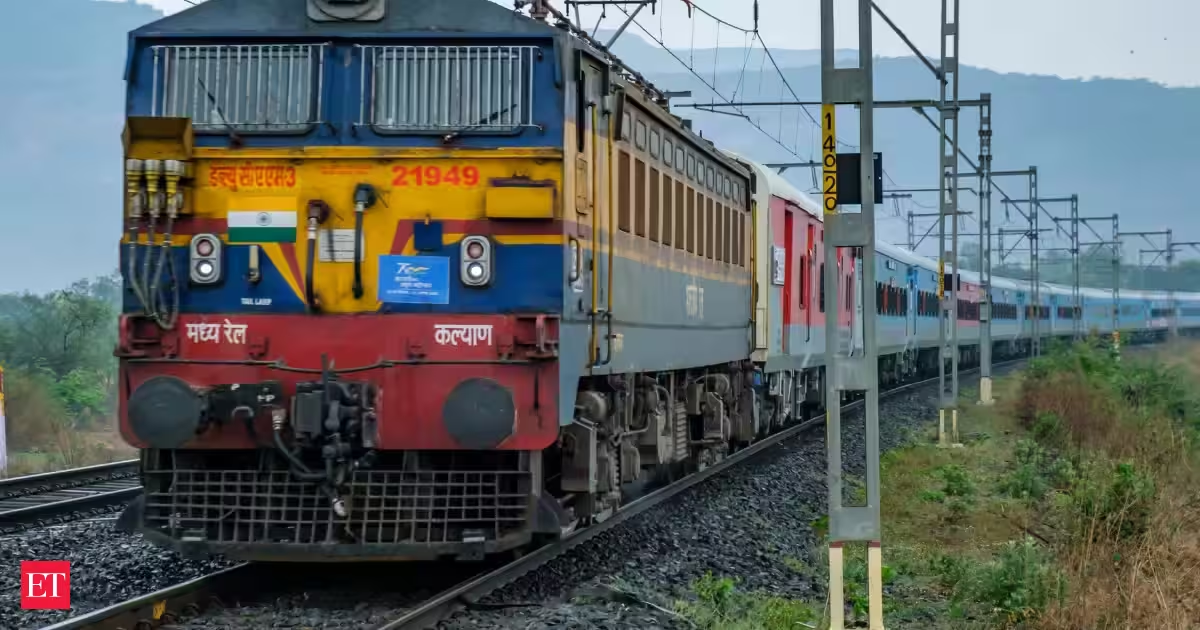
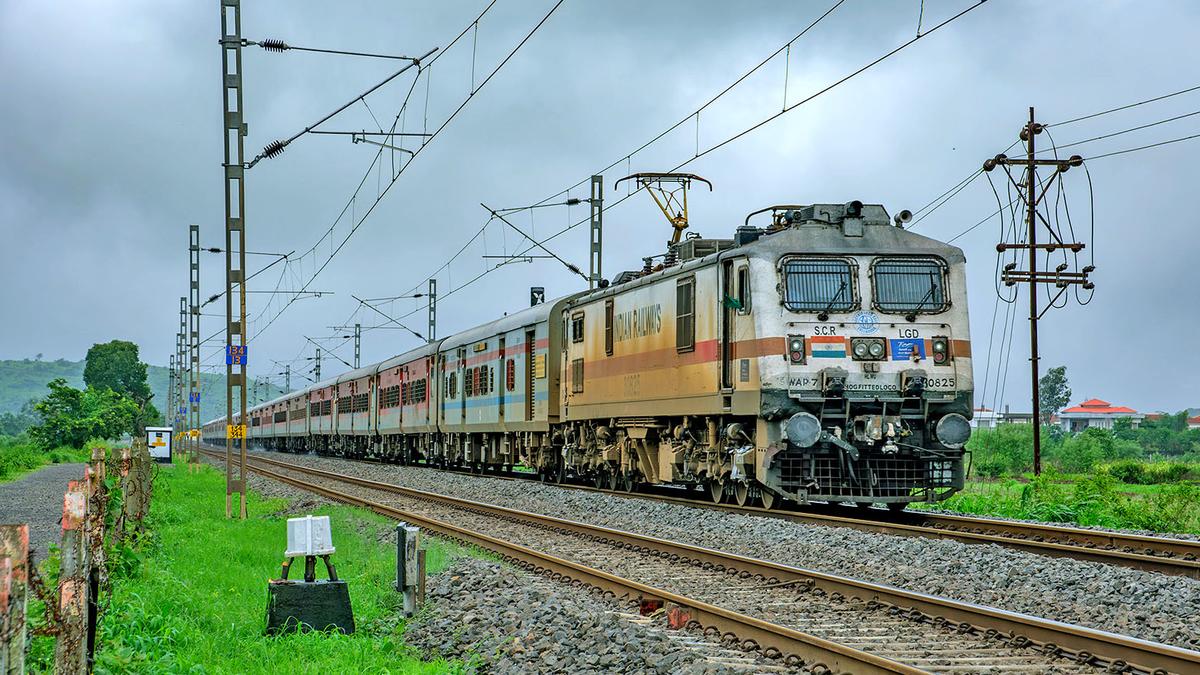
The Centre has approved eight railway multitracking projects estimated to cost ₹20,804 crore across nine States, aimed at augmenting line capacity, and easing congestion.Accordingly, the Cabinet Committee on Economic Affairs on Wednesday approved projects which will add about 1,196 km to the existing railway network and cover 31 districts across Tamil Nadu, Andhra Pradesh, Karnataka, Telangana, West Bengal, Jharkhand, Odisha, Madhya Pradesh and Chhattisgarh.These projects aim to improve operational efficiency on key freight and passenger corridors are targeted to be completed by 2029-30. All projects are aligned with the PM Gati Shakti National Master Plan.According to the CCEA, the projects will improve connectivity to about 6,911 villages with a combined population of nearly 1.08 crore.Freight ActivityThey are expected to facilitate additional freight traffic of around 74 million tonnes per annum.Moreover, these projects include the 77-km Arakkonam-Renigunta third and fourth lines, 47-km Whitefield-Bangarapet third and fourth lines, 147-km Hosur-Omalur doubling, 159-km Salem-Karur-Dindigul doubling and the 110-km fourth line between Secunderabad (Ghatkesar) and Kazipet.The Arakkonam-Renigunta section, part of the Mumbai-Chennai High Density Network, has existing line capacity utilisation of about 120 per cent.It is expected to provide additional freight traffic of 7.21 million tonnes per annum and save about ₹110 crore annually in logistics costs.The Whitefield-Bangarapet section has capacity utilisation of 105 per cent and is expected to become more saturated with expansion of economic nodes.Besides, this project will provide additional freight traffic of 14.53 million tonnes per annum and logistics cost savings of about ₹137 crore annually.Other RoutesFurthermore, the Hosur-Omalur doubling is expected to provide 8.95 million tonnes of additional freight traffic and logistics cost savings of about ₹263 crore annually, while the Salem-Karur-Dindigul project is expected to generate 6.87 million tonnes of additional freight traffic and save about ₹219 crore annually.Meanwhile, the Secunderabad-Kazipet section is already operating at 120 per cent capacity and could reach 151 per cent without the project.The fourth line is expected to generate additional freight traffic of 9.83 million tonnes per annum and provide annual logistics cost savings of about ₹217 crore.Additionally, the other three projects comprise the 367-km fourth line between Kharagpur and Jharsuguda (Bagdehi), the 201-km fourth line between Katni and Pendra Road, and the 87-km third line between Bilaspur (Uslapur) and Pendra Road.The Kharagpur-Jharsuguda project, part of the Howrah-Mumbai High Density Network, has line capacity utilisation of 118 per cent, which could rise to 133 per cent without the project. It is expected to generate additional freight traffic of 13.19 million tonnes per annum and save about ₹968 crore annually in logistics costs.In addition, the Bilaspur-Pendra Road and Katni-Pendra Road projects are expected to add 5.5 million tonnes and 8 million tonnes of annual freight traffic, respectively, while providing logistics cost savings of about ₹96 crore and ₹322 crore annually.As per the CCEA, these projects will also reduce carbon dioxide emissions by more than 104 crore kg annually and support the movement of coal, cement, iron and steel, containers, automobiles, food grains, petroleum products and fertilisers.Published on September 9, 2026