Show Caption
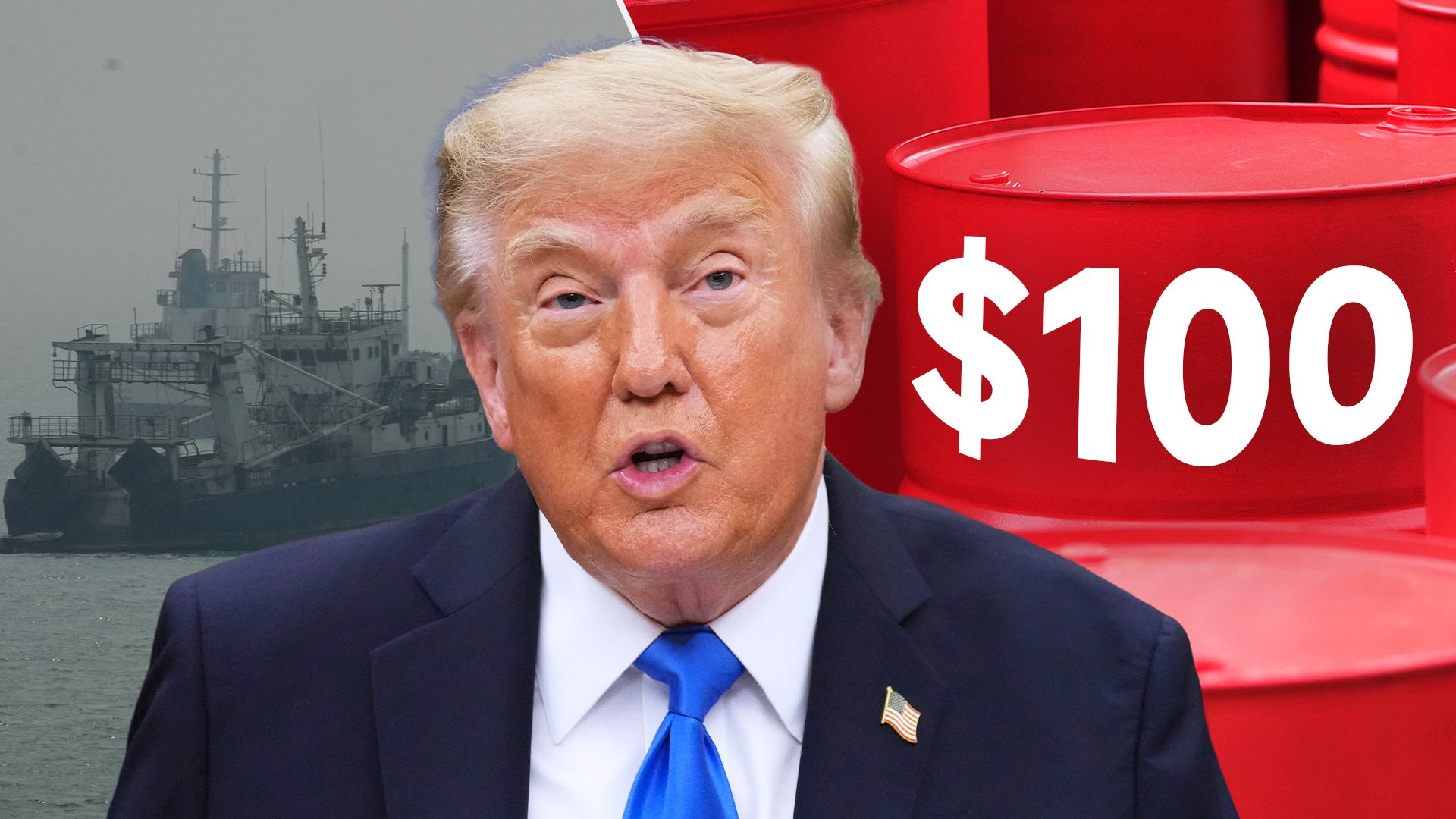
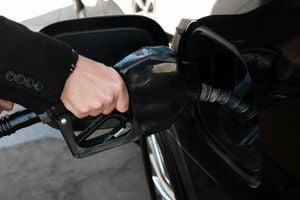
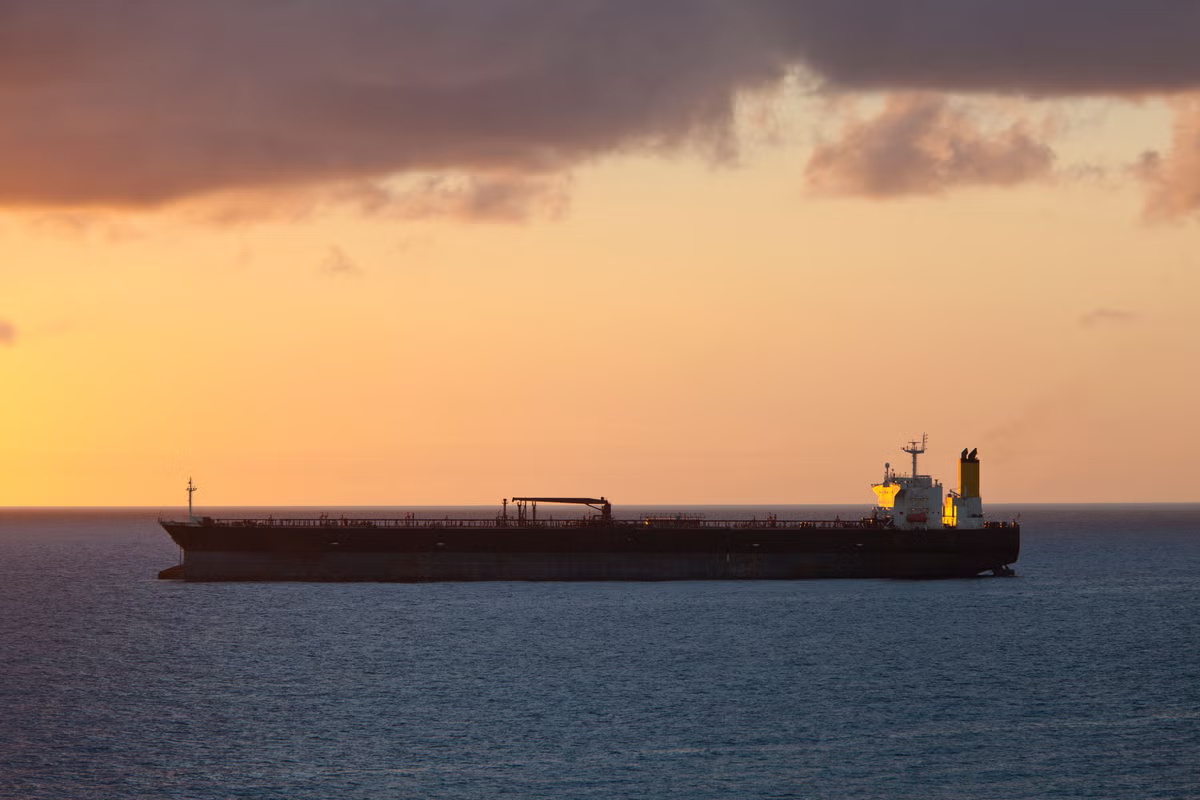
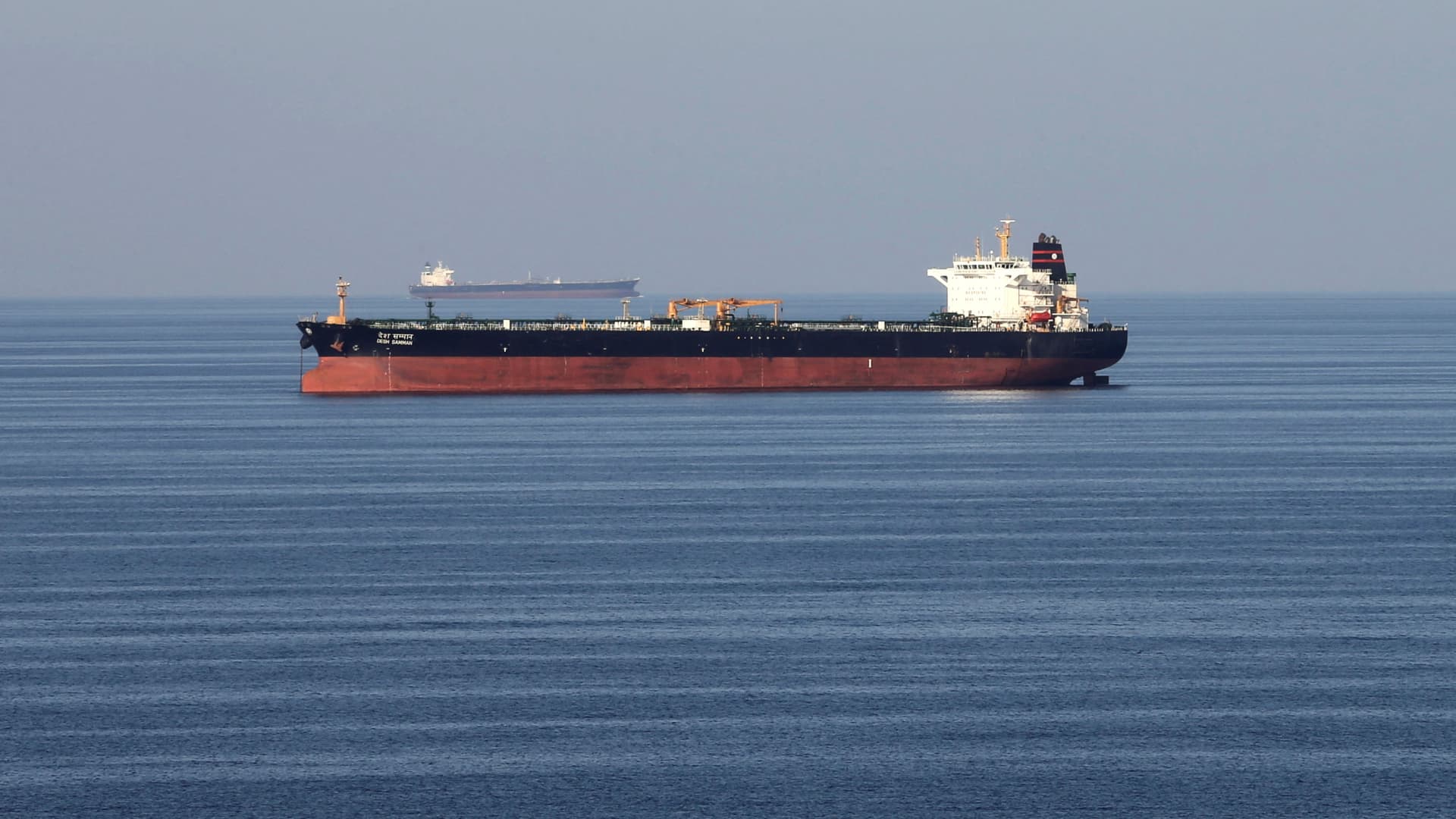
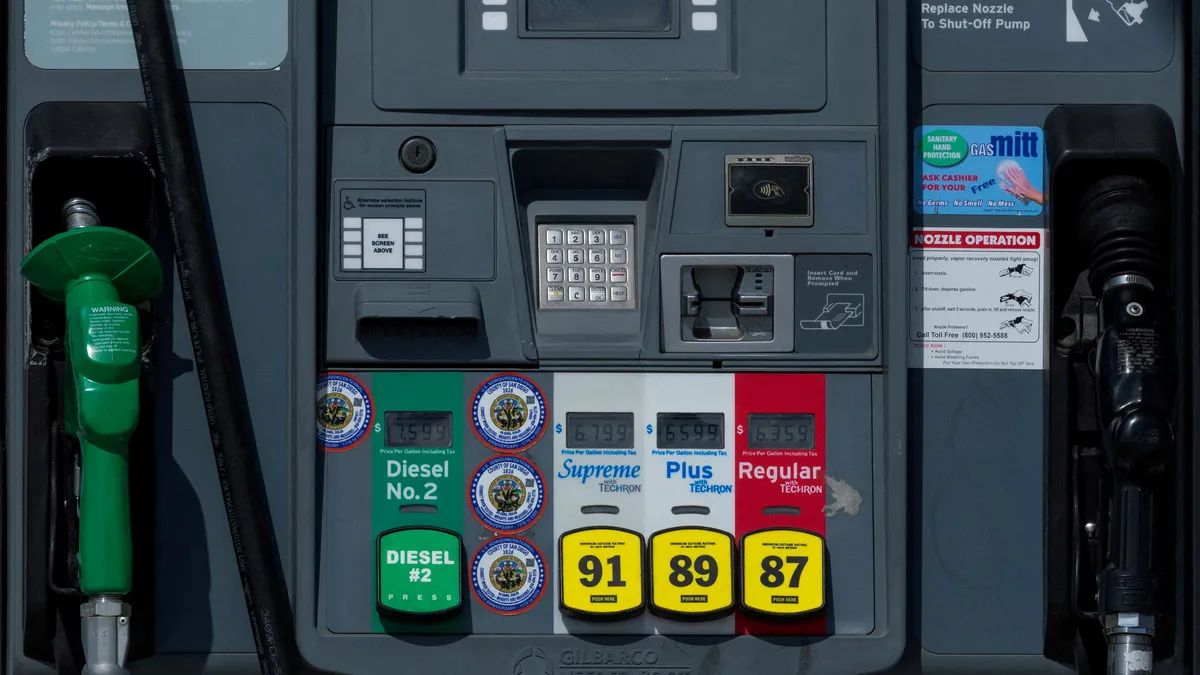
Oil prices spiked Sept. 9 the morning after officials said U.S. military forces destroyed five Iranian crude oil tankers, the latest escalation in the war between the United States and Iran.Futures for Brent crude oil, the international benchmark, reached $100 per barrel for the first time since July. Futures for November delivery of West Texas Intermediate, the U.S. benchmark, also rose Sept. 9. It was trading at around $95 per barrel. While gas prices often lag oil prices, they also ticked higher this week after reaching a record Labor Day weekend high. As of Sept. 9, the national average price of a gallon of regular gasoline is $4.22, up from $4.01 last month and from $3.19 this time last year, according to AAA.The jumps come days after average U.S. diesel prices reached record highs. On Sept. 9, diesel continued to set records, jumping to an all-time high of $5.92 per gallon, according to Patrick De Haan, head of petroleum analysis at GasBuddy. Gas prices have surged 42% since the start of the war on Feb. 28, prompting pain at the pump for some American consumers. The University of Michigan's measure of consumer sentiment and The Conference Board's measure of consumer confidence fell in August, as survey respondents cited high gas prices."With ongoing policy uncertainty including the Iran conflict, consumers anticipate further increases in gasoline prices both in the short and long run," Joanne Hsu, the university's surveys of consumers director, said in a statement.Over the weekend, Treasury Secretary Scott Bessent told Fox News that oil prices could fall to between $40 and $50 per barrel once the conflict in the Middle East ends."The oil producing nations of the gulf are actually building alternative pipeline routes that will no longer entail oil going through the Strait of Hormuz," he said. "We are in control of the strait, but to the extent that they can threaten their neighbors, once we leave, that will not exist anymore."Amid rising strikes on oil refineries in the Middle East and Russia, Goldman Sachs researchers are warning oil prices could surge to as high as $120 per barrel if attacks on shipping in the Middle East intensify.For Americans wondering when prices at the pump may fall, Samantha Dart, Goldman Sachs' co-head of global commodities research, told Bloomberg in an interview posted Sept. 8 the fact that the United States is nearing the end of peak driving season "will help.""Traditionally, the whole month of September usually shows pretty strong demand, so we kind of need to move away from that," Dart said. "We think that sequentially things can move lower on the gasoline side but not to normal levels."Reach Rachel Barber at rbarber@usatoday.com, follow her on X @rachelbarber_, and subscribe to her newsletter "Making More of Your Money" here.