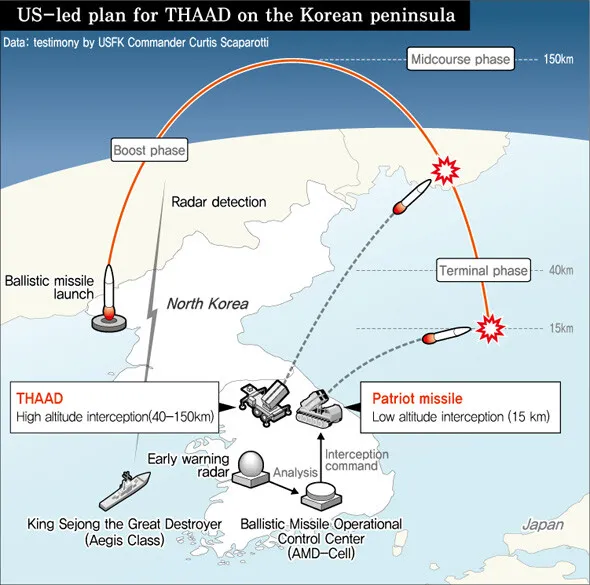
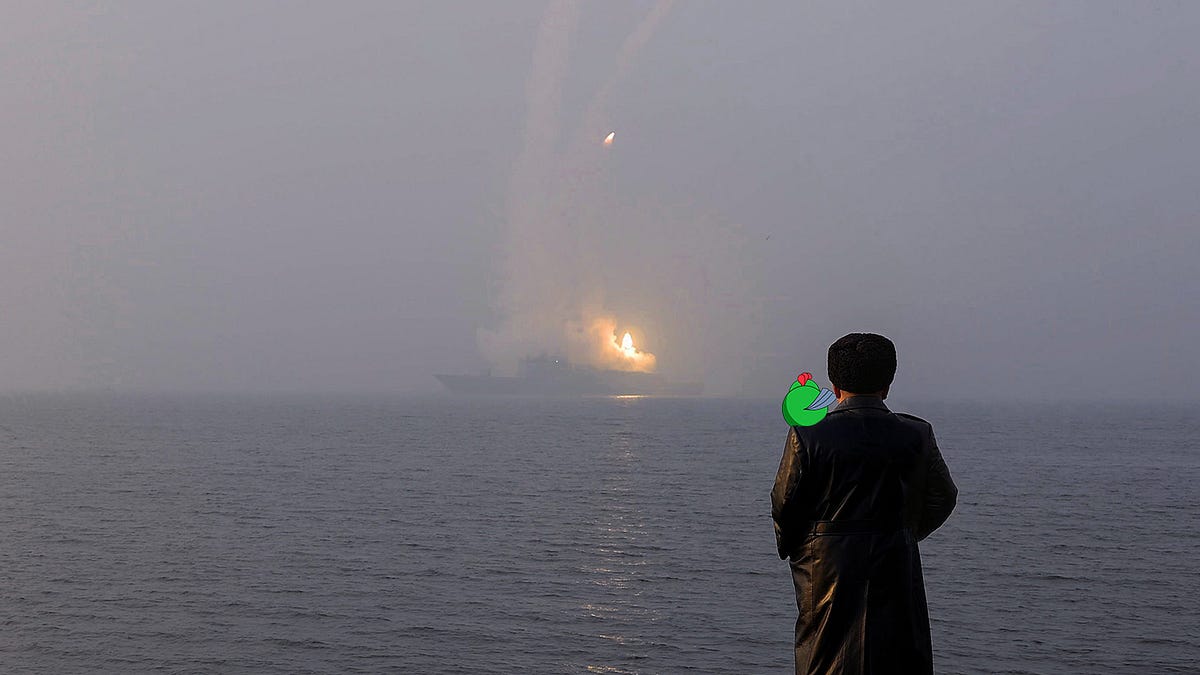
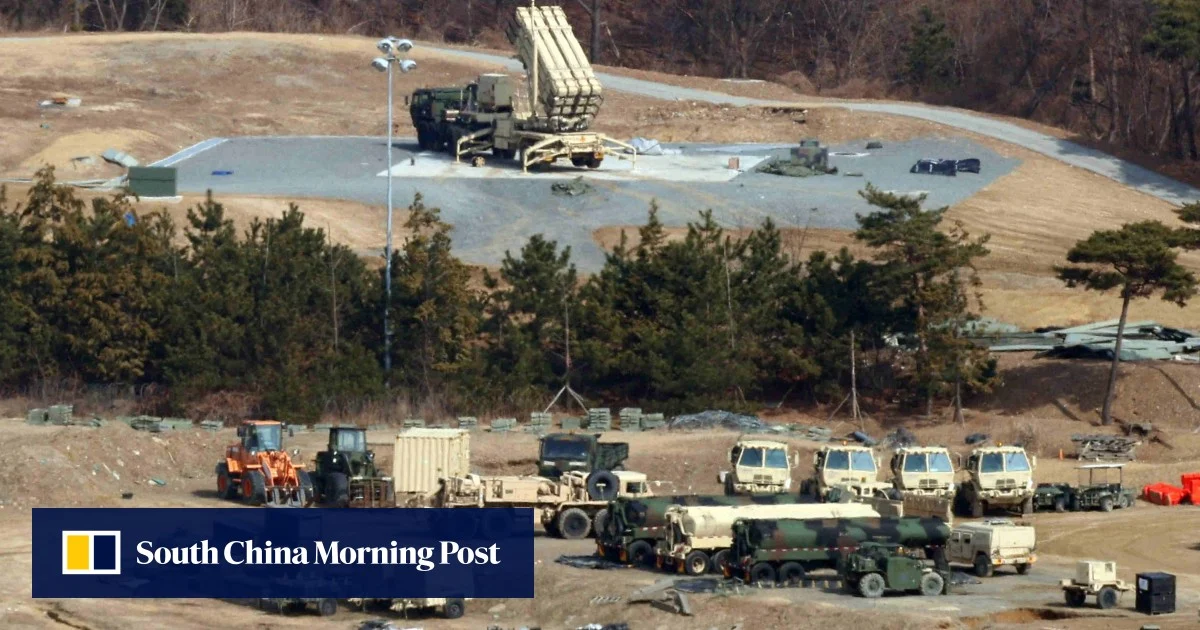
Rumors about the United States potentially deploying its Multi-Domain Task Force (MDTF) and the “Dark Eagle” hypersonic weapon to the Korean Peninsula are sparking predictable anxieties. Given the fierce economic and political backlash South Korea endured after hosting the Terminal High Altitude Area Defense (THAAD) system in 2016, it is easy to see why critics are sounding the alarm. They argue that bringing in offensive hypersonic missiles will simply turn South Korea into a pawn in the broader China-U.S. rivalry.
But focusing strictly on China’s anxieties and possible reaction misses a far more urgent reality: South Korea faces an existential, rapidly accelerating threat from North Korea’s evolving military capabilities.
War is no longer just fought on land, at sea, or in the air; it spills over into space, cyberspace, and the electromagnetic spectrum. The MDTF is built for this new reality. The task force is not just another conventional weapon to park on a base. It is a theater-level tool designed to blind an adversary’s radars, sever their communications, and seize control of the battlefield almost instantly.
The star of the MDTF is the Dark Eagle. According to the U.S. Army, this hypersonic glide vehicle boasts a range of over 3,500 kilometers (2,175 miles). What makes it genuinely disruptive is not just its speed – exceeding Mach 15 – but its unpredictability. Unlike traditional ballistic missiles that follow a standard, trackable arch, the Dark Eagle skims the upper atmosphere at altitudes of 30 to 50 kilometers. By flying this low and fast, it slips beneath the sightlines of ground-based early warning radars and easily bypasses legacy air defense systems.