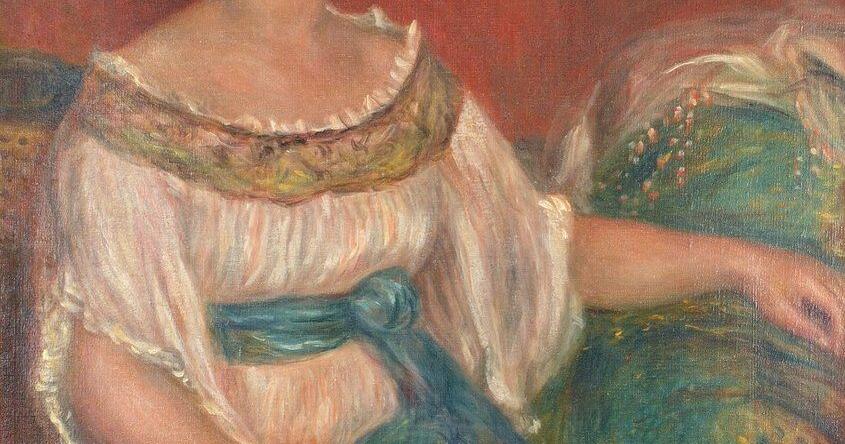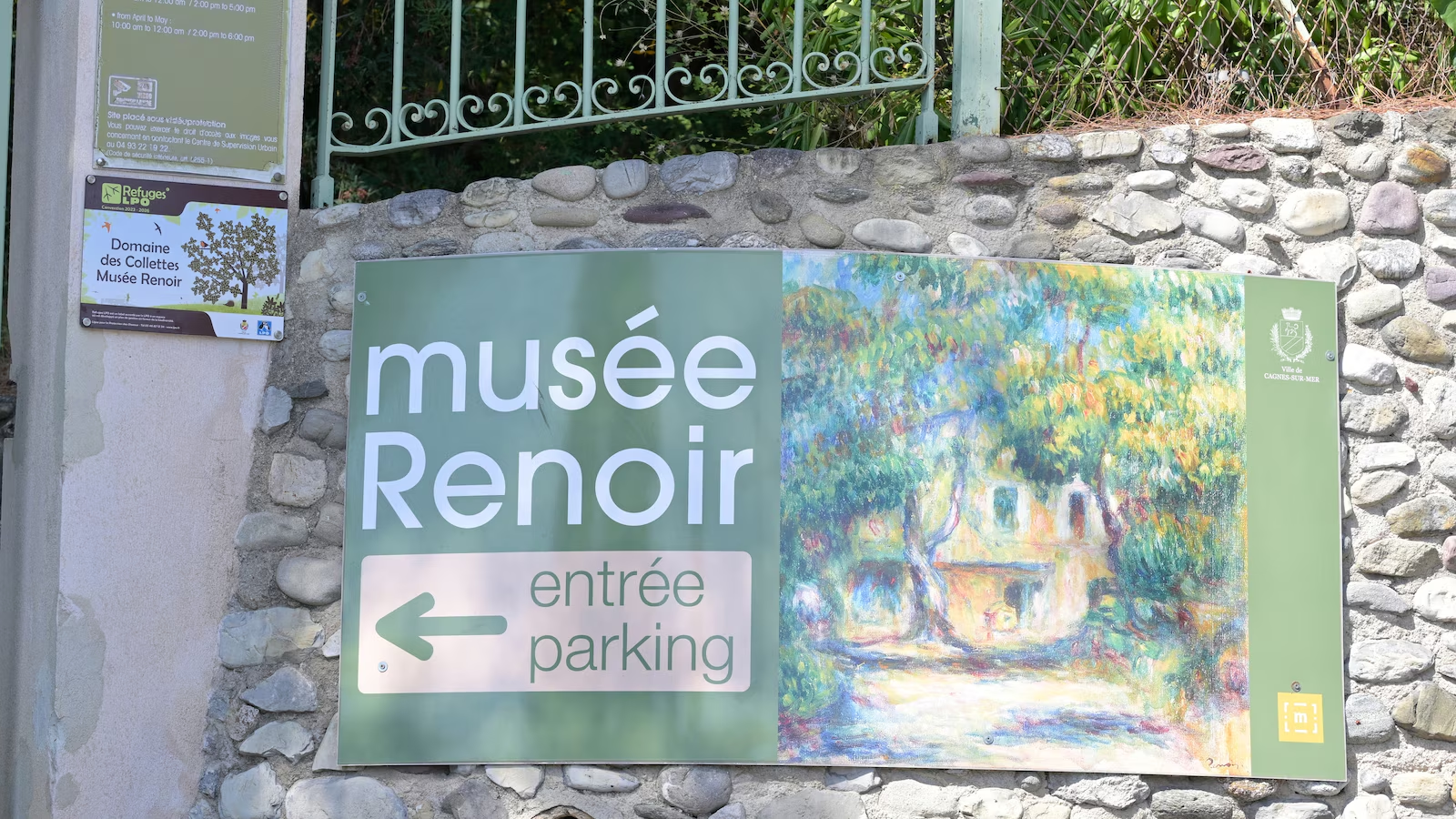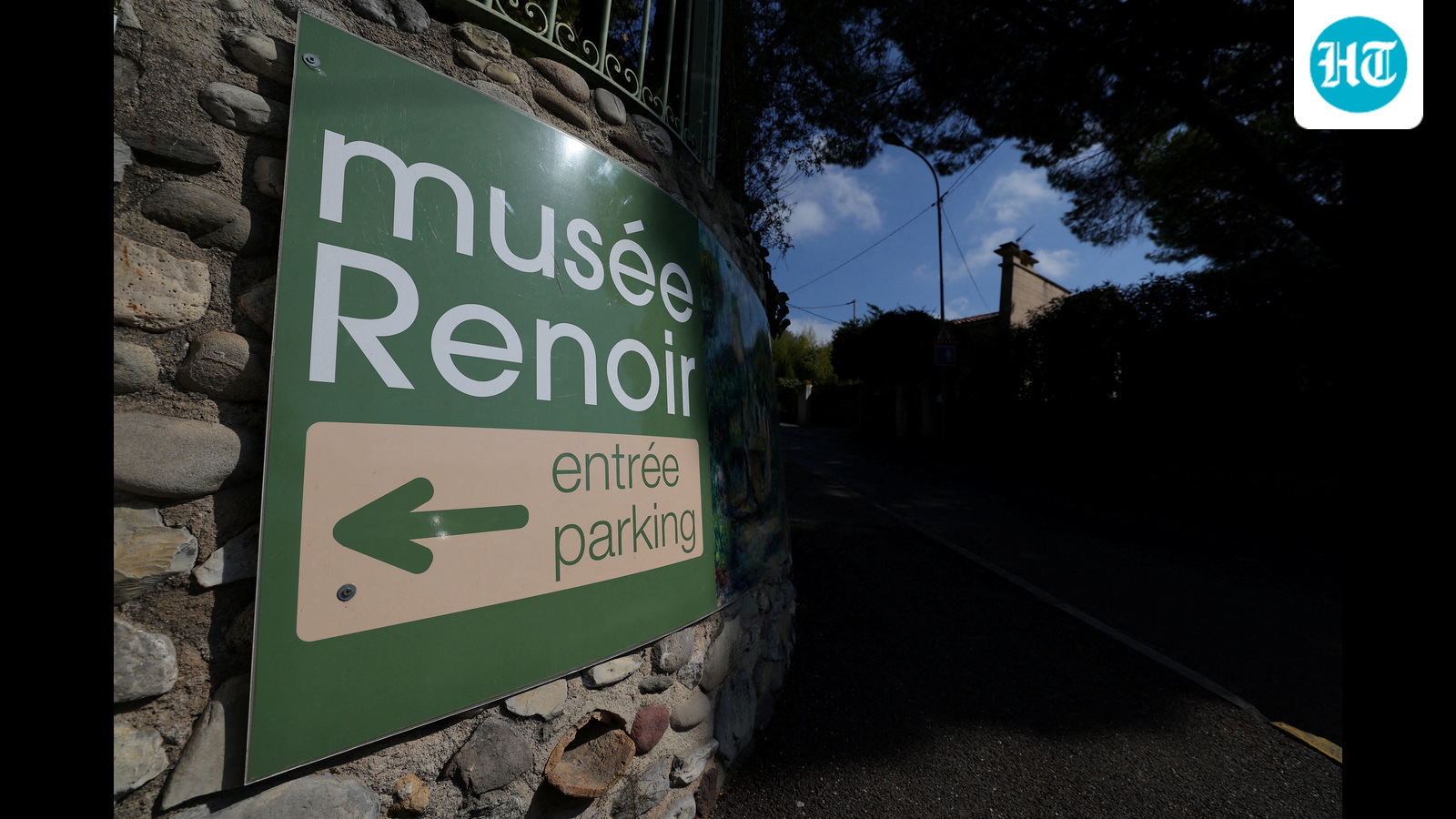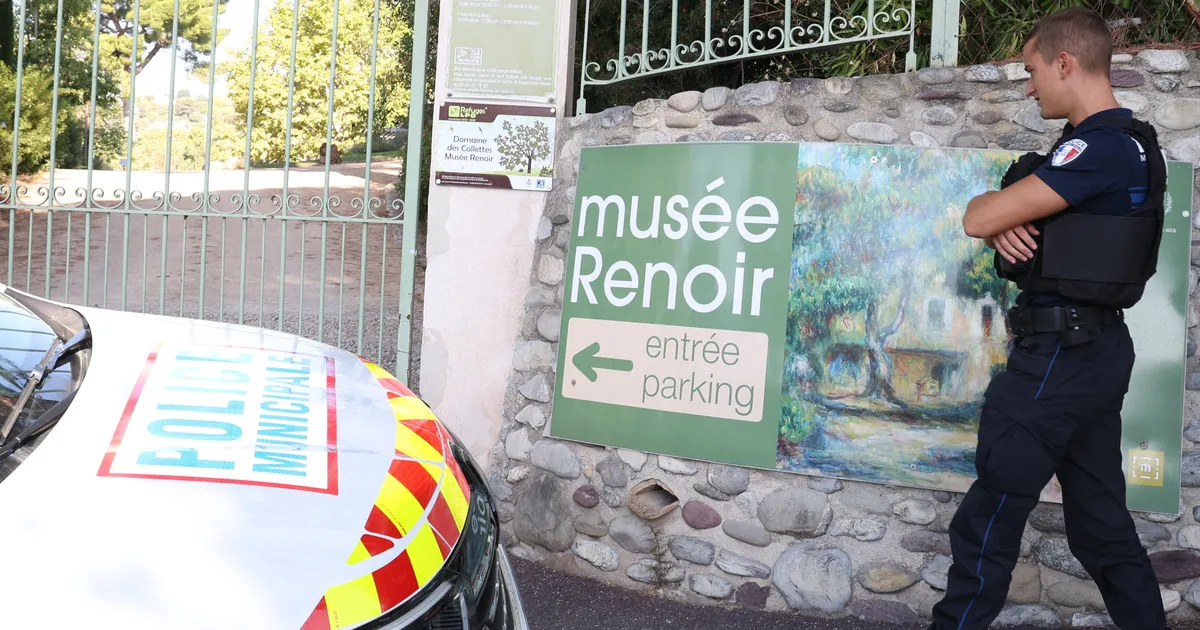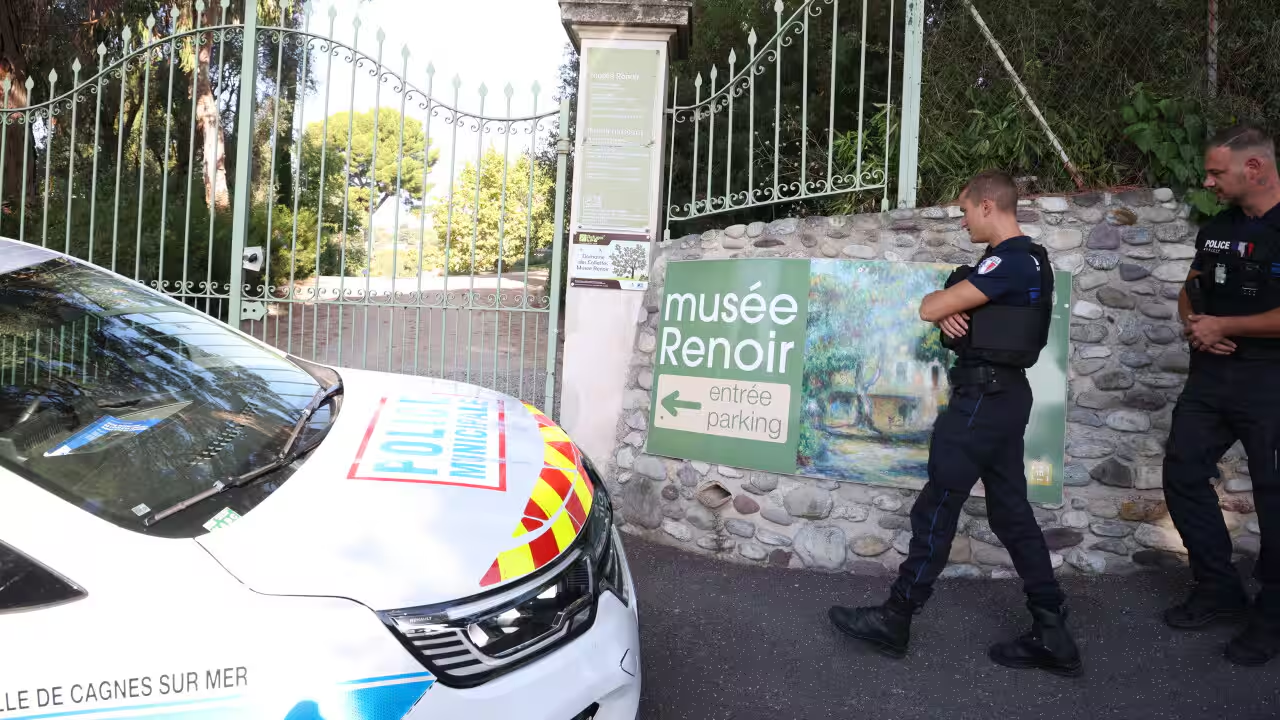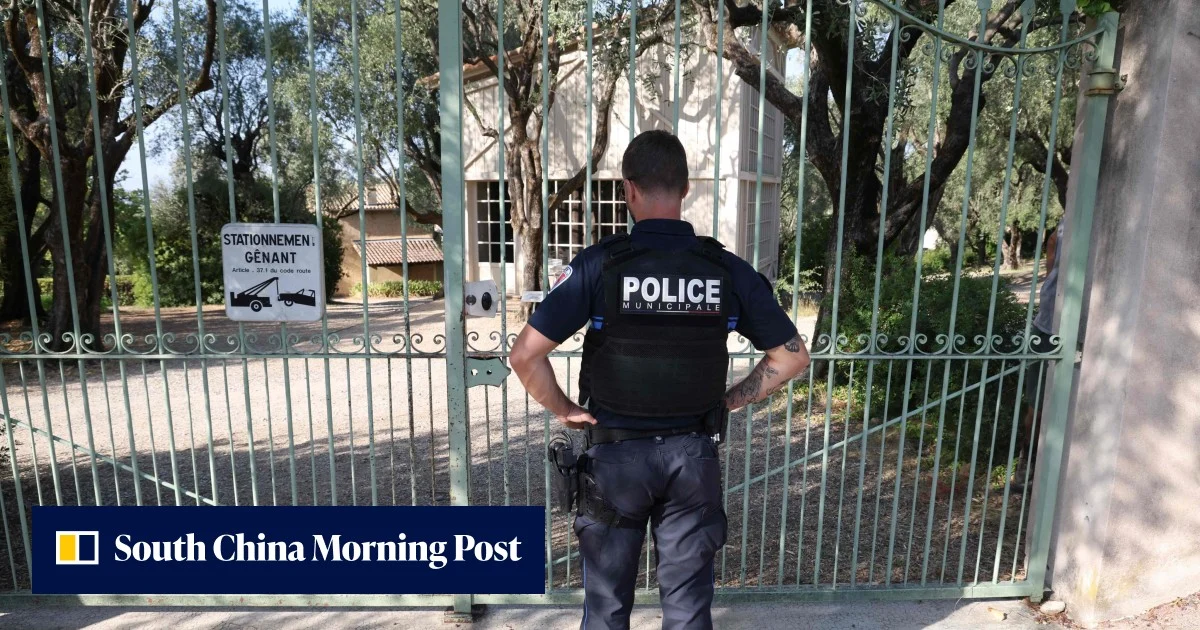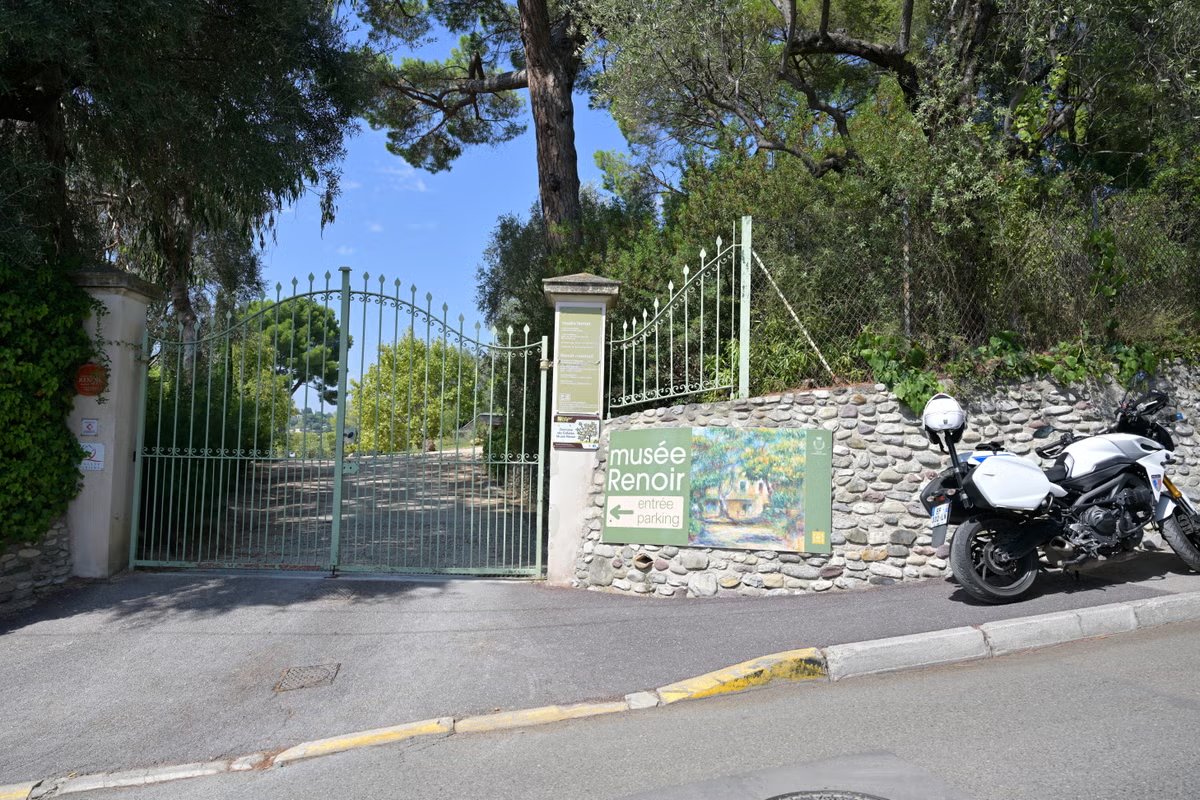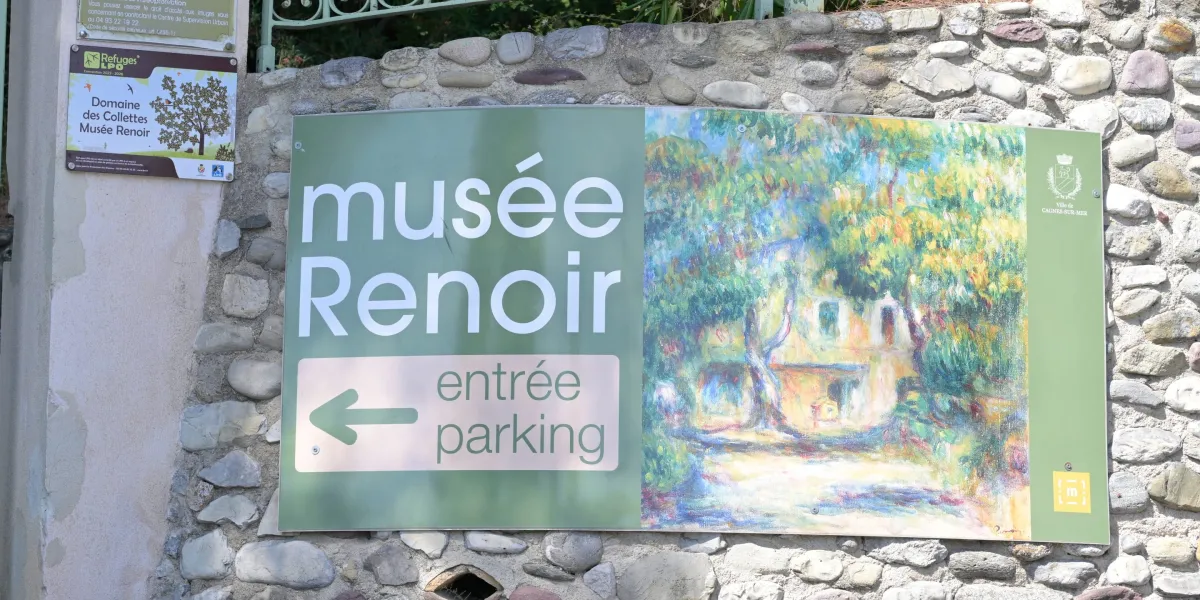
Two Renoir paintings stolen from a small French museum have yet to be recovered but if the thieves are hoping to cash in on the artwork, they would be hard-pressed to find a buyer.
Selling well-known, stolen art is impossible to do at an auction house or through other public channels without raising eyebrows. Even under the table, the value plummets. And unlike other eye-catching artifacts such as jewels, paintings can’t be chopped up and sold for parts without losing their entire worth.
Art crime experts stress that most buyers simply don’t want the liability. In short, the reality looks nothing like the movies.
“People always think that there is this kind of ‘Dr. No’ type from the James Bond movie,” said Arthur Brand, a private art detective based in the Netherlands. “But that’s Hollywood. In the real world, there are no collectors like that.”
Brand, who has investigated art crime for about 20 years, explains that often “nobody will touch” stolen art, particularly high-profile work. Sometimes that means paintings valued at millions of dollars are effectively “worth zero” once they’re outside of the museum, he added, if not a small fraction of the price.