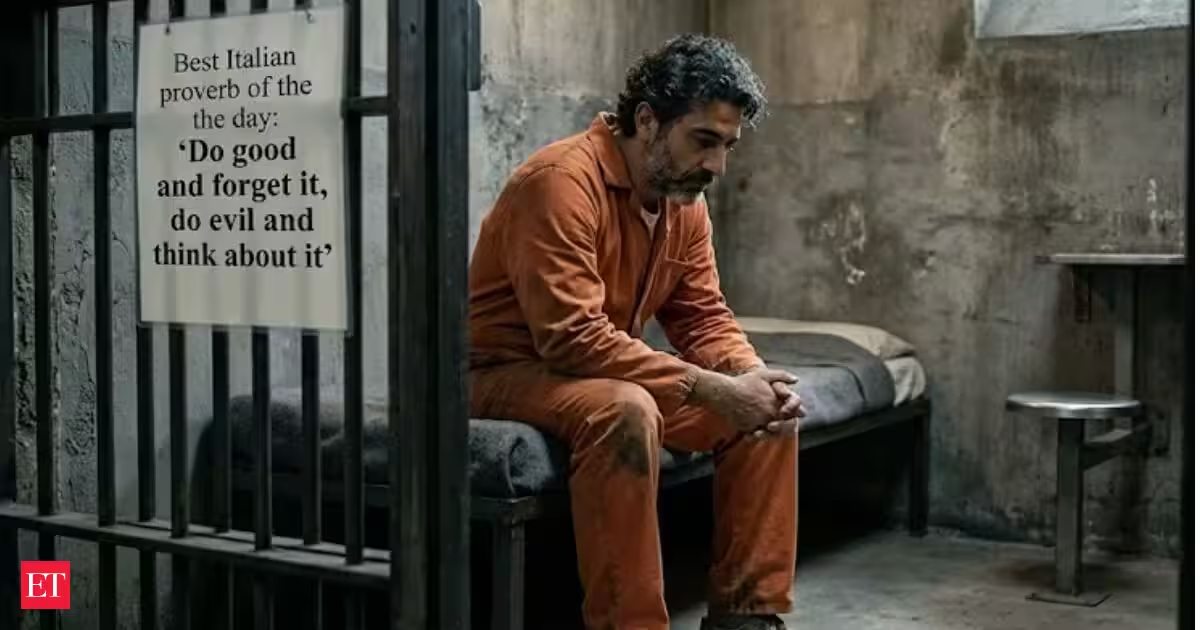
Italian proverbs are generally known for expressing practical wisdom through simple observations about human behaviour, choices and consequences. One such proverb is “Fai del bene e dimentica, fai del male e pensaci,” which translates as “Do good and forget it, do evil and think about it.” The proverb offers a clear principle for conduct: kindness should not be performed for recognition, while harmful actions deserve careful thought before they are taken.“Do good and forget it” without seeking recognitionThe first part of the proverb encourages people to do good without keeping score. A generous act can lose some of its meaning when it is performed primarily for praise, recognition or repayment.“Do good and forget it” suggests that kindness should be offered for its own value. Once a good deed has been done, the person who performed it should not remain focused on receiving appreciation or expecting something in return.The idea also shifts attention away from personal credit. Helping someone, offering support or doing something beneficial can be worthwhile even when nobody notices.“Do evil and think about it” before actingThe second half delivers a contrasting instruction. “Do evil and think about it” places responsibility on a person to consider the consequences of an action that could cause harm.The proverb does not treat harmful behaviour as something to approach casually. Instead, it calls for reflection before acting, encouraging people to pause and consider what their choices could mean for others and for themselves.This creates a deliberate contrast between the two halves. Good deeds should not become transactions, while harmful actions should never be undertaken without thought.Why “do good and forget it” is a powerful principleThe proverb's first lesson is closely connected to the idea of doing the right thing without expecting recognition. When good actions become dependent on praise, their value can become tied to how others respond.“Do good and forget it” offers a different approach. It suggests that the satisfaction of having acted well can be enough, without constantly revisiting the deed or waiting for someone to acknowledge it.This can also encourage consistency. A person who does good without expecting a reward is less likely to measure every act of kindness against what they might receive in return.How “do evil and think about it” encourages restraintThe second principle introduces a form of moral caution. Before taking an action that could hurt someone, reflection can create an opportunity to reconsider the decision.“Do evil and think about it” therefore emphasises responsibility for one's choices. It reminds people that actions can have consequences and that a moment of consideration may prevent an avoidable harmful act.The proverb's strength comes from this balance. It does not ask people to overthink every good deed, but it does encourage greater care when the potential outcome is damaging.“Do good and forget it, do evil and think about it” as a life lessonTogether, the two parts offer a straightforward philosophy of behaviour. Give freely when doing good, but slow down when considering an action that could cause harm.“Do good and forget it, do evil and think about it” ultimately places the emphasis on intention and responsibility. It encourages generosity without expectation and caution without impulsiveness, offering a simple reminder that how people treat others can reveal the values guiding their choices.
Best Italian proverb of the day: ‘Do good and forget it, do evil and think about it’ A life lesson on actions and consequences
Italian Proverb of the Day: “Fai del bene e dimentica, fai del male e pensaci” means “Do good and forget it, do evil and think about it.” This Italian proverb encourages people to perform good deeds without seeking recognition while considering the consequences of harmful actions. Its message highlights generosity, personal responsibility and the importance of reflecting before causing harm.
540 words~2 min read