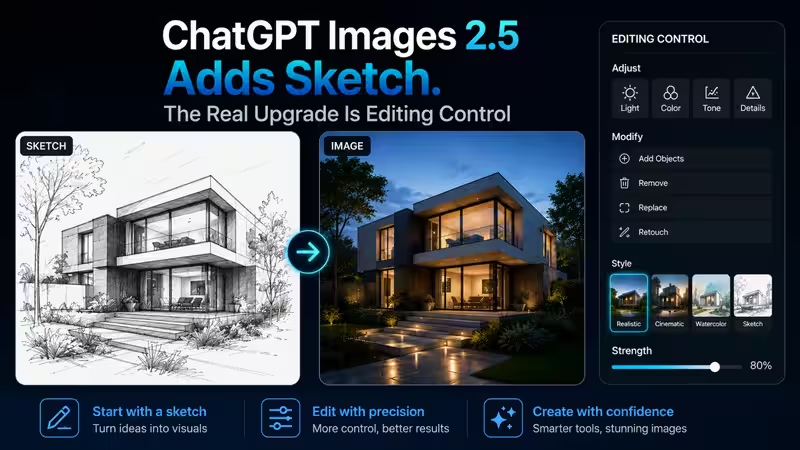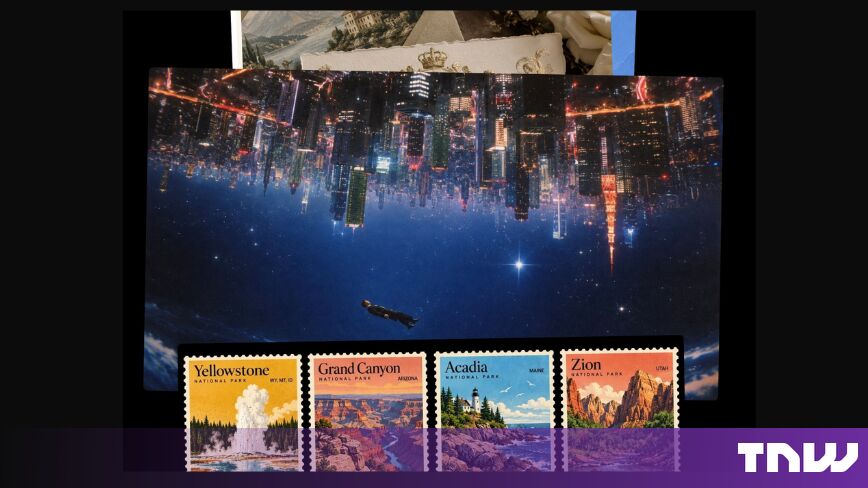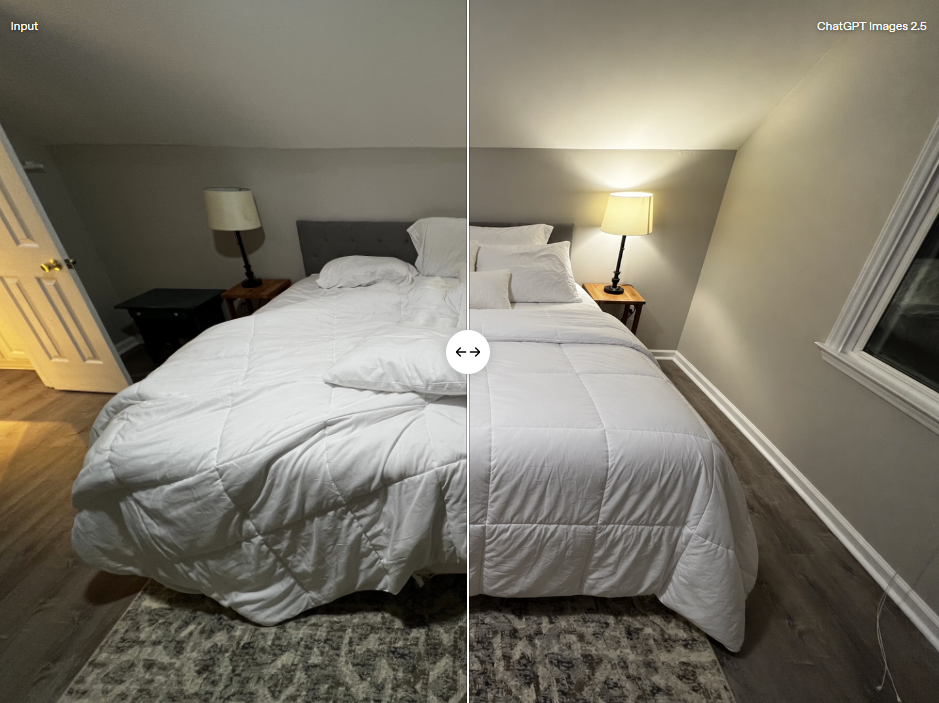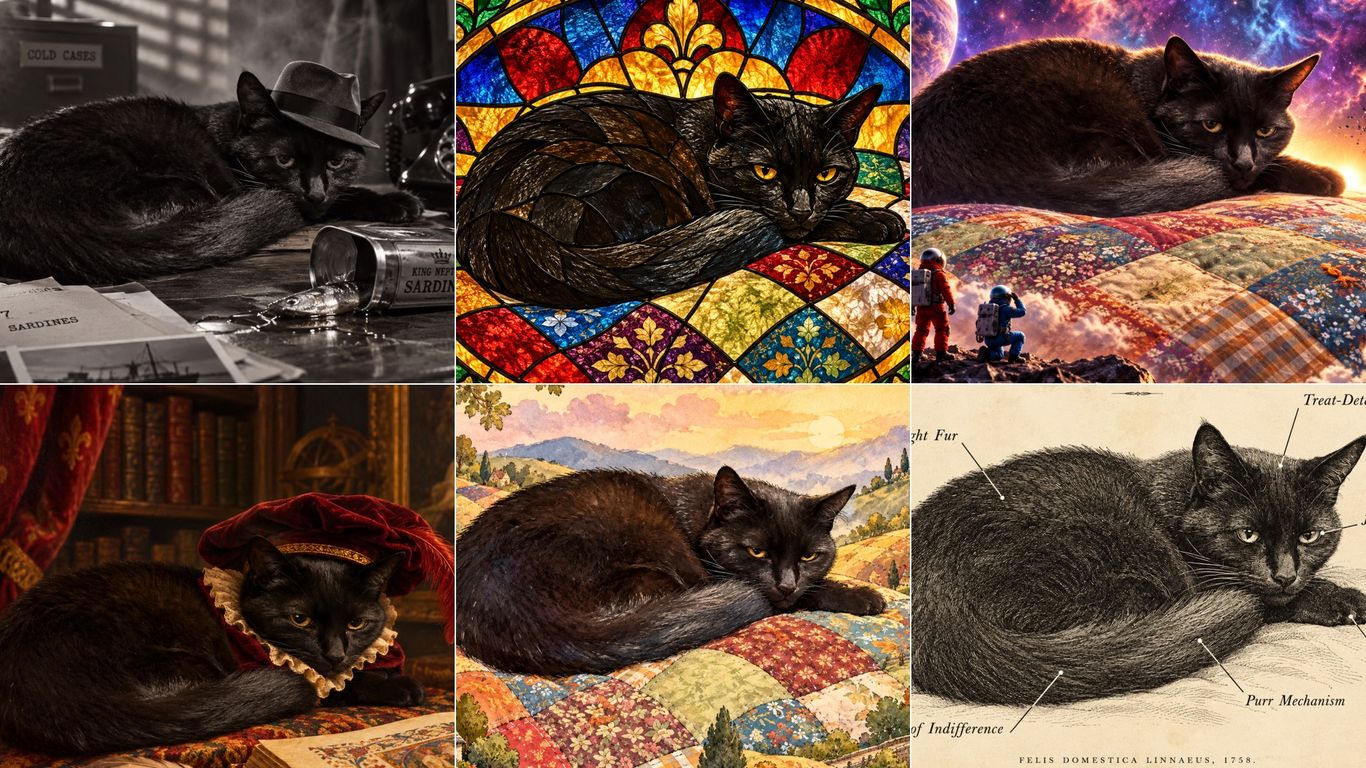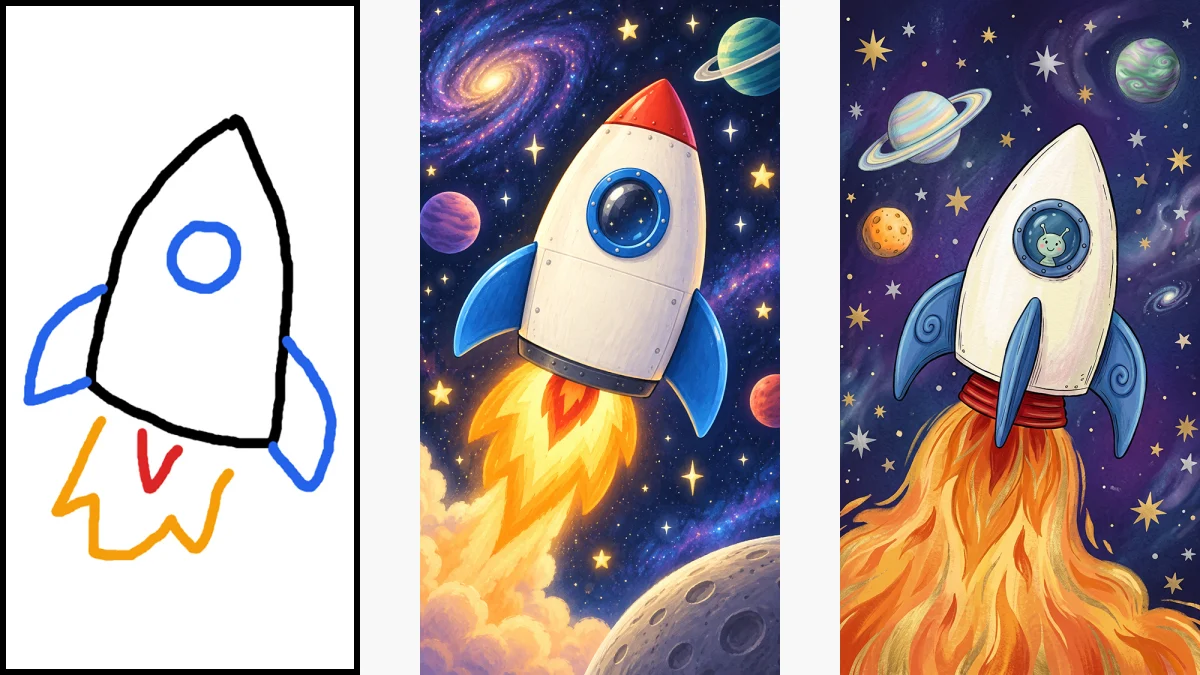
The models are meant to preserve subjects from reference photos better and follow editing instructions more reliably across multiple rounds. According to OpenAI, the faster variant cuts image generation latency by up to 50 percent compared to Images 2.0.
Two new models built for different jobs
For developers, OpenAI brings both models to the API. GPT-Image-2.5 Flare is the default pick for most uses, with higher image quality than GPT-Image-2 at 50 percent lower latency. The stronger model, GPT-Image-2.5 Sunburst, targets more demanding visual work with tighter control over edits, and it needs longer generation times to deliver.
Both models use the same token rates. That's eight dollars per one million image input tokens and 30 dollars per one million output tokens. But since token use varies by model and quality tier, the same rates don't mean the same cost per image. New in Images 2.5 are the "xhigh" and "max" quality tiers, which go beyond the previous ceiling of "high."
A 1024x1024 image at the "low" tier costs about 0.006 dollars, same as the predecessor, while "high" runs about 0.053 dollars, and the new "max" tier lands at roughly 0.21 dollars with around 7,024 output tokens. That puts the "max" tier of Images 2.5 at the same price as the "high" tier of GPT-Image-2. Unlike the predecessor, Images 2.5 has no cheaper batch rate so far. In early tests, though, Sunburst usually costs more per image than Flare despite identical token prices, probably because of longer reasoning runs. And unlike last time, OpenAI gives no average price-per-image figure.