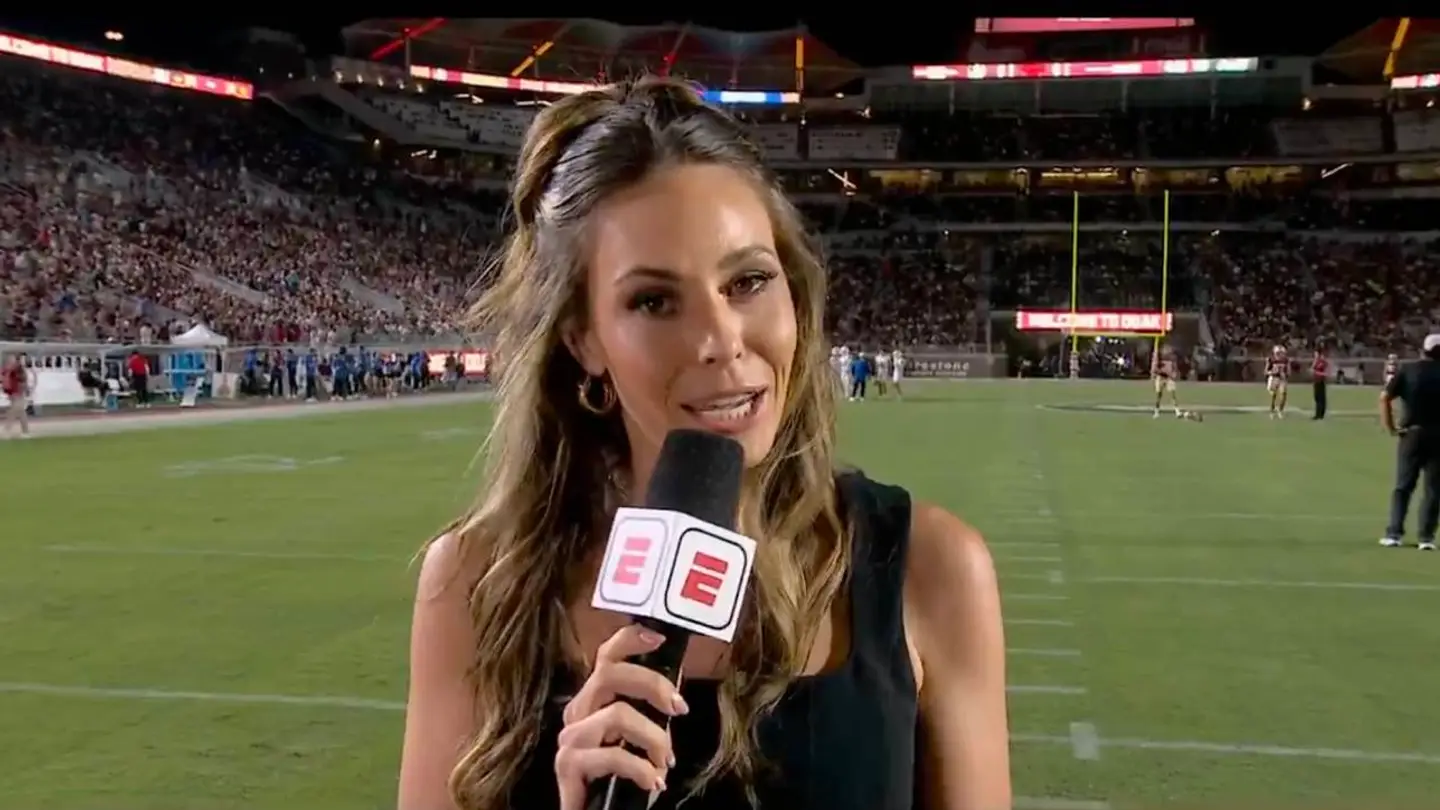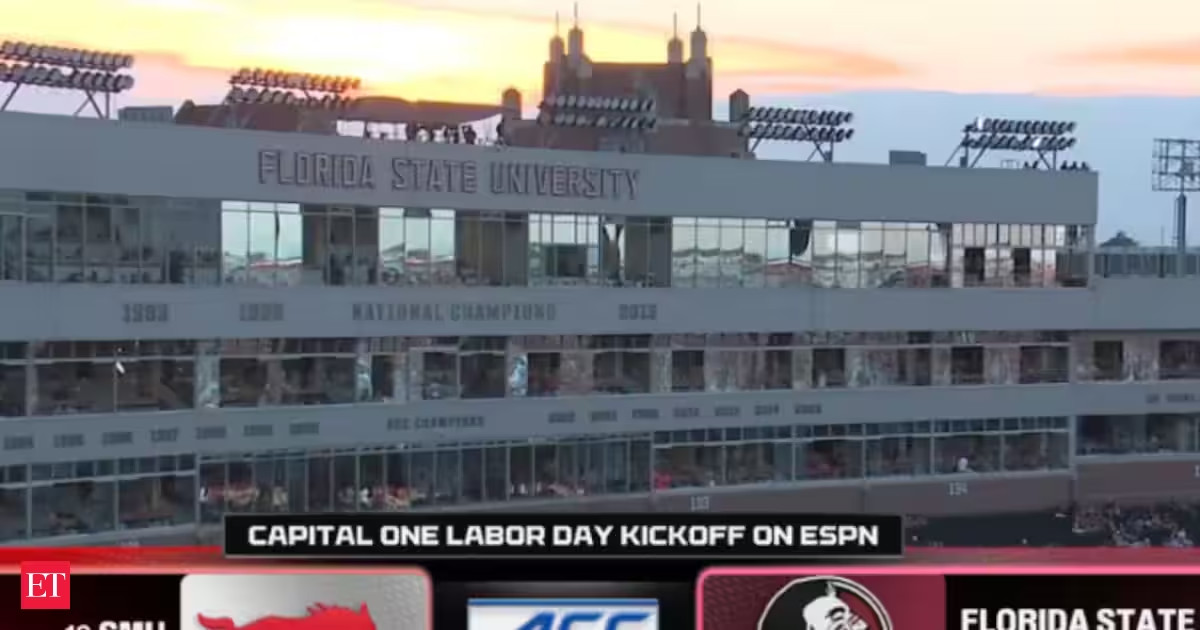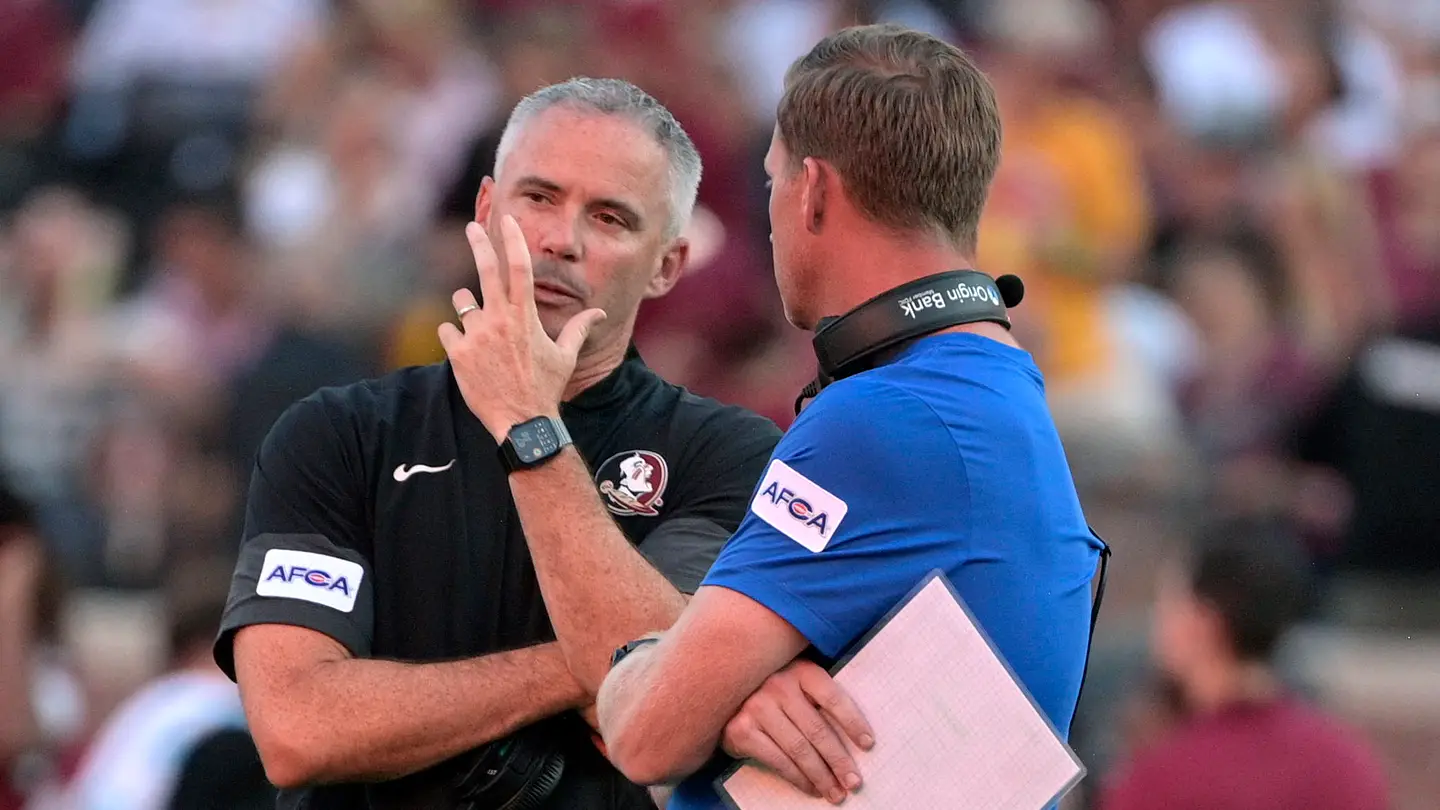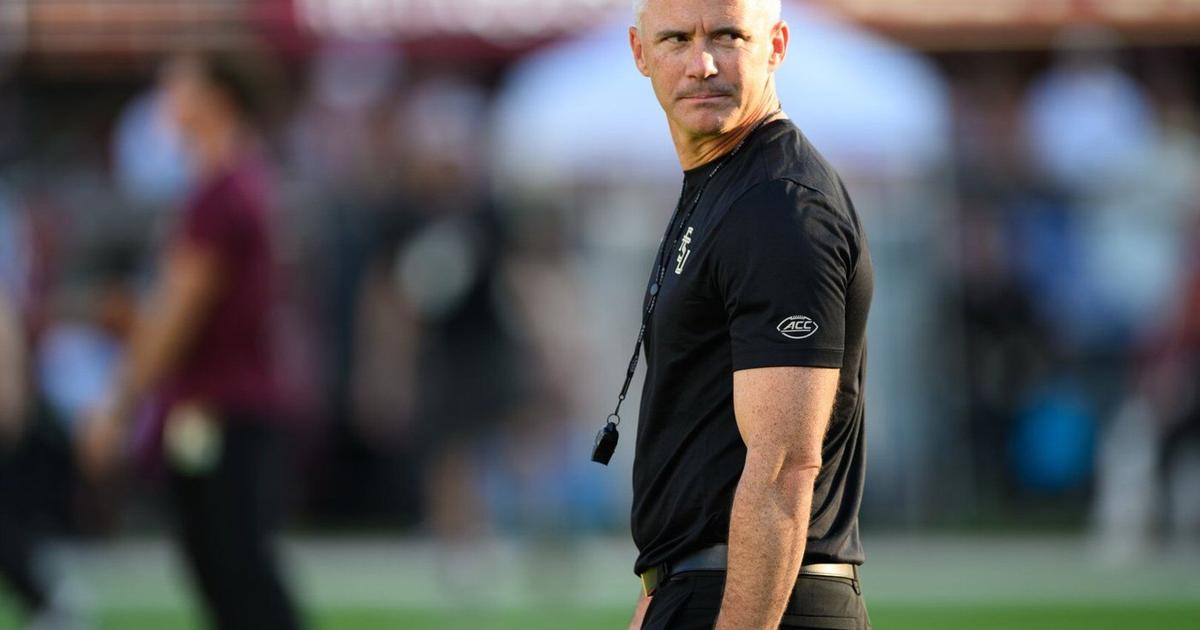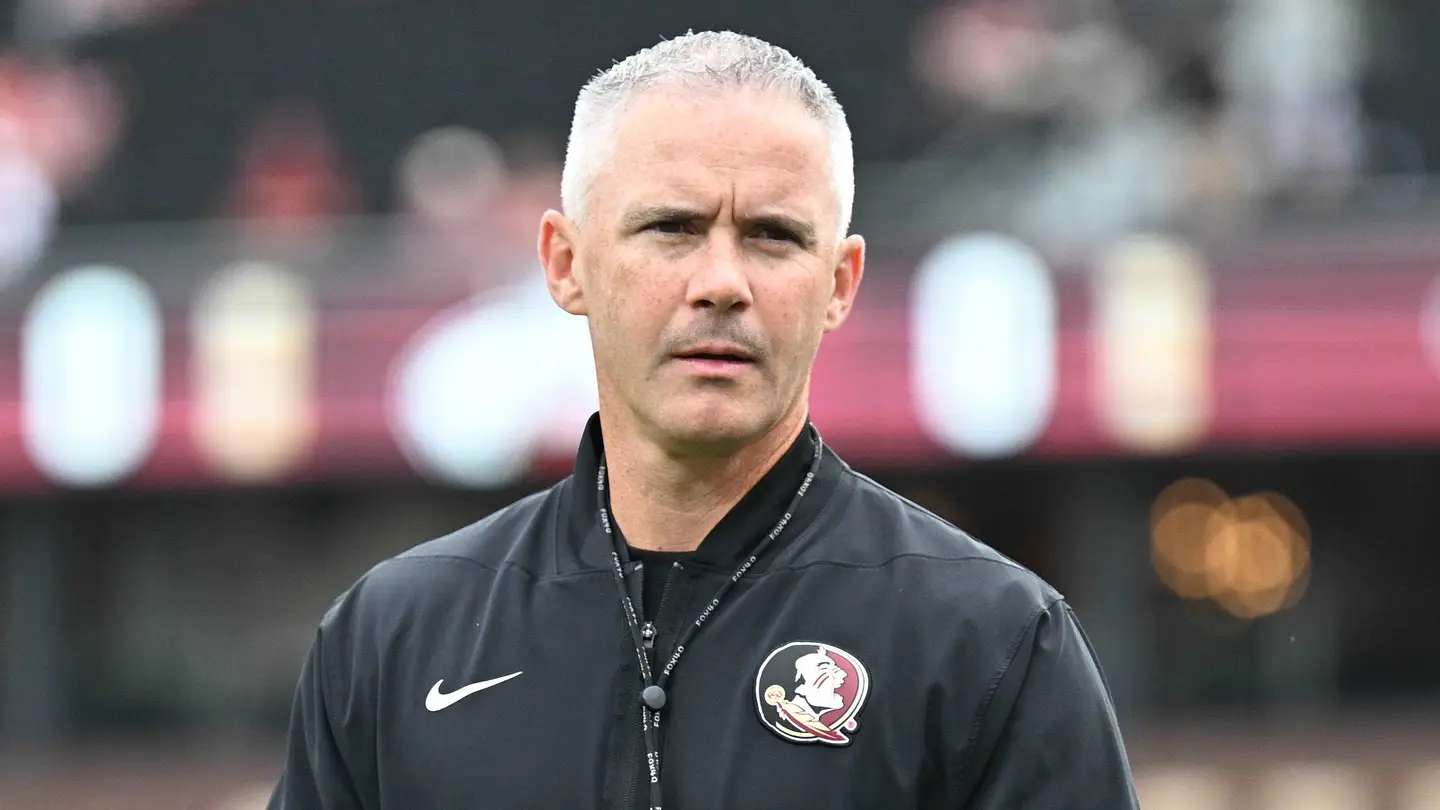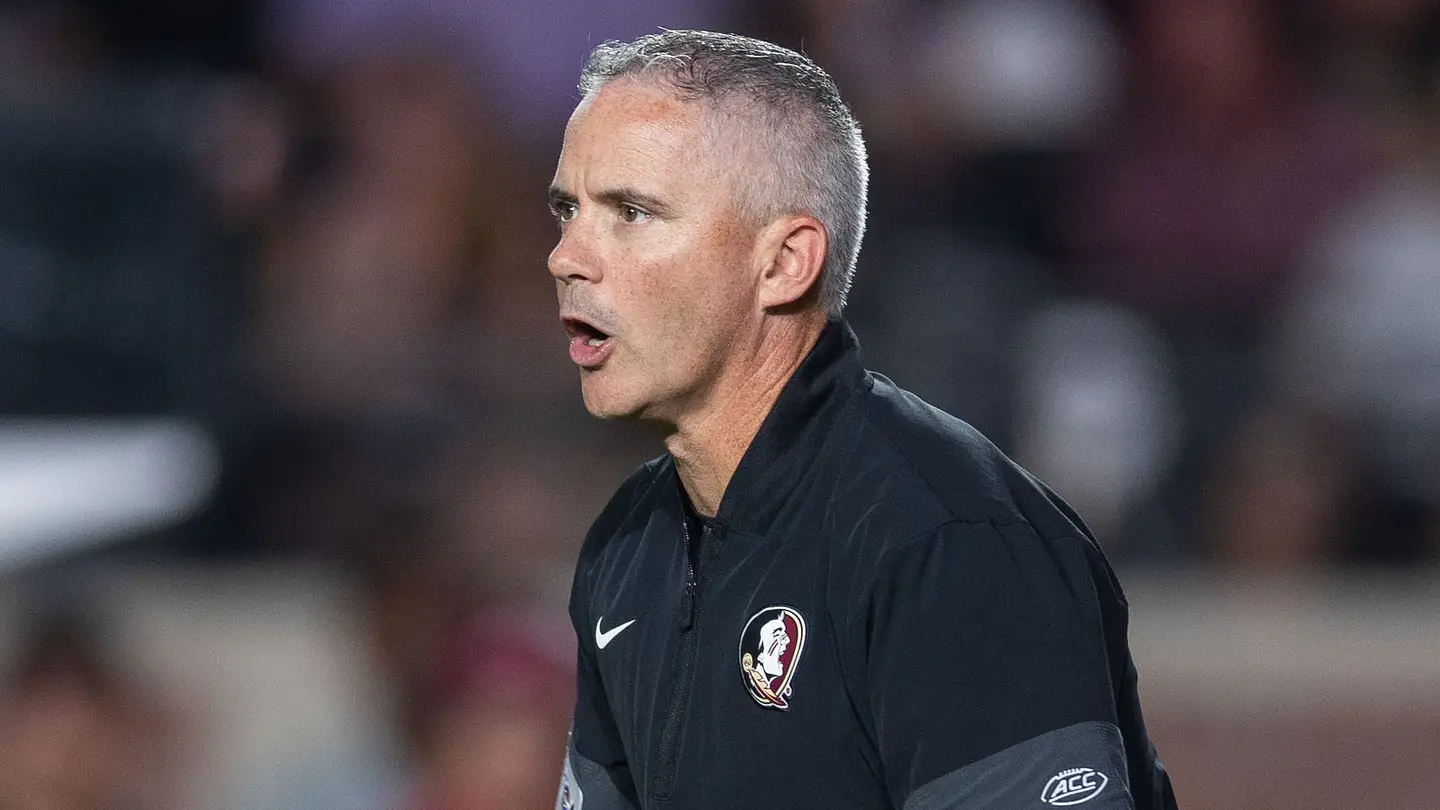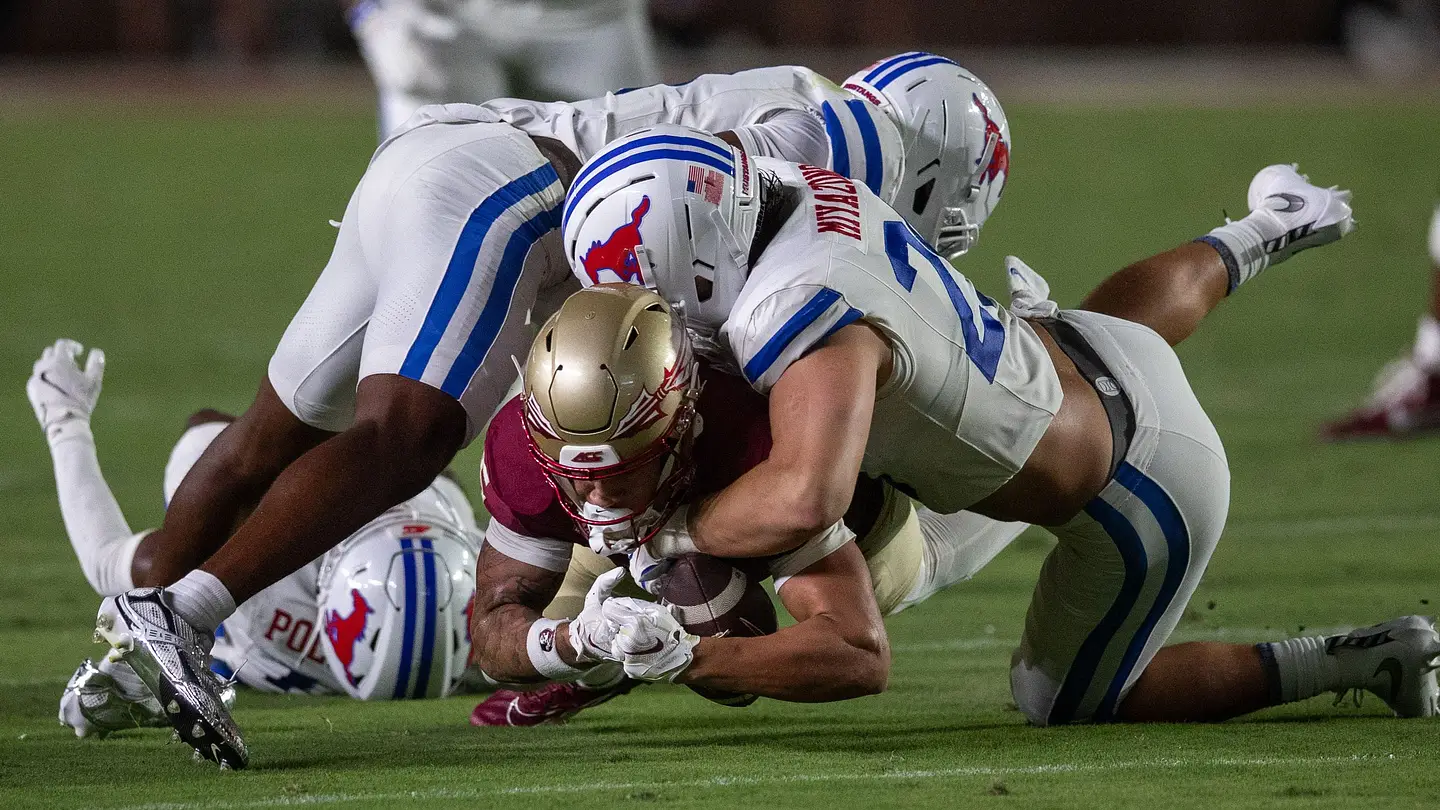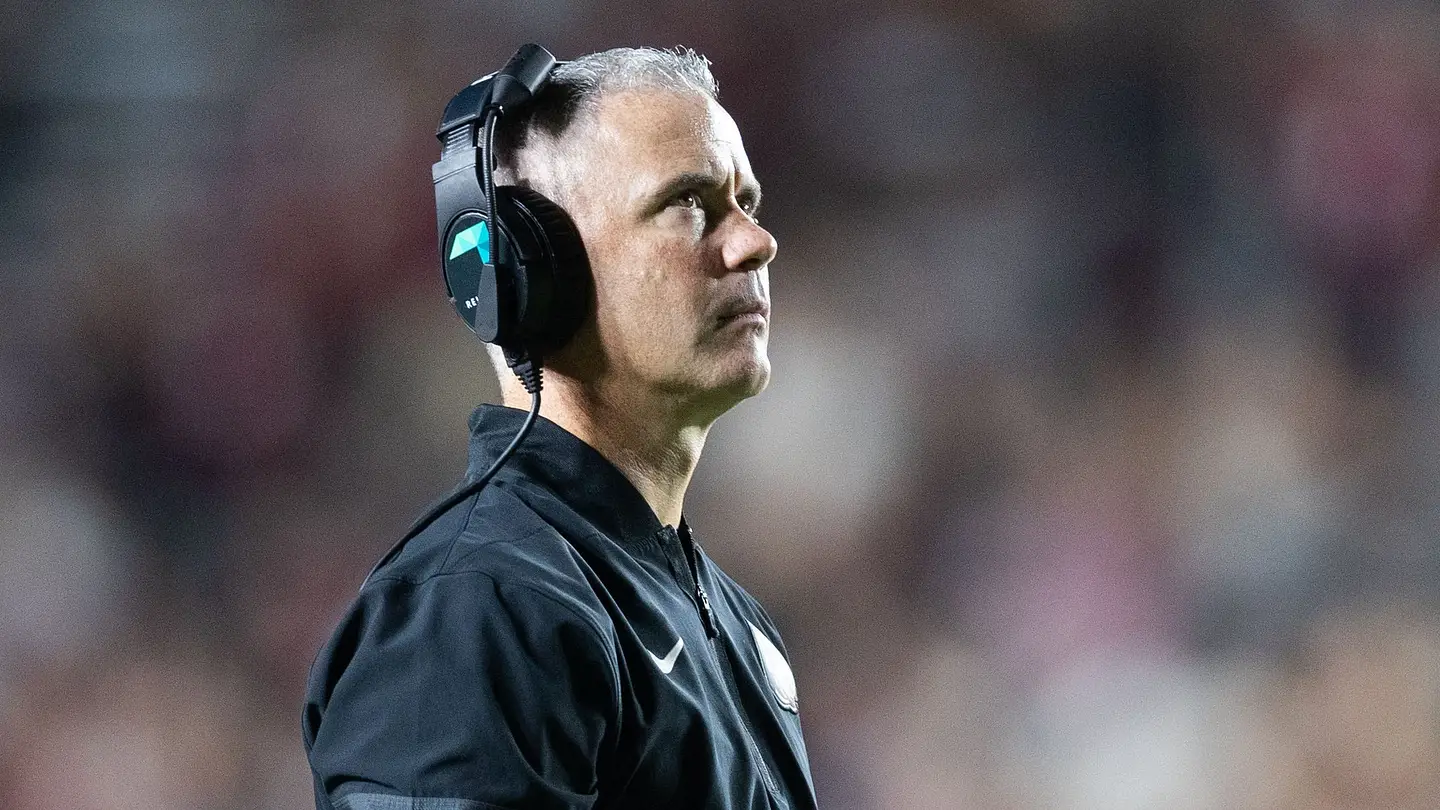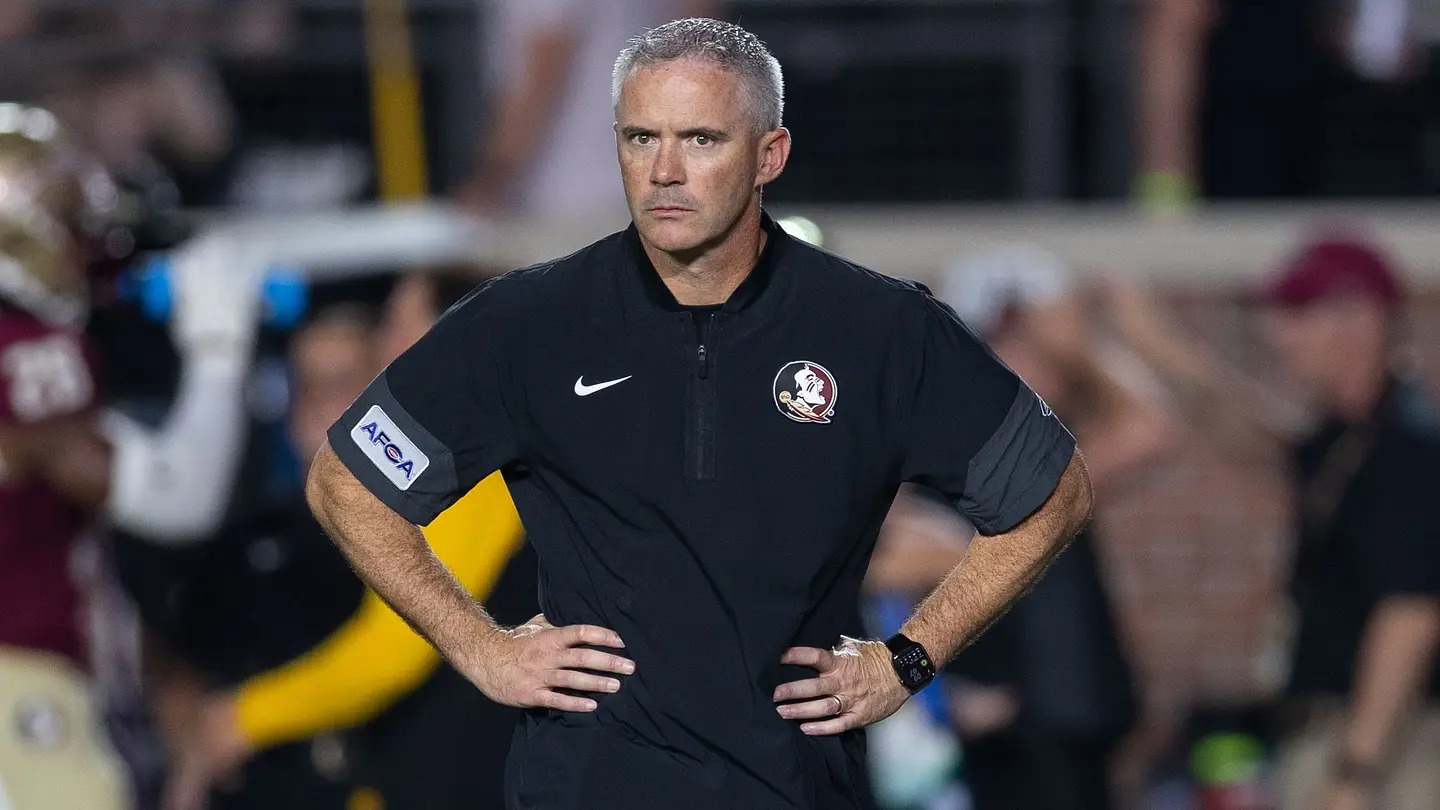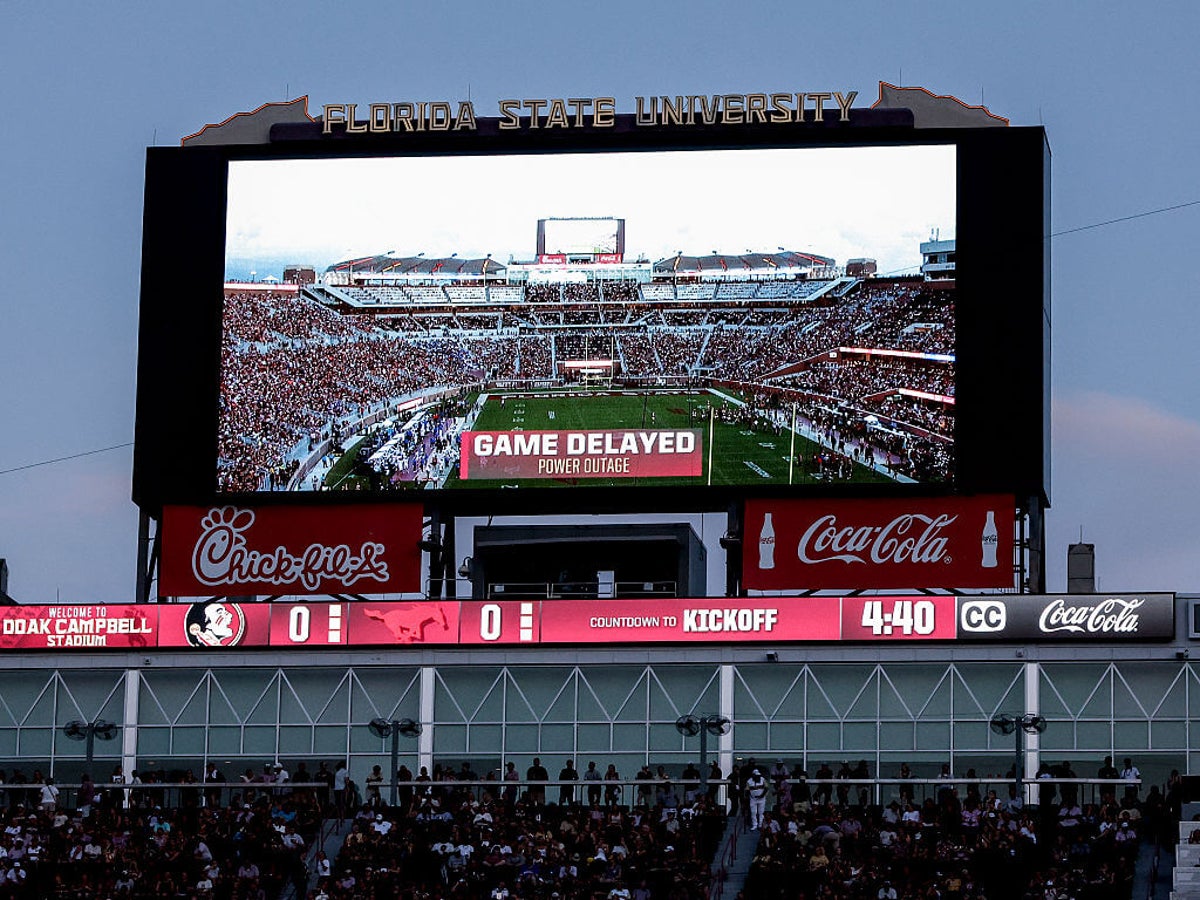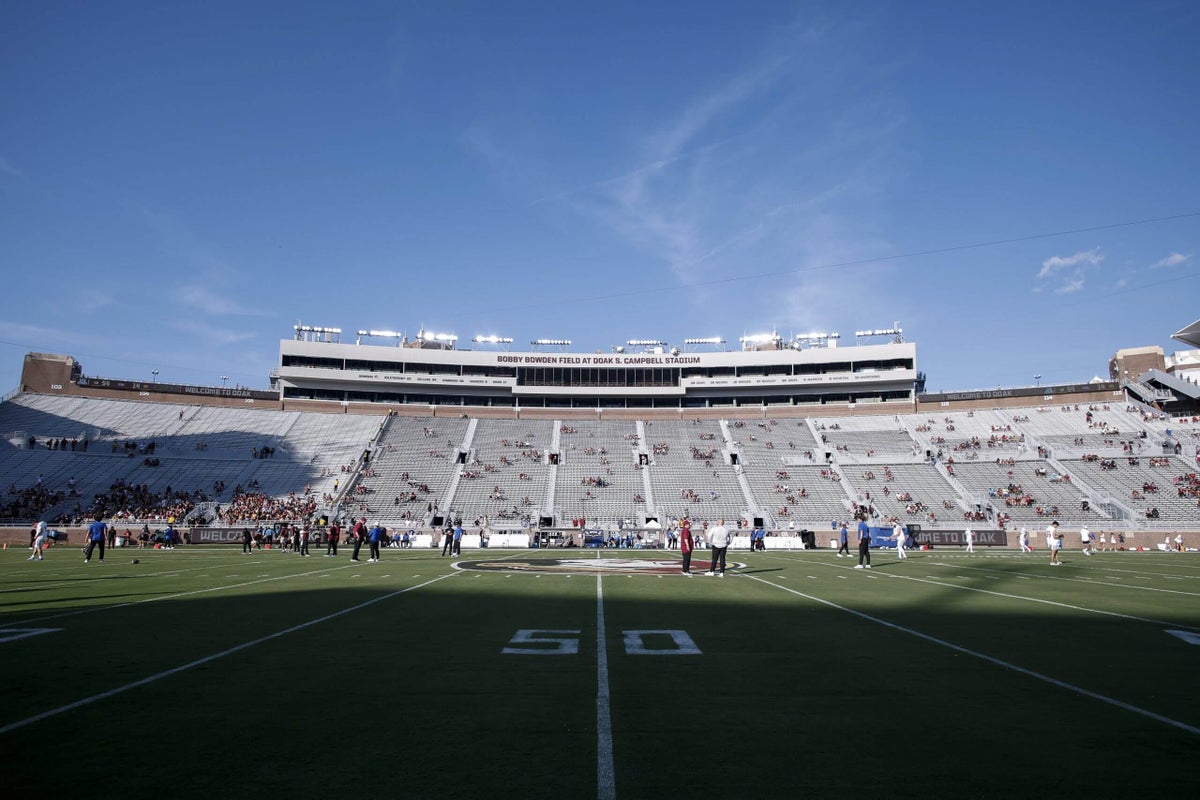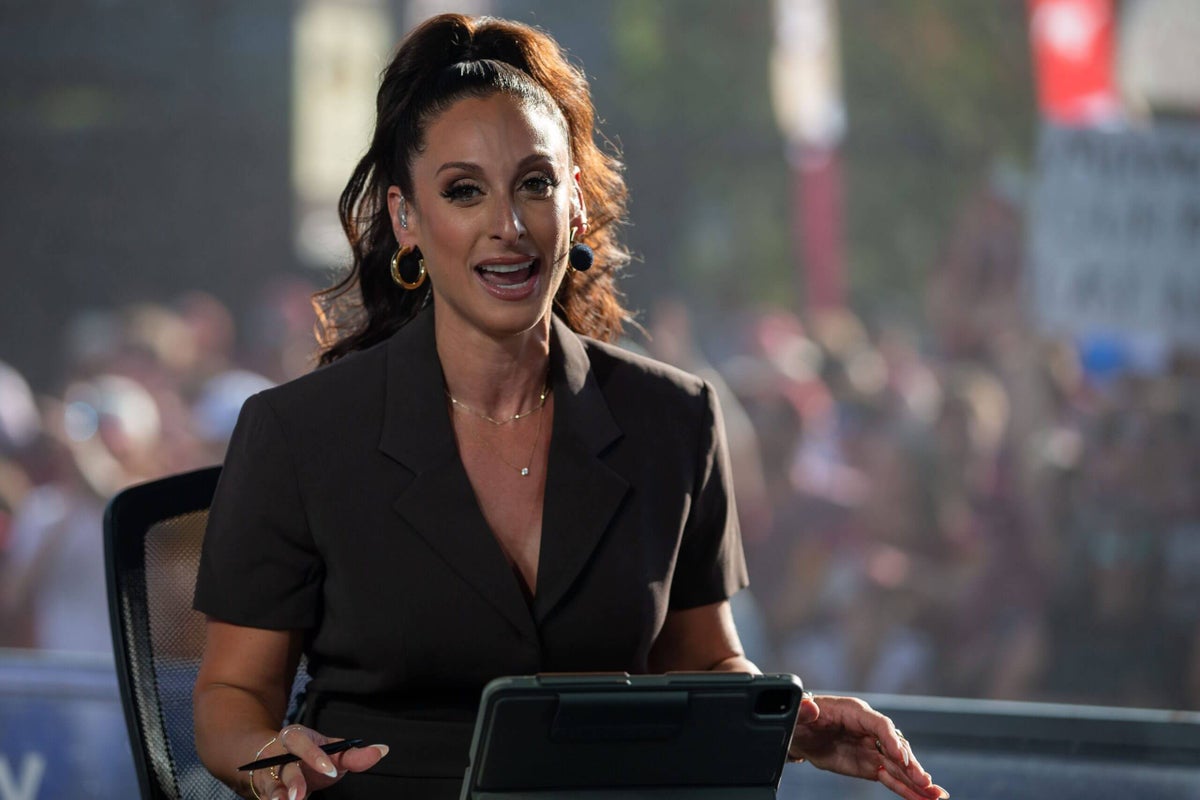
Dave Pasch made it five or six seconds into the sentence before the booth blinked out.He had just begun introducing Mike Norvell, Florida State’s embattled coach, emerging from the tunnel at Doak Campbell Stadium when the monitors in front of him flickered black and the booth around him was swallowed by darkness.The field below him remained brightly lit and perfectly visible, almost tauntingly normal. Everything Pasch needed to turn it into a television broadcast was rendered completely inert. He couldn’t see the shot viewers were seeing, nor the video he was supposed to narrate. And as he kept speaking into the microphone, another question crept in: Was anybody on the other end able to hear this?A few hundred feet away, inside ESPN’s production truck, producer Bill Palladino could still hear Pasch’s voice. For the next three pages, Palladino became Pasch’s eyes, feeding him the video package through his headset. Pasch followed along on paper and talked over pictures he couldn’t see.Power outage delays Florida State-SMU game by two hoursDavid Ubben“I was just going completely blind at that point,” Pasch said. “We did all of our open, just, flying by the seat of our pants.”It was 7:29 p.m., and Monday night in Tallahassee, Fla., had arrived everywhere except on television screens. The stadium thundered on beneath the lights while, inside booths and trucks, the people responsible for sending it all across the nation were abruptly working half-blind, half-connected and entirely on instinct.Host Taylor Tannebaum’s night was supposed to be winding down. Behind her, workers had already begun dismantling the “ACC Huddle” set, carrying away pieces of the 30-minute pregame show while she stood near the opposite end zone taking a few last pictures on her phone. She lowered it, looked at what she had captured and stopped. Something was off.“It’s eerily quiet,” Tannebaum said. “The pictures felt really dark, and that moment I looked up and saw the lights weren’t on. And I knew, in my gut, something wasn’t right.“It was too quiet to be one minute away from kickoff of a football game.”Her boss instructed everyone to put headsets back on. A few minutes of fill stretched into an hour and 40 minutes of live television, the crew improvising with no promise of a game being played at all.“We had absolutely no idea,” Tannebaum said, “this was by far the most unpredictable, uncharacteristic situation you could possibly be put in.”Inside the production truck, Palladino watched the problem mutate. The question shifted from how to get a game on screens to how to make television of the fact the football had vanished.The truck itself was an illuminated island, its separate power source keeping ESPN on air. Palladino remembered looking up at one point and seeing what seemed like only “three or four of the 1,000 lights” still burning inside Doak.“There’s no playbook for a power outage inside the stadium,” he said.Florida State fans hold their phones in the air with flashlights on after a power outage during the game against SMU caused a delay. (USA Today Network via Reuters Connect)The broadcast then changed species. Football became the backdrop and the blackout became the story. Sideline reporter Taylor McGregor — stationed amid what everyone wanted to understand — became the country’s eyes and ears.
How ESPN, SMU radio scrambled to broadcast in a dark FSU stadium: ‘Going completely blind’
"My inner reporter and journalist is like, 'Let’s freaking go!’" ESPN's Taylor McGregor said.
1,404 words~6 min read