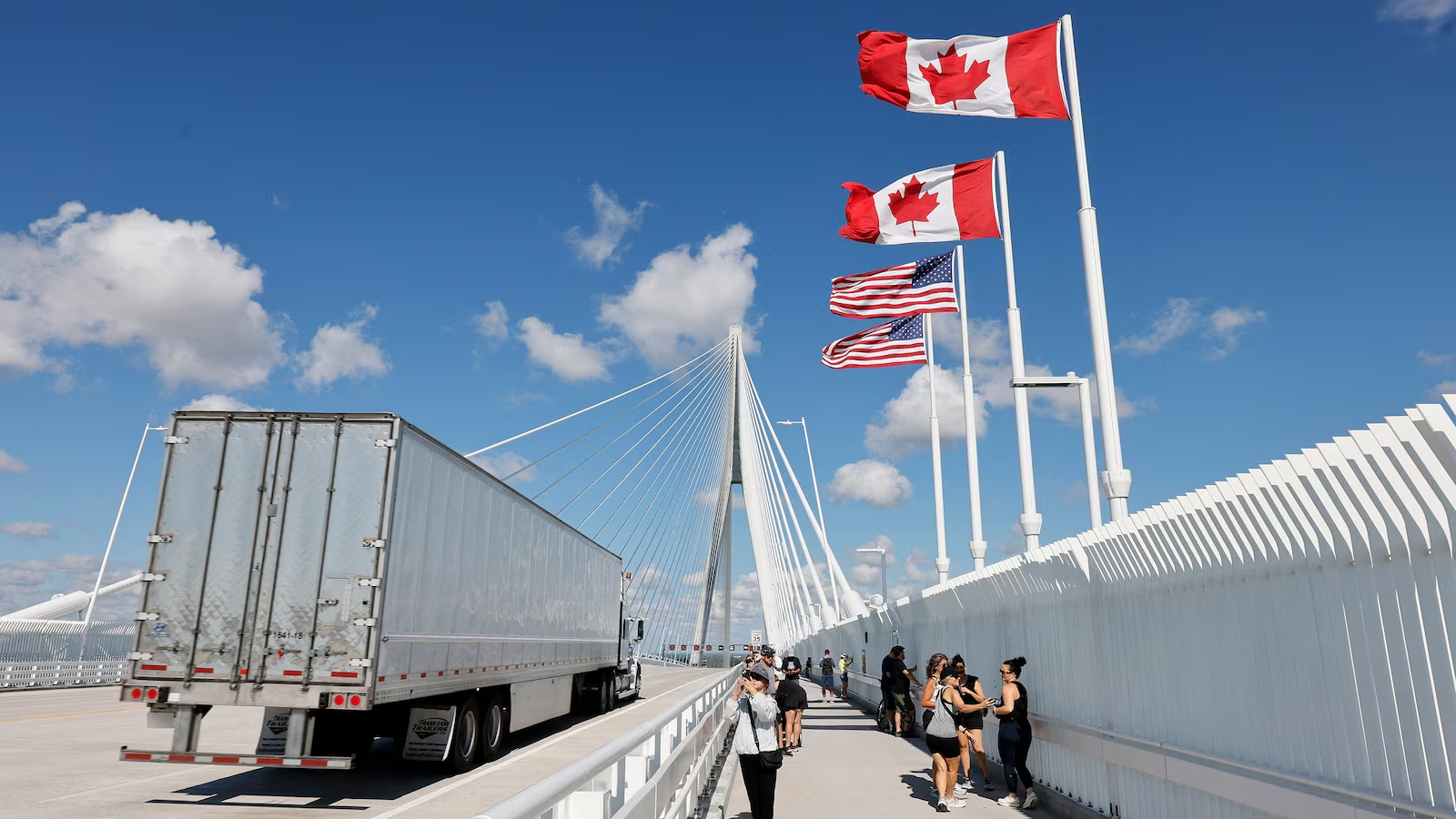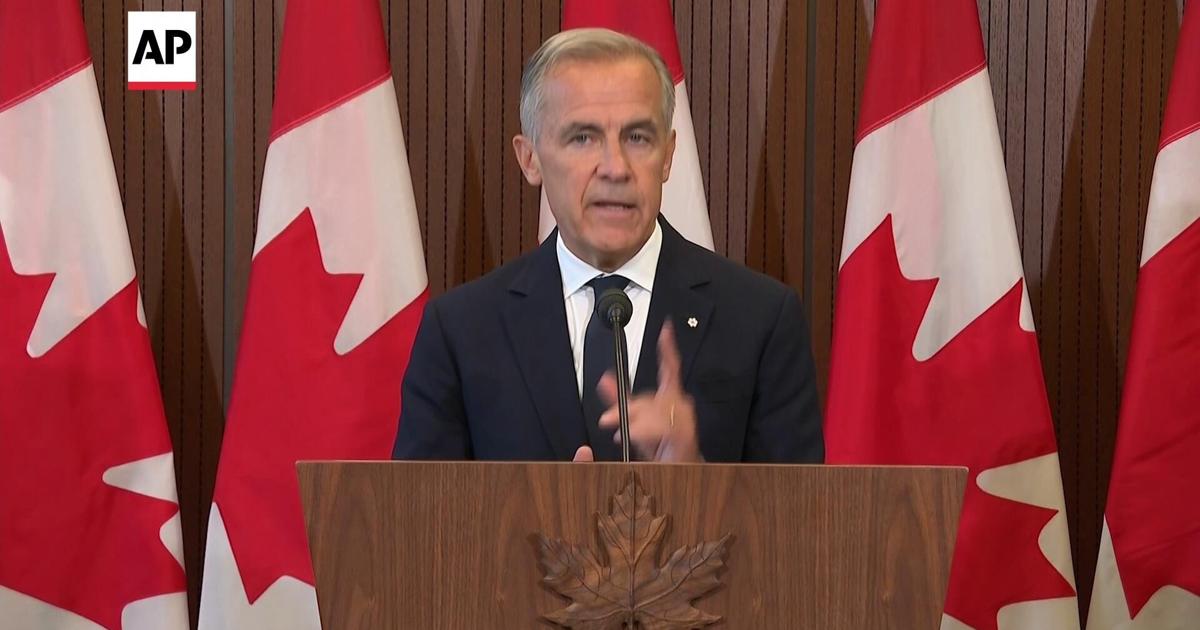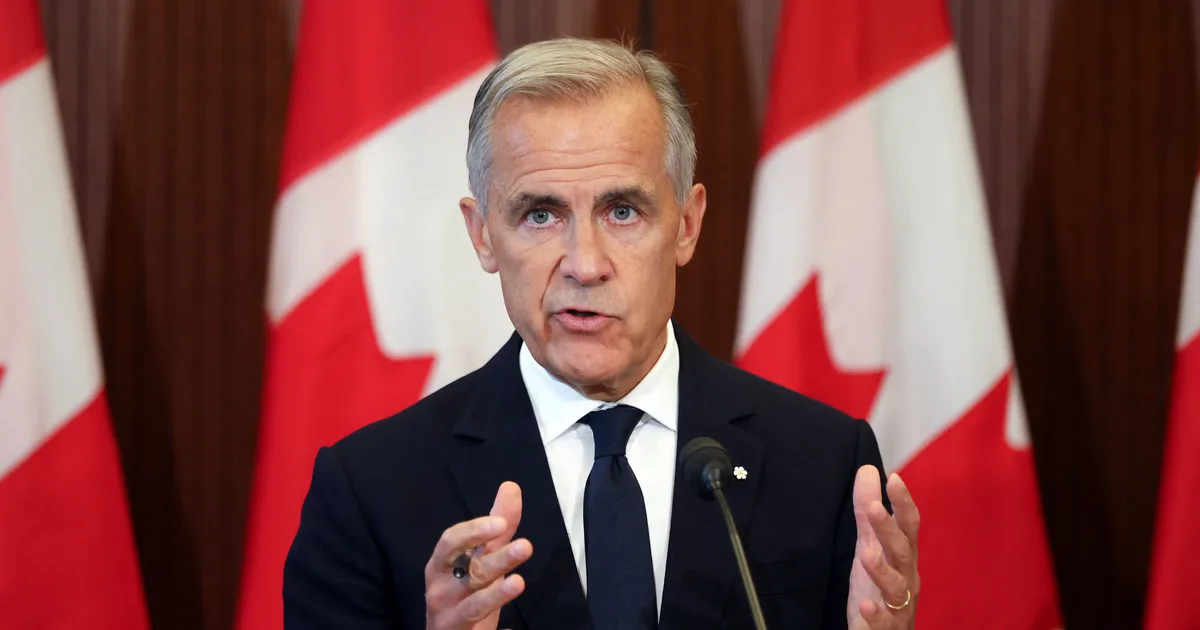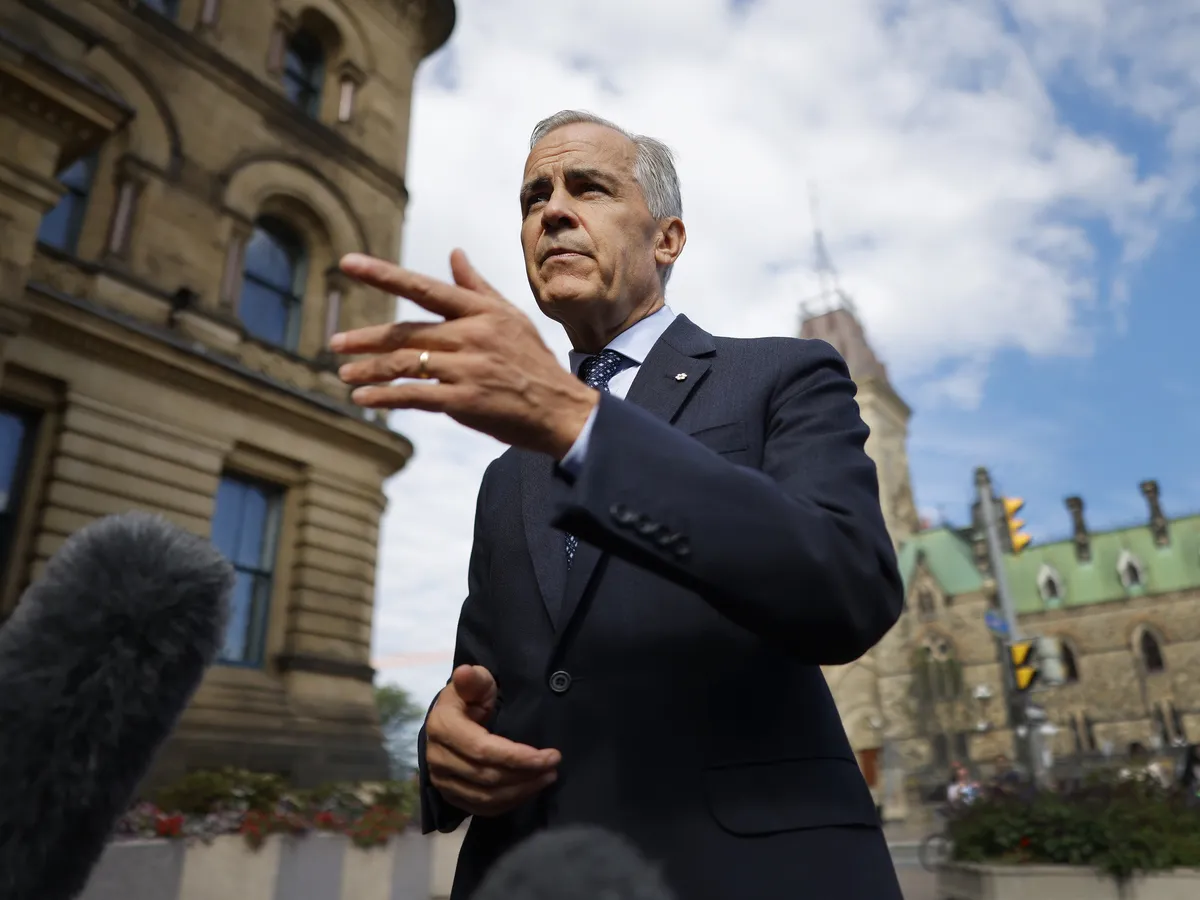
Skip to Content News Archives Economy Energy Oil & Gas Renewables Electric Vehicles Mining Commodities Agriculture Real Estate Mortgages Mortgage Rates Finance Banking Insurance Fintech Cryptocurrency Work Wealth Smart Money Wealth Management Investor Personal Finance Family Finance Retirement Taxes High Net Worth FP Comment Executive Women Puzzmo Newsletters Financial Times Business Essentials More Innovation Information Technology FP500 Podcasts Small Business Lives Told Tails Told Shopping Financial Post Store Obituaries Place a Notice Advertising Advertising With Us Advertising Solutions Postmedia Ad Manager Sponsorship Requests Classifieds Place a Classifieds ad Working Profile Settings My Subscriptions My Offers Newsletters Customer Service FAQ News Economy Energy Mining Real Estate Finance Work Wealth Investor FP Comment Executive Women Puzzmo Newsletters Financial Times Business Essentials HomeNewsCarney says retaliatory tariffs meant to protect Canada, not escalate U.S. conflictCarney’s government increased the import tax on many U.S. steel items to 50% from 25%, and applied tariffs to a range of consumer goodsAuthor of the article:Last updated 3 hours ago Prime Minister Mark Carney speaks to journalists outside his office the day after the Liberal’s won three byelections, in Ottawa Sept. 1, 2026. Photo by Blair Gable/PostmediaPrime Minister Mark Carney said he doesn’t believe in escalating the trade war with the U.S., but he argued counter-tariffs are necessary to cushion the blow for Canadian businesses and workers.Subscribe now to read the latest news in your city and across Canada.Exclusive articles from Barbara Shecter, Joe O'Connor, Gabriel Friedman, and others.Daily content from Financial Times, the world's leading global business publication.Unlimited online access to read articles from Financial Post, National Post and 15 news sites across Canada with one account.National Post ePaper, an electronic replica of the print edition to view on any device, share and comment on.Daily puzzles, including the New York Times Crossword.Subscribe now to read the latest news in your city and across Canada.Exclusive articles from Barbara Shecter, Joe O'Connor, Gabriel Friedman and others.Daily content from Financial Times, the world's leading global business publication.Unlimited online access to read articles from Financial Post, National Post and 15 news sites across Canada with one account.National Post ePaper, an electronic replica of the print edition to view on any device, share and comment on.Daily puzzles, including the New York Times Crossword.Create an account or sign in to continue with your reading experience.Access articles from across Canada with one account.Share your thoughts and join the conversation in the comments.Enjoy additional articles per month.Get email updates from your favourite authors.Create an account or sign in to continue with your reading experience.Access articles from across Canada with one accountShare your thoughts and join the conversation in the commentsEnjoy additional articles per monthGet email updates from your favourite authorsSign In or Create an AccountorAs Canadian retaliatory tariffs kicked in on Tuesday, Carney addressed the deterioration in trade relations with the U.S., as well as his government’s economic plan.“I don’t believe in escalating the conflict, that’s not constructive, but our tariffs are necessary to protect our workers, protect our companies and our communities,” Carney said in a video posted on social media. “We can’t let American goods into Canada tariff-free while they charge our companies to export.”Carney’s government increased the import tax on many U.S. steel items to 50 per cent from 25 per cent, and applied tariffs to a range of consumer goods — motorcycles, cosmetics, cheese and more — at 12:01 a.m. New York time. The levies were in response to so-called Section 338 tariffs on US$20 billion of Canadian goods, which came into effect Aug. 22 following the breakdown in trade talks.Breaking business news, incisive views, must-reads and market signals. Weekdays by 9 a.m.By signing up you consent to receive the above newsletter from Postmedia Network Inc.A welcome email is on its way. If you don't see it, please check your junk folder.The next issue of Posthaste will soon be in your inbox.We encountered an issue signing you up. Please try againThe Section 338 tariffs, which apply to products regardless of whether they’re shipped under the North American free trade agreement, are sufficient to virtually halt U.S. imports of those goods, according to an analysis by Bloomberg Economics. That would put roughly 0.8 per cent of Canada’s gross domestic product directly at risk in the short term, cutting long-term GDP by 0.2 per cent relative to the 2024 baseline.U.S. President Donald Trump has been increasingly hostile toward Canada since the negotiations ended and Carney vowed to retaliate. He signed an order renaming Lake Ontario as Lake America, threatened to increase tariffs on Canadian cars to 50 per cent next year and pledged to restrict Bombardier from selling jets in the U.S.Carney said the “harsh reality” of the U.S. tariffs are meant to hurt some Canadians more than others “by design.” The Section 338 tariffs disproportionately affect Ontario, Quebec and British Columbia — the largest provinces that have retaliated against U.S. tariffs by pulling American alcohol from government-run liquour store shelves.“This won’t be easy, and I won’t pretend otherwise. But Canadians have faced difficult stretches before, and what’s carried us through has never ever been just one measure,” the prime minister said, adding that the most “powerful action” has come from Canadians who have chosen to buy local and travel within the country.A recent Nanos Research Group survey conducted on behalf of Bloomberg News shows Carney enjoys broad support for his approach to the U.S.Carney also reinforced his government’s plan to fast-track major infrastructure projects in Canada and grow free-trade relationships with other countries. He said over the next six months, Canada will double its tariff-free access to 3 billion consumers.“There’s always a cost to action. But it doesn’t come close to the cost of standing still,” Carney said. Join the Conversation This website uses cookies to personalize your content (including ads), and allows us to analyze our traffic. Read more about cookies here. By continuing to use our site, you agree to our Terms of Use and Privacy Policy.
Carney says retaliatory tariffs meant to protect Canada, not escalate U.S. conflict
Prime Minister Mark Carney doesn’t believe in escalating the trade war with the U.S., but argued counter-tariffs are necessary. Read more.
986 words~4 min read