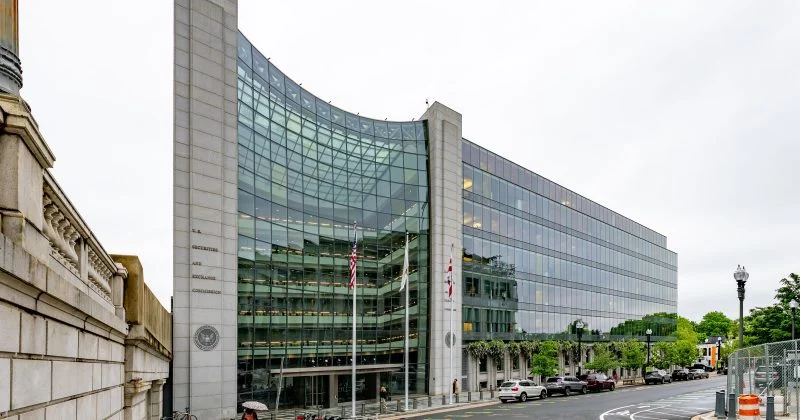
The Trump administration is seeking to rescind a rule that was put in place to stop private equity funds from bribing public officials, following a raft of pay-to-play scandals.The big picture: The Securities and Exchange Commission claims that the Rule 206(4)-5 of the Investment Advisers Act stifles "free speech" and had too many unintended consequences.It did not propose any sort of replacement, instead arguing that existing state and local laws would suffice — even though it was the failure of those very laws that led to the rule's creation in the first place.Letter of the law: Rule 206(4)-5 prohibits "covered associates" from providing advisory services to a government client for two years after contributing to certain candidates and/or elected officials (federal candidates are generally exempted, unless they hold relevant state office). Other sorts of gifts are also prohibited."Covered associates" includes a lookback provision for new hires, and has been interpretted by many firms to apply to all employees. There also are anti-circumvention clauses that apply to placement agents.It was sparked by private equity abuses, but also applies to other sorts of fund managers (VC, hedge, etc.).Zoom in: The rule is very broad, but intentionally so.State and local prosecutors often had difficulties proving quid pro quo, and believed the federal ban was the best way to stop slippery actors.The SEC agreed on a bipartisan basis, voting unanimously in support.Fast forward: The SEC now argues that compliance has been unwieldy, and prevented public pensions from accessing "the most qualified or cost-effective advisers."Maybe it was true in the early days, but by now every fund manager — and certainly their lawyers — know about the rule and the importance of sharing it with colleagues. To date there have been fewer than two dozen related charges by the SEC.Yes, some of those violations feel, in the SEC's new language, more like "foot faults" than intentional grift. But, again, the agency isn't talking about tweaking the rule; it's talking about eliminating it altogether, and just hoping that there isn't a resurgence of bribery in the pursuit of taxpayer dollars.State of play: The rescission proposal is supported by SEC chair Paul Atkins, and the SEC's two current commissioners — both Republicans, as Trump hasn't bothered to fill the two Democratic spots, creating something of an echo chamber.The SEC will accept comments for the next two months.
SEC wants to end pay-to-play prohibition for private equity
The rule came after a raft of private equity abuses.
390 words~2 min read