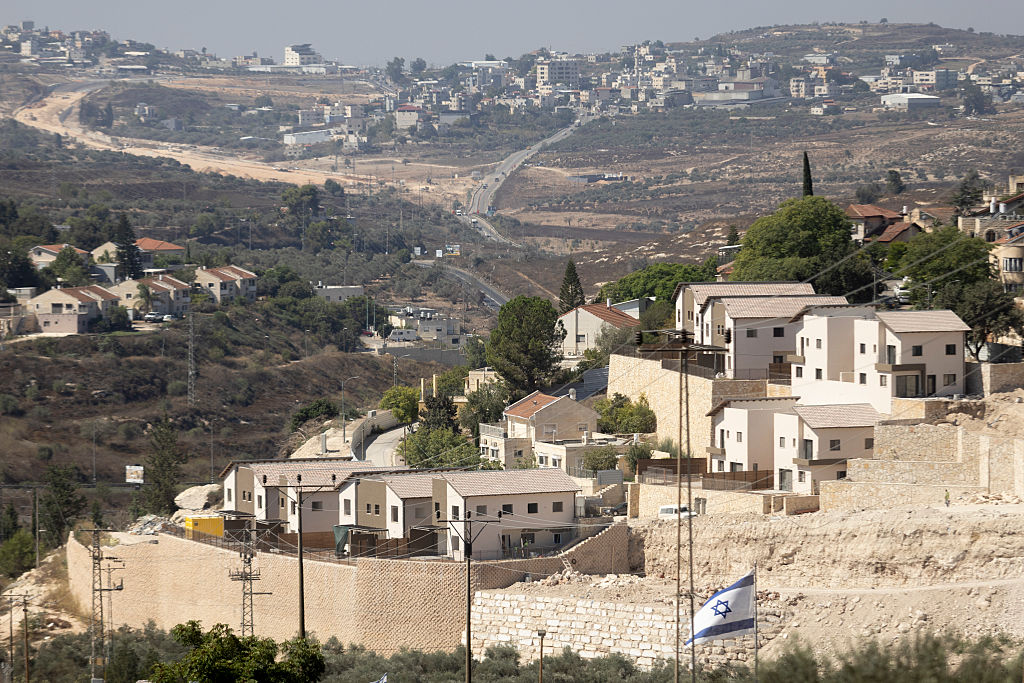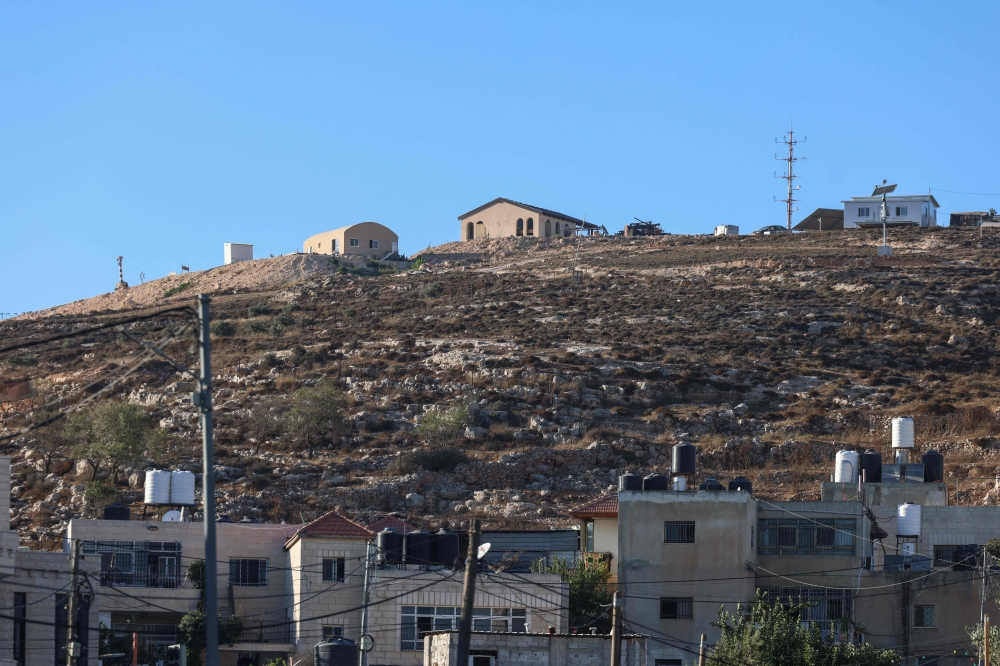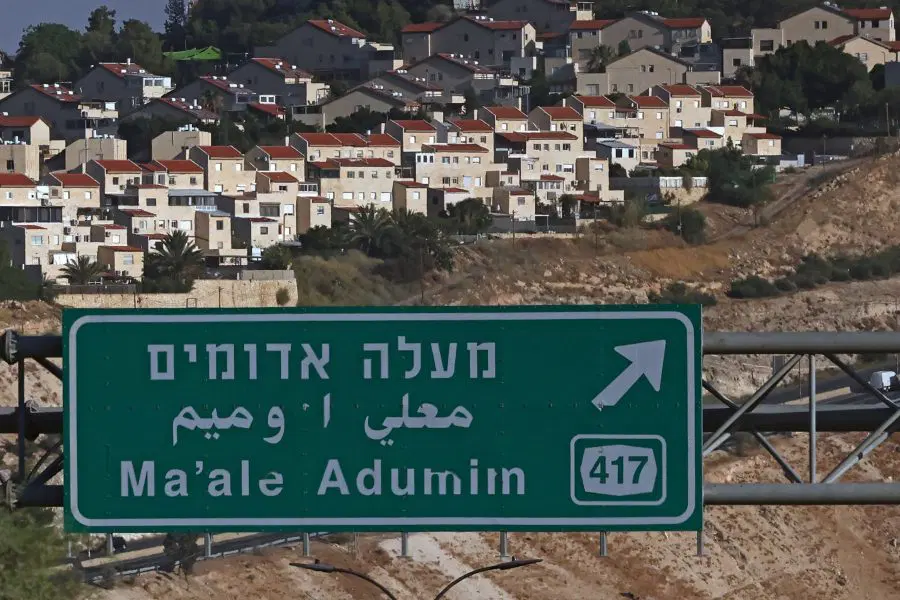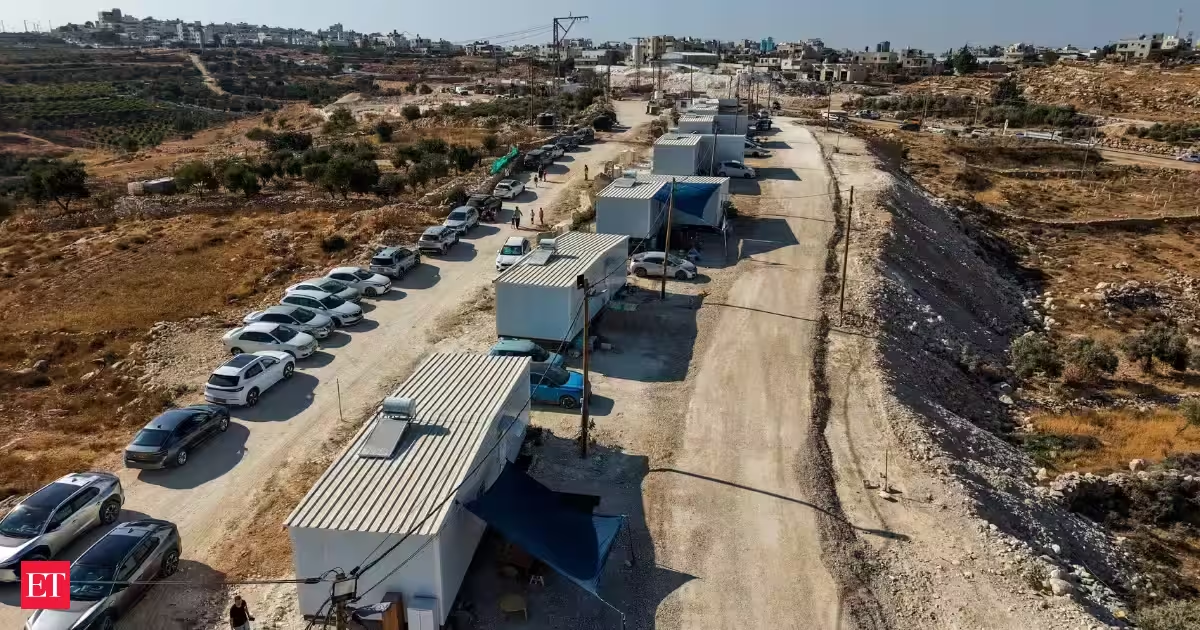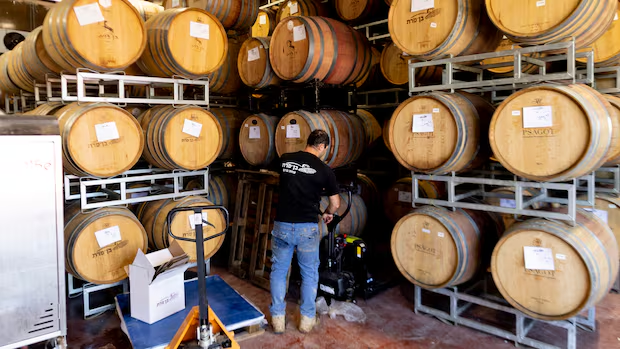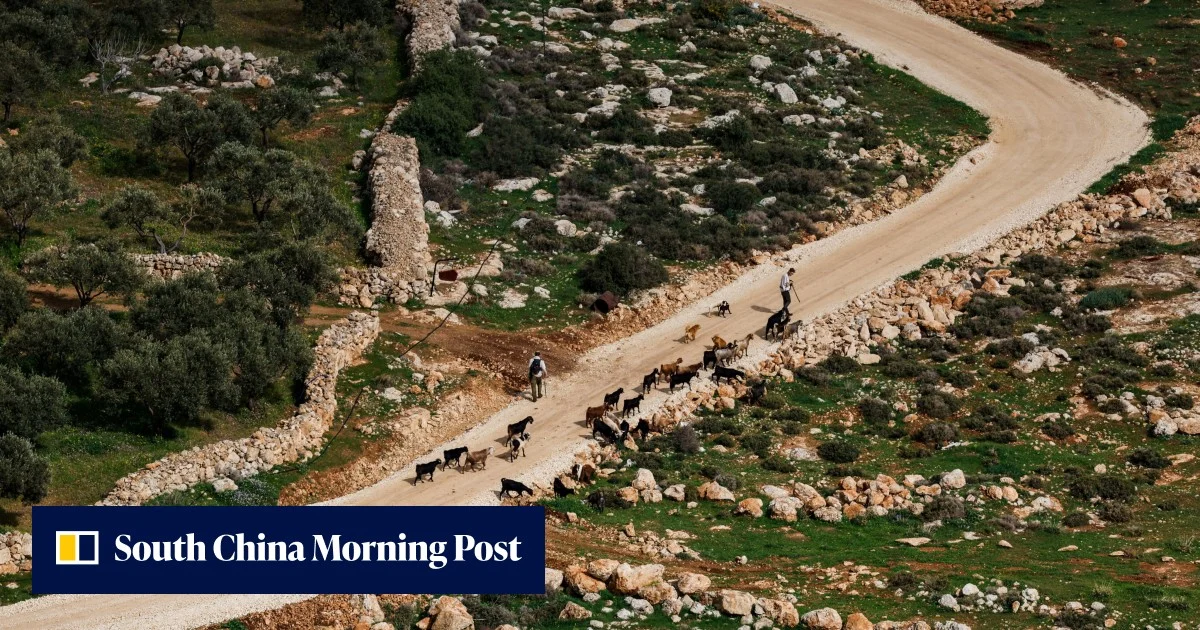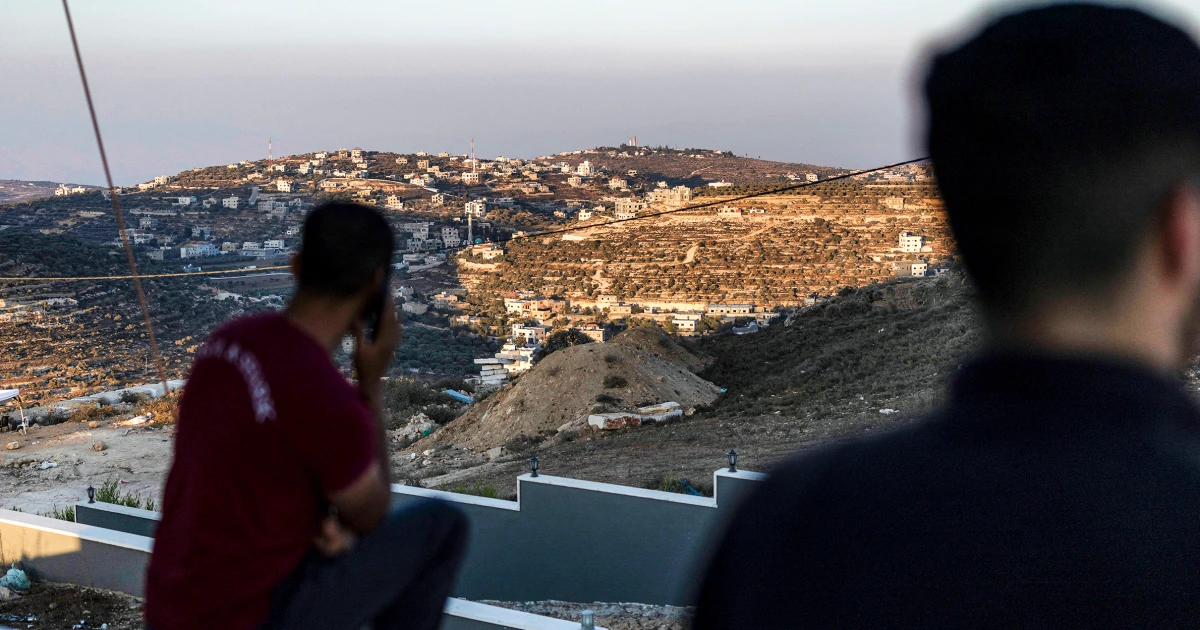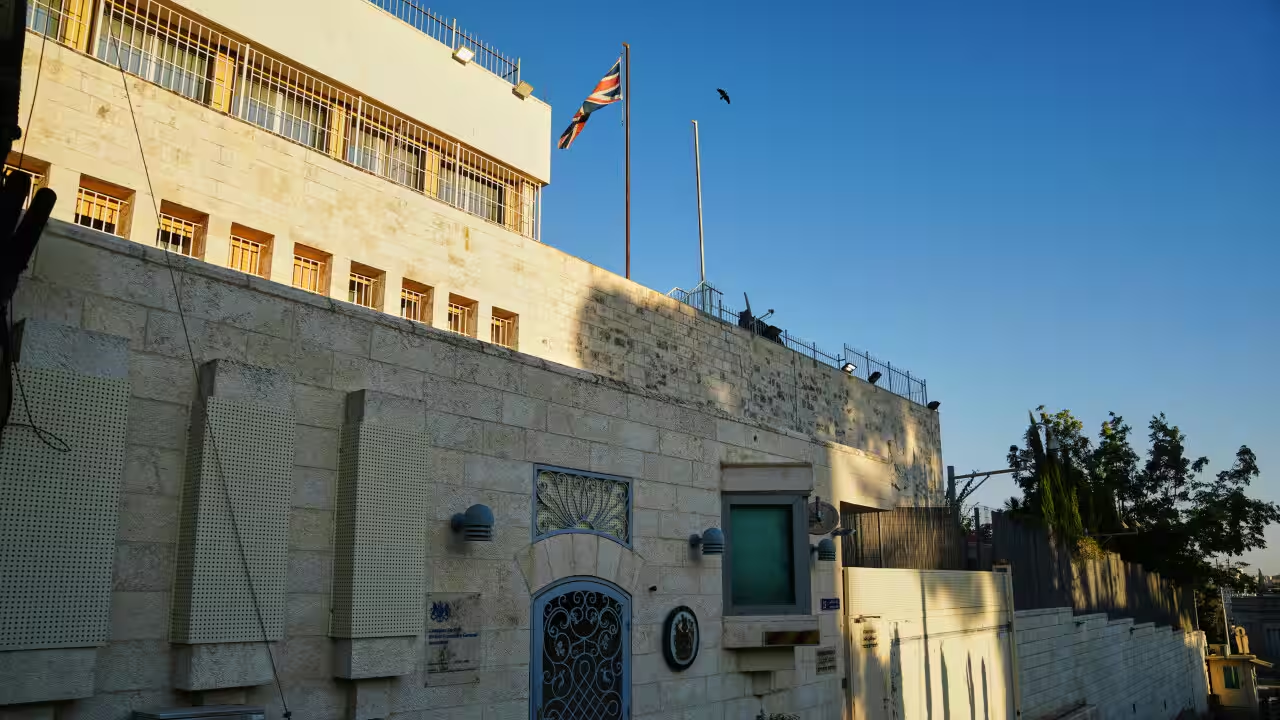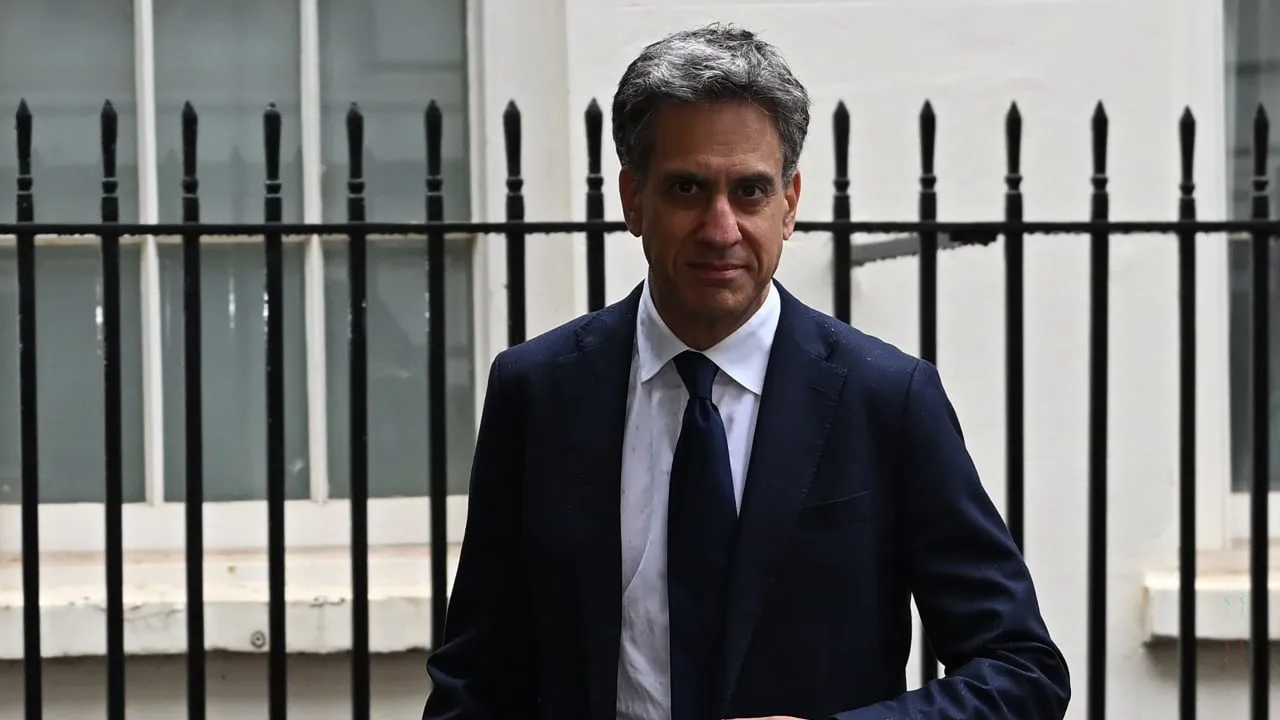
Britain, France and Canada will ban imports from Israeli settlements in the occupied West Bank, with a UK minister accusing Israel of turning a blind eye to the "ethnic cleansing" of Palestinians there.The moves prompted a furious Israel to unveil immediate counter-measures targeting Britain.The three Western allies revealed the trade curbs in response to Israel's West Bank settlements policy and reports of increasing attacks by settlers there against Palestinians."The British government agrees that there is ethnic cleansing of Palestinians in areas of the West Bank - perpetrated by settler terrorists," British Foreign Secretary Ed Miliband told parliament."All too often the Israeli government has turned a blind eye to this and worse, members of it have made statements and taken actions to support the forced displacement of Palestinians."London, Paris and Ottawa joined nine other European countries in issuing a statement saying they planned to introduce or support restrictions on trade with Israeli settlements.Later Tuesday, British Prime Minister Andy Burnham, French President Emmanuel Macron and Canadian leader Mark Carney warned in another joint declaration that the settlements "pose a direct and urgent threat" to a two-state solution to the conflict.'End trade'Earlier, Israel had announced its angry response, ordering the closure of Britain's consulate in Jerusalem and banning 12 Britons from visiting the country, including lawmakers from the governing Labour party.Israel said it would also expel British diplomats at a centre monitoring the US-brokered ceasefire plan in Gaza and bar British training for Palestinian Authority forces.British Foreign Secretary Ed Miliband-"The accusations made today by the foreign secretary in the British parliament were outrageous lies," said Israel's Foreign Minister Gideon Saar.The settlements mainly export agricultural products, as well as wine, Dead Sea cosmetics and various industrial products.Trade between the UK and the occupied Palestinian Territories was only around £38 million ($51 million) in 2025, according to the British government.Ireland and Spain have already taken measures against trade with settlements, and France has for weeks been pushing for a similar decision from the European Union, Israel's leading trading partner, but has been blocked by some members.Tuesday's joint foreign ministers' statement was also signed by Denmark, Finland, Iceland, Ireland, Norway, Poland, Portugal, Spain and Sweden.They criticised "unprecedented levels of settler violence and settlement expansion" in the West Bank.In France, Foreign Minister Jean-Noel Barrot said on X the country "will end trade" with settlements there.However, US Secretary of State Marco Rubio said the United States would not join the new sanctions, noting Washington does not want to destabilise the occupied territory.New sanctionsIsraeli Prime Minister Benjamin Netanyahu has vowed to continue establishing the settlements - illegal under international law.The E1 plan - approved by Israel last year after decades of being frozen - would see 1,200 housing units built and further isolate Israeli-annexed east Jerusalem from the rest of the West Bank.The approval was widely condemned.Israeli Prime Minister Benjamin Netanyahu has vowed to continue establishing the settlements.AFP / Ilia YefimovichIsrael has already faced intense international criticism over its relentless offensive that flattened much of Gaza following the October 7, 2023, attack on Israel by Hamas militants.In his statement, Miliband - the son of Jewish immigrant parents - said companies and individuals that provide services such as construction, financing, or real estate for settlements would face UK sanctions.Advertising or promoting land and property within Israeli settlements will be prohibited in Britain, his foreign ministry confirmed.It said five more individuals accused of inciting and conducting violent attacks against Palestinians, including in the West Bank, had also been newly sanctioned.London has now hit 38 people with sanctions over settler activity, according to the ministry.The moves signal a toughening stance towards Israel under Burnham, who replaced Keir Starmer as prime minister in July.Starmer's government last year formally recognised a Palestinian state and announced sanctions on selected entities.More than 500,000 Israelis live in illegal settlements in the West Bank, among some three million Palestinians.According to an AFP tally based on data from the Palestinian health ministry, Israeli forces or settlers have killed at least 1,105 Palestinians in the territory since the start of the Gaza war.NZ joins call to end settlement expansion, but not import banThe Foreign Minister says New Zealand joins its international partners calling on Israel to end the expansion of illegal settlements in the West Bank, but has stopped short of joining Britain, France and Canada in banning Israeli imports.A spokesperson for the minister said New Zealand did not traditionally use trade measures to address foreign policy issues.Peters issued a standalone statement on the matter, following the news from the UK overnight.He said New Zealand was "deeply concerned by the deteriorating situation in the West Bank.""There has been a marked escalation in Israel's actions, jeopardising the prospect of a durable peace."Peters said the Israeli settlements in the Occupied Palestinian Territories were a violation of international law and expanding those settlements undermined prospects for a two-state solution to the longstanding conflict."New Zealand strongly condemns violence by settlers against Palestinian civilians and calls for accountability for those responsible."Peters joined international partners in calling on the government of Israel to "end the expansion of settlements, prevent and address settler violence, and refrain from actions that further undermine the prospects for peace."But he also said New Zealand "strongly opposes actions that advance annexation or threaten the forcible displacement of Palestinians.""Such measures are incompatible with international law and risk perpetuating the cycle of violence and insecurity."A spokesperson for the minister said the UK-led statement referenced a "future trade ban on settlement goods.""New Zealand has not traditionally used trade measures to address foreign policy issues."They are different from sanctions. To do so would be complex and require a full policy process. We are not in a position to do that ahead of the election."The spokesperson said New Zealand had consistently raised concerns about settlements and settler violence for years, placing travel bans on 38 Israeli settlers and two Israeli ministers, the most recent of which were announced in June."This is a clear signal that this violence is unacceptable."- AFP with additional reporting by RNZ
UK, France, Canada to ban imports from Israeli settlements - NZ critical but stops short of joining
Britain, France and Canada will ban imports from Israeli settlements in the occupied West Bank, with a UK minister accusing Israel of turning a blind eye to the "ethnic cleansing" of Palestinians there.
998 words~5 min read