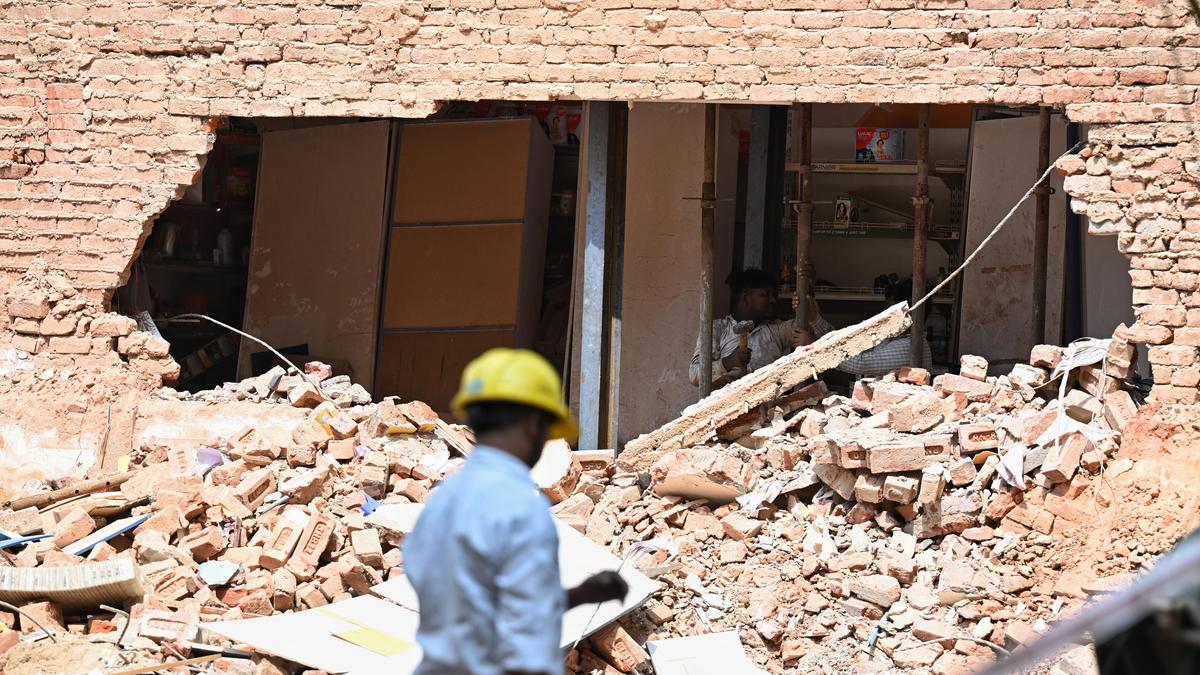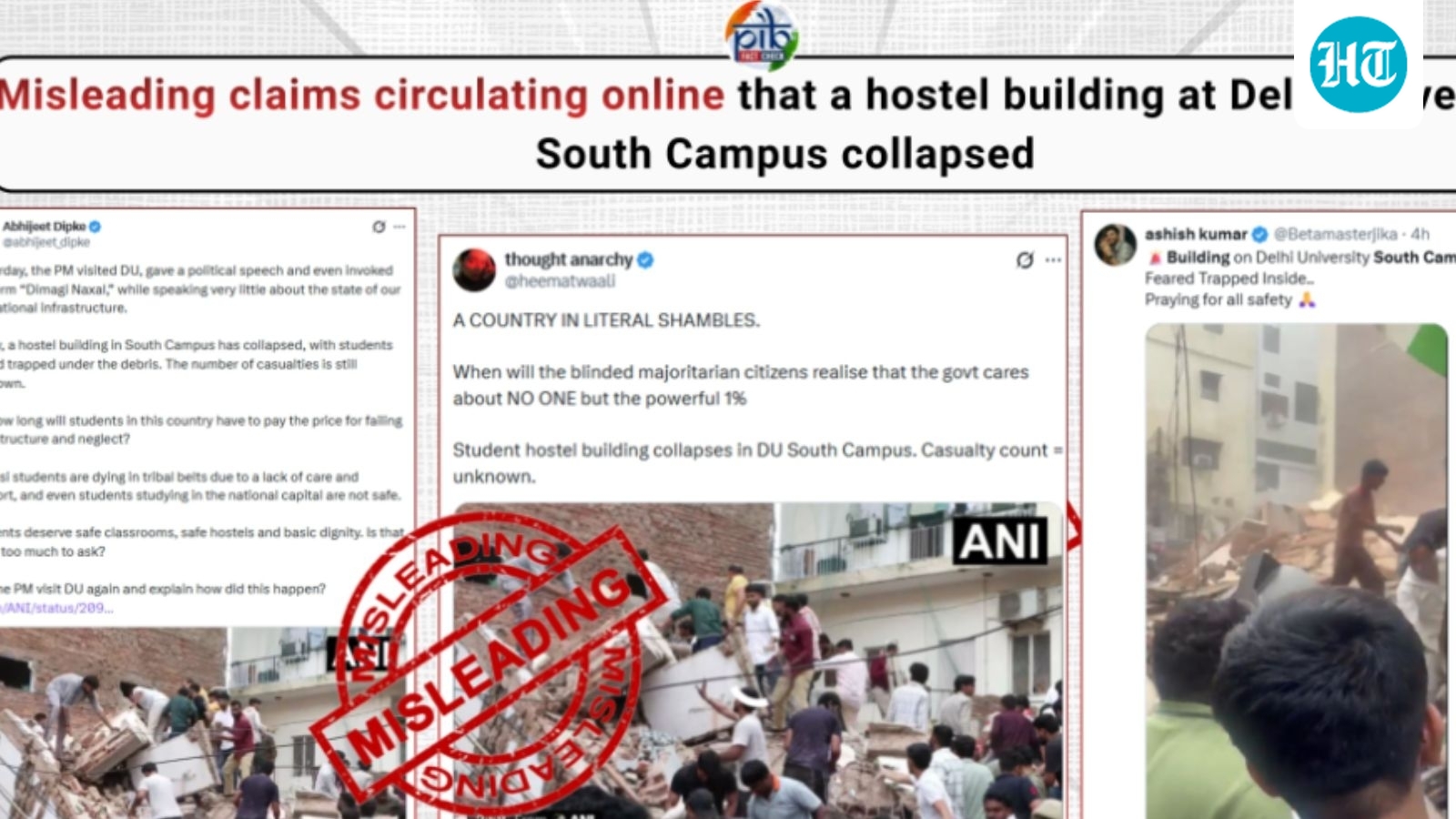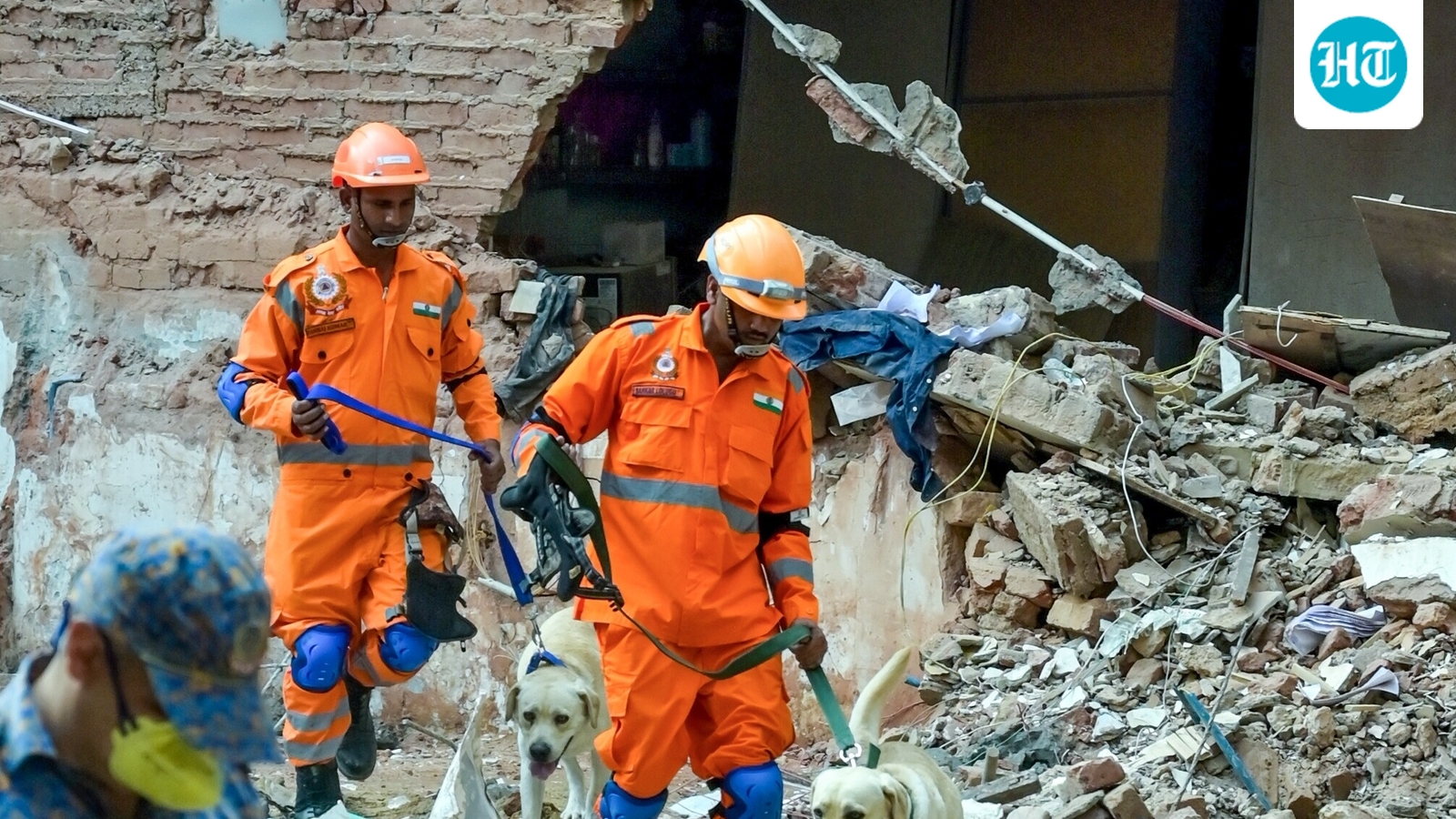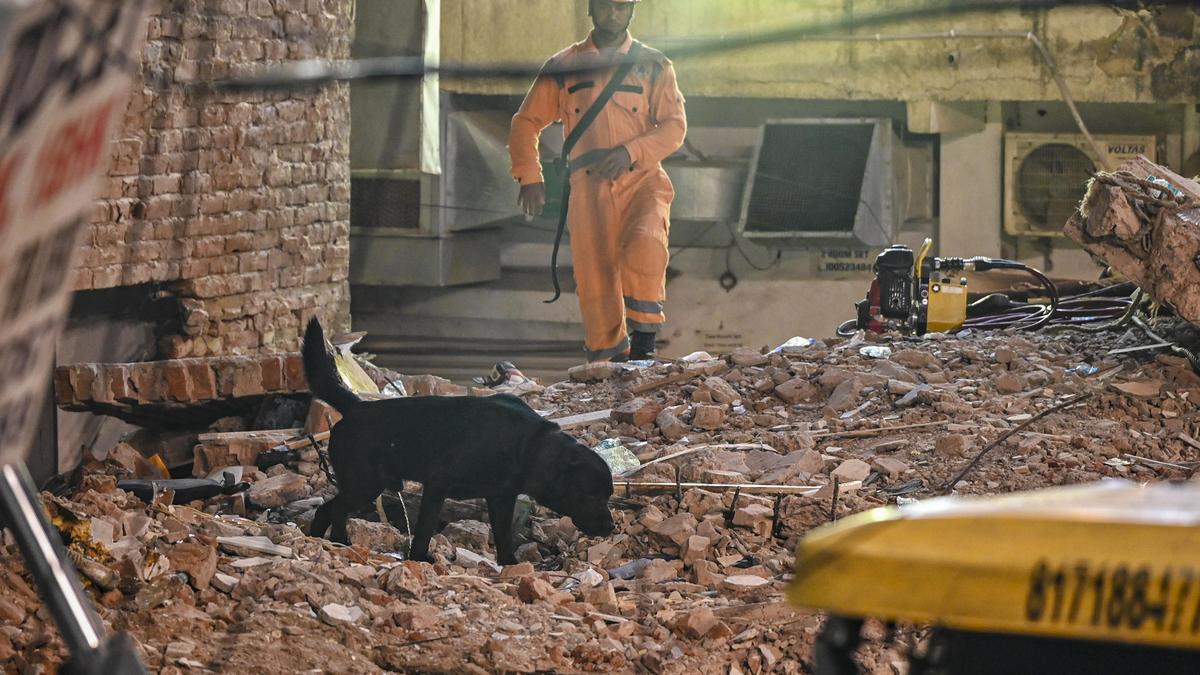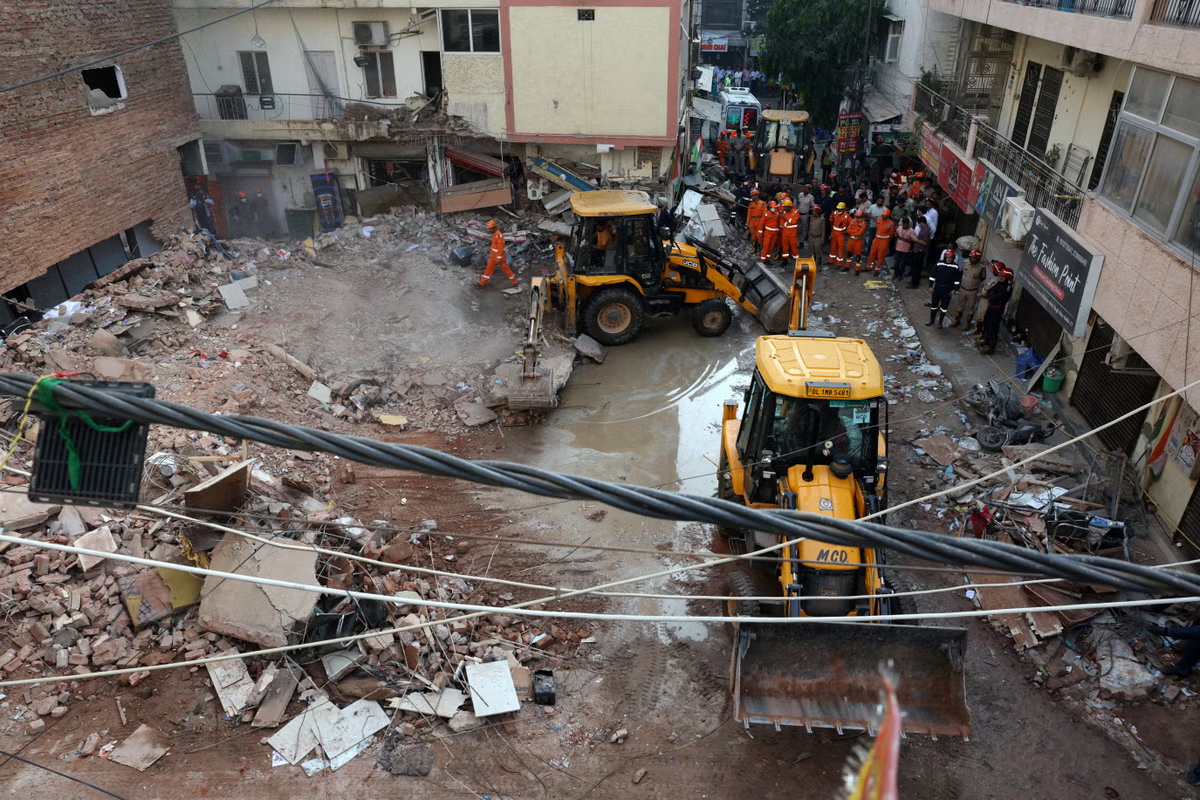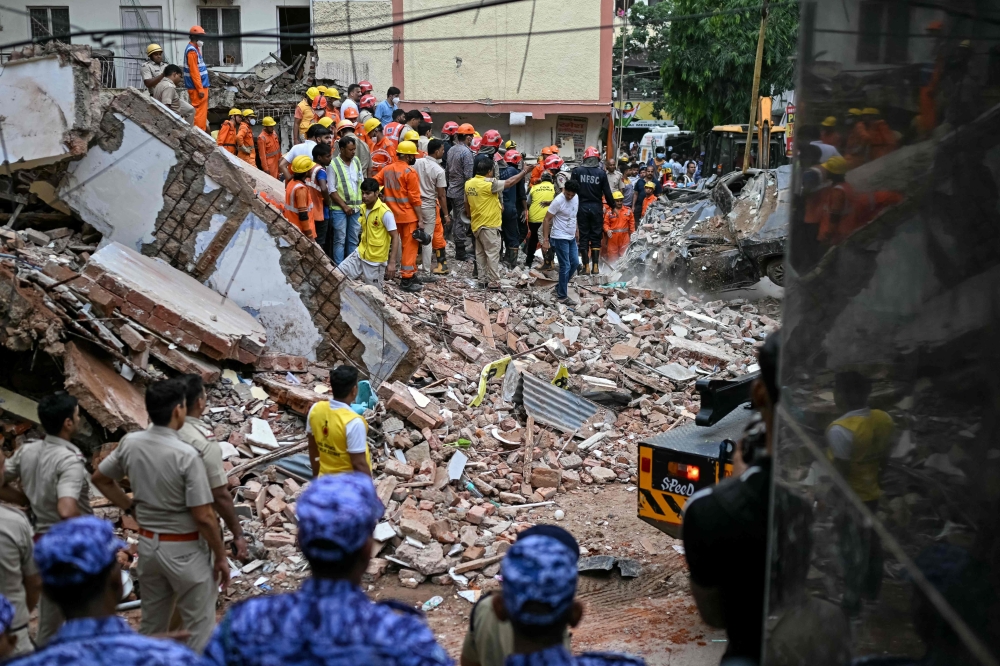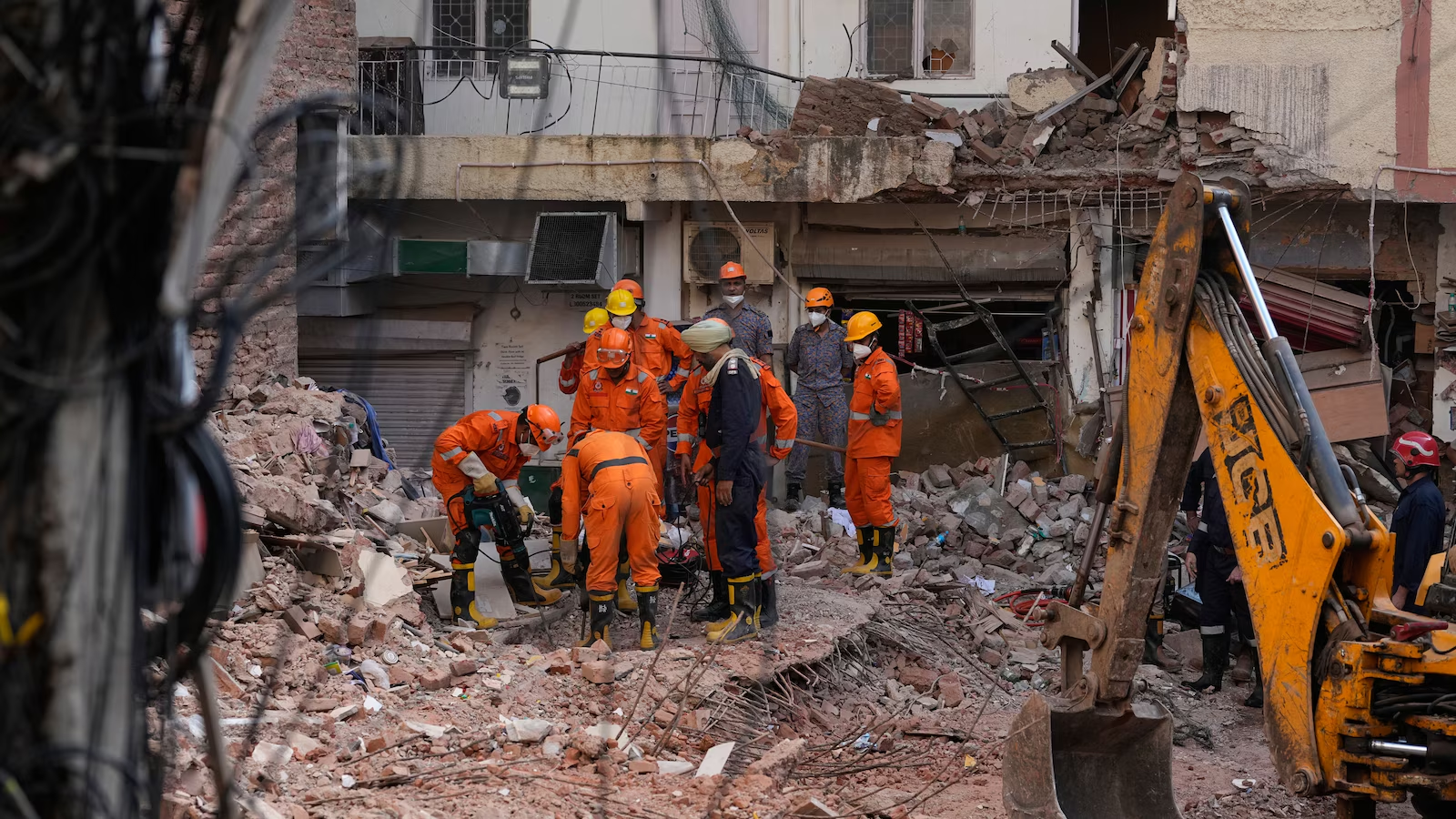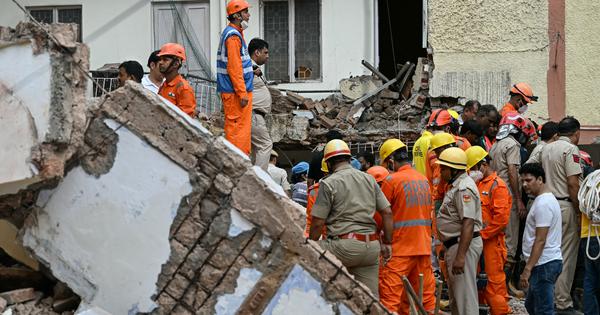
On Monday, Harsh Mamnani, a Delhi-based independent video journalist, put out an unusual request on Instagram. He asked his followers where he could find high-speed internet in Satya Niketan, the South Delhi neighbourhood where a five-storey building used as paying guest accommodation by students had collapsed the previous day, killing at least seven people and injuring several others.The 24-year-old, who has reported from the site of the collapse every day since Sunday, said he felt compelled to seek help because his mobile phone internet was simply too slow to upload videos. Mamnani thought this was because the government had slowed down the speed of mobile phone internet. “I am pretty sure they [the government] did it,” he asserted.Student-activists who have visited the area frequently this week were also certain that “jammers” had been used on Sunday, the day the collapse occurred, as well as Monday. “The government did not want us to circulate videos because that could have led to a big protest,” alleged Sagar Suman, a PhD scholar from the Jawaharlal Nehru University who volunteers with the left-wing outfit, Disha Students’ Organisation.So widespread was this belief that the Delhi Police had to “fact check” it on Tuesday morning. “Networks are fully operational,” it claimed in a social media post. “Media and citizens are broadcasting from the site with no disruption. Do not spread engagement-driven misinformation.”But by then videos alleging that the government had enforced an internet shutdown in Satya Niketan had gone viral on Instagram. Some of these videos went so far as to say that those trapped under the debris of the collapse were unable to contact their families and friends because of the purported shutdown.
Why social media thinks government intentionally slowed internet after Delhi building collapse
So widespread was this belief that the Delhi Police had to ‘fact check’ it. But Modi government’s poor transparency record means that suspicion has lingered.
986 words~4 min read