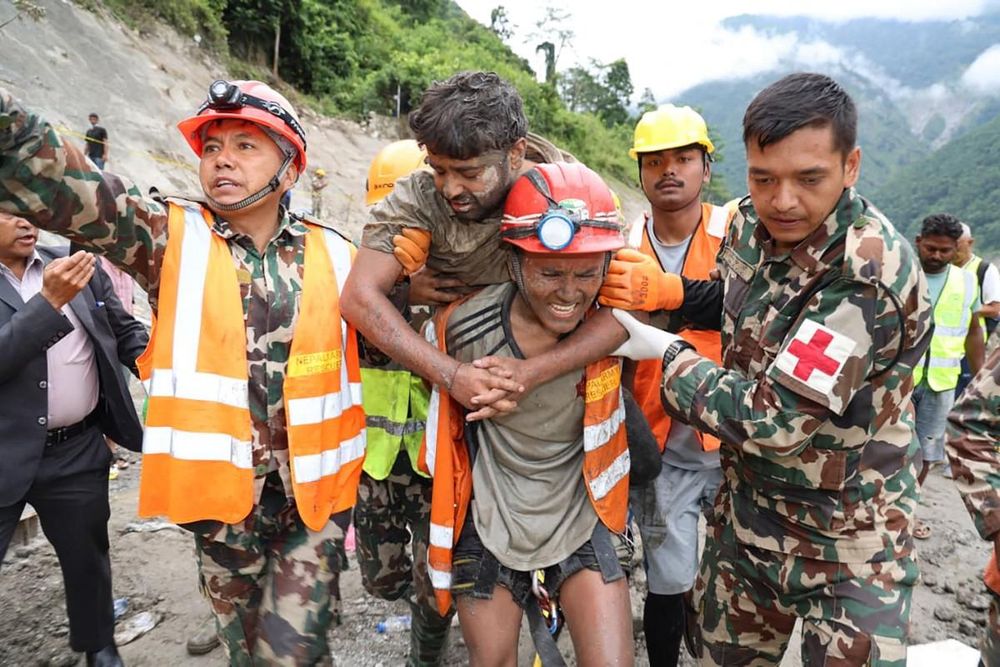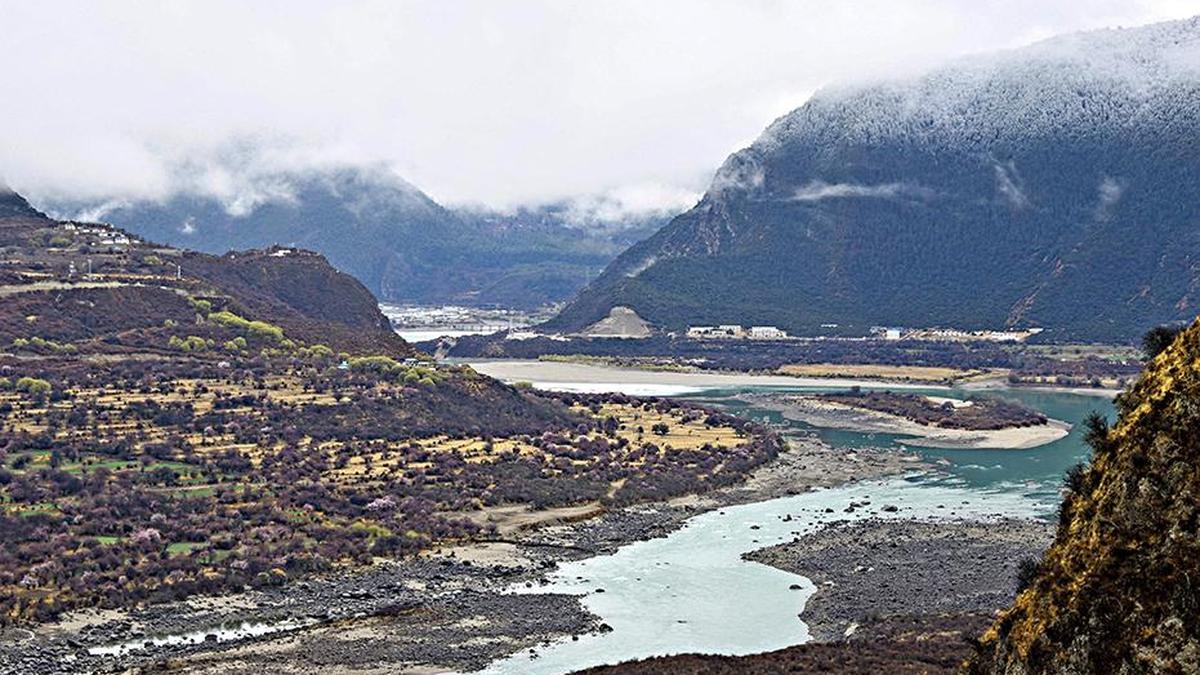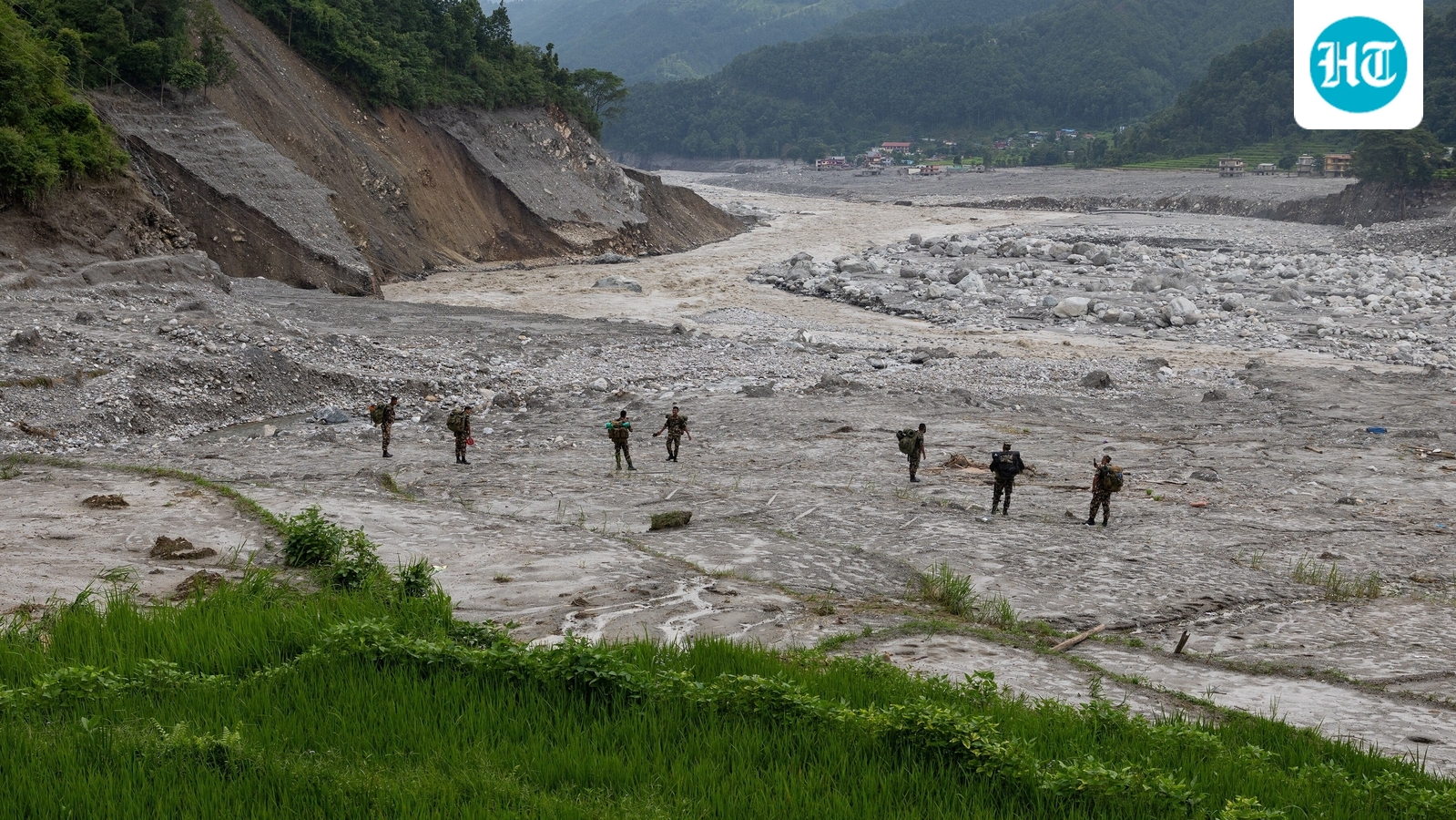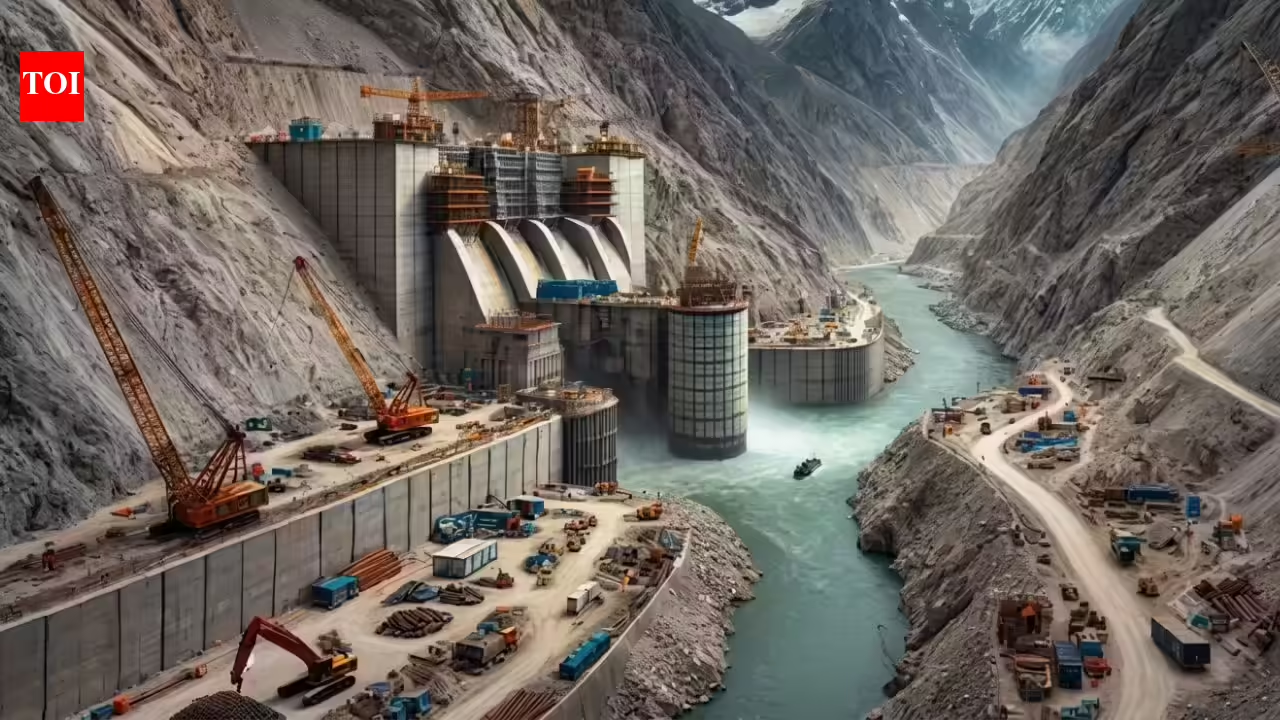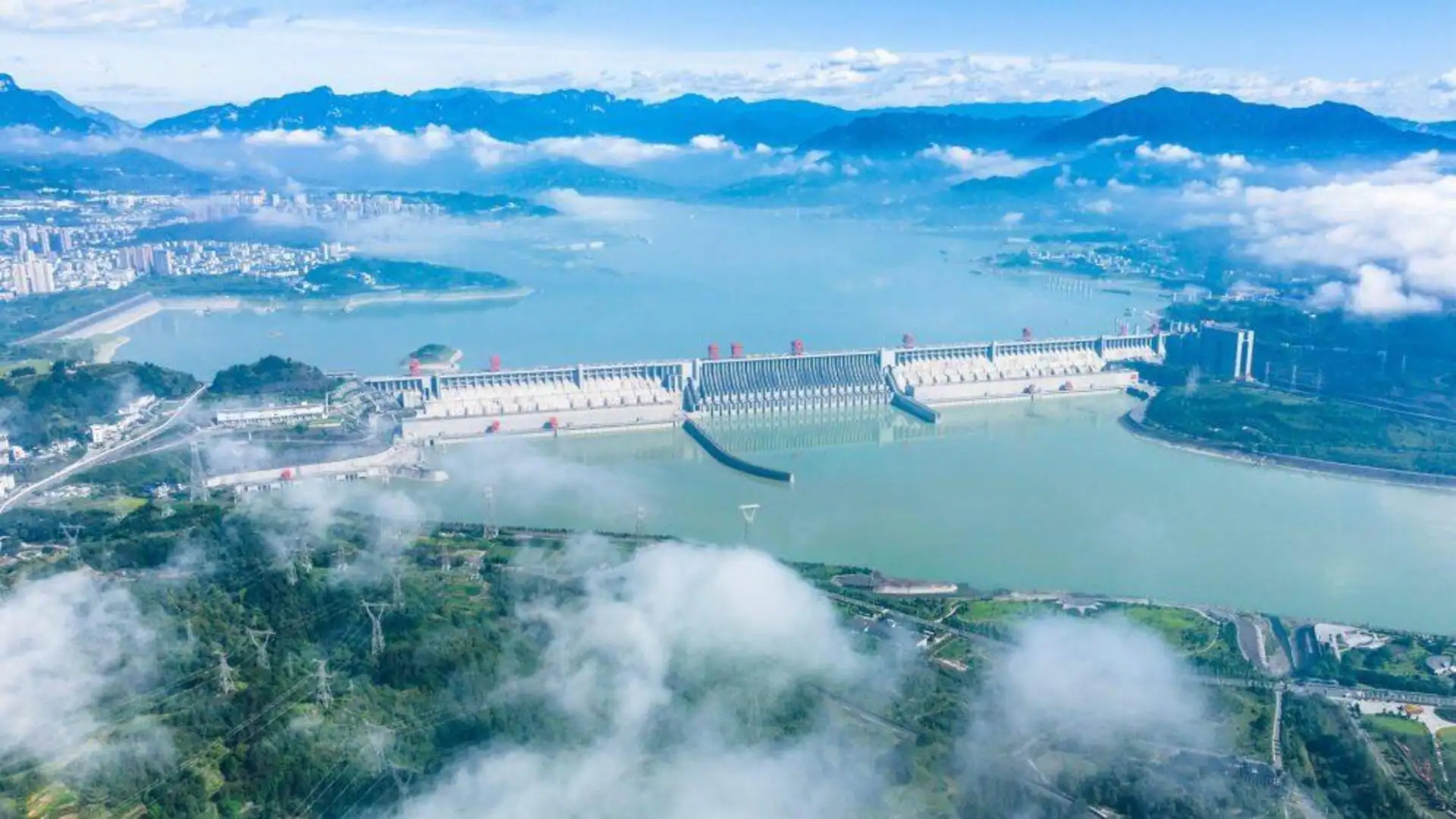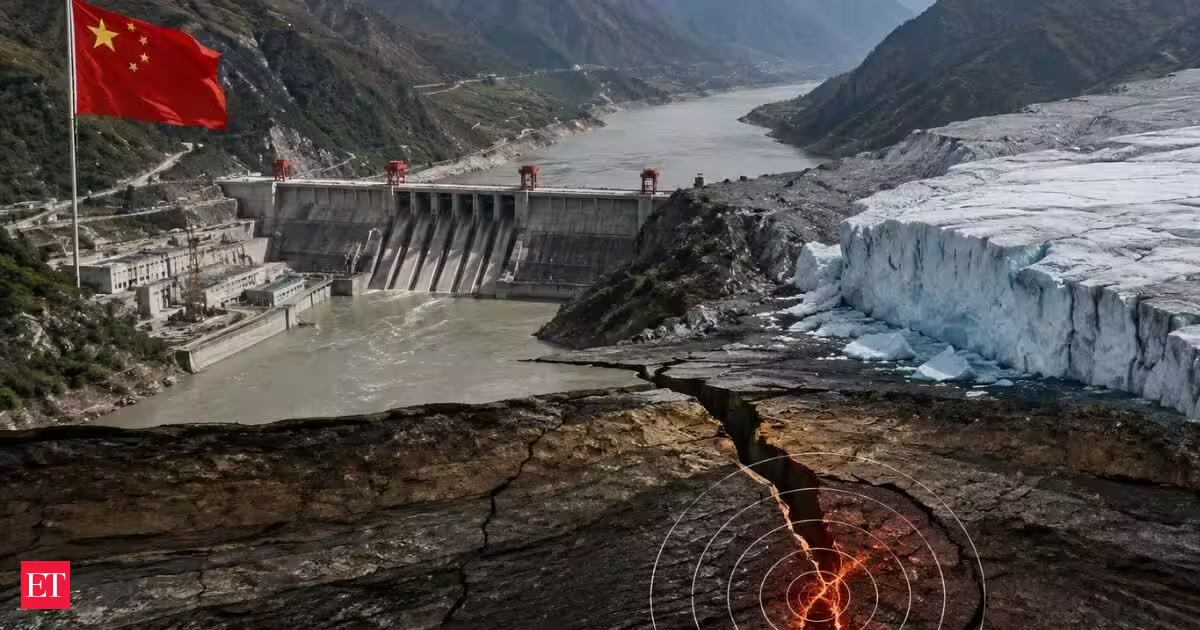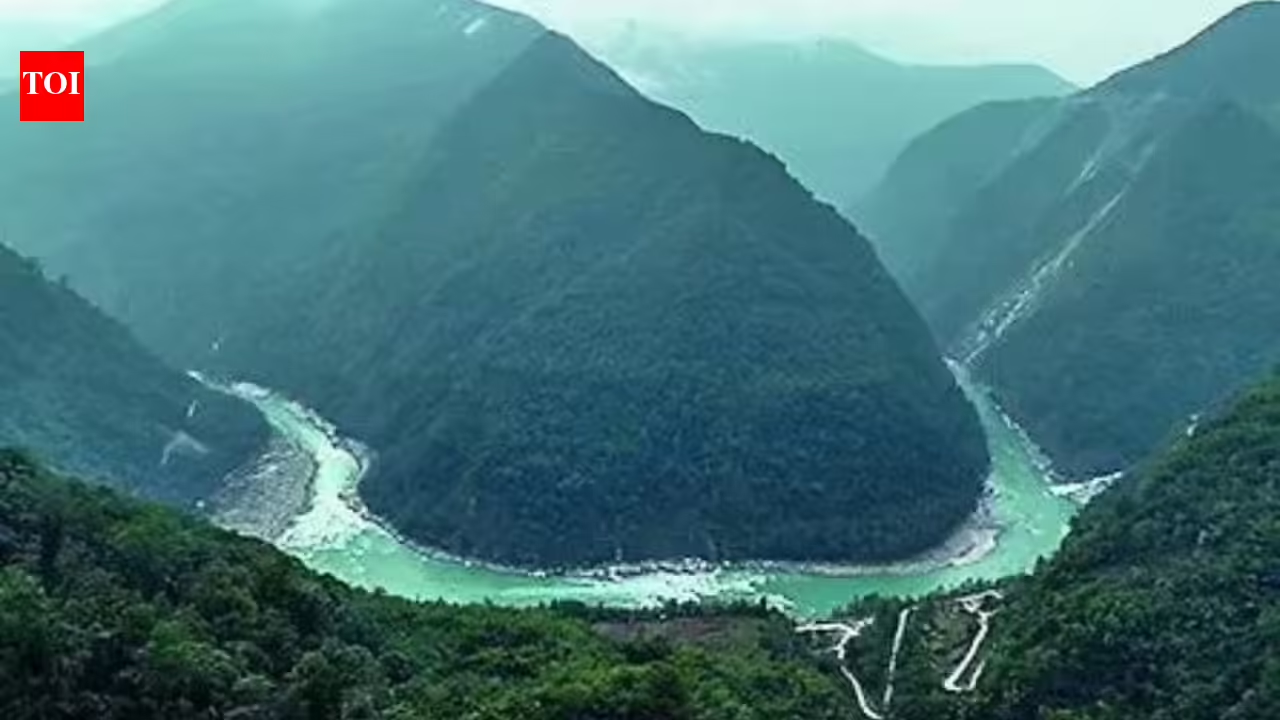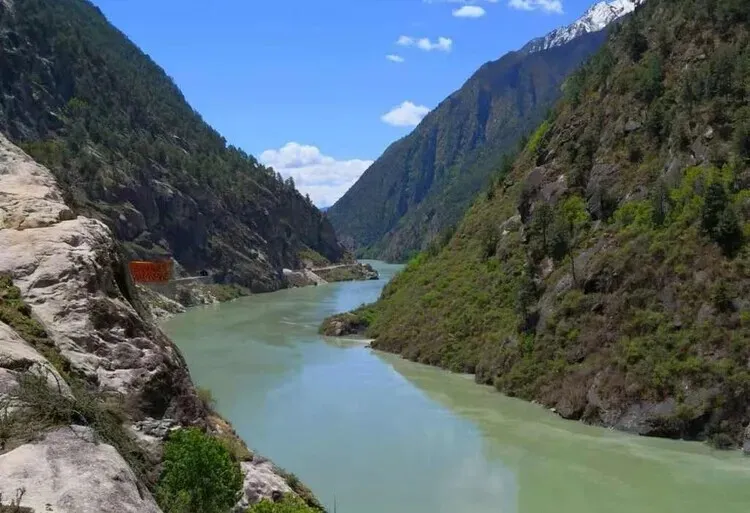
After devastating floods ravaged Nepal, questions are mounting over how the disaster could affect China’s construction of the world’s largest hydropower project on the lower reaches of the Yarlung Tsangpo/Brahmaputra River, east of the Himalayas. Experts are concerned that the building of a super-dam could make the region even more vulnerable to natural disasters. China began the construction of a 1.2 trillion-yuan hydropower project in Nyingtri, Tibet, in July 2025. By utilizing the 2,000-meter drop over 50 kilometers through the Yarlung Tsangpo River, China is planning to build dams and five cascade hydropower stations to generate around 300 billion kilowatt-hours of electricity annually. It is expected to generate power three times that of the Three Gorges Dam in Hubei Province, China, which is currently the world’s largest power station, generating 88.2 billion kilowatt-hours of electricity each year. The Yarlung Tsangpo begins in China and flows through India, Bhutan and Bangladesh. Its downstream is, like Tibet’s Gyirong County, exposed to compound disasters triggered by mass tectonic movement in the Himalayan region. Chinese researchers have also pointed out that a combination of underground fault movement and retreat of glaciers and permafrost could trigger a chain reaction of landslides, collapses and debris flows. A report published in a Chinese geology journal in June stated that the geologically active fault beneath the construction site could affect the project’s safety and recommended more reinforcement. The Nepal floods have prompted experts to point out how the Yarlung Tsangpo super-dam project could trigger earthquakes and landslides. To harness the 2,000-meter drop, water needs to be diverted through a tunnel. That operation will lead to the excavation of large amounts of dirt and soil, which could make the region more vulnerable to earthquakes or landslides. Anil Kulkarni, a glacier expert at the Indian Institute of Science, told the Financial Times that “hydroelectric dam construction and increasing development in the Himalayas were increasing the vulnerability of countries in the region to glacier collapses.” Jagannath Panda, the head of the Stockholm Center for South Asian and Indo-Pacific Affairs, similarly noted how the Yarlung Tsangpo project has the potential to “contribute to greater seismic risks, potentially increasing the chance of landslides” in terms of “both its volume and scale.” “This is certainly one project that China should review carefully, with much greater transparency, disclosure and dialogue with Himalayan countries, particularly India, Nepal and others,” Panda said.On Aug. 11, before the flooding, China’s National Energy Administration announced that it would strengthen safety management throughout the Yarlung Tsangpo project and conduct risk assessments for major projects in extreme environments while establishing a comprehensive risk monitoring, early-warning and control system. On Aug. 27, one day after the flash flooding, the acting mayor of Nyingchi paid a visit to the debris-flow mitigation works in Mêdog and ordered geological hazard monitoring and information sharing to be ramped up. Transnational information sharing about disasters has become a key topic of discussion between China and Nepal in the wake of the disaster. A Chinese Ministry of Foreign Affairs readout of a phone call between Nepali Foreign Minister Shisir Khanal and Chinese Foreign Minister Wang Yi on Saturday revealed that Beijing has shared “important information such as images, satellite and hydrological data of the disaster-stricken area, including early warning information of the upstream barrier lake.” Khanal said that the two sides had agreed to strengthen disaster response efforts and real-time sharing of hydrological data.In May, Nepal asked China to expand its information on glacier movements, river levels and avalanches. Going forward, Nepal plans to propose a data-sharing agreement that will seek data every 10 minutes.
After floods hit Tibet and Nepal, safety questions mount over China’s plan to build world’s largest dam
Nepal’s floods have renewed concerns that China’s Yarlung Tsangpo super-dam could heighten earthquake and landslide risks
596 words~3 min read