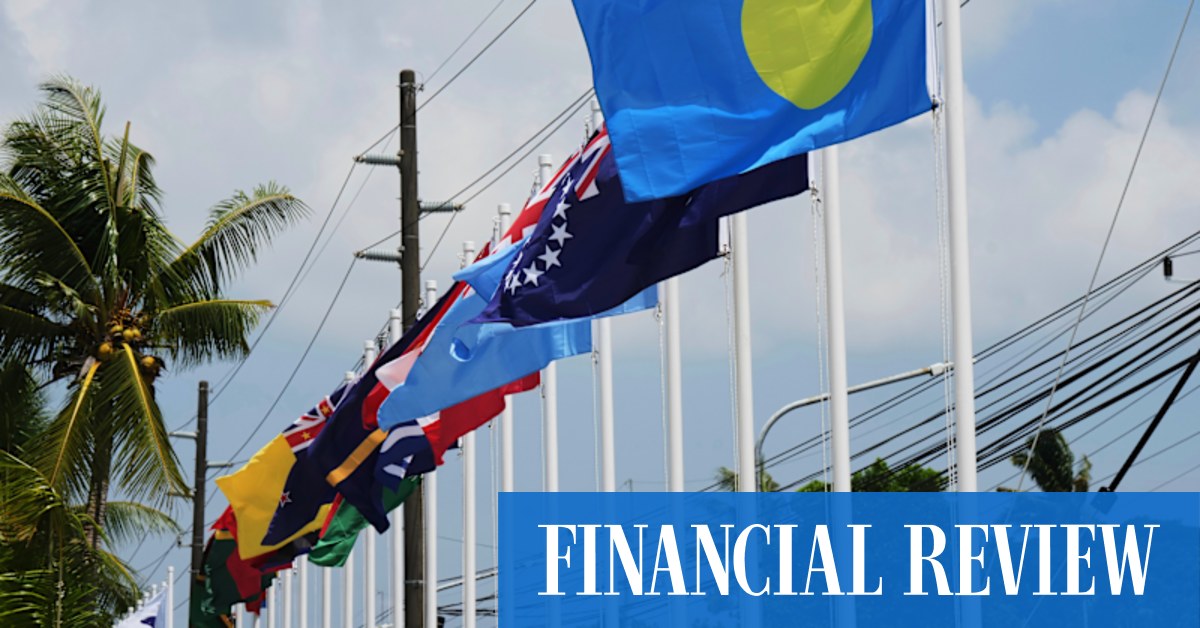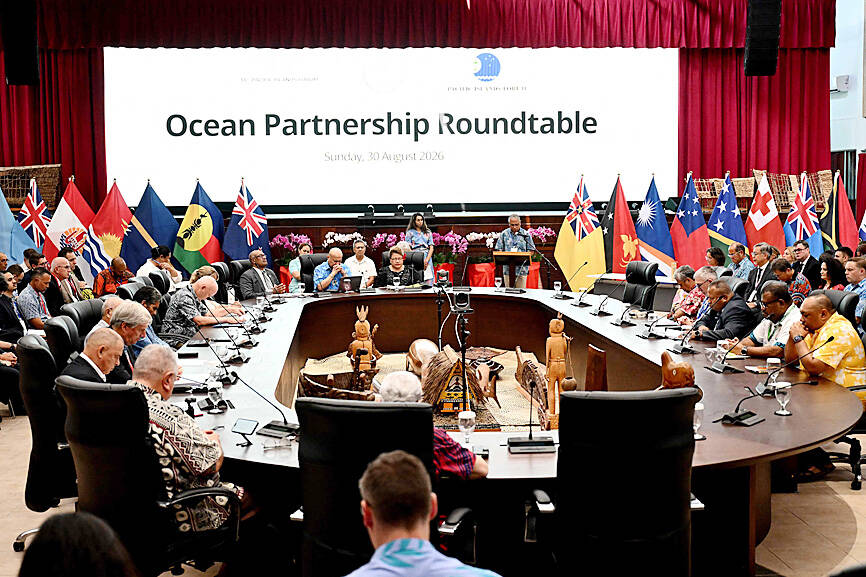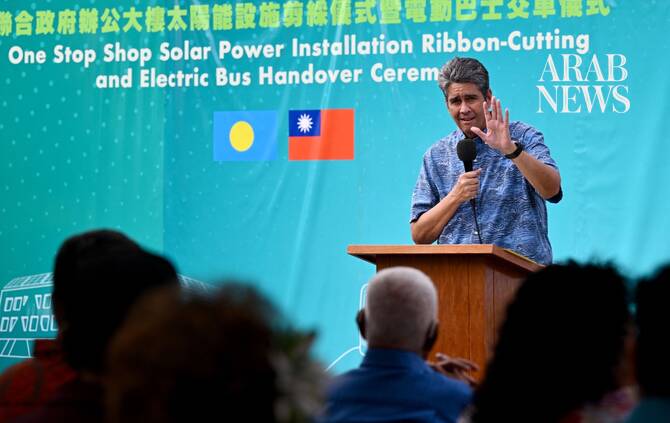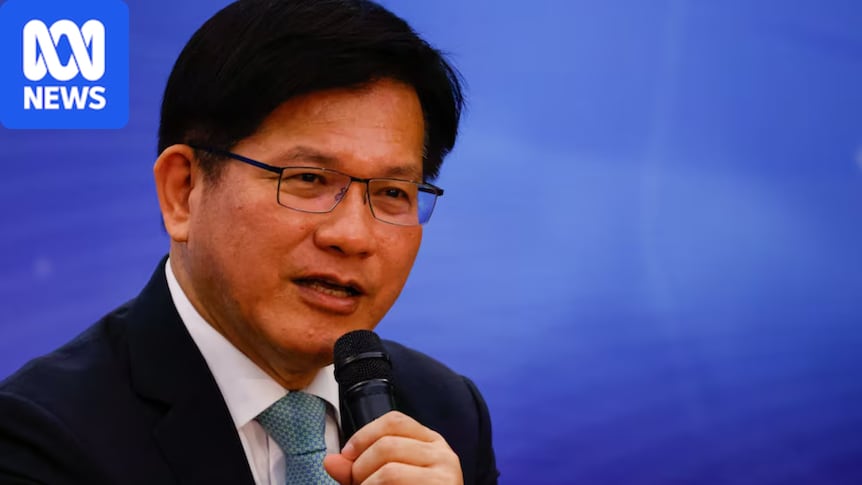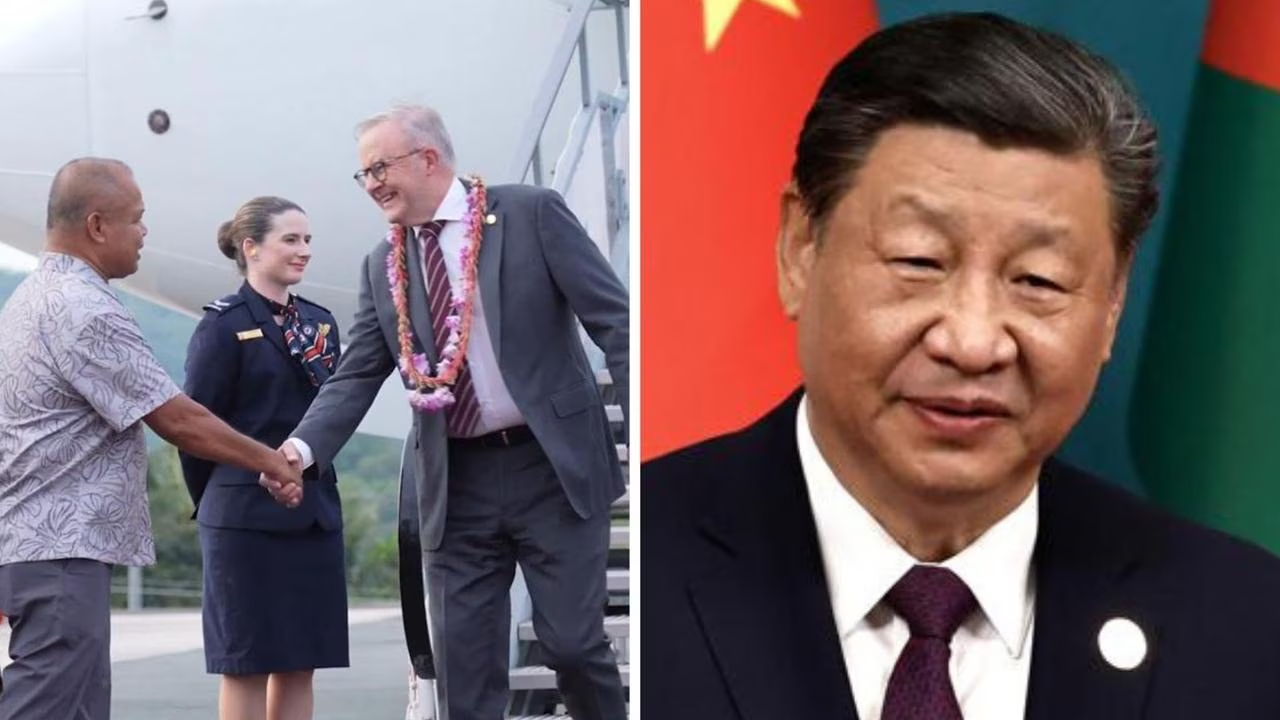
The Albanese government has stayed tight-lipped on whether it believes Beijing was behind the withdrawal of a number of prominent Pacific leaders from the region’s premier forum for co-operation. The leaders of Fiji, Vanuatu, and Samoa as well as the Kiribati president confirmed they would not attend the Pacific Islands Forum (PIF) hosted by Palau – one of Taiwan’s last remaining allies in the Pacific – for reasons ranging from logistic issues to urgent domestic matters. Solomon Islands Prime Minister Matthew Wale, the outgoing PIF chair, also withdrew at the eleventh hour to deal with a political crisis at home after a vote of no-confidence was filed against him.All countries endorse the One China principle – acknowledging Taiwan as an inalienable part of China – with Kiribati and the Solomon Islands most recently switching recognition from Taipei to Beijing in 2019. New Zealand Foreign Minister Winston Peters said on Tuesday he was “highly suspicious” over whether foreign interference was behind the high-profile absences but did not make an outright accusation towards China. Australia has a “One China policy” which is distinct from the position of these Pacific nations as Canberra maintains diplomatic relationships with Beijing while also engaging economically with Taipei.Asked about her New Zealand counterpart’s suggestion, Foreign Minister Penny Wong reiterated Australia’s official stance on China and Taiwan before pointing out: “There are Pacific Island countries which have a different position, and we respect that they have that position.”She earlier insisted “leaders make their own decisions about their ability to travel” when asked about the high-profile absences. “I know there are a range of reasons why some have not been able to attend, but the forum remains so important, particularly at a time of geopolitical competition,” Senator Wong told News24. “I think we all understand the era we live in. And the region coming together is one of the ways in which we navigate that.”Anthony Albanese, who is attending the PIF alongside Energy Minister Chris Bowen and Pacific Islands Affairs Minister Pat Conroy, warned it was “not productive” to talk down the forum, describing it as a “well-attended meeting” of regional leaders. The Prime Minister denied that Taiwan’s presence at the event had “distracted” from the real issues taking centre stage at the forum, which include energy, climate, and transnational crime. Asked about the absence of several of his counterparts, Mr Albanese insisted “everyone” was participating in the PIF. Senior public servants have replaced the missing Pacific leaders to ensure political representation at the event. Taiwan participates in the PIF as an official development partner while China participates as an official dialogue partner. Unlike Australia, neither are official PIF member countries.On Monday, China’s Pacific envoy Qian Bo warned there would be “consequences” after Taiwan Foreign Minister Lin Chia-lung appeared at the forum’s opening ceremony. Asked about China’s threats, Mr Albanese said: “The Pacific Islands Forum determines what happens here, not any other country.”The PIF takes place weeks after China sparked sharp rebukes from regional leaders following its controversial ballistic missile test performed last month.Beijing fired the ballistic missile that flew over islands in the Pacific from a submarine on July 6. The missile – armed with a dummy warhead – appeared to hit waters near Tuvalu’s exclusive economic zone.Alongside Australia – which formally protested the incident – and New Zealand, countries including Papua New Guinea, the Solomon Islands, and the Philippines criticised the move which China justified at the time as “routine”.
‘Decisions’: Big China question looms
The Albanese government has stayed tight-lipped on whether it believes Beijing was behind the withdrawal of a number of prominent Pacific leaders from the region’s premier forum for co-operation.
573 words~3 min read