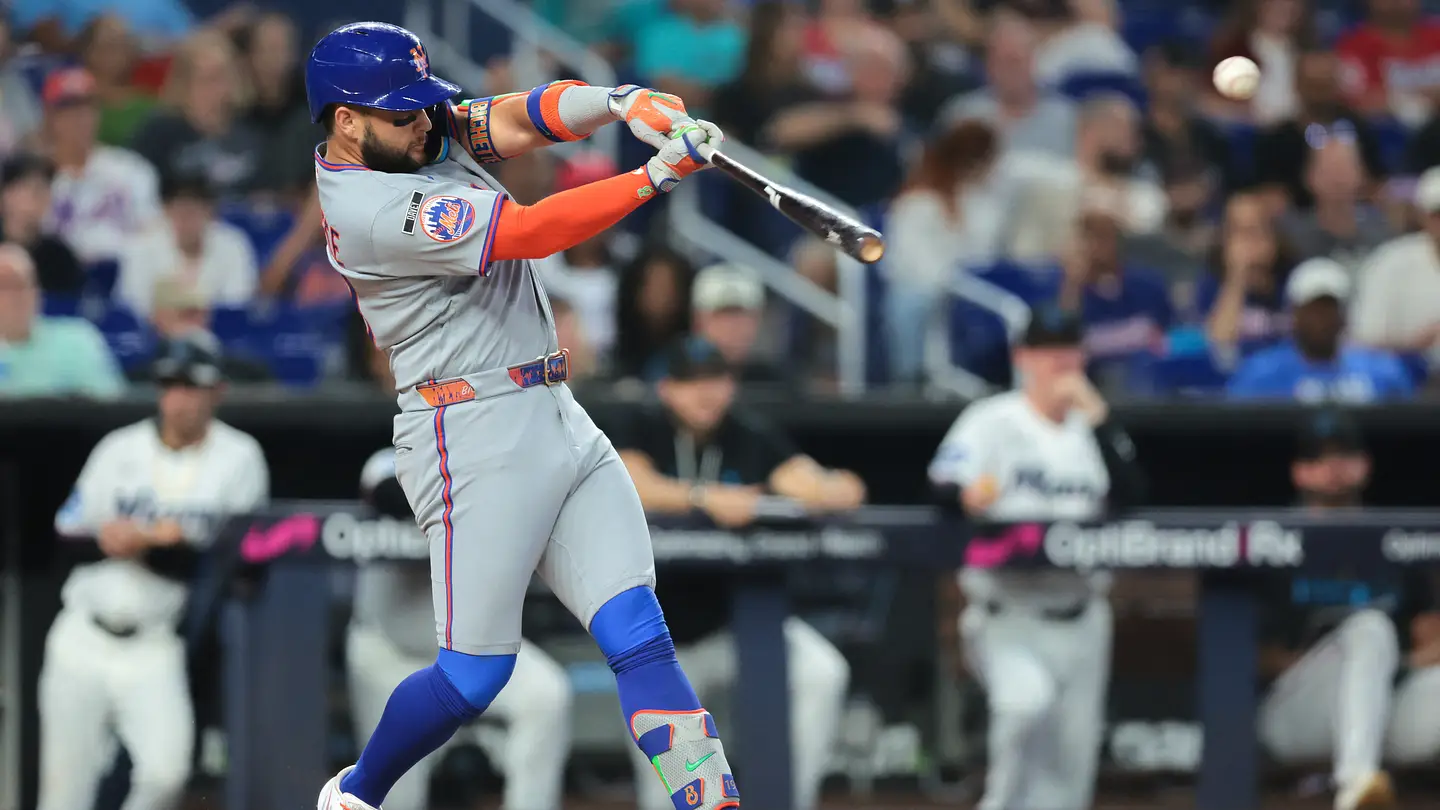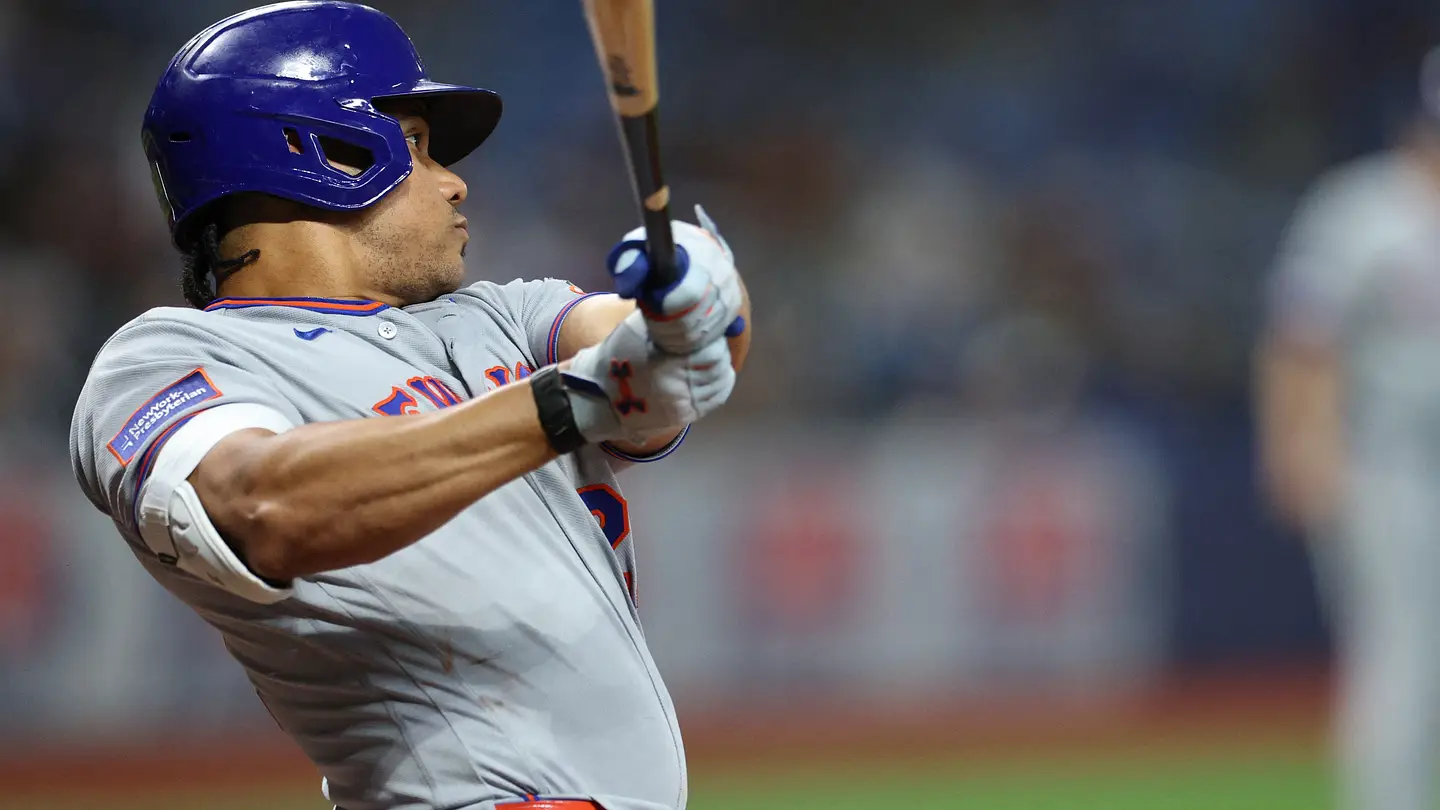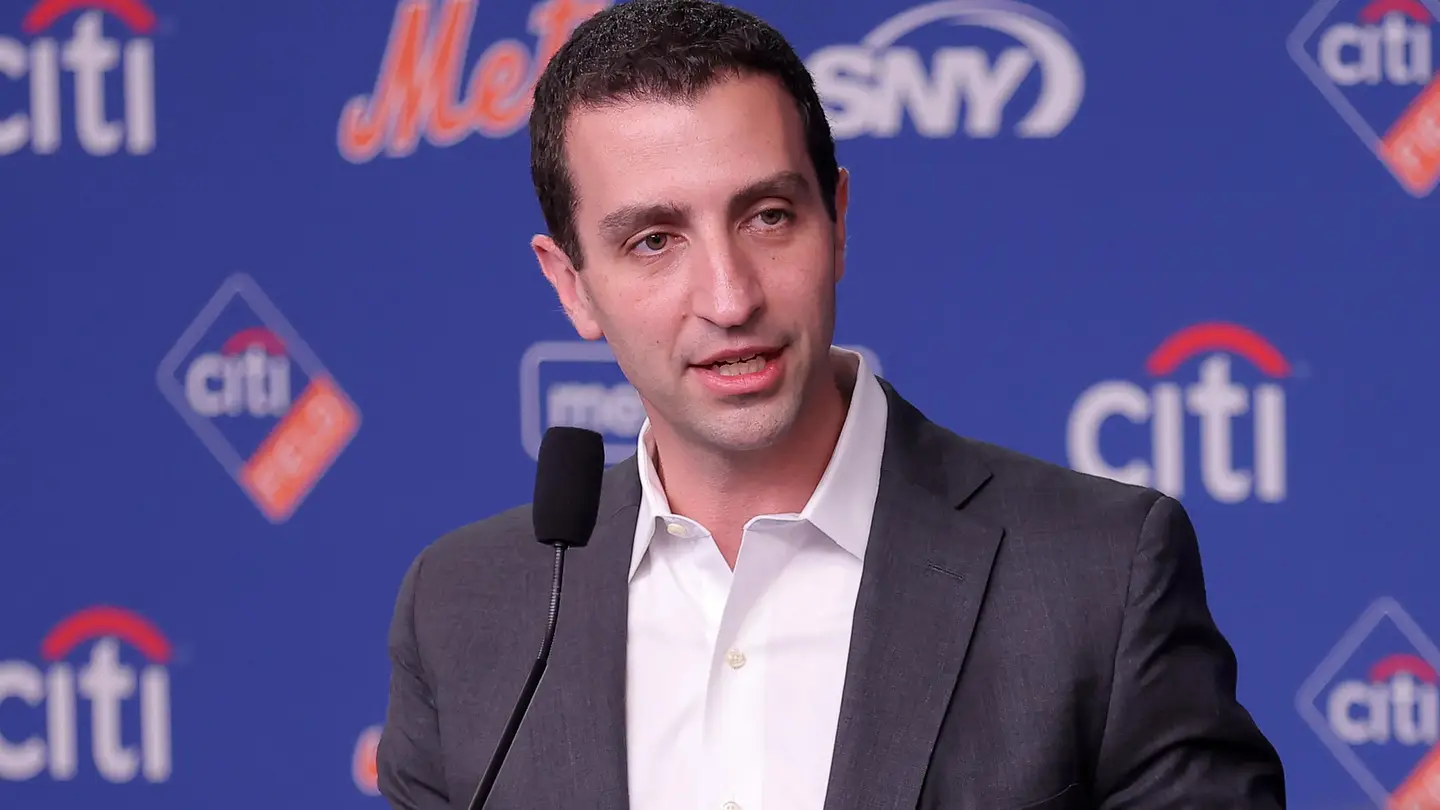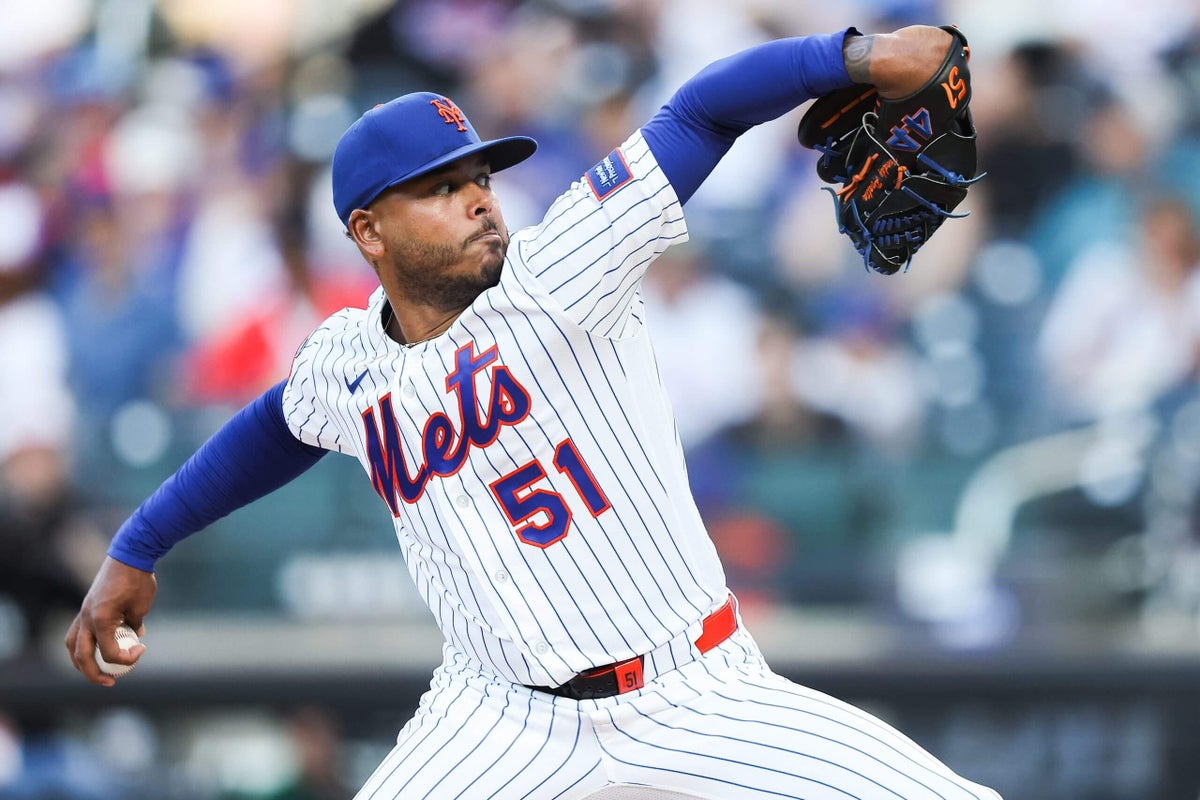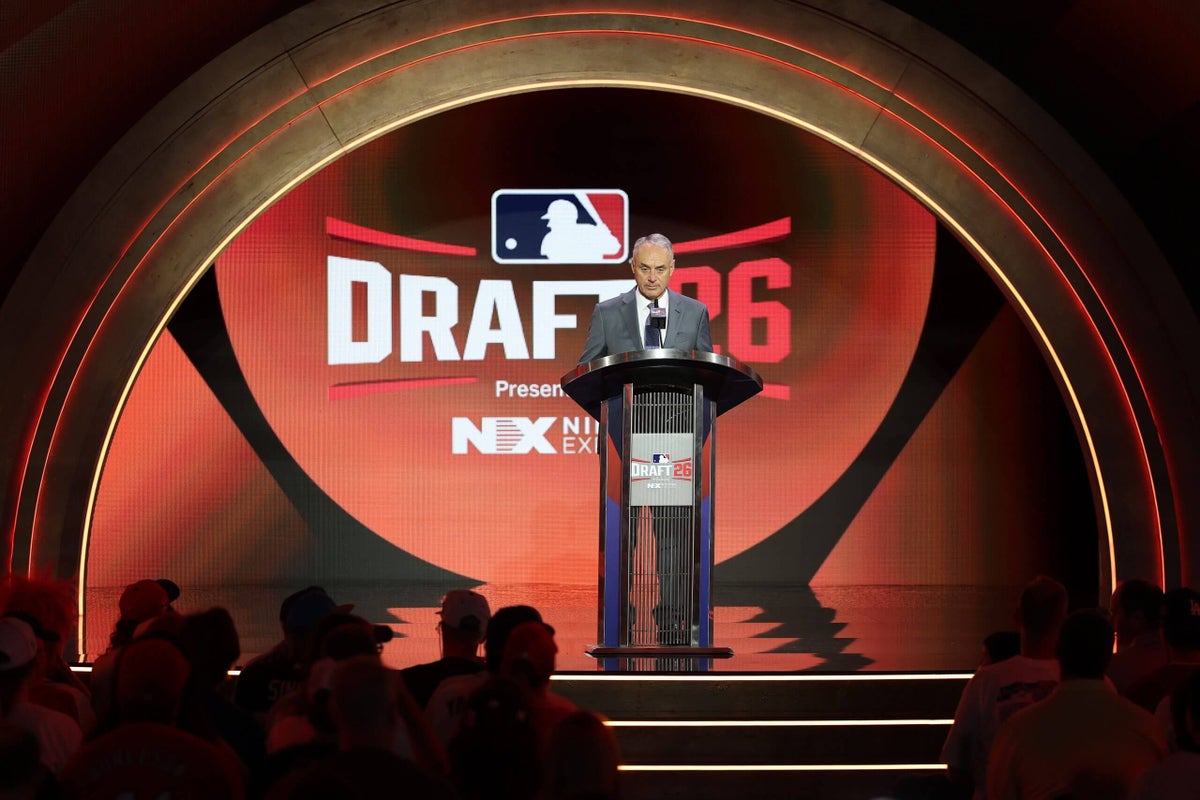
With their win in Miami on Tuesday night, the Mets improved to an impressive 20-12 since the trade deadline. (It’s clear now: New York’s best-performing players were actually what was holding the team back.) Only the Rays and Phillies have been better in all of baseball.How much is that competitive surge costing the Mets in draft capital?New York sits in an unusual spot when it comes to next summer’s draft. It can be eliminated from the postseason picture as early as this weekend. But because it has surpassed the final threshold of the luxury tax, its first-round selection next summer will drop 10 spots — unless that pick is within the top six of the draft.On the field, the Mets are obviously not paying this much attention. They’re playing as well as they have all season, and interim manager Andy Green has consistently cited the primacy of winning games when discussing his decisions.The Mets enter Wednesday with the eighth-worst record in the sport; they passed the Tigers and Nationals on Tuesday alone.Let’s explore the strange dynamics of MLB’s relatively novel draft lottery, and what it means for the Mets. The website whose NFL tab everyone in New York will probably glance at by October, Tankathon, is very helpful in this analysis.How does the draft lottery work?Similar to how we’ve long grown used to it working in the NBA. The teams that do not qualify for the postseason all have a chance to win the No. 1 pick, unless there’s a caveat (see next section). In a normal year, the worst three teams have 16.5 percent chances of getting the top pick; the six teams with the best records outside the postseason all have less than a 1 percent chance of the top pick.The lottery doesn’t just draw for No. 1, however. It draws for the top six spots. The three worst teams all have chances above 80 percent to stick in the top six.
What does the Mets’ recent success mean for their draft position?
The Mets enter Wednesday with the eighth-worst record in the sport.
940 words~4 min read